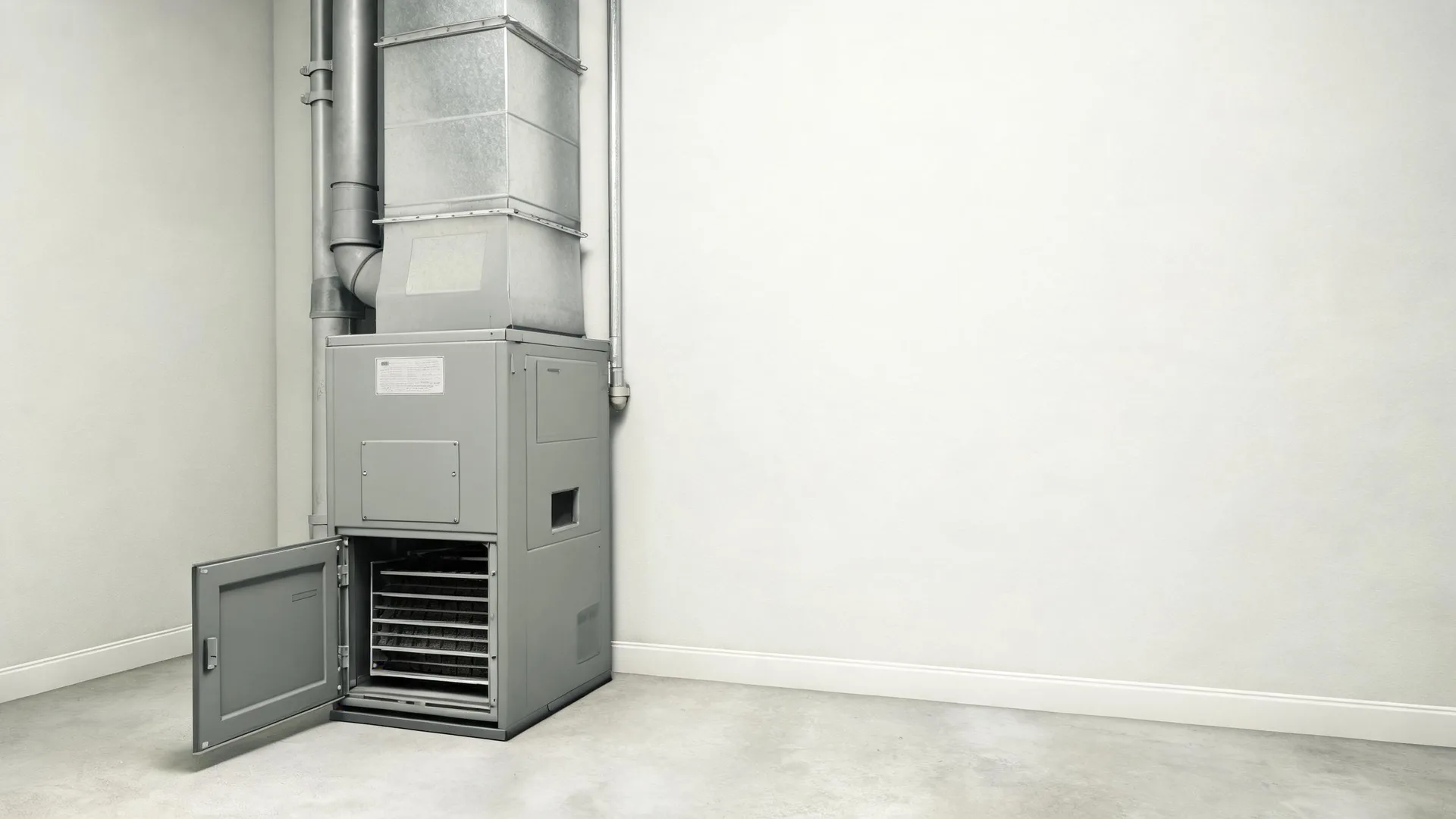
Gas here isn't cheap to waste
Idaho homes paid $8.25 per million Btu for natural gas in 2024. A furnace that has to work harder to put out the same heat burns through more of it, and that shows up on the bill every month of a Soda Springs winter.
Takes about a minute. No obligation.
Idaho homes paid $8.25 per million Btu for natural gas in 2024. A furnace that has to work harder to put out the same heat burns through more of it, and that shows up on the bill every month of a Soda Springs winter.
A clogged filter, a weak flame sensor, or a dirty burner makes the furnace work harder for the same heat. It runs longer to reach the same temperature, and every extra minute it runs is gas paid for.
Gas heats 61.8% of homes in Caribou County, more than electricity and propane combined.
A gas furnace needs its burner and venting checked, not just a new filter.

Furnace season starts in September here, and homes in Caribou County run heat all the way through June. That's ten months of the year this machine doesn't get a break. August is the slow month before the load hits, and it's the right time to get a furnace looked at. Wait until September and you're booking the check after the furnace is already working through its first cold stretch. A tune-up done in August catches a weak igniter or a cracked heat exchanger before the furnace has to run on it for ten straight months.
A furnace working harder than it needs to burns through gas at $8.25 per million Btu, all winter long. A tune-up gets the burner, flame sensor, and filter checked, so the furnace puts out heat without wasting what it burns to make it.
Find a contractorHalf the homes in Caribou County were built in 1972 or earlier. A furnace doesn't usually last that long, but the house might still have the ductwork or gas line it started with. More years on any of that means more chances for a cracked heat exchanger, a worn blower bearing, or a burner that's drifted out of tune. None of it announces itself. A yearly check is how you find a small problem before a ten-month heating season turns it into a bigger one.
A clogged filter cuts airflow across the heat exchanger. The burner still fires the same, but less heat moves into the house, so the furnace runs longer to catch up. Some furnaces will overheat and shut down on a limit switch when airflow gets too low, which means no heat until the system resets or someone swaps the filter.
A high-efficiency furnace produces condensate that has to drain away through a small tube. If that line clogs with sludge or kinks, the furnace locks out on a safety switch rather than risk water backing up into the cabinet. Checking that drain is part of keeping the furnace running through a full winter without a dead stop on the coldest morning.
Between visits, the filter is the one thing worth checking yourself. Pull it out, hold it up to a light, and if you can't see through it, swap it in. A furnace pulls air through that filter every time it runs, and a clogged one is the fastest way to choke the system. Keep anything stacked near the return vents and the supply registers out of the way too, since blocked airflow makes the furnace work the same problem from the other end. Past that, leave it alone. Opening the cabinet, adjusting the gas valve, or poking at the burners is a job for someone who does it for a living, and a furnace that's making a new noise or smell is a reason to call, not a reason to take the panel off.
The page above already laid out why ten months of heat wears a furnace fast. What that means for a tune-up is timing. Caribou County sees winter storms often, 154 of them between 2015 and 2024, and those are the mornings a furnace can't afford to stumble. A weak igniter or a dirty flame sensor might limp through a mild stretch, but a storm pushes the furnace to run longer and harder, and that's when a small problem turns into no heat at all. A tune-up before the season starts catches that weak part while it's still just a part that needs cleaning or adjusting, not a part that's failed at the worst time to fail.