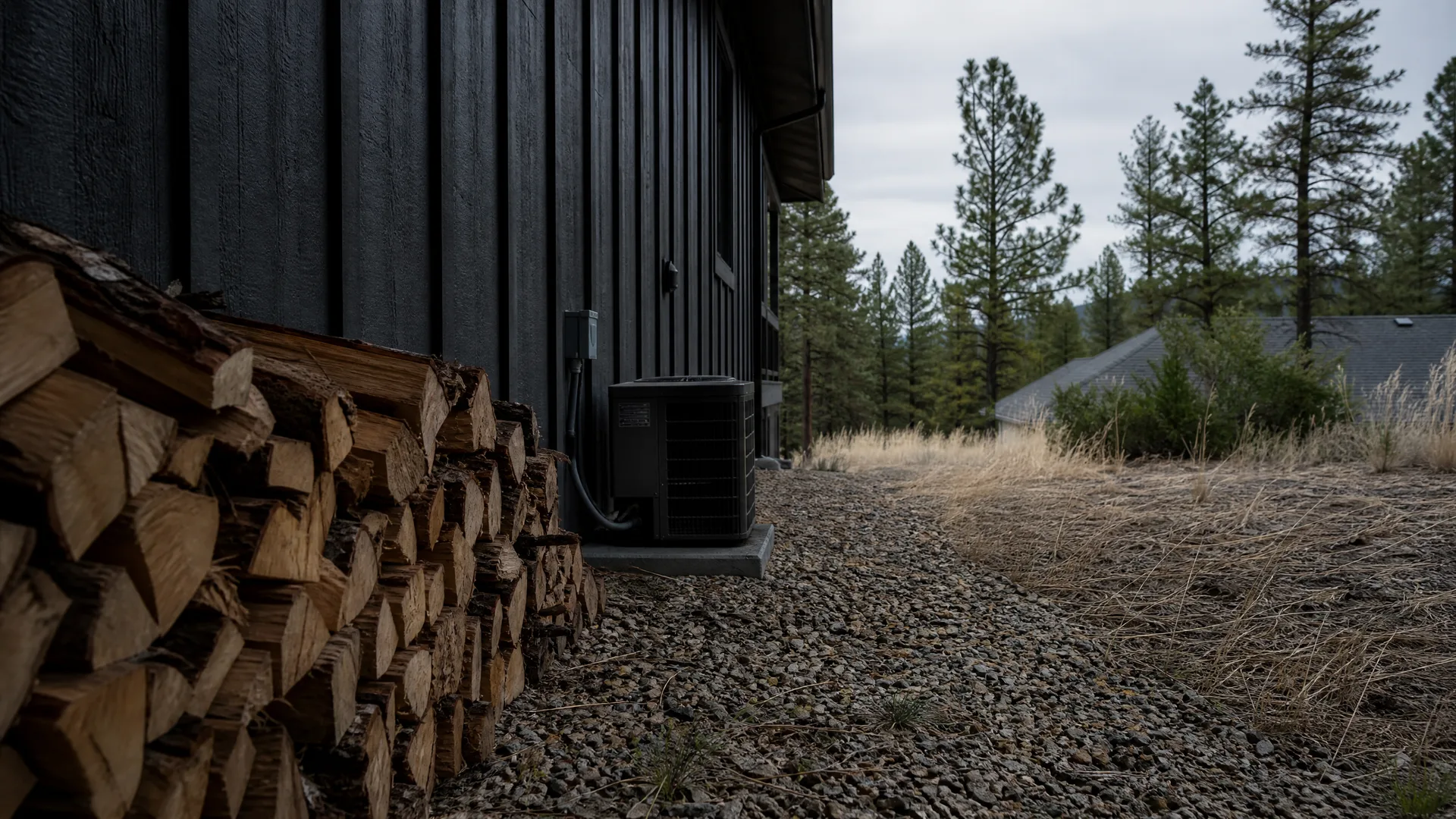



A stacked woodpile beside a dark vertical-board house exterior with an outdoor air conditioning condenser unit on a concrete pad, gravel ground, dry grass and conifer trees under an overcast sky.

Furnace Maintenance in Coeur d'Alene, ID

Tell us about the job

Takes about a minute. No obligation.

Tune-up, service, or cleaningFurnace or heatingKootenai County, ID
Step 1 of 2

What ZIP code is the job in?

Your furnace runs about ten months a year here, September through June. That overnight cold settles in around 25°F through December, January and February, and the furnace has to hold against it night after night. Add in the snow and ice this area sees most winters, and the system rarely gets a real break before the next stretch of cold starts up again. That kind of steady use wears down an igniter or a blower motor faster than it would somewhere milder. By the time you notice a problem, the part has usually been struggling for a while.

A furnace that never gets cleaned or checked builds up a layer of dust on the burners and the flame sensor.

A dirty flame sensor is the most common reason a furnace fires up and then shuts itself back off.

Most of this county heats with gas, so burner and venting checks matter more than a filter swap

52.7% of homes heat with gas
Heat runs September through June
Winter nights average 25°F

Heat season here runs September through June, about ten months straight. August is the month before it starts, and that makes it the month to get the furnace looked at. Once September hits, the furnace is running hard right away, with no easy stretch to break it in. A check in August catches a weak igniter or a dirty flame sensor before the furnace has to carry the full load. Wait until the system is running every night and you're hoping it holds instead of knowing it will.

Your furnace is probably newer. Keep it that way.

Half the homes in Kootenai County were built in 1996 or later, so a lot of furnaces out there still have plenty of working life left in them. A yearly check is what keeps it that way. Catching a worn igniter or a dirty flame sensor early means the furnace keeps running the way it should instead of losing ground year after year.

Find a contractor
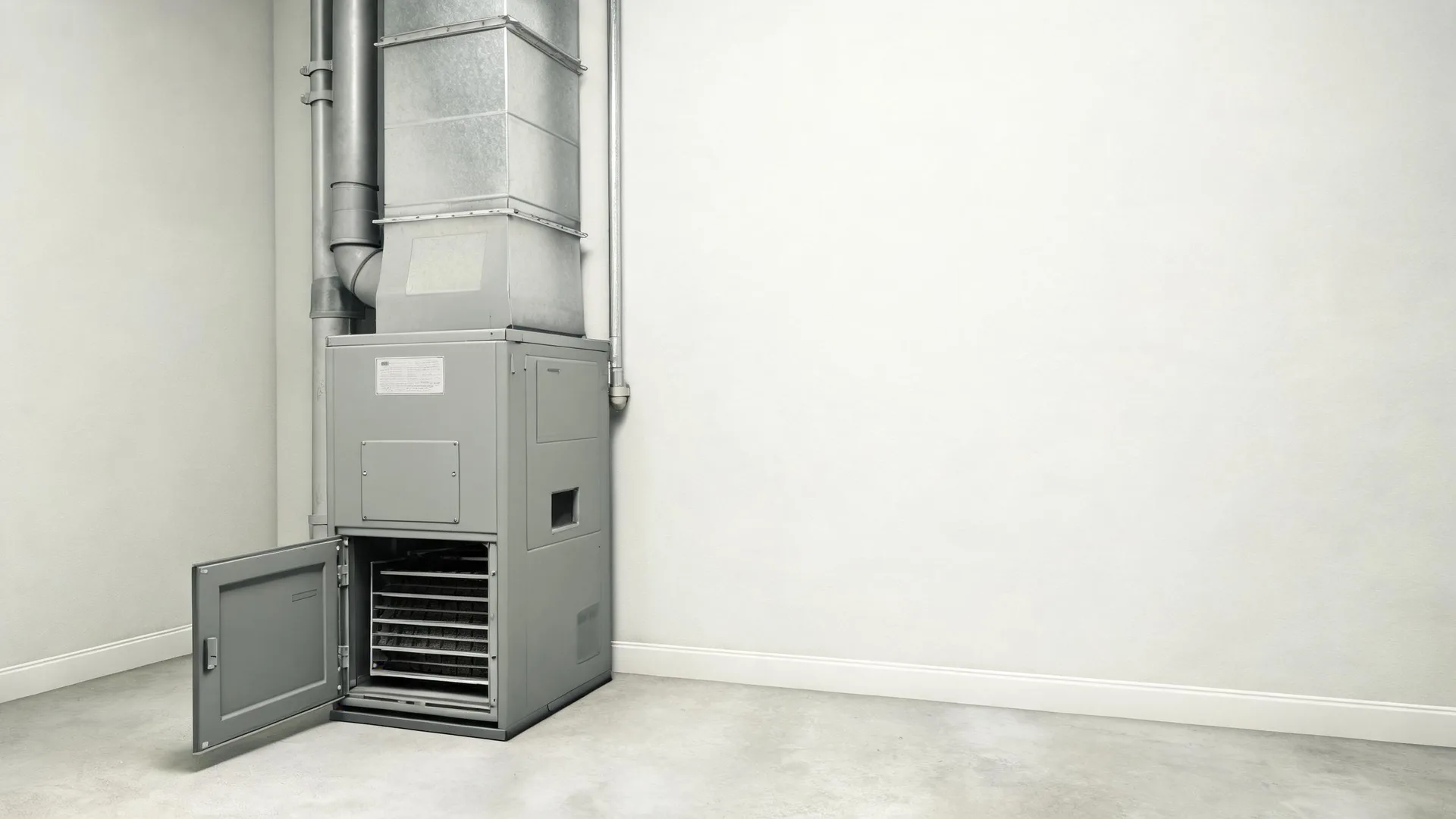
A gray residential gas furnace installed in an unfinished basement, connected to sheet-metal ductwork and PVC pipes.

What a tune-up catches before it becomes a no-heat call

A tune-up gets inside places a filter swap never touches. The burners come out and get cleaned, since a coating of rust or dust changes how the flame burns and that shows up as soot on the heat exchanger. The flame sensor gets checked for the thin film that builds up on it and stops it from reading the flame at all. The igniter gets looked at for hairline cracks you'd never spot without pulling it. The blower wheel gets checked for dust along the blades, since that throws it off balance and wears the motor bearings down faster. The flue and venting get checked for a blockage or a bad connection, which matters with gas since that's how exhaust gets out of the house instead of back into it. None of this shows up from the thermostat. The furnace can run and sound fine while a cracked igniter or a dirty sensor is a season away from leaving it dead.

A quick visit stays outside the furnace

A fast check swaps the filter, glances at the thermostat, and moves on. That covers airflow, but the burner compartment never gets opened and the igniter never comes out for a look. A furnace can pass that kind of visit and still be carrying a cracked igniter or a flame sensor coated with film.
A thorough one takes the furnace apart

The panels come off. The burners, flame sensor, and igniter get pulled out and inspected, not just looked at from a distance. The blower wheel gets checked for dust along the blades, and the flue gets traced end to end for a blockage or a loose joint. That's what finds a problem before the furnace does.

A furnace usually gives a warning before it quits outright. It might take a few tries to light, or light with a louder whump than usual. The blower might run longer than it used to, or kick on and off more often. You might catch a burnt dust smell in the first minutes after startup, which is normal once at the start of the season and worth a second look if it lingers. A pilot or igniter flame that looks yellow and ragged instead of steady and blue means the burners aren't burning clean. None of these stop the furnace that day. They're the early signs that something inside is already wearing down.

A tune-up is the one time all year someone actually opens the furnace up instead of just running it. The technician pulls the burners and cleans off the rust and dust that builds up where you can't see it. The flame sensor gets wiped down, since that film doesn't go away on its own. The igniter gets checked for a crack that won't show until it finally fails mid-cycle. Belts aren't part of it, since furnace blowers run direct drive and don't have one to wear out. The blower wheel gets checked for a dust buildup that throws it off balance, and the flue gets traced to make sure exhaust is actually leaving the house. None of that happens unless someone takes the panels off and looks.