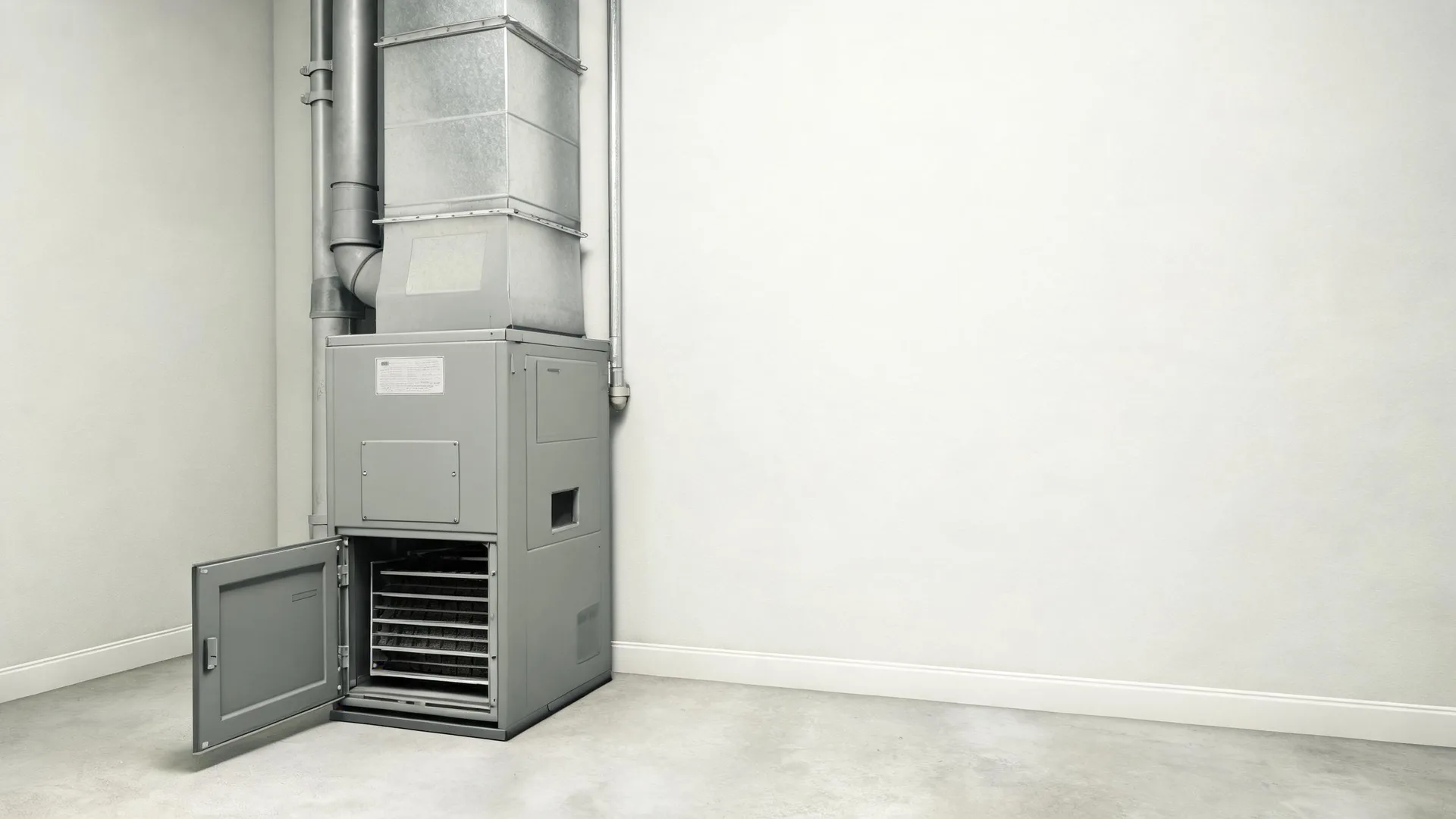
Nine months of heat a year
Furnaces in Twin Falls County run from September through May. That's most of the calendar, and most of the wear.
Takes about a minute. No obligation.
Furnaces in Twin Falls County run from September through May. That's most of the calendar, and most of the wear.
Winter nights here average 21°F. A furnace has to recover that ground over and over through December, January and February, and the parts that do the work feel it first.
Furnaces here start working for their living in September.
Have yours checked in August, before it has to.
A technician can check the igniter, the flame sensor and the blower motor while the furnace is sitting idle, not during the first cold snap when it's already carrying the load. Loose wiring or a clogged filter shows up on a bench check before it shows up as no heat on a January morning. Have it looked at before September, not after.
If yours went in new with the house, the parts are young but they still want a yearly look. A check now keeps a furnace that still has years ahead of it from losing them early.
Find a contractor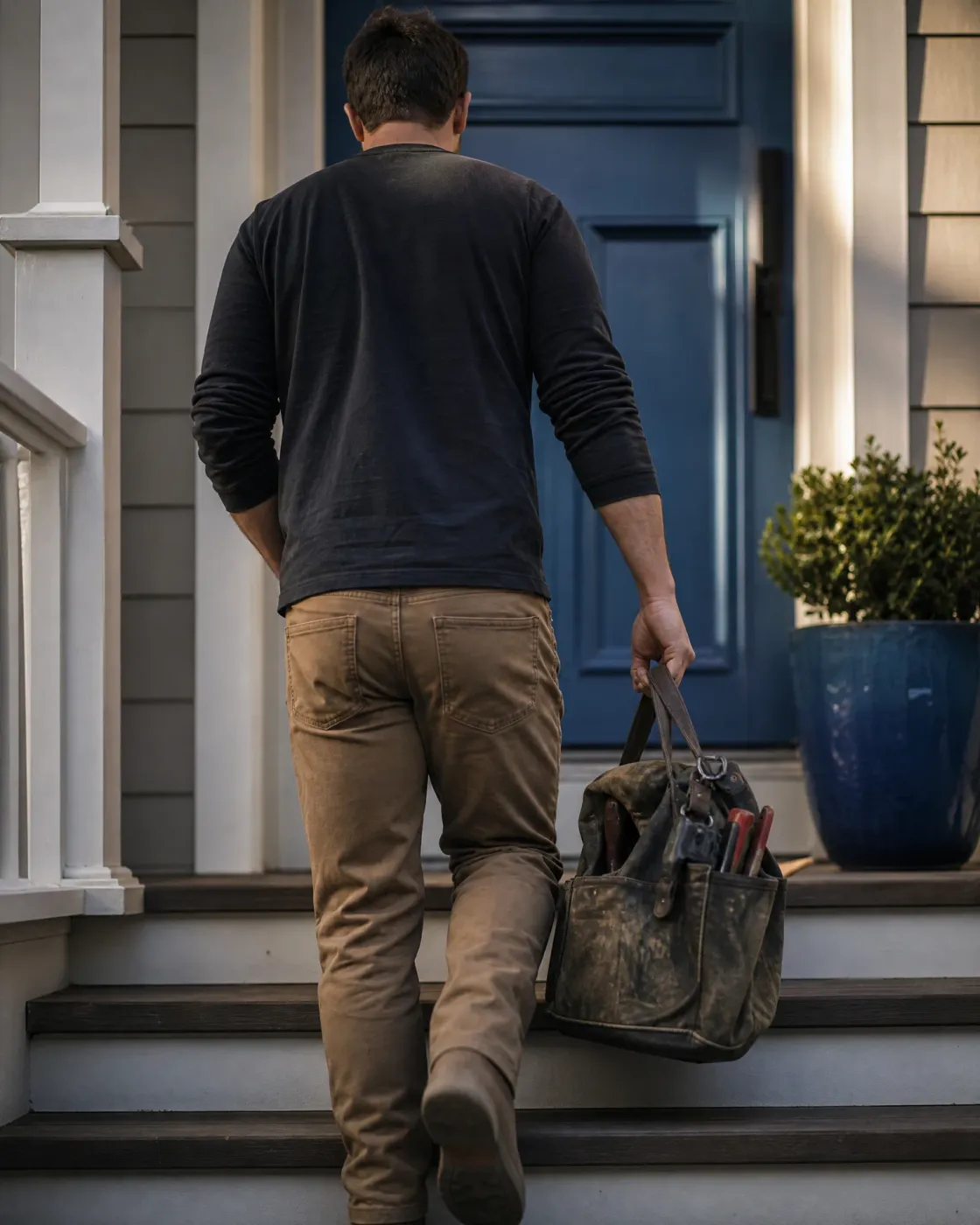
A fast visit gets you a new filter and a glance at the flame through the sight glass. That tells you almost nothing. A real tune-up means the panels come off the cabinet. The flame sensor gets pulled and cleaned, not just looked at, because a thin film on it is what makes a furnace shut off right after it lights. The igniter gets checked for hairline cracks that don't show unless someone's looking for them. Gas pressure gets tested with a manometer instead of judged by the color of the flame. The blower wheel comes out of its housing and gets cleaned, since dust packed into the fins makes the motor push harder for less air, and that's not something you can see through an access panel. The condensate line gets flushed if the furnace has one, so it can't back up and trip a safety switch partway through winter. And the heat exchanger gets checked for cracks, which matters more than anything else on this list. A fast visit skips most of it. A real one takes the time it takes, because most of what fails in a furnace stays hidden until someone goes looking for it.
A dirty flame sensor or a blower wheel packed with dust does not break a furnace outright. It makes the furnace run harder and longer to put out the same heat. That strain is what takes years off a heat exchanger or a blower motor that would otherwise outlast the rest of the system.
A furnace that has not been checked tends to fail at the worst point in its cycle, not the start. A cracked igniter or a flame sensor coated in film usually means the furnace lights, runs briefly, then shuts itself off. That shutoff is a safety switch doing its job. Without a check beforehand, the first sign of any of this is a cold house.
A furnace usually tells you something before it quits outright. It might take a couple of tries to light, or light with a louder thump than usual. The blower might run longer than it used to just to bring a room up to temperature. Short cycling, where it fires up and shuts off again within a few minutes, is one of the clearer signs something is wrong, often a flame sensor that needs cleaning or a limit switch tripping early. A burner flame that's yellow or flickering instead of steady blue is worth a look too, since that points to a combustion problem rather than normal wear. None of these mean the furnace is done. They mean it's asking for a check before it picks its own time to fail.
A tune-up also includes a safety check that a quick visit skips. A technician tests the flue draft to confirm the exhaust is actually leaving the house instead of spilling back into the ductwork. Burner flames get watched under running conditions, not just at startup, because a flame that looks fine lighting can still burn poorly once the blower kicks on. Airflow across the heat exchanger gets checked too. Restricted airflow is what causes a heat exchanger to overheat and crack in the first place. None of this shows up by looking at the furnace from across the room.