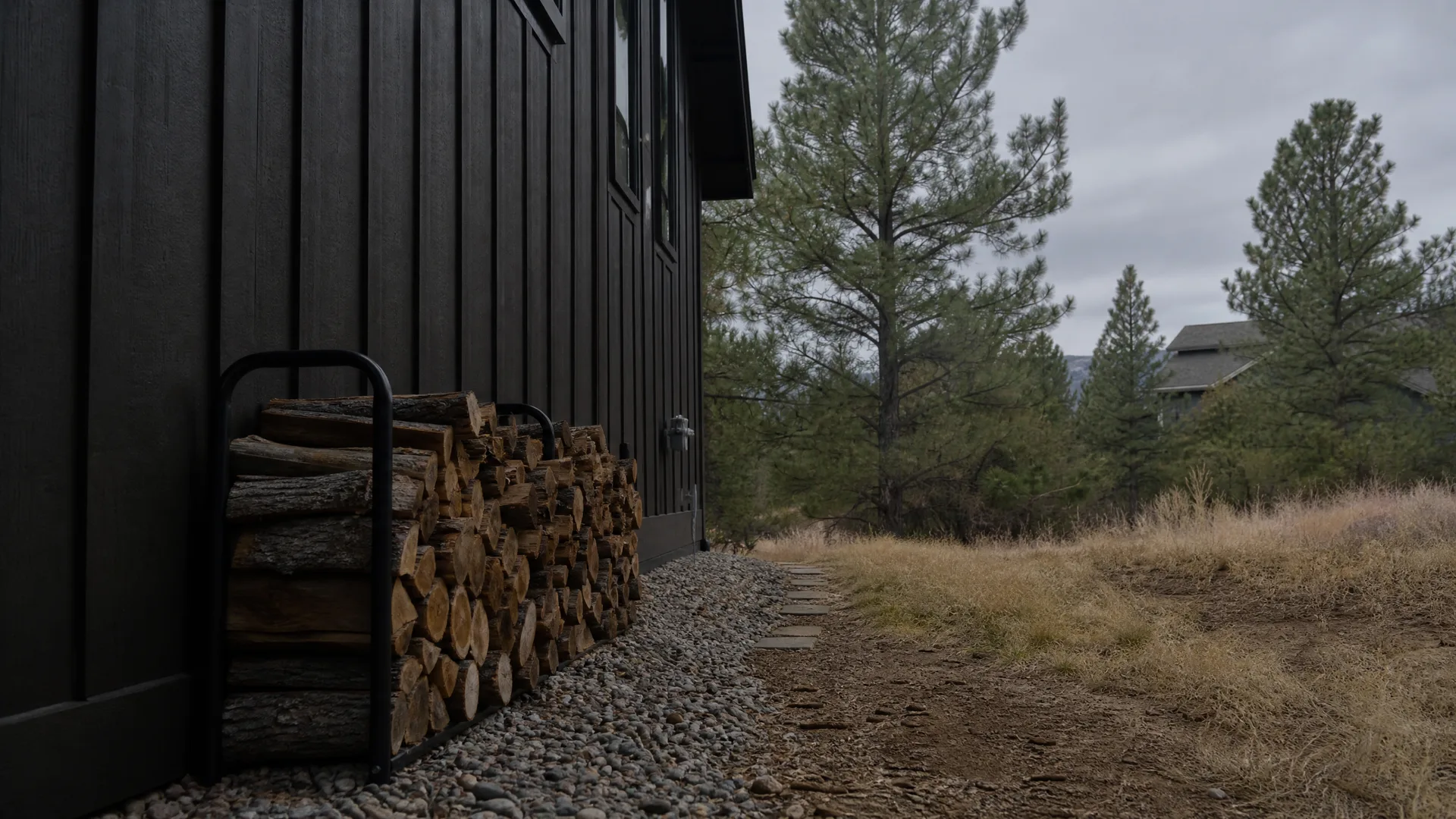



A stack of split firewood in a black metal rack sits on a gravel bed against the dark vertical board siding of a house, with dry grass, pines and an overcast sky beyond.

Furnace Maintenance in Montpelier, ID

Tell us about the job

Takes about a minute. No obligation.

Tune-up, service, or cleaningFurnace or heatingBear Lake County, ID
Step 1 of 2

What ZIP code is the job in?

Furnaces in Bear Lake County run from September through June. That's ten months out of twelve with the burner coming on, not just the deep winter stretch. Most parts of the country give a furnace a break for half the year. Yours doesn't get one. Add in the winter storms this county sees, heavy snow and ice that showed up 106 times between 2015 and 2024, and the furnace is working its hardest exactly when it can least afford a weak igniter or a dirty flame sensor. Ten months of runtime wears parts down faster than a normal season would.

A furnace that skips its yearly tune-up burns more gas to put out the same heat.

Gas in Idaho runs $8.25 per million Btu, and this furnace runs most of the year, so that waste adds up.

Most of this county heats with gas, so the burner and venting matter more than the filter

43.8% of homes heat with gas
Climate zone 6B
Heat runs September through June
September Starts It UpHeat starts running in September here, so August is when to get it checked.

A yearly tune-up is where that waste gets caught. A technician cleans the burner, checks the flame sensor, and tests the gas pressure, the kind of wear that builds up over a long runtime and shows up as higher gas use before it shows up as a breakdown. Skip a few years and the furnace doesn't fail outright, it just quietly burns more to do the same job all winter. A yearly check costs less than the gas it wastes left alone.

Have It Checked Before It Has to Run

A furnace that runs ten months a year does not get much downtime to be checked over on its own. Once the burner is back on for the season, a weak igniter or a dirty flame sensor is already working against it. Getting it looked at before that long stretch starts is the easier time to catch what is wearing thin.

Find a contractor
A man in a cap and brown jacket, seen from behind, climbs porch steps toward a blue front door while carrying a canvas tool bag, with a potted shrub in a blue planter beside him.
A gray residential gas furnace installed in an unfinished basement, surrounded by ductwork, a metal flue pipe, and a gas supply line.

What a Dirty Filter Does Besides Dirty Air

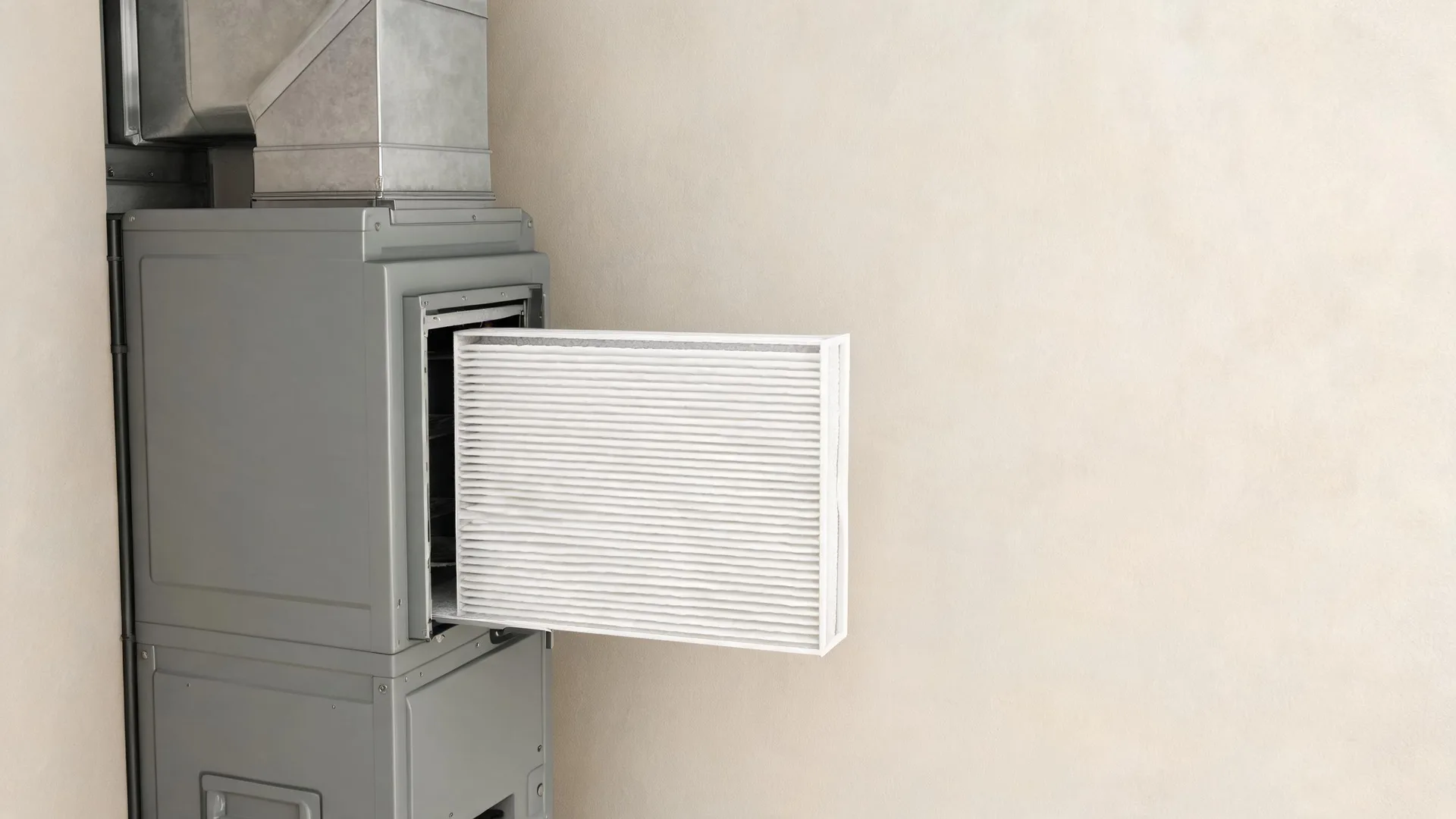
A furnace doesn't just burn gas, it moves air, and the filter decides how easy that job is. A clogged filter makes the blower pull harder to get air through, and that strain carries over to the heat exchanger behind it. The coil in the indoor unit, if the system also runs air conditioning in summer, depends on that same airflow to work right, so a dirty filter does double duty against the furnace. Condensing furnaces also produce water as they run, and that water needs a clear drain line to leave the unit. A blocked drain backs up into the furnace and can shut it down on its own, or worse, let water reach parts that were never meant to sit wet. None of this announces itself. The furnace keeps running, just worse, until the day it doesn't.

What Wears First Without a Tune-Up

A furnace left alone collects dirt on the burner and the flame sensor before anything else. That coating makes the sensor misread the flame, and the furnace starts shutting off mid-cycle or refusing to stay lit. The igniter works harder to get a weak burner going, and an igniter that's already thin gives out that much sooner. None of this happens overnight. It builds one cycle at a time until the furnace finally won't start.
The Furnace That Gets Skipped Fails at the Wrong Time

A furnace that's never been looked at doesn't wait for a slow week to break down. It fails mid-cycle, usually on the coldest run of the season, because that's when every worn part is working its hardest. A tune-up catches a cracked flame sensor or a sticking valve while the furnace is still running fine on its own. Wait for it to quit, and there's no picking the day.

A furnace usually tells you before it quits. It starts a cycle, shuts off, then tries again a minute later, short cycling instead of running straight through. The flame in the burner looks yellow or flickers instead of holding steady and blue. You hear a rattle from the blower, or a boom when the burner lights, both signs something inside has worked loose or is catching late. The air coming out feels cooler than it used to, even though the furnace is running the same as always. Any one of these is worth a look before it turns into a furnace that won't start at all.

A tune-up is not a once-over. The technician opens the cabinet and checks the heat exchanger for cracks, because a cracked exchanger can let exhaust mix into the air the furnace is pushing through the house. The burner gets cleaned and the flame checked for a steady, even shape across each port. Gas pressure gets tested and adjusted if it is running rich or lean, since either one wastes fuel or stresses the burner. The igniter and flame sensor get inspected, since both wear down with every cycle and often fail together. The blower motor gets checked for noise and for how freely it spins, and belts or bearings, if the furnace has them, get looked at too. The condensate line gets cleared if the furnace is a condensing model, and the vent and flue get checked to make sure exhaust is actually leaving the house instead of backing up. None of this takes long when a furnace is in good shape. It takes a lot longer, and costs a lot more, when it is not.