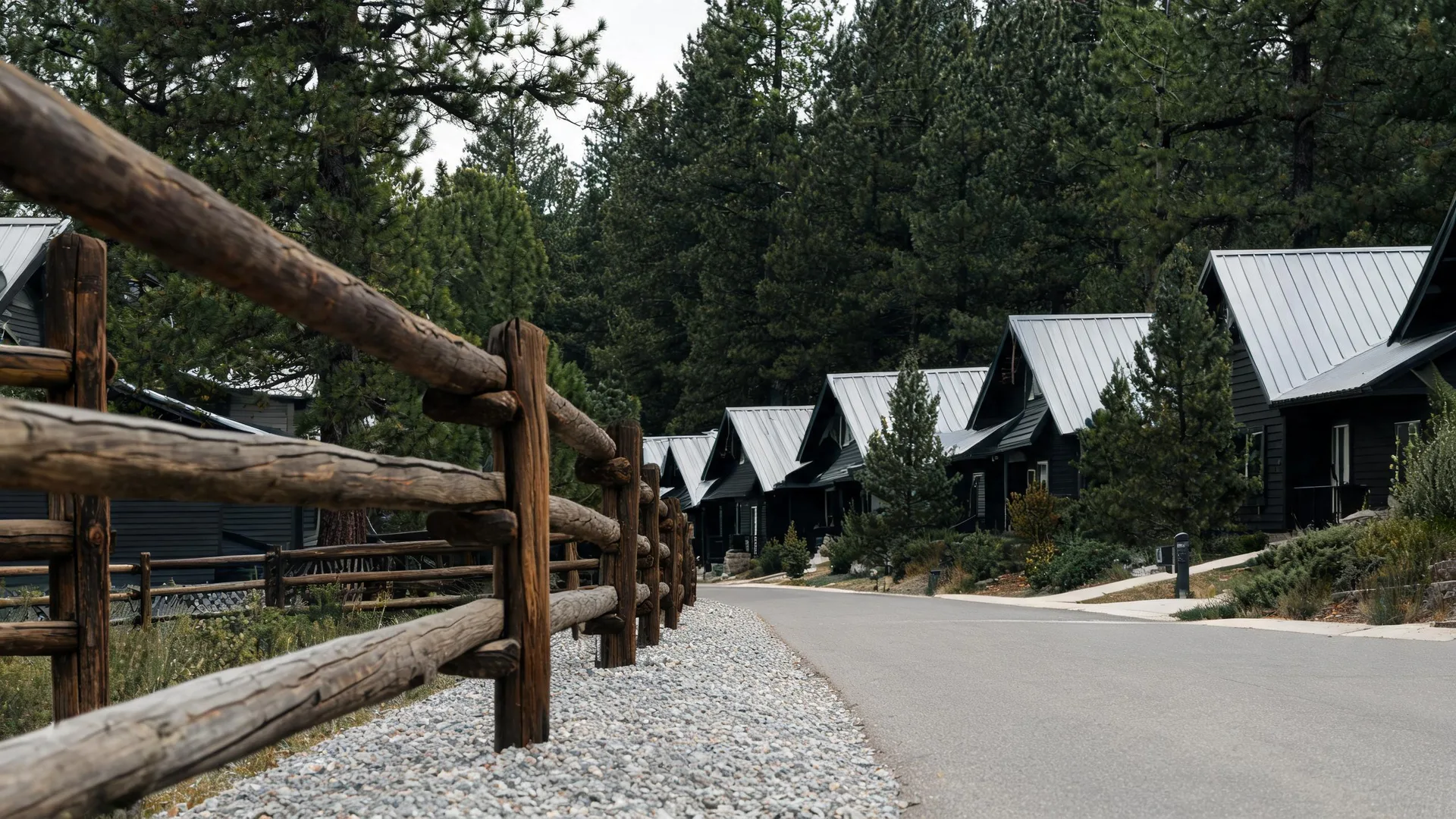

A paved road bordered by a rustic log rail fence and gravel shoulder passes a row of dark-sided cabins with metal gable roofs beneath tall pine trees.

Furnace Maintenance in Kellogg, ID

Tell us about the job

Takes about a minute. No obligation.

Tune-up, service, or cleaningFurnace or heatingShoshone County, ID
Step 1 of 2

What ZIP code is the job in?

Idaho homes paid $8.25 per million Btu for natural gas in 2024. That number applies whether the furnace is running clean or working harder than it should. A dirty burner or a clogged filter makes the furnace stretch to put out the same heat, and every extra minute it runs gets billed at that same rate. A tune-up checks the parts that cause that drag before winter sets in. With gas priced the way it is here, a furnace running the way it was built to run is worth something real on the bill.

Furnaces in Shoshone County start running in September.

Book the tune-up in August, before the furnace is working for its living.

Half these furnaces are older too, and age is what a tune-up is for

Half the homes here were built by 1959
Climate zone 5B
Heat runs September through June
Ten months of heat a year wears a furnace fastHomes here run heat from September through June, and winter storms hit Shoshone County 189 times between 2015 and 2024.

Just over half the homes in Shoshone County heat with gas, more than any other fuel here. That's a burner igniting, a flame sensor watching it, and a flue venting the exhaust out of the house. None of that is touched by a new filter. A tune-up checks the burner for a clean, even flame, checks that the flue is actually drafting, and tests the safety controls that shut the furnace down if something goes wrong. Electric furnaces don't have any of this, so this part of the visit is specific to the gas system most houses here already have.

A clean-running furnace is worth more here than most places

A furnace burning gas at $8.25 per million Btu either puts that heat into the house or wastes it. A tune-up is what decides which one happens all winter.

Find a contractor
A gray residential gas furnace installed in an unfinished basement, surrounded by ductwork, a metal flue pipe, and a gas supply line.

An older house means the furnace's history is worth checking

Half the furnaces in Shoshone County are sitting in houses built in 1959 or earlier. Nobody can say what's been done to any one system over that many years, or whether this one's had a tune-up since it was put in. A yearly check is how you find that out. If the heat exchanger is starting to crack or a sensor is on its way out, this is when it shows up, while it's still something a contractor can fix on the spot instead of something that leaves the house cold.

A furnace tells you before it quits

A burner that used to light with a quiet whump starts banging. The blower runs louder than it used to, or it cycles on and off more than it should. The flame behind the window looks yellow and ragged instead of steady blue. None of that means the furnace is about to die. It means something inside it, a clogged orifice, a failing igniter, a dirty flame sensor, is already working harder than it needs to. Those are the signs worth a call before the part actually fails.

Catching it early is the whole point of a check

A tune-up finds the weak igniter or the drifting flame sensor while the furnace is still heating the house fine. Left alone, that same part tends to fail on the coldest, hardest-running night of the stretch, not some easy afternoon in between. A technician who checks it ahead of time is looking at the same parts that would otherwise leave a house cold, just while a fix is still a quick one instead of an emergency.

A quick tune-up means someone swaps the filter, glances at the flame, and packs up. A thorough one means the panels come off. The burners get pulled and cleaned, not just looked at, because a burner can look fine and still be laying down an uneven flame. The flame sensor gets polished or replaced outright instead of wiped once with a rag. The inducer motor and blower wheel get checked for the kind of dust buildup that throws them off balance over time. Someone tests the gas pressure at the manifold instead of assuming it's where it should be. The heat exchanger gets inspected for cracks with a light and a mirror, not a glance through the access panel. If the visit is done in twenty minutes, most of that didn't happen.

A furnace here runs from September through June, so there's barely a stretch where it gets to sit idle. That kind of use wears on the parts that handle heat and vibration every time it cycles: the igniter, the blower bearings, the burner itself. A tune-up is what catches one of those parts drifting before winter asks it to run flat out. Winter storms have hit this county 189 times in the last ten years, and none of them wait for a furnace to be ready. Better to find the weak part while the weather's still easy than after the house is counting on the furnace not to quit.