Ten months of heat a year
Furnaces in Jefferson County run from September through June. That is most of the year, with only a short break before the next season starts. A part does not get much time to sit idle.
Takes about a minute. No obligation.
Furnaces in Jefferson County run from September through June. That is most of the year, with only a short break before the next season starts. A part does not get much time to sit idle.
A furnace running that long needs its igniter, flame sensor and blower checked before September gets here. Finding a worn part during a tune-up beats finding it after the cold sets in.
Furnaces in Jefferson County start running in September and stay on through June.
A tune-up booked in August catches a worn igniter or a cracked flame sensor before the furnace has to work at all.



A furnace that skips its tune-up does not fail politely. It runs longer to hit the same temperature, burning more gas to do it. Gas here costs $8.25 per million Btu, so a furnace working harder than it needs to shows up on the bill fast. A dirty flame sensor or a clogged filter makes the burner cycle more than it should, and every extra cycle costs something. A tune-up catches that drag before a long winter runs through it.
A furnace with only a short break between seasons needs to go into that stretch with a clean flame sensor and a blower that's been checked, not a worn one. Book the tune-up before September and whatever's wearing thin gets caught while it's still a small fix.
Find a contractor
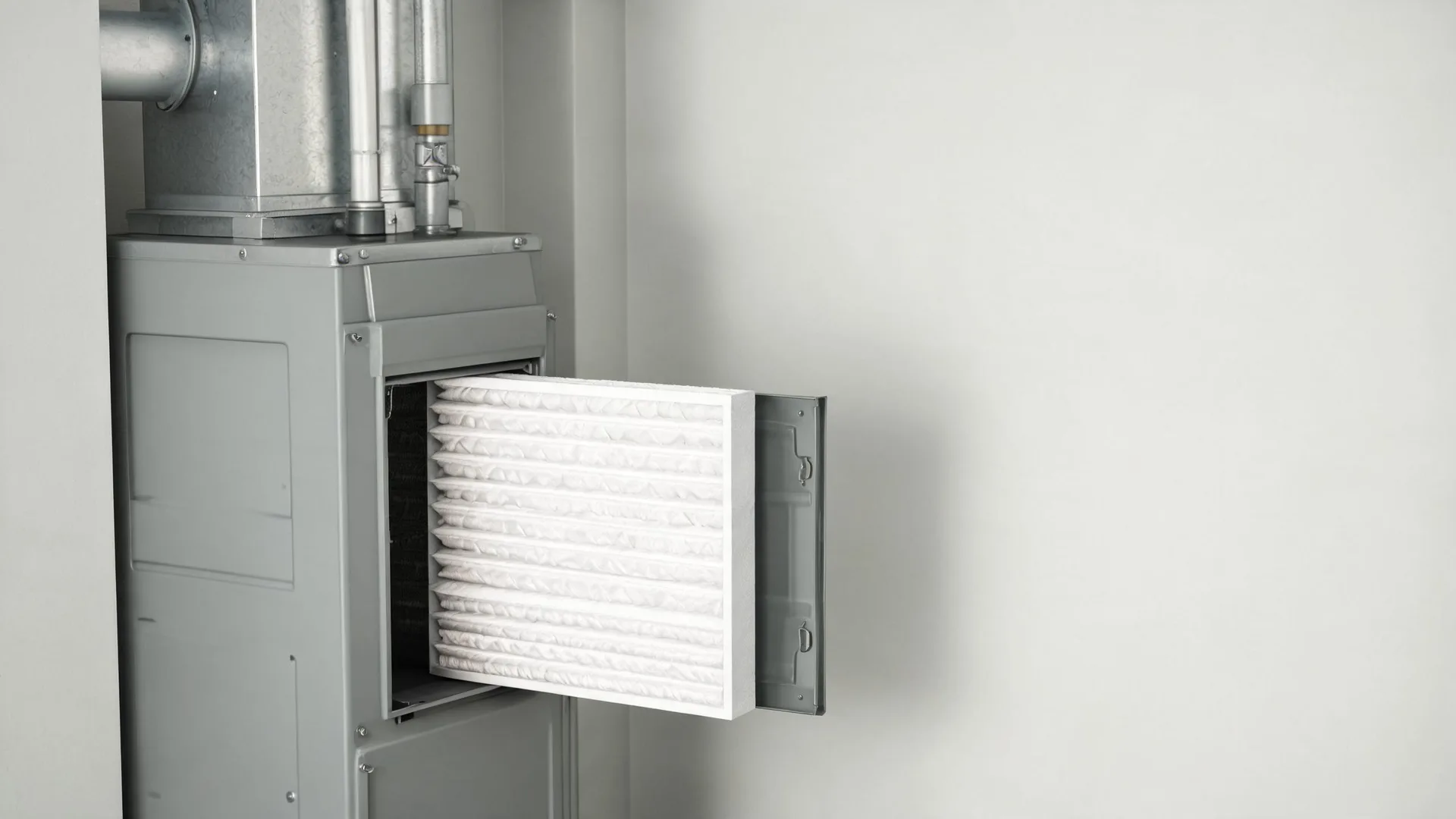
Between tune-ups, the filter is the one thing worth checking yourself. A dirty filter chokes airflow, and a furnace starved for air runs hotter than it should and works harder to push heat through the house. Look at it in good light. If you can't see through it, swap it. Keep the area around the furnace clear too. Boxes or laundry piled against it block the return air it needs to breathe. Listen for anything new: a rattle, a squeal, a bang when it kicks on. Those sounds mean something shifted or wore loose, and they're worth mentioning at the next tune-up even if the furnace still seems to run fine. Don't open the cabinet or touch the burner assembly yourself. That part of the job needs a trained eye and the right tools. And if the pilot or igniter won't hold a flame, stop trying to relight it over and over. A furnace that won't stay lit is telling you something's wrong, not asking for another try.
A furnace moves heat, it doesn't make water doing it, so there's no condensate line to worry about unless it's a high-efficiency model with a secondary heat exchanger. Those drain acidic condensate out through a small tube, and that tube clogs with algae or sediment over time. A clogged line can trip a safety switch and shut the furnace down cold. The filter and the burner are where the real wear shows up.
Airflow is what keeps a furnace's heat exchanger from overheating. A filter packed with dust and pet hair chokes that airflow, and the furnace responds by running its blower harder and its burner longer to push the same heat through the house. Over time that strain shortens the life of the blower motor and can crack a heat exchanger that's already stressed. Checking the filter is the cheapest insurance a furnace gets.
A tune-up looks at parts a homeowner never sees running. The flame sensor sits right in the burner path, and a thin coating of oxidation on it is enough to make the furnace shut off a few seconds after it starts, long before the metal looks dirty to the eye. The heat exchanger gets checked for hairline cracks that don't show smoke or smell right away but let exhaust mix with the air moving through the house. Gas pressure gets tested at the valve, because a flame burning too high or too low wastes fuel either way and you'd never know just by watching it burn. The blower wheel gets pulled and checked for a buildup of dust packed into the blades, which throws it off balance and wears the motor bearing down faster than it should. None of this shows up by looking at the furnace from across the room. It shows up when someone takes the panel off and checks it by hand.
A furnace that sits idle wastes nothing. One that runs hard and dirty does, every time it fires. Gas in Idaho ran $8.25 per million Btu in 2024, so a longer burn to reach the same temperature is not free. A worn igniter or a weak flame sensor makes the furnace take longer each cycle to satisfy the thermostat, and that extra time burns extra gas for the same heat in the house. A tune-up catches that drag while it is still small, before a season of paying for it.