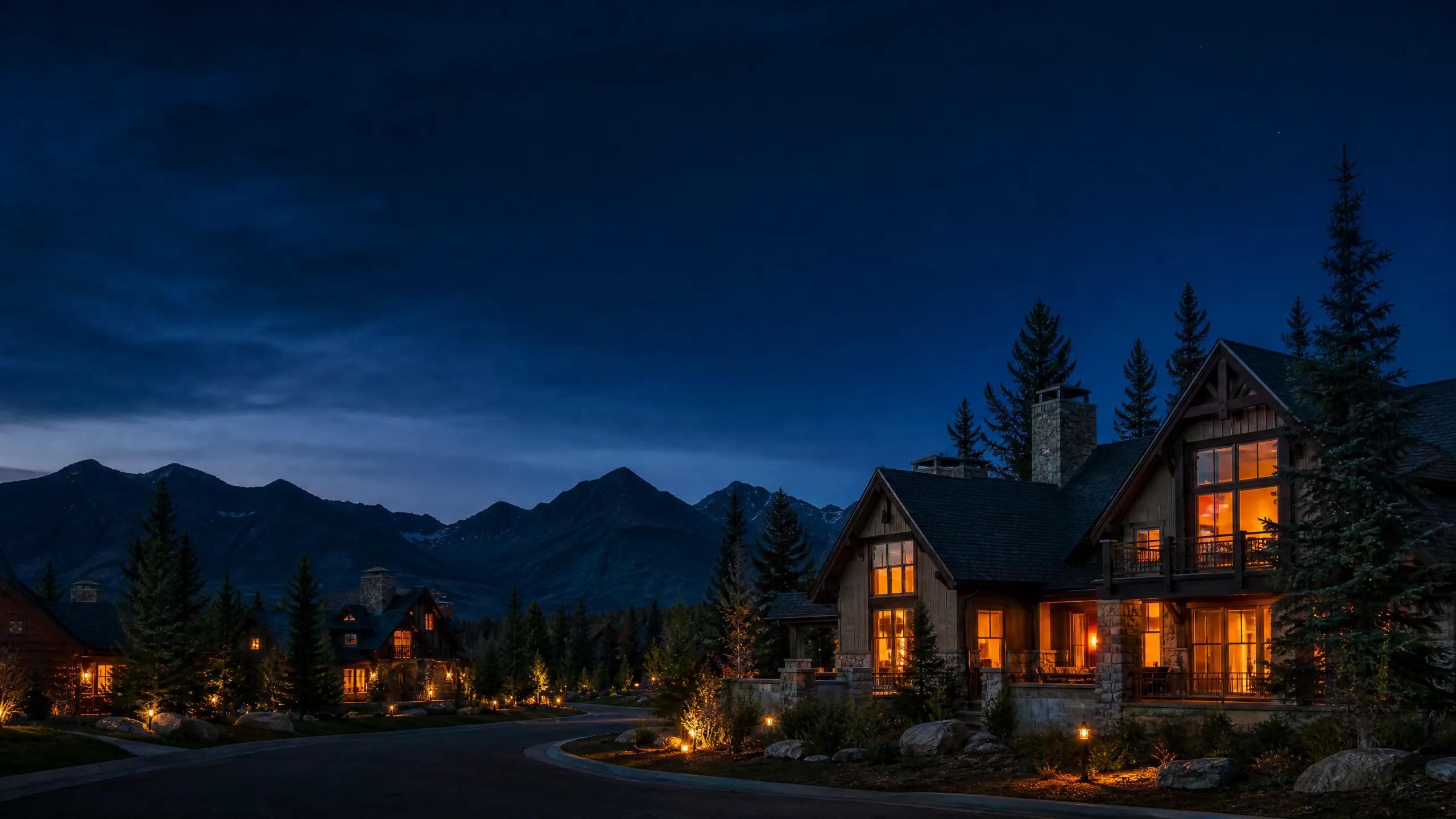


A lit mountain lodge-style home at night with evergreen trees, stone accents, and snow-capped mountains in the background.

Furnace Maintenance in Blackfoot, ID

Tell us about the job

Takes about a minute. No obligation.

Tune-up, service, or cleaningFurnace or heatingBingham County, ID
Step 1 of 2

What ZIP code is the job in?

Furnaces in Bingham County run from September through June. That's most of the year, not a stretch most places ask of their equipment. Winter storms hit this county 134 times in the last ten years, heavy snow and ice included, and every one of those days the furnace is running long hours to keep up. All that runtime adds wear to the igniter, the blower motor, the heat exchanger. In a county like this, that wear shows up early, sometimes before the hardest part of winter even arrives.

Winter storms have hit Bingham County 134 times in the last ten years.

That kind of weather batters the furnace flue and anything sitting outside the house, so a check before winter catches what the storms already started.

Ten months of heat starts in September. Have it checked in August.

Heat runs September through June
Winter nights average 16°F
134 winter storms from 2015 to 2024
Gas heat needs more than a filter changeNearly half the homes in Bingham County heat with gas, more than any other fuel.

A quick tune-up and a thorough one can look the same from the kitchen table. The furnace gets shut off, opened up, closed back up, and the technician leaves. What tells them apart is what happened in between. A thorough visit includes combustion analysis, checking the mix of gases coming off the burner, not just a glance at the flame color. It includes pulling the blower wheel to clean it, not just swapping the filter. It includes checking the temperature rise across the heat exchanger against the furnace's rating plate, since a number outside that range points to a problem even when everything looks fine. A quick visit skips straight to reassembly because those checks take time and most of them never show up as something a homeowner would notice missing. Ask what was tested, not just what was cleaned. A technician who did the real version can tell you the numbers they found.

Get the wear checked before the ten-month run starts

A furnace that runs this many months a year shows wear before anything actually fails. Have it checked before September starts the run, so a worn part gets fixed on a schedule instead of in the middle of a storm.

Find a contractor
A man in a dark shirt, tan pants and a cap carries a canvas tool bag up wooden porch steps toward a blue front door, with a potted shrub beside the entry.
A gas furnace with attached ductwork, gas piping, and condensate lines installed in a concrete-block basement.

The furnace tells you before it fails

A furnace gives warning before it quits. The burner flame should burn steady and blue. If it's flickering yellow or orange, something is off with the combustion and that's worth a look regardless of anything else. Short cycling, where the furnace fires up, runs a few minutes, then shuts off before the house warms, usually points to a dirty flame sensor or a clogged filter choking airflow. A blower that runs constantly, or one that won't shut off even after the house is warm, often means a failing limit switch. Listen for sounds that weren't there before: a screech from the blower motor bearings, a bang when the burners ignite, a rattle from the cabinet. Any of those is the furnace telling you a part is wearing out before it fails outright. Short cycling and strange sounds don't go away on their own. They get worse, and they tend to take other parts down with them when they finally do.

Dirt and neglect raise the cost of running the furnace

A furnace with a dirty flame sensor or a clogged filter still heats the house, but it works harder to do it. The blower runs longer to push the same amount of air through a dirty filter. Dust on the burners changes how clean the gas burns. None of that stops the furnace from running, it just makes every hour of that run less efficient than it should be.

What a tune-up actually checks

A technician cleans the flame sensor, checks the burner flame, tests the limit switch and the ignition system, and inspects the heat exchanger for cracks. A cracked heat exchanger can let exhaust gas mix with the air the blower pushes into the house, and it is not something a homeowner can see without taking the furnace apart. That inspection is the main reason a skipped tune-up is a real risk and not just a missed chore.

A technician opens the cabinet and sees parts a homeowner never will. Amp draw on the blower motor tells whether the bearings are starting to go, long before that motor screeches. Flame sensor readings tell whether it's cleaning the signal right or just barely holding on. The heat exchanger gets inspected with a light and a mirror, since a crack in it can hide on the side you can't see from the front. Static pressure in the ductwork shows whether the furnace is breathing the way it should, or straining against a restriction nobody would otherwise notice. None of this shows up as a symptom yet. That's the point of catching it now instead of waiting for it to.

A tune-up follows a set order because each check depends on the one before it. The technician shuts off gas and power first, then pulls the burner assembly to clean it and look at the ignition components up close. The filter gets checked or replaced so the blower isn't fighting a restriction during the rest of the test. Gas pressure gets measured at the manifold, since too high or too low changes how the burners fire. Once the furnace is reassembled, it gets run through a full cycle, startup, heating, shutdown, so the technician can watch the flame and listen to the cycle rather than just look at parts sitting still. Every step feeds the next one. Skip the cleaning and the pressure reading comes back wrong. Skip the running cycle and a limit switch that's about to fail never shows itself.