




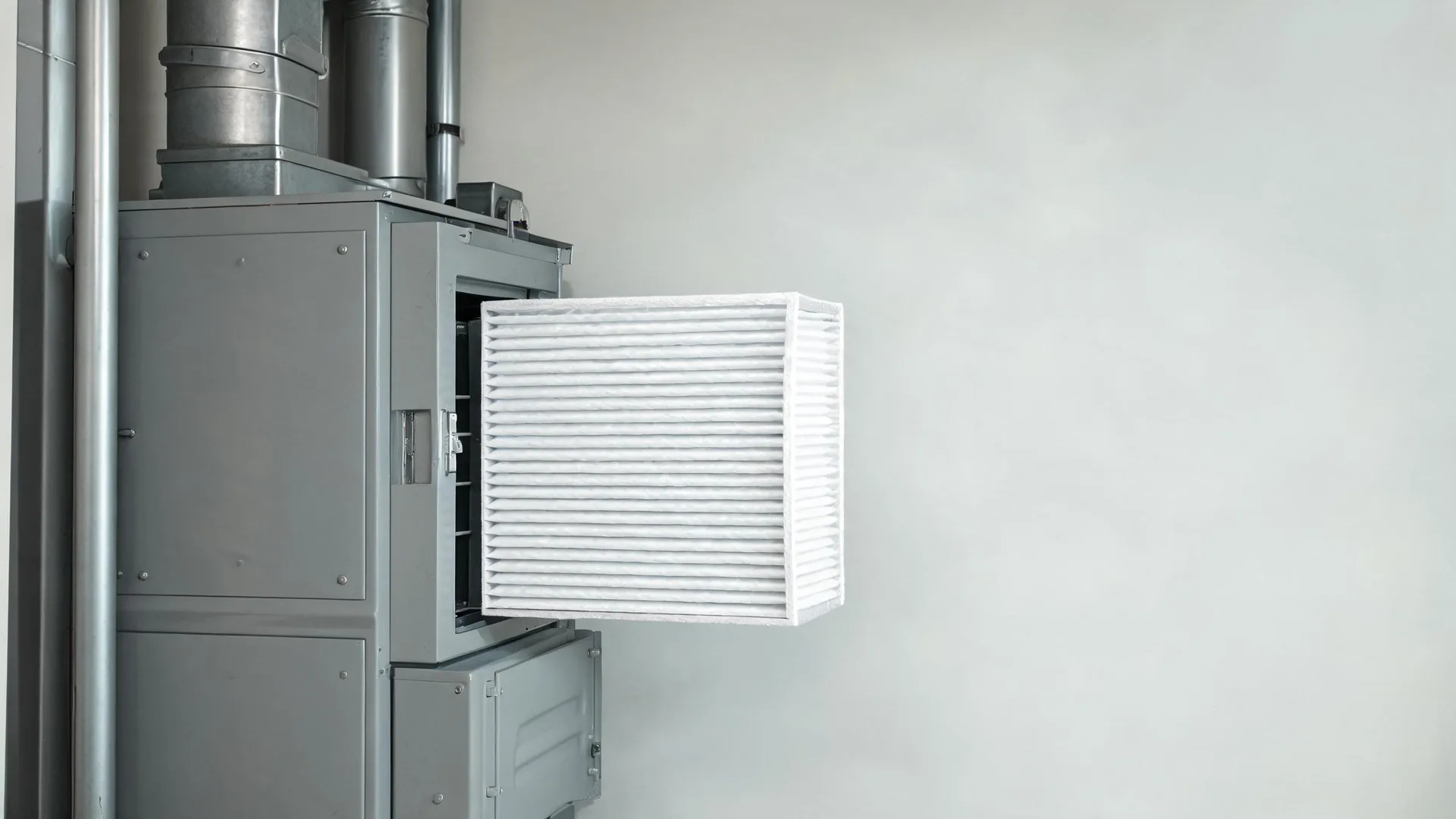
A gas furnace and sheet-metal air handler unit installed in an unfinished concrete basement.

Furnace Maintenance in Grangeville, ID

Tell us about the job

Takes about a minute. No obligation.

Tune-up, service, or cleaningFurnace or heatingIdaho County, ID
Step 1 of 2

What ZIP code is the job in?

Most homes around Grangeville heat with electricity, and Idaho homes paid $33.76 per million Btu of it in 2024. A furnace that's skipping maintenance works harder to put out the same heat, and every bit of that extra work shows up on the meter. A dirty filter or a flame sensor that's starting to fail doesn't stop the furnace from running, it just makes the furnace run longer to keep the house warm. Over a winter here, that difference adds up. A tune-up catches the small problems before they turn into that kind of waste.

Electric furnaces heat 42% of homes in Idaho County.

Gas and oil still heat the rest, and those need a burner and venting check that electric furnaces don't.

Ten months of heat a year wears a furnace down fast

Heat runs September through June
Winter nights average 18°F
66 winter storms from 2015 to 2024

September through June, that's ten months a year this furnace is running. August is the only month it sits idle, which makes it the month to get the check done. Wait until September and the furnace is already working through cold mornings before anyone's looked at it. Overnight lows here average 18 degrees in the dead of winter, and that's when a weak igniter or a clogged filter costs the most to ignore. A tune-up in August catches that before the furnace has to prove itself under load.

A tune-up is what keeps the extra cost off the meter

A furnace working harder than it needs to runs longer, and every extra hour it runs gets billed at $33.76 per million Btu. A tune-up is what keeps that furnace from running longer than it has to.

Find a contractor
A gray residential gas furnace installed in an unfinished basement, surrounded by ductwork, a metal flue pipe, and a gas supply line.

Ten months of runtime means less room to wait on a check

Ten months of running pulls on a furnace more than a short winter ever would. Get the check done before the season starts, not after it's already carrying the house through cold mornings. Idaho County has seen 66 winter storms between 2015 and 2024, and a furnace has to keep up when one hits. A worn igniter or a failing flame sensor found on a bench beats one found partway through a storm.

A real tune-up opens the furnace up

A thorough check means the cover panels come off. The tech pulls the burner assembly or the heating elements and looks at them, checks the flame sensor for corrosion or cleans the coils if it's electric, tests the igniter under load instead of just eyeballing it, and checks amp draw on the blower motor. A quick visit means someone glances at the filter, listens to it run for a minute, and writes up the invoice.
What that difference means for your furnace

A furnace with a dirty flame sensor or a blower motor pulling too many amps will still run fine the day of the visit. It won't show up as a problem until a cold morning weeks later when it fails to light or the motor finally gives out. A tune-up that only checks whether the furnace turns on misses exactly the parts that cause that kind of failure.

A furnace moves air, and everything in its path affects how hard it works. A dirty filter chokes that airflow, so the blower spins longer to push the same amount of heat through the house. On an electric furnace, the heating elements sit right in that airstream, and when airflow drops they run hotter than they should, which shortens their life. If the furnace has a cooling coil for summer use, that coil needs to stay clean too, since a coil caked with dust blocks air the same way a dirty filter does. Some furnaces have a drain line for condensation, and if that line clogs, water backs up and can trip a safety switch that shuts the whole system down. None of this announces itself. The furnace keeps running, just worse, until something finally gives out.

A tune-up starts with the parts that wear out quietly. The igniter gets tested under power, not just looked at, because an igniter can glow and still fail to hold once it's carrying the load of a real ignition cycle. The flame sensor gets cleaned or replaced if it's coated with corrosion, since a weak signal there is one of the most common reasons a furnace shuts itself down mid-cycle. Belts, if the blower has any, get checked for cracking or slack. The blower wheel gets looked at for dust buildup, because a wheel caked with dust moves less air even when the motor is running fine. Every electrical connection gets tightened, since a loose connection anywhere in the control circuit can cause a furnace to behave erratically long before it fails outright.