Electricity here isn't cheap to waste
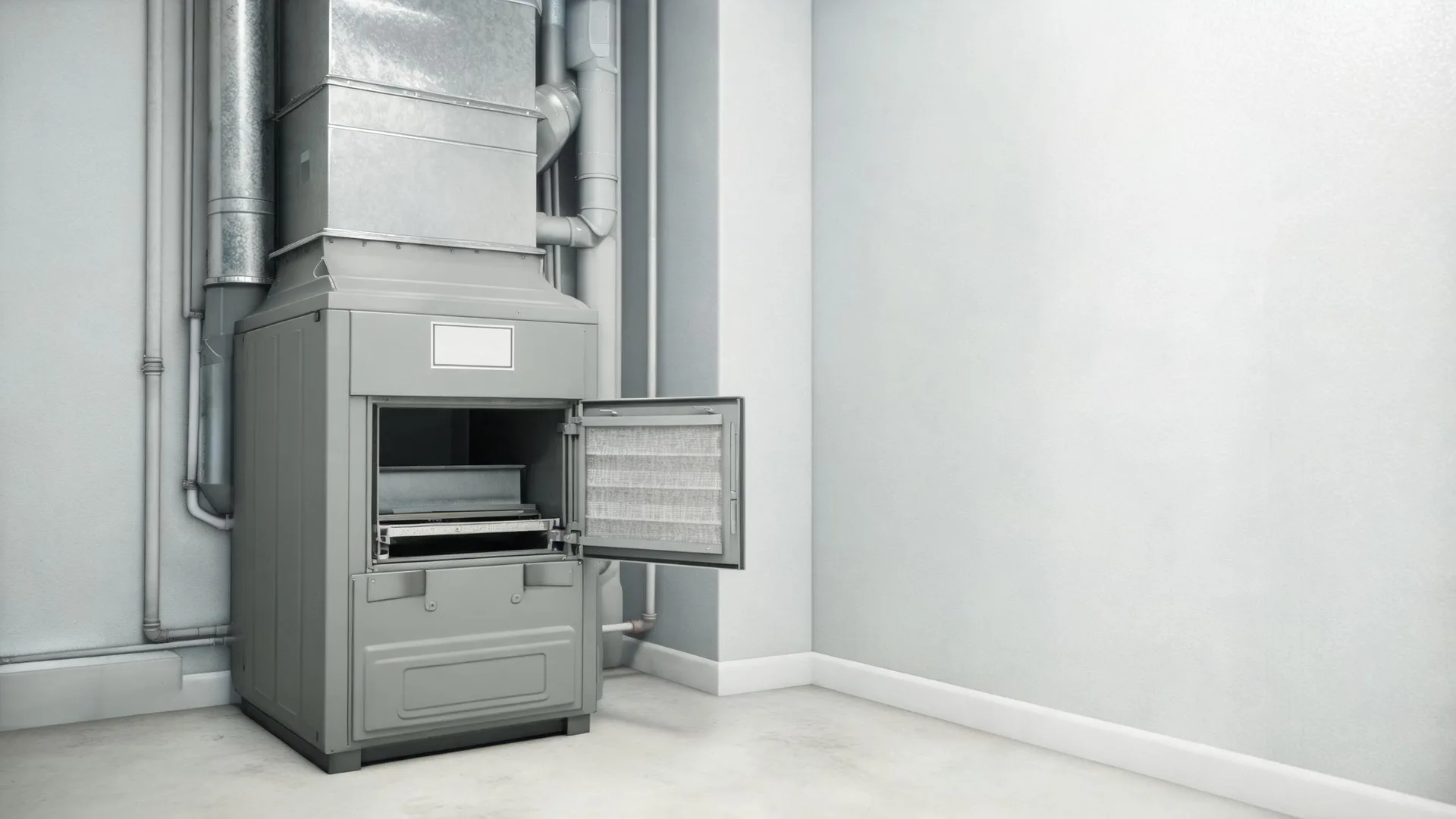
Idaho homes paid $33.76 per million Btu of electricity in 2024. Most furnaces around Burley run on electric heat, so every bit a worn furnace wastes gets billed at that rate all winter long.
Takes about a minute. No obligation.
Idaho homes paid $33.76 per million Btu of electricity in 2024. Most furnaces around Burley run on electric heat, so every bit a worn furnace wastes gets billed at that rate all winter long.
A clogged filter, a dirty blower wheel, or worn parts make the furnace work harder to push out the same heat. That extra runtime shows up on the power bill before it shows up as a breakdown.
Furnaces around Burley start running in September.
Book the tune-up in August, before the furnace has to work.

Get a furnace looked at before September, when it has to start proving itself. A tune-up catches a cracked heat exchanger, a weak capacitor, or a blower wheel caked with dust while there's still time to order a part if one is needed. Wait for the first cold snap and the call comes after the furnace has already failed, with a house to heat and no slack in the schedule. Cassia County saw 55 winter storms between 2015 and 2024. When one of those hits, a furnace that was checked ahead of time just runs. One that wasn't is a different conversation.
A tune-up gets the filter, the blower wheel, and the worn parts sorted before the furnace runs all winter on electric rates. That's the runtime a clean, checked furnace doesn't waste.
Find a contractorBetween visits, the filter is the one thing worth checking yourself. Pull it and hold it up to a light. If you can't see light through it, swap it. A dirty filter chokes airflow, and a furnace starved for air runs longer and gets hotter than it should. Keep the area around the furnace clear too. It needs room to pull in air, and anything stacked against it or blocking a vent makes that harder. Watch the color of the flame if you have a gas furnace and can see it. It should burn steady and blue. A flame that flickers yellow or orange needs a technician, not a homeowner fix. Listen for new sounds. A rattle, a squeal, a bang on startup, these are the furnace telling you something changed since the last time it ran. Don't ignore the thermostat either. If the house won't hold a temperature or the furnace runs in long odd stretches, that's worth a call before it gets worse. None of this replaces the tune-up. It just keeps the furnace from being neglected in between.
A gas furnace can burn with a steady blue flame and still have a cracked heat exchanger behind it. That crack doesn't show from the front. A technician checks it with a mirror or a camera, because once it lets exhaust mix into the air the furnace pushes through the house, that's not something you catch by looking at the burner.
An igniter doesn't usually go from working to dead. It weakens first, glowing duller or cracking hairline thin, and still lights the furnace most of the time right up until the morning it doesn't. A tune-up checks its resistance and its condition, not just whether it lit on the last call.
A furnace has fewer wet parts than the air conditioner, but the ones it shares still matter. The filter sits in the return before air ever reaches the blower, and a clogged one makes the blower spin longer to push the same air through the house. If the furnace is part of a system that shares a coil with the air conditioner, that coil can collect dust too, and dust on a coil acts like a blanket, holding heat where it shouldn't. A furnace doesn't have a condensate drain the way a cooling coil does, but a high-efficiency furnace does, and that line can clog with the same slime an air conditioner's drain gets. A clogged drain on a high-efficiency furnace trips a safety switch and shuts the whole thing down rather than let water back up into the cabinet. None of these parts fail loudly. They just make the furnace work harder until something else gives out first.
A tune-up is a specific list, not a glance inside the cabinet. The technician pulls the burners and cleans them, because a burner coated in dust or rust burns uneven and throws off carbon monoxide instead of heat. The heat exchanger gets inspected for cracks, since that's the part separating the flame from the air going into the house. The blower wheel gets checked and cleaned if it's caked, because a dirty wheel moves less air for the same effort. Electrical connections get tightened, since a loose connection arcs and burns before it ever trips a breaker. The flue gets checked too, to make sure exhaust is actually leaving the house instead of backing up. Each of these is a point where a furnace quietly loses efficiency or quietly becomes dangerous, and neither one announces itself before the tune-up finds it.