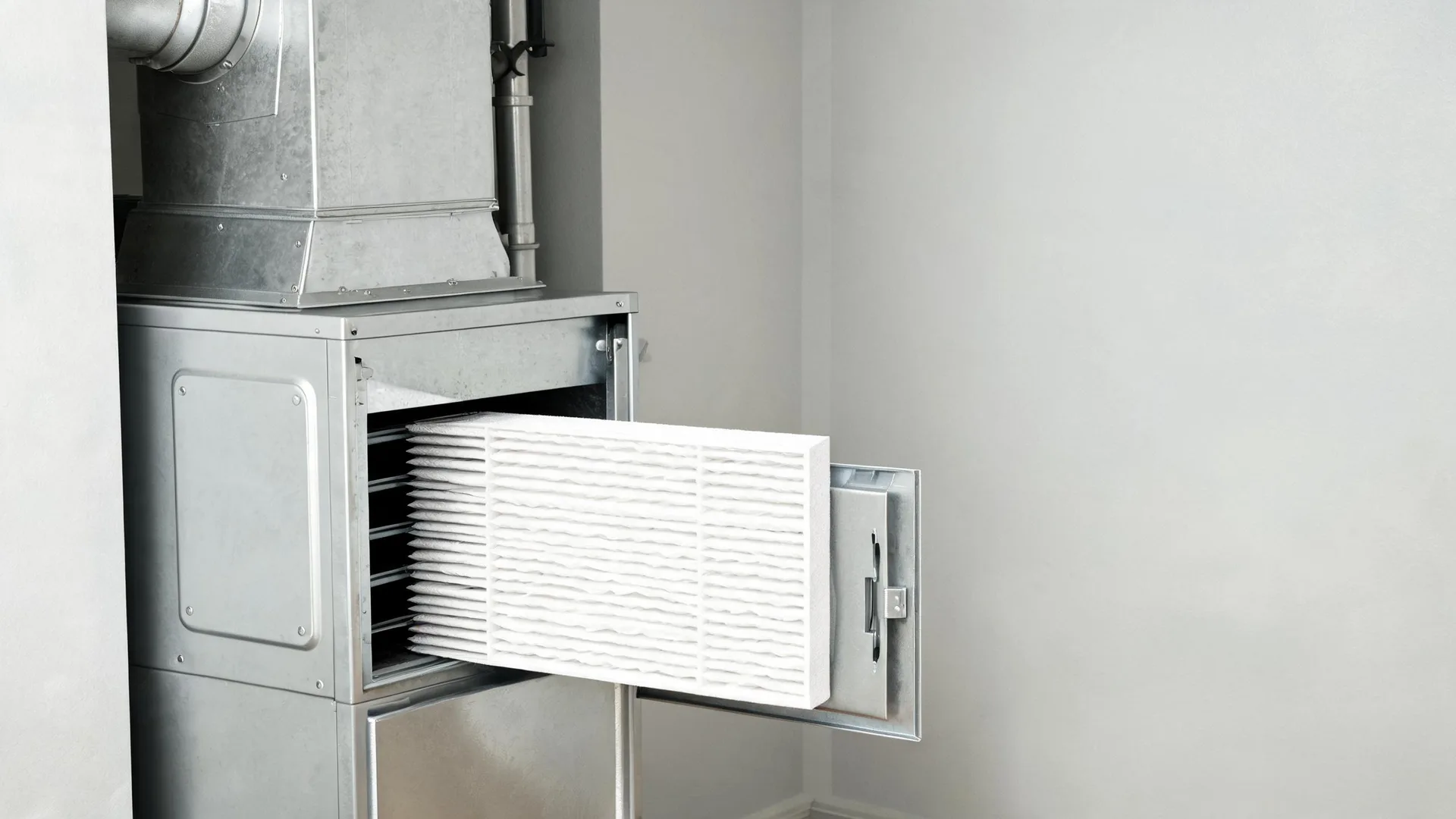
Gas here isn't cheap
Idaho homes paid $8.25 per million Btu for natural gas in 2024. A furnace that's been skipped on maintenance burns more gas to put out the same heat, and that shows up on the meter all winter.
Takes about a minute. No obligation.
Idaho homes paid $8.25 per million Btu for natural gas in 2024. A furnace that's been skipped on maintenance burns more gas to put out the same heat, and that shows up on the meter all winter.
A furnace running clean lights faster, holds its burn steady, and doesn't waste gas getting your house to temperature. For a system that runs hard through a Rexburg winter, that difference adds up.
Furnaces in Madison County start running in September and keep going through June.
Get the tune-up done in August, before the first cold morning asks anything of it.




Half the homes in Madison County were built in 2002 or later. If yours is one of them, the furnace inside it is probably not old enough to be failing on its own. What wears a furnace down early is neglect, not age. Dust on the burner, a flame sensor coated with residue, a clogged filter making the blower work harder than it should. A yearly check catches those things while the furnace is still young enough that catching them matters. Skip it for a few winters and you're not just risking a bigger gas bill, you're spending down the working life of a system that had a lot more years left in it.
A tune-up gets the burner lighting clean and burning steady before the furnace has to run every day. Book it now and it goes into the winter already running the way it should, instead of burning extra gas to make up for it.
Find a contractor
Ten months of work a year does not leave much time to idle. A furnace that is already due for a check gets found out fast once it is running every day instead of a few. Have it looked at before the season starts, not after a cold morning tells you something is off.
A furnace can run and still be burning dirty. A tech pulls the burner and looks at the flame. It should be steady and mostly blue. Yellow, flickering, or uneven flame means something isn't burning clean, and that furnace is working harder to heat the same air. None of that shows up by listening to it run.
A flame sensor tells the furnace the burner actually lit, and if it's coated with residue it reads that signal late or not at all. The furnace shuts itself down to be safe, sometimes mid-cycle, sometimes before it starts. A homeowner just sees a furnace that won't stay on. Cleaning that sensor is a two-minute job that looks like nothing until it's the reason the furnace keeps quitting.
Skip a few years of maintenance and nothing happens right away. That's what makes it easy to put off. Dust builds on the burner a little at a time, the flame sensor picks up a thin coat of residue, the filter loads up and the blower pulls harder to push air through it. None of that stops the furnace from running. It just makes the furnace work harder to do the same job, cycle after cycle, all winter. Eventually something gives. Usually it's the flame sensor losing the signal and shutting the burner down, or an igniter that's been overworked finally failing. By then the furnace has spent a season or two burning more gas than it needed to, and the parts that failed were parts a yearly check would have caught clean.
If your furnace was put in when the house was built, a yearly check is mostly about keeping it that way. A tech cleans the burner, checks the flame sensor, swaps the filter, and tests the igniter while everything is still in good shape. That's a quick visit, not a repair call. It's also the visit that tells you honestly if something's starting to wear before it costs you a winter of higher gas bills. Mobile homes make up a small share of the housing here, and those furnaces are worth the same yearly look. New doesn't mean maintenance-free, it means maintenance actually pays off.