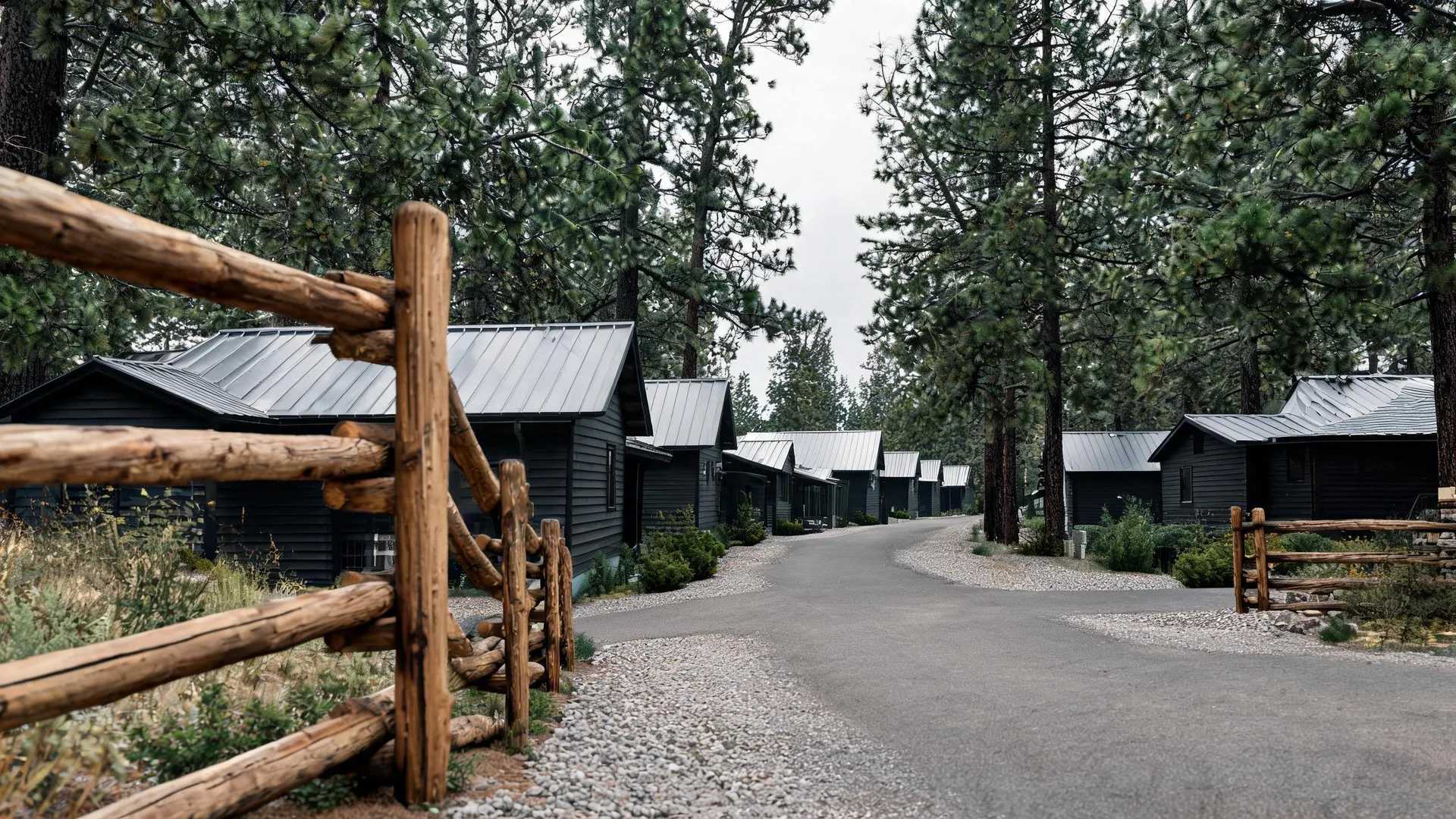
A paved lane lined with gravel shoulders passes a row of dark-sided cabins with metal gable roofs, bordered by a peeled-log fence in the foreground and tall pine trees under an overcast sky.

Furnace Maintenance in Hailey, ID

Tell us about the job

Takes about a minute. No obligation.

Tune-up, service, or cleaningFurnace or heatingBlaine County, ID
Step 1 of 2

What ZIP code is the job in?

Ten months of heat a year

A furnace in Blaine County runs from September through June. That is most of the calendar, not a few cold weeks. Parts that cycle on and off for ten months wear down faster than they would somewhere that only needs heat half the year.
142 storms between 2015 and 2024

Blaine County saw 142 winter storms, blizzards and ice events over those ten years. Each one means the furnace is running flat out while the power grid and roads are both under strain. A furnace that is already worn has less to give on the night it matters most.

A furnace built in 1987 or later still has working years ahead of it.

A yearly check is what gets you those years instead of a breakdown partway through.

Heat starts in September here, so get it looked at in August

Heat runs September through June
Climate zone 6B
Winter nights average 14°F
Get it checked before the season startsHeat runs most of the year here. A tune-up before September catches worn parts while they're still cheap to fix.

A yearly check on a newer furnace is mostly about keeping it that way. The technician cleans the burner, checks the ignition, and makes sure the system is drawing the right amount of gas and air. None of that fixes a crisis. It catches the small drift that happens over a season of running, before it turns into a worn part or a shutdown. If your furnace was built in 1987 or later, it has plenty of life left in it. What determines how much of that life you get is whether it's been looked at every year or left to run on its own.

Check it before the season

It works hard here, so worn parts show up fast once the season starts. Get it checked before then.

Find a contractor
A gray high-efficiency gas furnace installed in an unfinished basement, surrounded by gas lines, a condensate drain, and sheet-metal ductwork.

What a real tune-up actually covers

A quick visit gets you a filter swap and a glance at the flame through the sight glass. That is about it. A thorough one has the panels off. The technician pulls the burners and cleans them, checks the flame sensor and cleans it if it is coated, and looks at the igniter for cracks or weak spots. They check the heat exchanger for cracks, because a cracked exchanger can let exhaust mix into the air moving through your house. They test the gas pressure at the manifold and check the temperature rise across the furnace to confirm it matches what the unit is built for. They check the blower motor and wheel, look at the wiring and connections, and test the safety switches that shut the furnace down if something goes wrong. A tune-up that skips the panels and the exchanger is a filter change with extra steps.

Dirt works slowly, then all at once

A furnace that never gets cleaned builds up dirt and dust on the burners and the blower wheel a little at a time. For a while nothing changes. Then the burners start firing unevenly, the blower moves less air than it should, and the furnace runs longer to make the same heat. The parts don't fail that day. They've just been working harder for months before anyone notices.

The safety switches are the real cost

Every furnace has switches built to shut it down before a small fault turns into a dangerous one, a cracked heat exchanger, a failing flame sensor, a blocked flue. Those switches only do their job if someone checks them while the furnace is apart. Skip that, and the first sign of trouble might be the furnace shutting itself off on the coldest night of the year, with no one there to tell you why.

Between visits, the main thing worth your attention is the filter. A dirty filter chokes airflow, and the furnace runs longer and hotter to make up for it. Check it monthly and swap it when it looks gray instead of white. Keep furniture and boxes away from the return vent and the supply vents, since blocking them makes the system work against itself the same way a clogged filter does. Look at the area around the furnace itself and keep anything flammable well clear. If you ever smell gas, see soot near the burner, or notice the flame burning yellow instead of blue, that is not a wait-and-see situation. Those are signs for a technician, not something to take apart yourself.

A tune-up is also when the technician checks how the furnace talks to the rest of the house. The thermostat calibration gets tested, so the temperature it reads is the temperature in the room, not something a few degrees off. The ductwork gets a look where it is accessible, since a disconnected or crushed section can rob a furnace of airflow no matter how clean the burners are. The condensate line, if the furnace has one, gets checked for clogs or algae, because a blocked line can shut a high efficiency furnace down on its own. None of these are the dramatic parts of the job. They are the reason a furnace that is otherwise sound still won't heat evenly, or won't run at all, until someone looks.