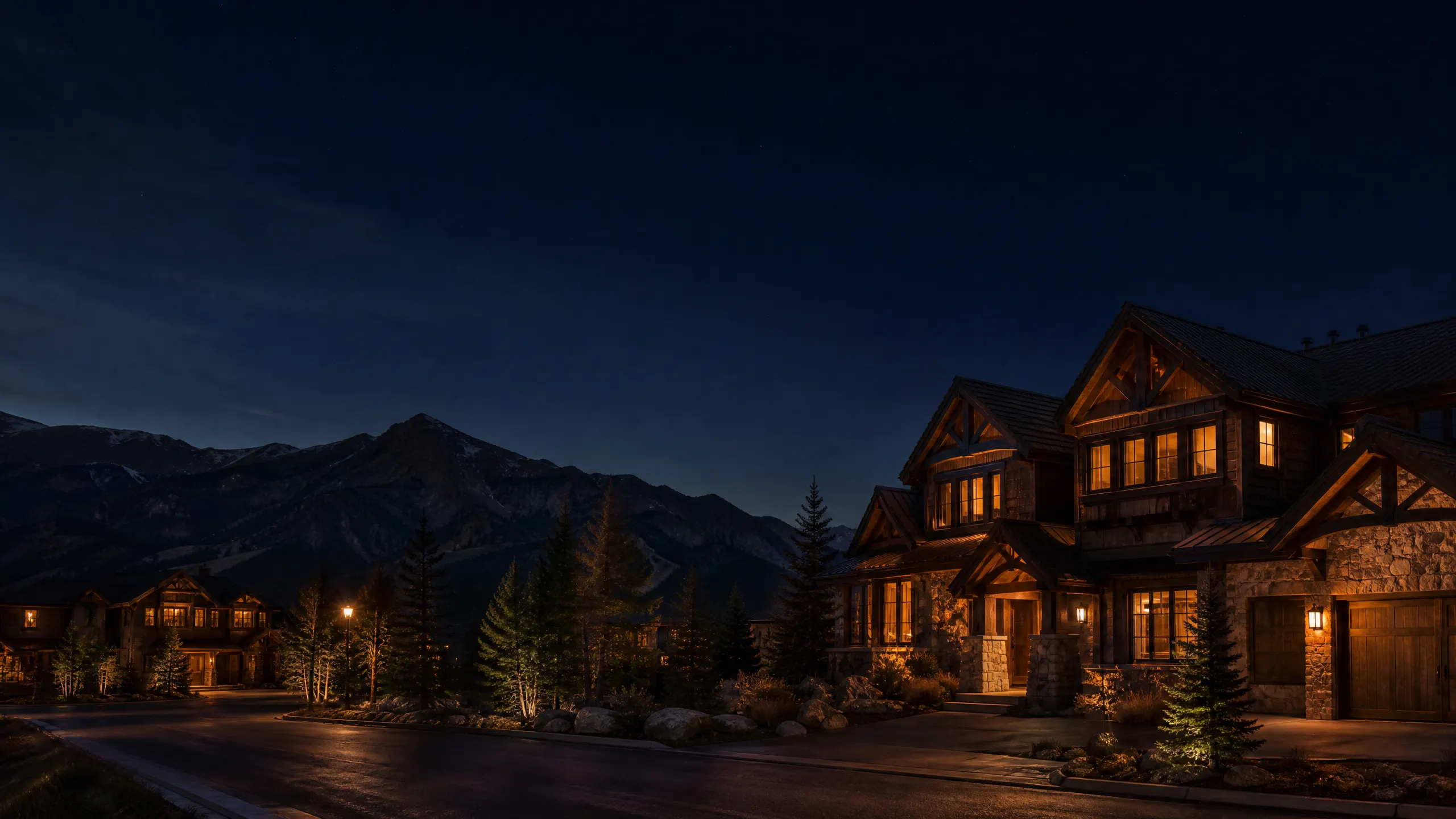



A multi-story timber-frame and stone house glows with warm interior and exterior lighting on a dark residential street, with mountain peaks and pine trees visible in the background.

Furnace Maintenance in Emmett, ID

Tell us about the job

Takes about a minute. No obligation.

Tune-up, service, or cleaningFurnace or heatingGem County, ID
Step 1 of 2

What ZIP code is the job in?

A furnace that's skipped its tune-up works harder to push out the same heat, and that shows up on the power bill fast. Idaho electricity ran $33.76 per million Btu in 2024, one of the costs that doesn't forgive a dirty filter or a worn igniter. A furnace burning fuel inefficiently still pulls electricity to run its blower and controls, and a neglected system draws on that power longer to do the same job. Over a full winter of runtime in Emmett, that difference adds up on every bill, not just one.

Furnaces in Gem County start working in October and keep going through May.

Get yours checked in September, before it has to carry the full load.

Most of Gem County heats with gas, propane, or oil furnaces

46.5% of homes heat with electricity
Heat runs October through May
Winter nights average 23°F
Emmett's homes are young for IdahoHalf of Gem County's homes were built in 1983 or later.

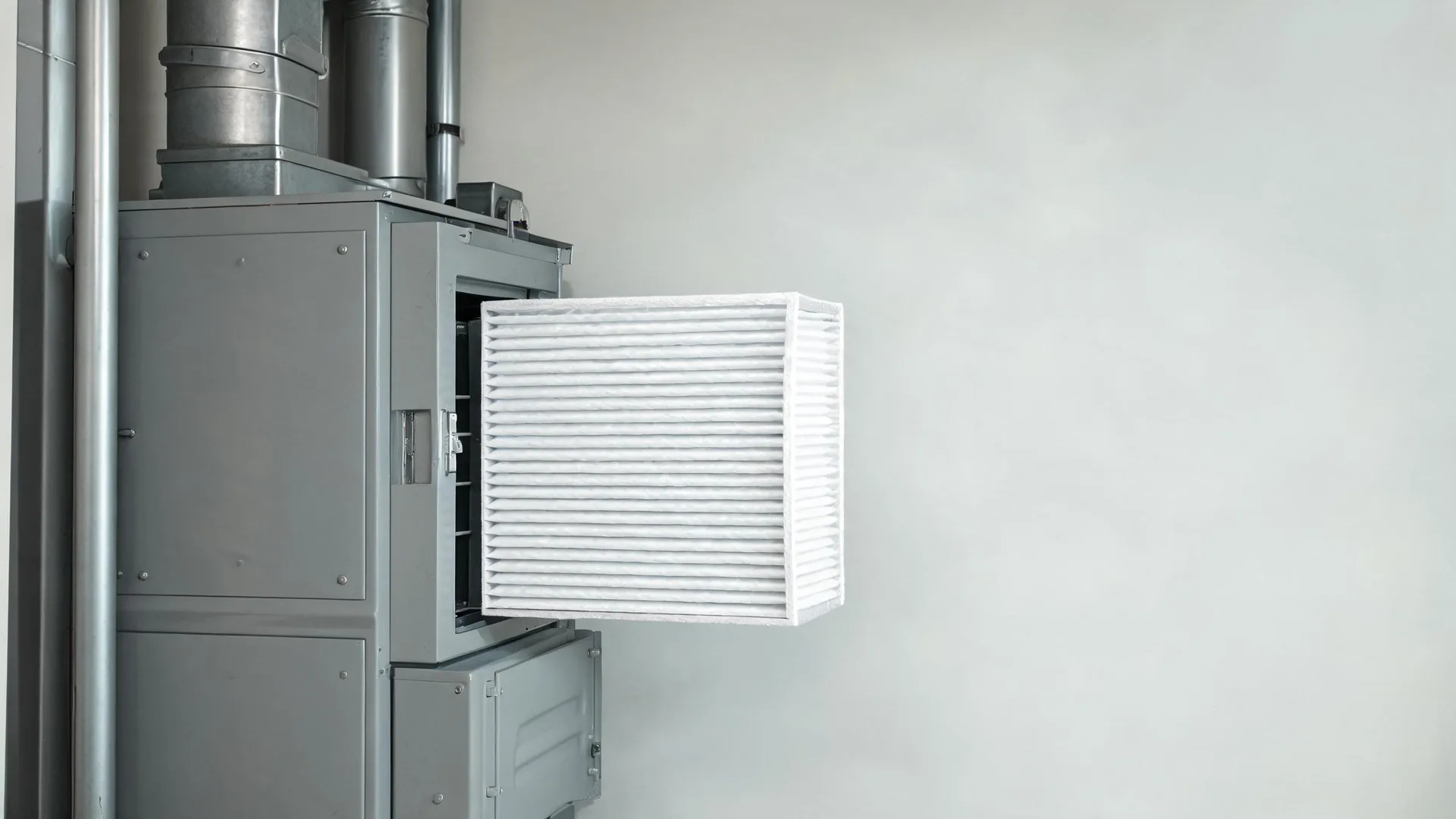
A furnace filter has one job. It keeps dust and lint out of the blower and off the heat exchanger. Let it clog and the blower has to pull harder to move the same air, and some furnaces will shut themselves down when airflow drops too low. Dust that gets past the filter settles on the heat exchanger and acts like a blanket, holding heat in instead of letting it pass into the air moving through. On a high-efficiency furnace, condensate from the flue gas drains out through a small tube, and that tube can clog with algae or sediment over time. When it does, the furnace senses the backup and locks out rather than let water go where it shouldn't. None of these parts fail loudly. They just make the furnace work harder, or stop it cold, until someone checks them.

A tune-up pays for itself here

A neglected system uses more power, and power costs more here. A tune-up pays for itself.

Find a contractor
A gray high-efficiency gas furnace installed in an unfinished basement, surrounded by gas lines, a condensate drain, and sheet-metal ductwork.

Eight months of heat wears parts down early

Furnaces here run from October through May, with overnight lows averaging 23°F in December, January and February. That is a long stretch of cold for any system to carry. Add in the winter storms that have hit Gem County 68 times over the past decade, and the furnace is working its hardest in exactly the weather that gives it no room to fail. A cracked igniter or a weak flame sensor that might hold on through a milder winter somewhere else tends to show itself early in a season like this one.

What a flame sensor is hiding

A flame sensor reads the burner flame and tells the control board the furnace is lit. A sensor coated with a thin film of residue still works, but it reads weak, and some furnaces will shut the burner down well before a homeowner smells gas or notices anything wrong. From the kitchen it looks like the furnace just quit. On the bench it's a sensor that needed a wipe down months ago.
What a flame tells a trained eye

A burner flame should burn steady and blue, with maybe a touch of yellow at the tip. A flame that's lifting off the burner, rolling out, or burning more yellow than blue is telling a tech something about the gas mixture or a cracked heat exchanger underneath it. A homeowner glancing at the furnace has no reason to know what a flame is supposed to look like. Someone who services these for a living reads it in a second.

A furnace usually tells on itself before it quits outright. A burner cycling on and off faster than it used to, a blower that kicks on louder than it did last year, a smell of dust burning off in the first few minutes of a cycle that doesn't clear. Short cycling is worth paying attention to. It means the furnace is starting, sensing something off, and shutting down before it finishes a normal run, and it will keep doing that until the cause gets found. A pilot or igniter that takes a few tries to catch is wearing out, not having a bad day. None of these show up on the thermostat. They show up as a sound or a smell a homeowner notices and then explains away, right up until the morning the furnace doesn't start at all.

A tune-up is the one time someone opens the furnace up instead of just listening to it run. The burner assembly comes out and gets cleaned, because soot and dust change how the flame burns even when the flame still looks fine to an untrained eye. The flame sensor gets cleaned or tested, not just glanced at. The heat exchanger gets inspected for cracks, since a cracked exchanger can leak combustion gas into the air the blower is pushing through the house. Gas pressure gets checked and set to spec, because a furnace running rich or lean wears its own parts faster and burns less cleanly either way. Belts don't come into it on a modern furnace, but the blower motor and wheel get checked for the dust buildup that throws them out of balance over a season of running. Safety controls, the limit switch, the pressure switch, the rollout switch, get tested to confirm they'll actually shut the furnace down if something goes wrong, because a safety switch that's failed quietly is worse than no safety switch at all.