Electricity here isn't cheap
Idaho homes paid $33.76 per million Btu of electricity in 2024. A furnace that's drifted out of tune pulls more power to push out the same heat, and that difference shows up on the bill every month it runs.
Takes about a minute. No obligation.
Idaho homes paid $33.76 per million Btu of electricity in 2024. A furnace that's drifted out of tune pulls more power to push out the same heat, and that difference shows up on the bill every month it runs.
Dust on the burner, a clogged filter, a weak flame sensor, all of it makes the furnace run longer to reach the temperature on your thermostat. Longer runtime at Idaho's power rates adds up fast over a winter.
Electric furnaces heat about half the homes in Jerome County, with gas furnaces heating roughly a third more.
A gas furnace needs its burner, venting and safety controls checked each year, not just a filter swap.




Nine months of heat a year, September through May, is most of the calendar. That furnace doesn't get much of a break to recover between seasons. On a night that drops to 22 degrees, it's running long stretches to keep up, and it does that over and over for most of the year. Parts that would last longer running only a few months a year wear down faster on this kind of schedule. A cracked heat exchanger, a failing igniter, a blower motor losing strength, these show up earlier here than in places where the furnace sits idle most of the year.
A yearly check gets the burner, filter and flame sensor clean before the cold sets in. That's what keeps the furnace from working harder than it has to, and at Idaho's power rates, that difference is worth catching early.
Find a contractor
A check before September catches a worn igniter or a weak blower motor while the furnace is still off for the summer. Wait and the same parts have to be found during a cold snap instead, with the furnace already running long hours to keep up through a 22 degree night.
A fast tune-up looks at the filter and checks that the furnace turns on. It doesn't open the burner compartment, test the flame sensor's signal, or check gas pressure against the manufacturer's spec. The furnace runs when the tech leaves, but nothing inside got measured.
A full tune-up pulls the burners to clean them, checks the flame sensor and igniter for wear, measures amp draw on the blower motor, and inspects the heat exchanger for cracks. It also checks static pressure in the ductwork and combustion gases at the vent. Those are the readings that show a part failing before it actually fails.
Skip the yearly check and nothing fails right away. A furnace doesn't break on a schedule, it just drifts. The flame sensor picks up a film of oxidation and starts reading the flame as weaker than it is. The igniter cracks a little more with every heat cycle. Dust builds on the burner and the flame starts burning uneven instead of clean. None of that shuts the furnace down. It just means the furnace tries harder to do the same job, cycling longer and more often to hit the temperature on the thermostat. Eventually one of those worn parts quits, usually on a cold night when the furnace is working hardest and has the least slack to give.
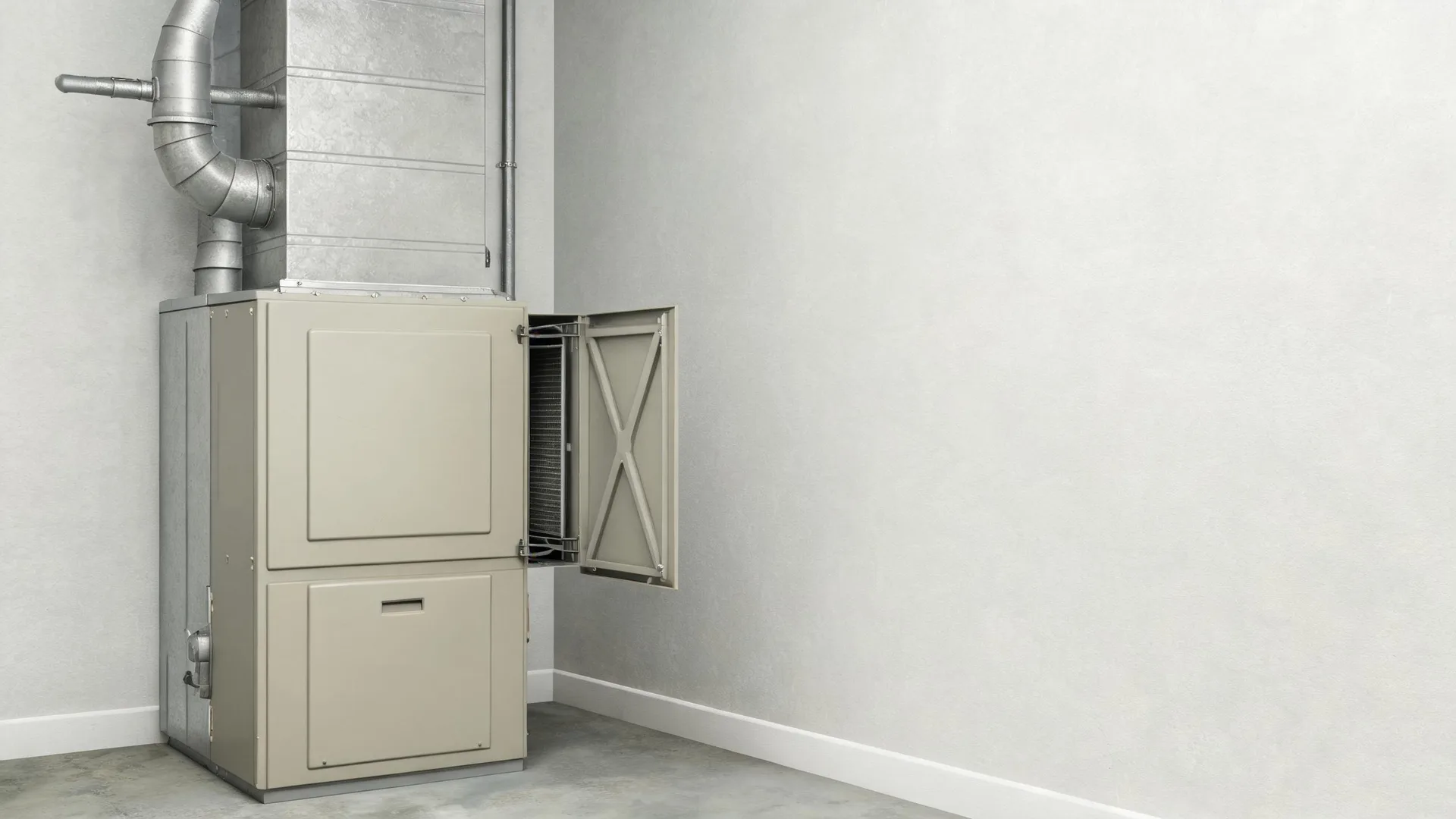
A proper tune-up starts with the burners pulled and cleaned, not just glanced at. Dust and a little rust on the burner surface changes how the flame sits, and an uneven flame heats the exchanger unevenly too. The flame sensor gets cleaned or tested for how well it reads the flame, since a sensor coated in oxidation will shut the furnace down even when everything else is fine. The igniter gets checked for hairline cracks, because that part fails by breaking, not by wearing gradually like a filter. The blower motor's amp draw gets measured against what it should pull, which catches a motor working harder than it used to before it quits outright. The heat exchanger gets inspected for cracks, since a cracked exchanger can let combustion gases mix into the air the furnace pushes through the house. Gas pressure gets checked against the manufacturer's spec, because pressure that's drifted either way affects how clean the burner fires. None of this shows up from across the room. It only shows up when someone opens the furnace and checks it with meters and a flashlight instead of a glance.