Electricity here runs $33.76 per million Btu
Idaho homes paid $33.76 per million Btu of electricity in 2024. A furnace that has to work harder to push out the same heat, because of a dirty filter or a worn part, pulls more power to do it.
Takes about a minute. No obligation.
Idaho homes paid $33.76 per million Btu of electricity in 2024. A furnace that has to work harder to push out the same heat, because of a dirty filter or a worn part, pulls more power to do it.
A technician checking the igniter, the blower and the airflow finds the drag before it costs you a season of higher bills. Catching it in the fall means the furnace runs the way it should all winter.
More than half the homes in Latah County heat with electricity.
Furnaces here are still common, and plenty of them run on gas or propane, so the burner and venting need the same yearly check as the electric half does.




A quick visit means someone swaps the filter, glances at the flame and tells you it's fine. A thorough one means they pull the burner assembly and check the flame sensor and igniter for wear, not just whether they light. They check the heat exchanger for cracks, because that's the part that can put exhaust where your air should be. They check the gas pressure, test the limit switch, and clear the condensate line if the furnace has one. They check amp draw on the blower motor and listen for bearings going bad before they seize. If the technician is in and out in a few minutes with nothing but a new filter, that's a filter change, not a tune-up. A real one takes time because there's a list to work through, not a glance to take.
Half the homes in Latah County were built in 1980 or later, so plenty of furnaces here still have a lot of working life left in them. A yearly check is what keeps one of those furnaces running the way it did when it was new, instead of quietly losing ground year after year.
Find a contractor
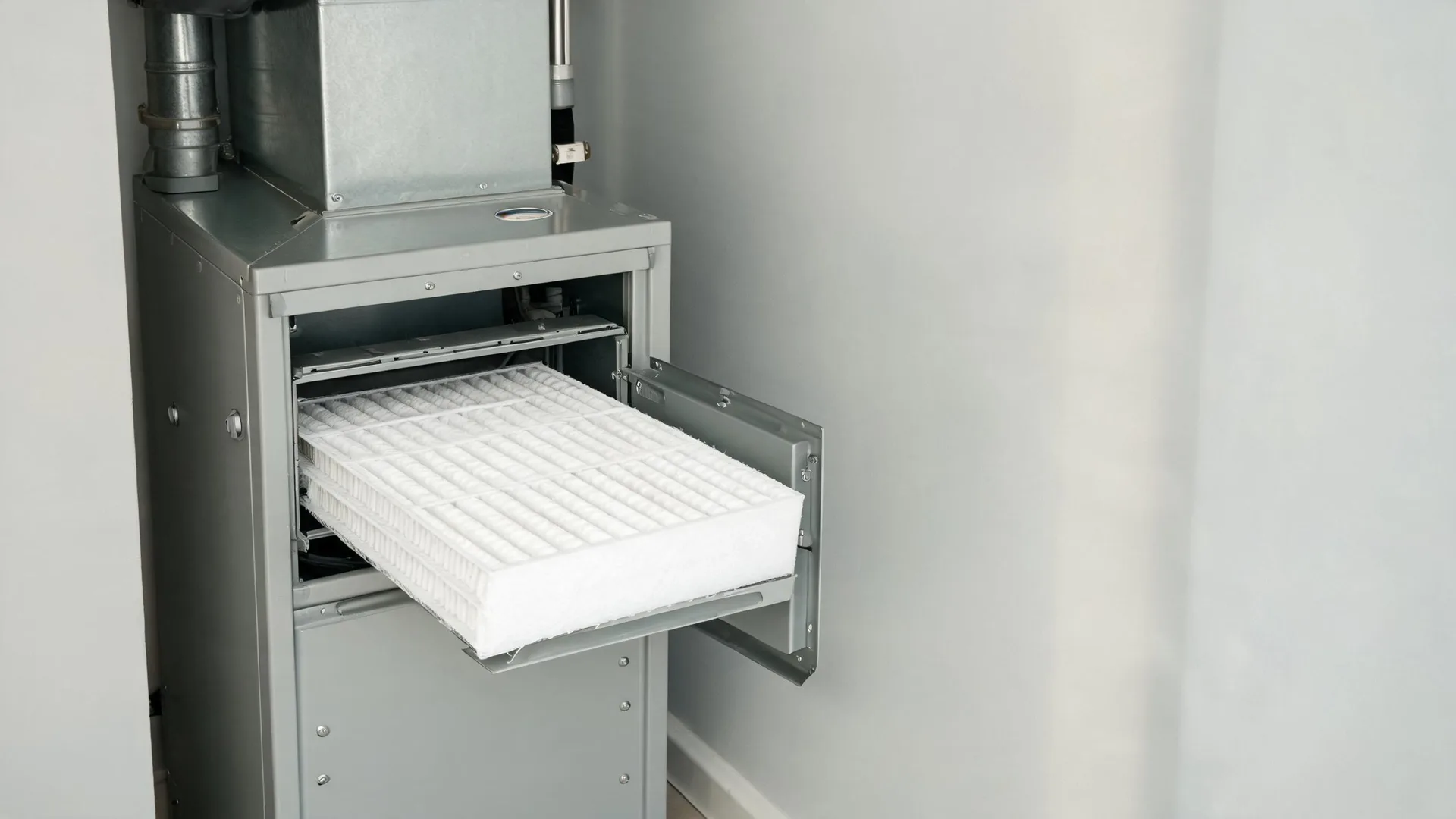
A furnace doesn't have coils or a drain the way the cooling side does, but the filter matters just as much, maybe more. Every bit of air the blower pushes through the house passes through it first. A filter clogged with dust makes the blower work harder to move the same air, and that strain doesn't stay in one place. It shows up in a motor that runs hotter than it should, bearings that wear faster, and a heat exchanger that cycles more than it needs to. Furnaces don't stop and start by the day. They run in long stretches through the cold months, so whatever drag is in the system gets multiplied over those weeks, not just felt once. A filter changed on schedule is the cheapest insurance there is against all of that.
A furnace should light with a soft whump, not a bang. A delayed ignition means gas is building up before it catches, and that's hard on the heat exchanger over time. Rattling or a high-pitched squeal from the blower points to a bearing or a loose wheel, not something that fixes itself with time.
If the furnace kicks on, runs a few minutes, then shuts off before the house warms up, something is telling it to stop early. That could be a flame sensor reading dirty, a clogged filter choking airflow, or a limit switch tripping on heat it shouldn't see. Every one of those stop-start cycles puts wear on the igniter and the blower motor, the parts that take the hit every time the furnace restarts.
Skip the yearly check and nothing happens right away. That's the problem. A furnace with a dirty flame sensor still lights, just not as cleanly, so the sensor keeps doing its job a little worse each month until the furnace starts short cycling and nobody knows why. A cracked heat exchanger doesn't announce itself either. It just gets worse one winter at a time until it's putting exhaust where your air should be. Bearings in a blower motor don't fail on the first rough sound. They grind a little more each week, pulling more amps than they should, until one day they seize. A tune-up catches these things while they're still small. Without one, the furnace keeps running, just worse, for longer than you'd think, right up until the week it doesn't.
Combustion analysis is part of a real tune-up, not just a visual check of the flame. A probe in the flue reads the exhaust and tells the technician whether the burner is mixing fuel and air the way it should, something you can't judge by eye. Static pressure readings across the filter and the coil show whether the duct system is choking the blower, even when the furnace sounds fine and heats the house well enough. The safety controls get checked too, the limit switch and the flame rollout switch, because those are what shut the furnace down if something goes wrong, and a switch that's failed quietly gives no sign until the day it's needed. A loose wire at the control board can cause shutdowns that look like a failing igniter or a bad sensor when it's really just a connection working itself loose. None of this is a guess. Each reading either falls where it should or it doesn't, and that's what tells the technician the furnace is actually fine, not just quiet for now.