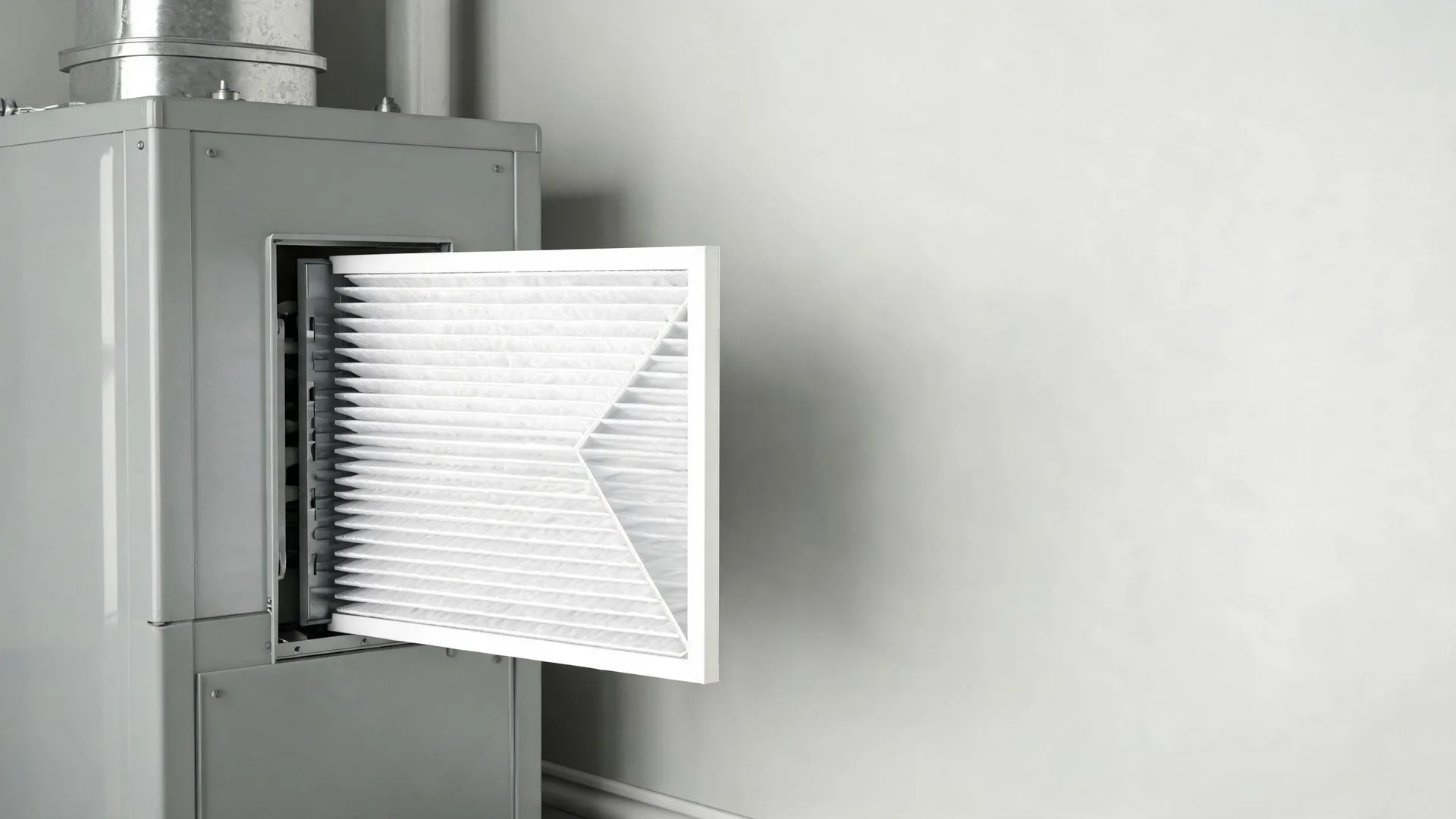
Electricity here runs $33.76 per million Btu
That's what Idaho homes paid in 2024, state-wide. A furnace that's working harder than it should turns more of that into heat you're not getting.
Takes about a minute. No obligation.
That's what Idaho homes paid in 2024, state-wide. A furnace that's working harder than it should turns more of that into heat you're not getting.
A clogged filter, a dirty flame sensor, a blower pulling against buildup, each makes the furnace run longer to reach the same temperature. Longer runtime on electric heat means a bigger draw every month it's cold.
Half the homes in Butte County were built in 1971 or earlier.
A furnace that old has a lot of hours on it, and a yearly check is how you catch what's wearing out before it fails.
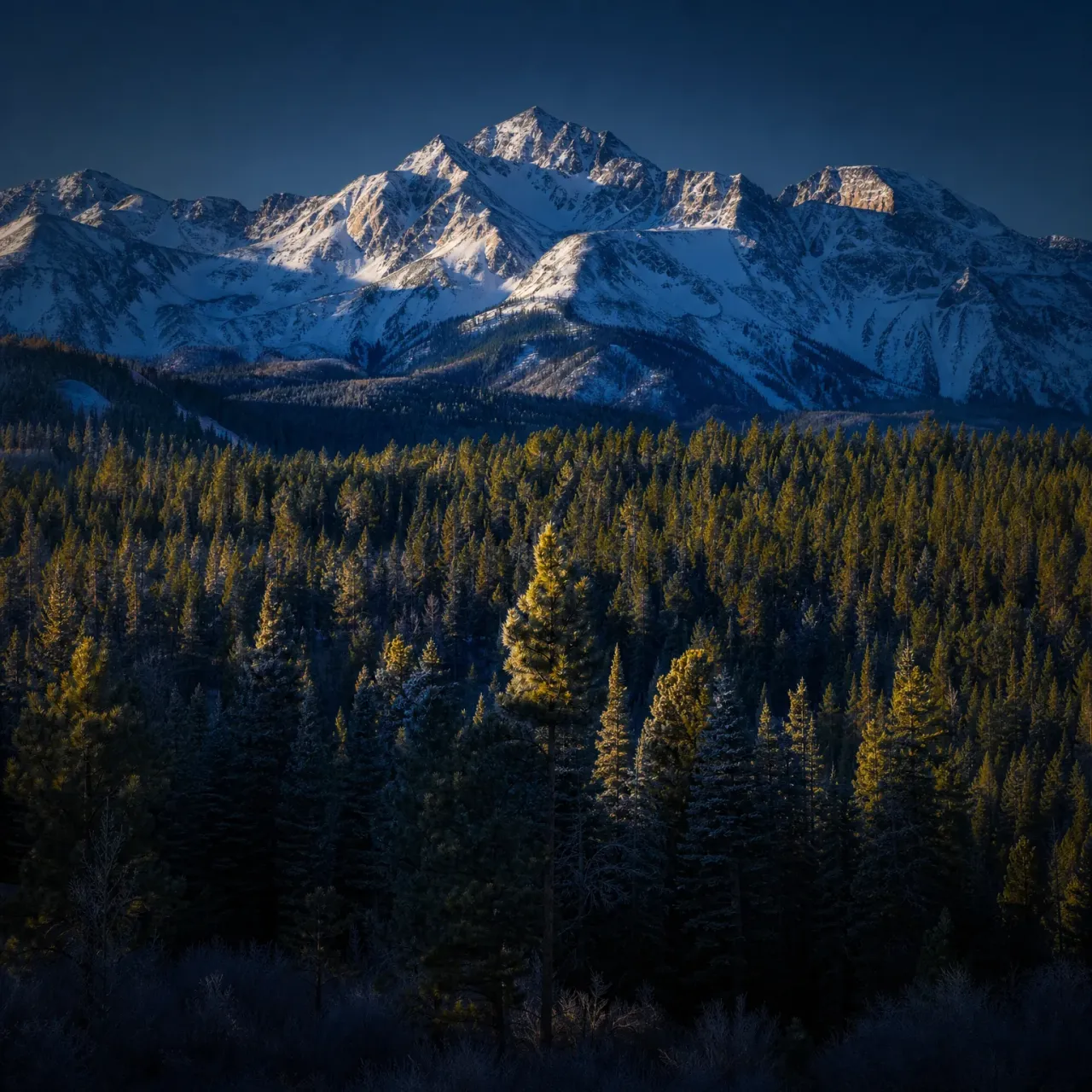
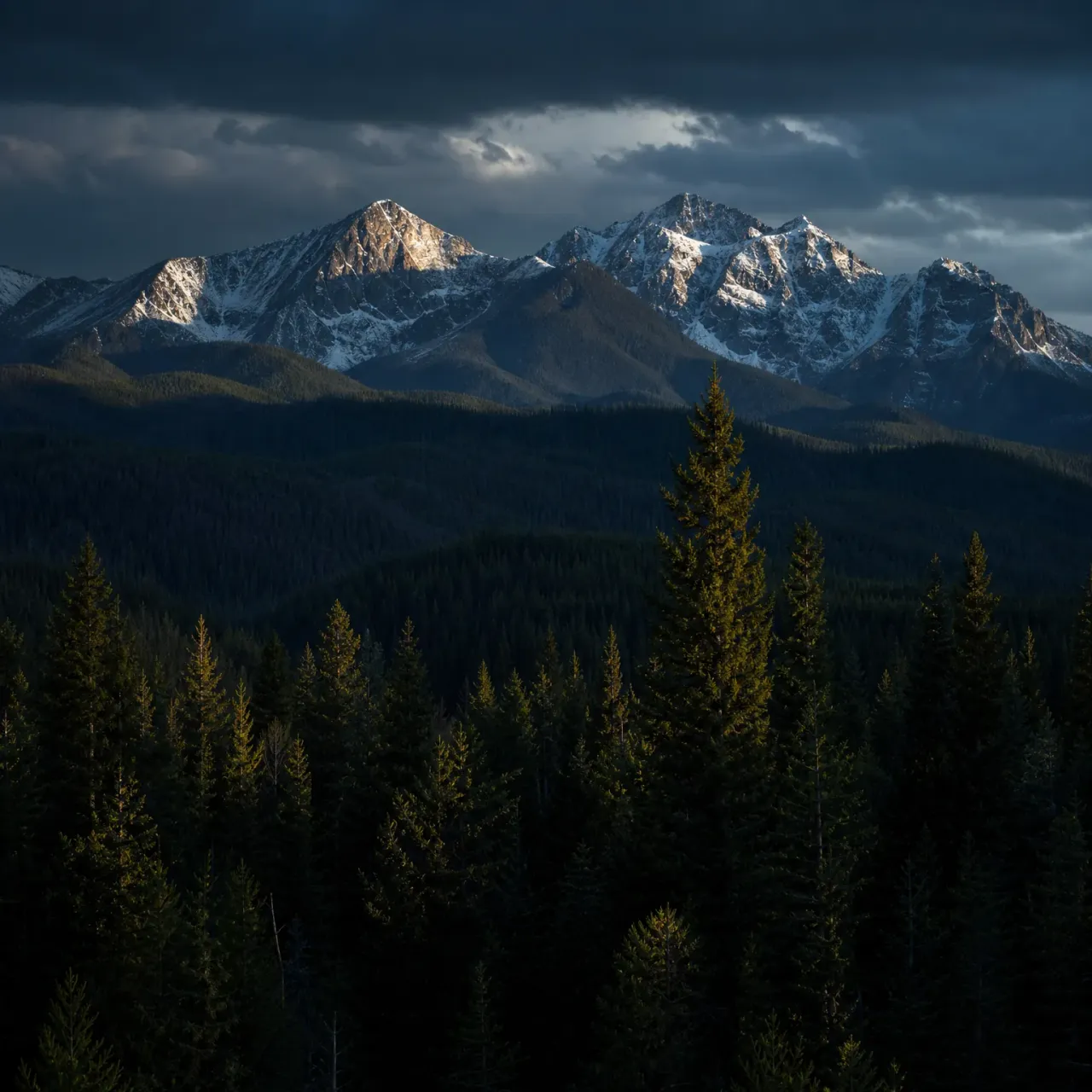

September through June is ten months of heat, with only a couple of months when the furnace gets to sit idle. Butte County saw 92 winter storms between 2015 and 2024, and each one means the furnace running flat out, not just ticking over to hold a temperature. That kind of demand finds the weak spot first, a cracked heat exchanger, a blower motor on its way out, a flame sensor coated in buildup. A furnace carrying that much of the year is a furnace worth checking before the season asks everything of it.
A furnace running clean uses less to hold the same temperature, and here that difference shows up on the bill every month it's cold. Checking it now, before the season asks the most of it, is what keeps that draw down.
Find a contractorWatch this furnace across a full day and the pattern is the same from morning to night: it holds a set point for a while, then runs long to get back to it. That long run is what finds a weak spot. If the system came with the house and the house is one of the older ones here, built in 1971 or before, it's been doing this for a long time on the same parts. A yearly check is where a technician catches a cracked heat exchanger or a blower motor on its way out while it's still a repair.
The filter is the first thing air meets going in, and a clogged one makes the blower pull harder to move the same volume. That strain doesn't stay with the blower. It shows up downstream, in a heat exchanger running hotter than it should and a motor working past what it was built for. Swapping or washing the filter is the one part of this job a homeowner can do between visits, and it's the part that protects everything after it.
If this furnace shares a cabinet with an air conditioning coil, that coil collects dust the same way the filter does, just slower, and a dirty coil transfers heat worse in both directions. The condensate drain is the quiet one. It only matters when it clogs, and when it does, water backs up into the cabinet instead of out the line. A technician checks it every visit because nobody checks it on their own.
A furnace usually gives some warning before it fails outright. It takes longer to reach the set temperature than it used to, or it runs in short bursts, shutting off and firing back up instead of holding a steady flame. The burner flame itself tells you something: it should burn blue and steady, not yellow or flickering. A yellow flame points to incomplete combustion, which can mean a problem with the gas mixture or a venting issue, either one worth having looked at. Rattling, screeching or a low hum that wasn't there before usually means a motor bearing or a blower wheel working loose. A burning or musty smell when the furnace kicks on, lasting more than a few minutes, isn't normal and shouldn't be ignored. None of these mean the furnace is about to quit, but each one is the kind of thing a technician checks for during a routine visit, before it turns into a bigger repair.
A tune-up is where that ten months of runtime actually gets checked, not just talked about. A technician can look at the heat exchanger for cracks, test the blower motor under load, and clean a flame sensor before buildup causes a lockout. These are the parts that take the beating when a storm has the furnace running flat out instead of coasting. Catching a weak one in the fall means a repair on your schedule, not a cold house during the next storm. With only a couple of months a year when this furnace isn't working, there's not much of a window to put it off.