

Why winter decides this
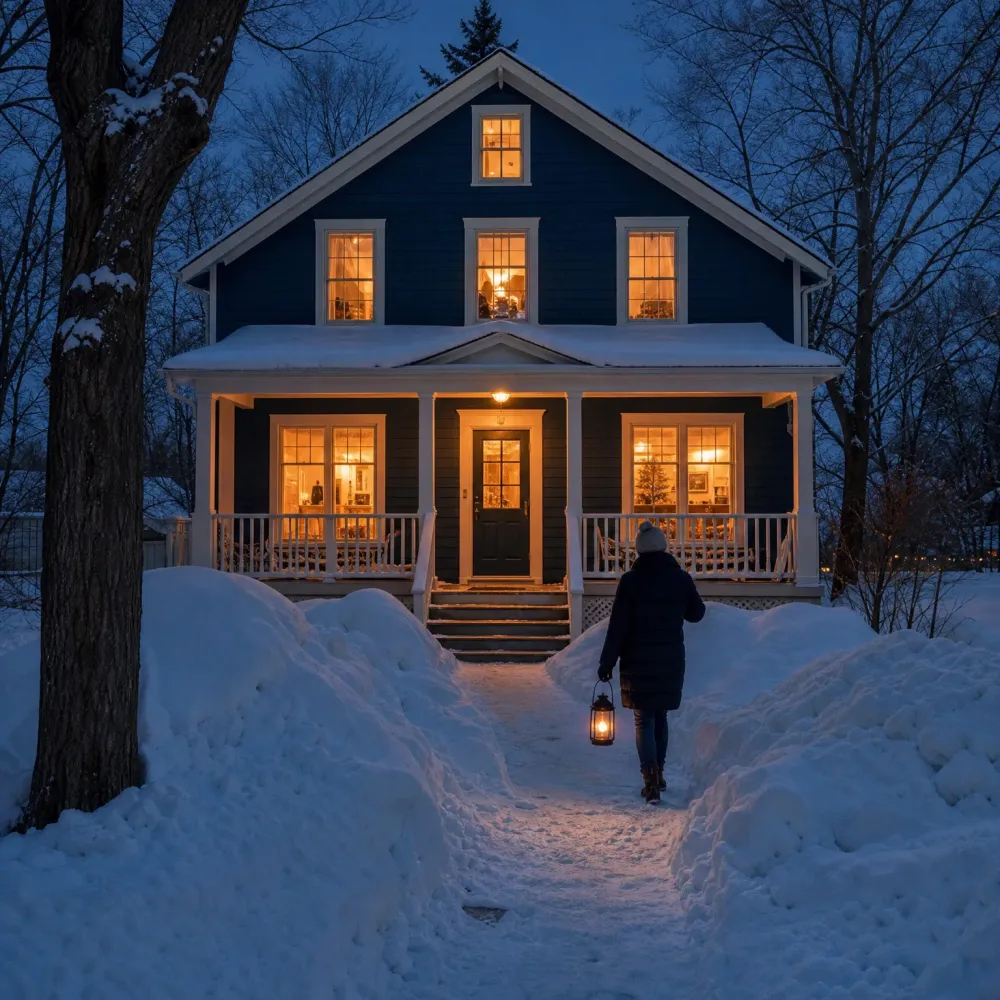
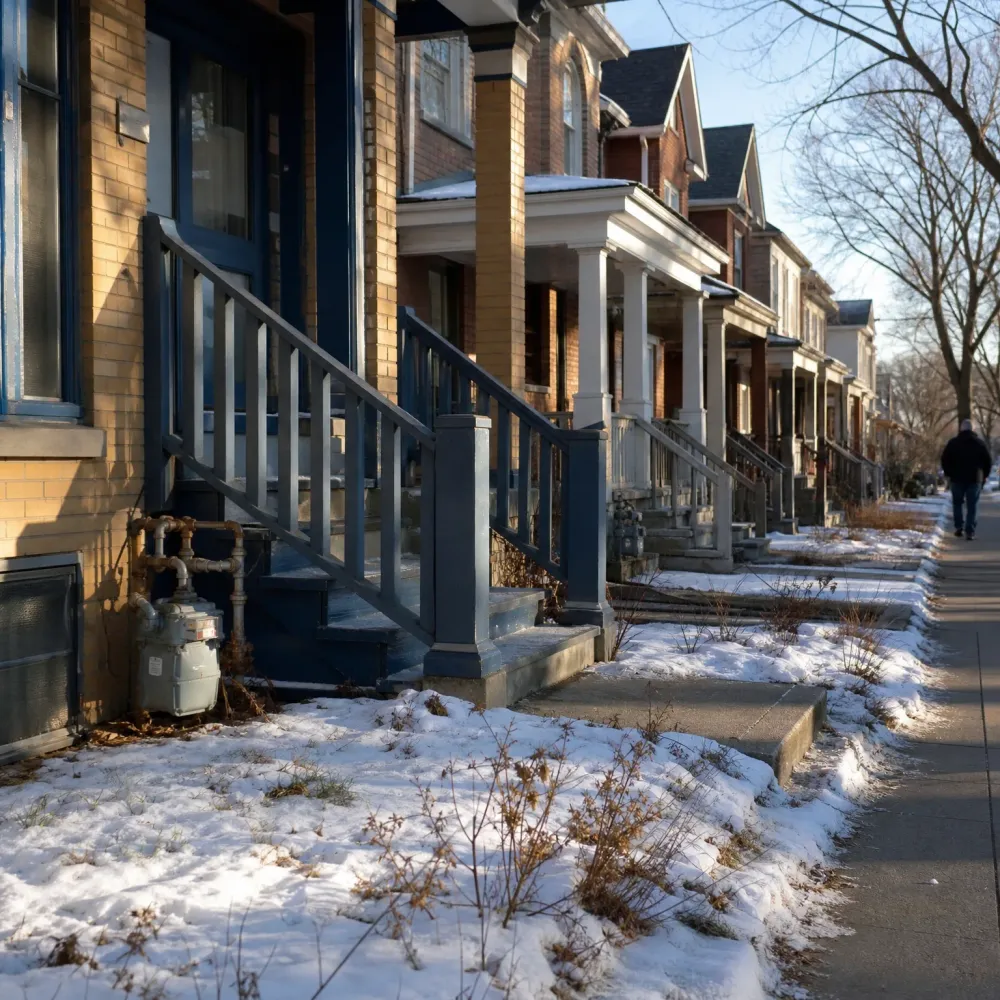
Your winter low here averages 14°F, and about 185 nights a year dip to freezing or below. A standard heat pump starts losing heating capacity below 40°F and often needs backup heat below about 35°F. That means nearly every cold night here, the heat pump is working below its rated output, not above it.
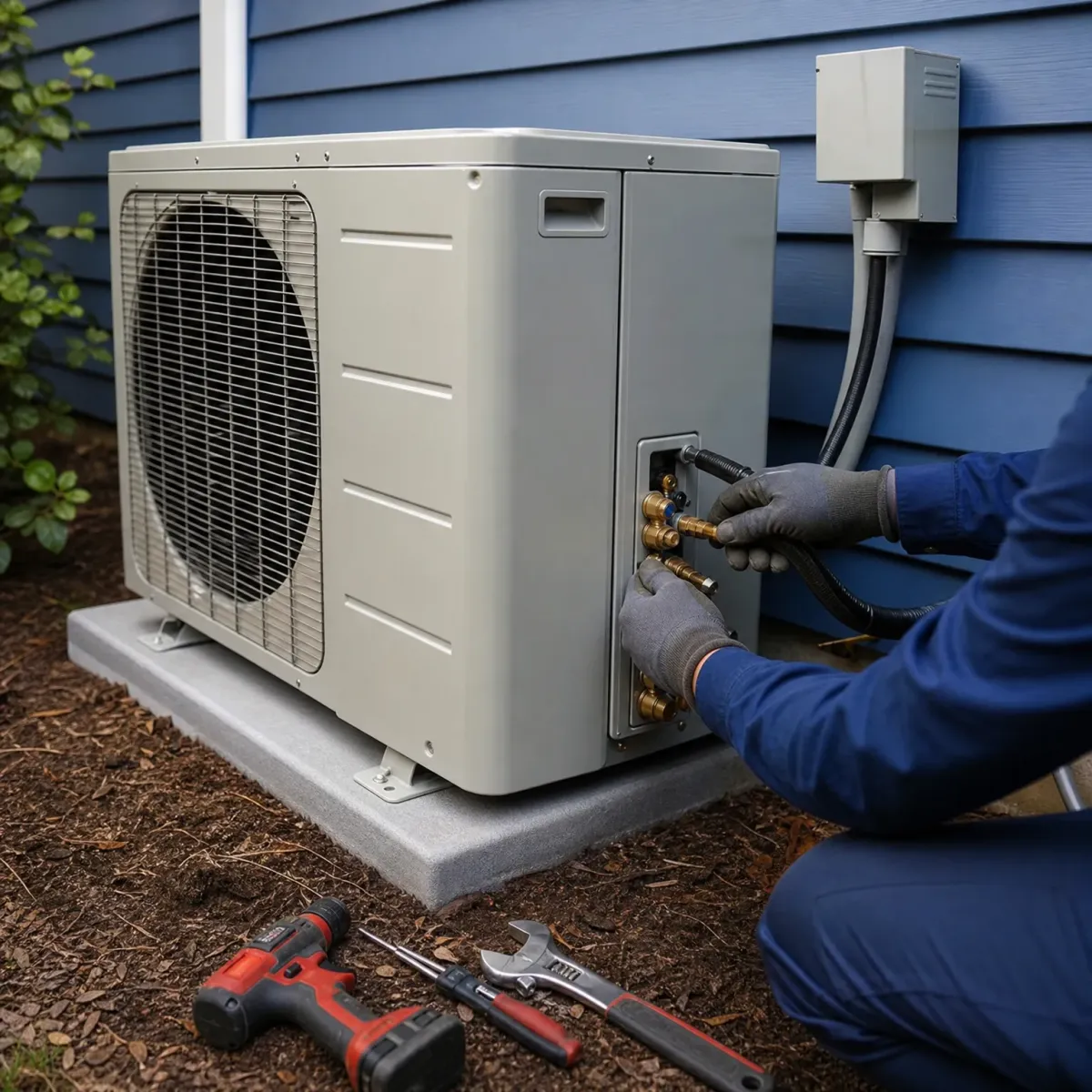
This is not the same as saying it can't heat your house. The backup heat built into these systems, usually electric resistance coil, is there for exactly these nights. But that backup heat costs more to run than the heat pump itself, and the running-cost figure in the band above ($1.54 per 100,000 Btu) does not include it. On your coldest nights, the real cost climbs above that number.
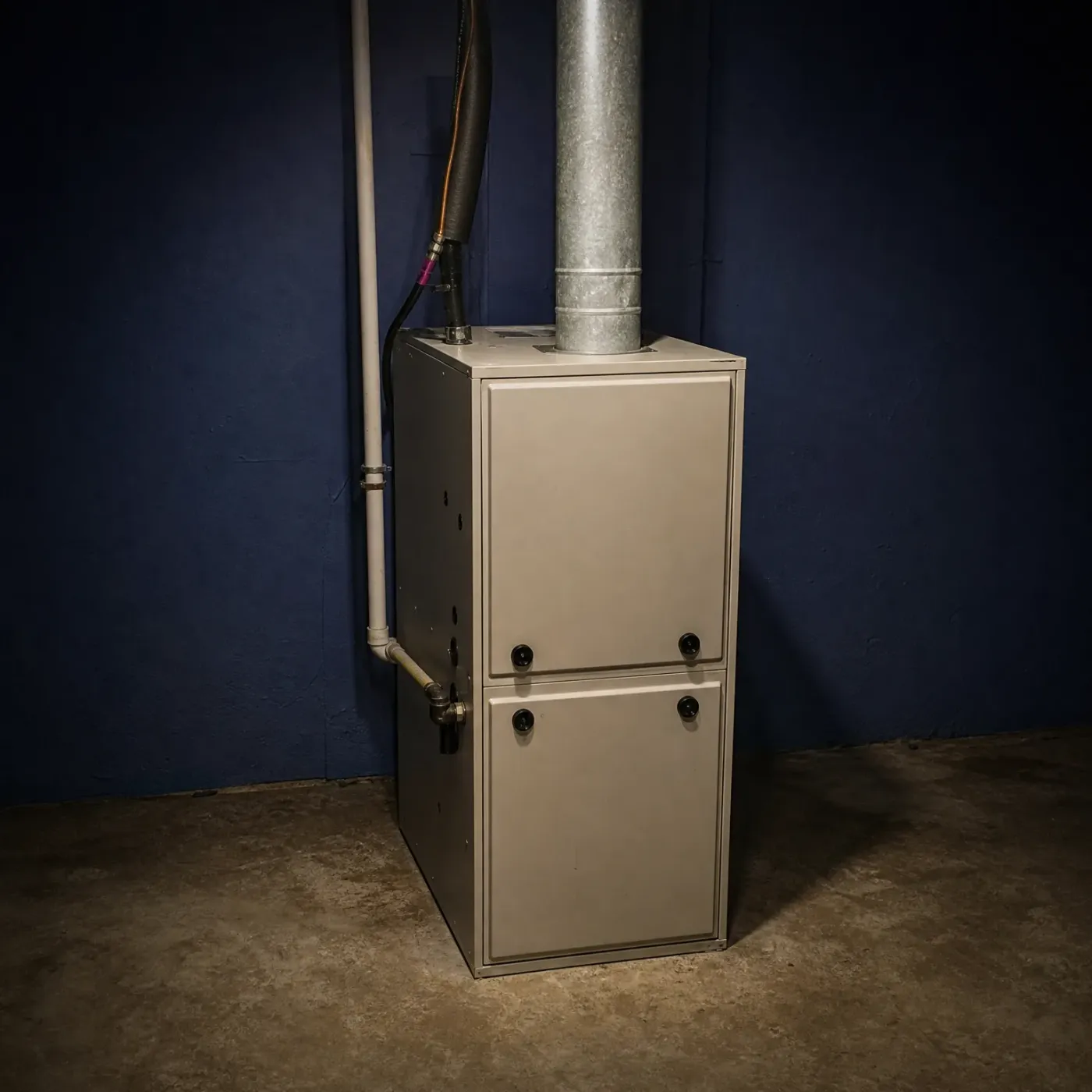
A gas furnace does not have this problem. It is rated at 80 percent efficiency whether it is 40°F outside or 0°F, so the same unit covers your whole winter without switching to a weaker backup system.
Idaho's cold-climate heat pumps close most of this gap. To earn the ENERGY STAR Cold Climate label, a heat pump has to keep at least 70 percent of its rated output at 5°F, not just at 40°F. A two-winter study of these units in real homes found backup heat carried only a small share of the load between 0°F and 35°F, and running on backup alone was rare even above 0°F. If a heat pump is the right call for your house, this is the version that earns it, not the federal-minimum unit the cost comparison above is built on.
Idaho's 15 nights a year at 0°F or below are the real test. That's a small slice of the 185 freezing nights, but it's the test a furnace doesn't need to pass and a standard heat pump does.