
Heat pump vs furnace in Bear Lake County, Idaho

Get My Quote

Local pros in Bear Lake County

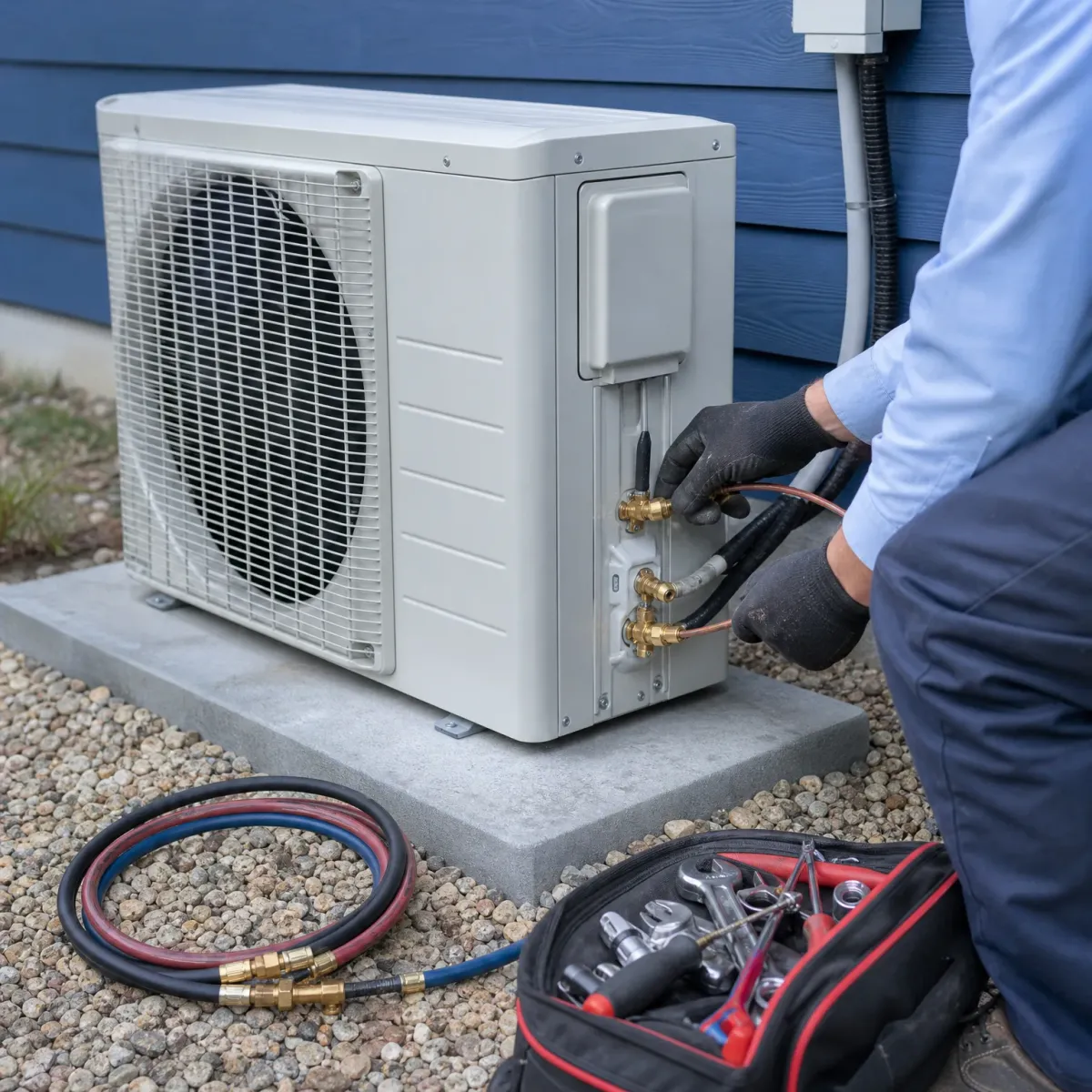
A gloved worker kneels beside a white outdoor heat pump unit on a concrete pad, handling refrigerant line connections, with coiled red and blue hoses and an open tool bag on gravel nearby.

Tell us about the job

Takes about a minute. No obligation.

New system or replacementBear Lake County, ID
Step 1 of 3

What kind of equipment?

Which costs less to run in Bear Lake County?

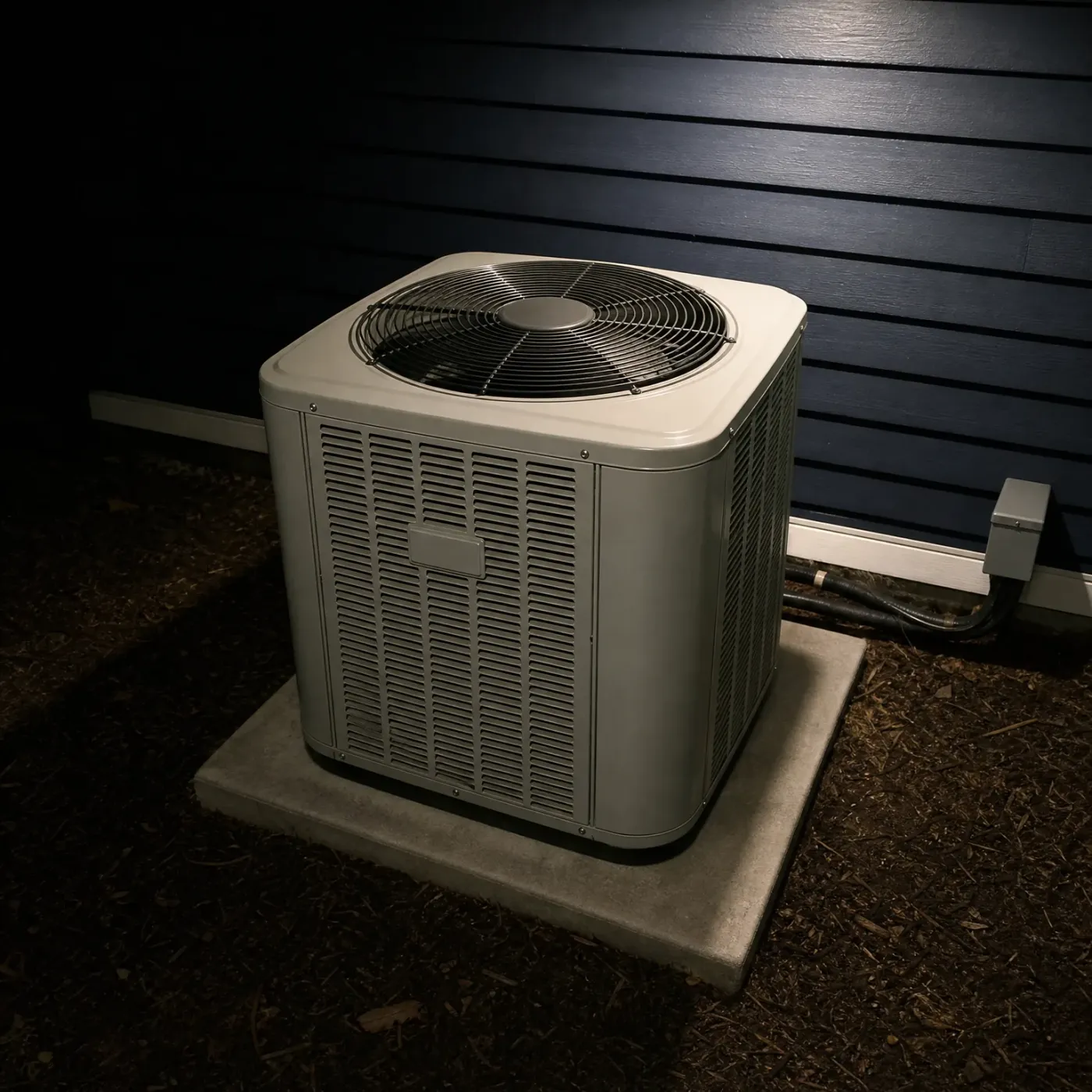
An outdoor air conditioner condenser unit with a top-mounted fan grille sits on a concrete pad next to dark horizontal siding, with mulch around it and a disconnect box and refrigerant lines on the wall.

Heat pump

To heat your home here$1.54per 100,000 Btu

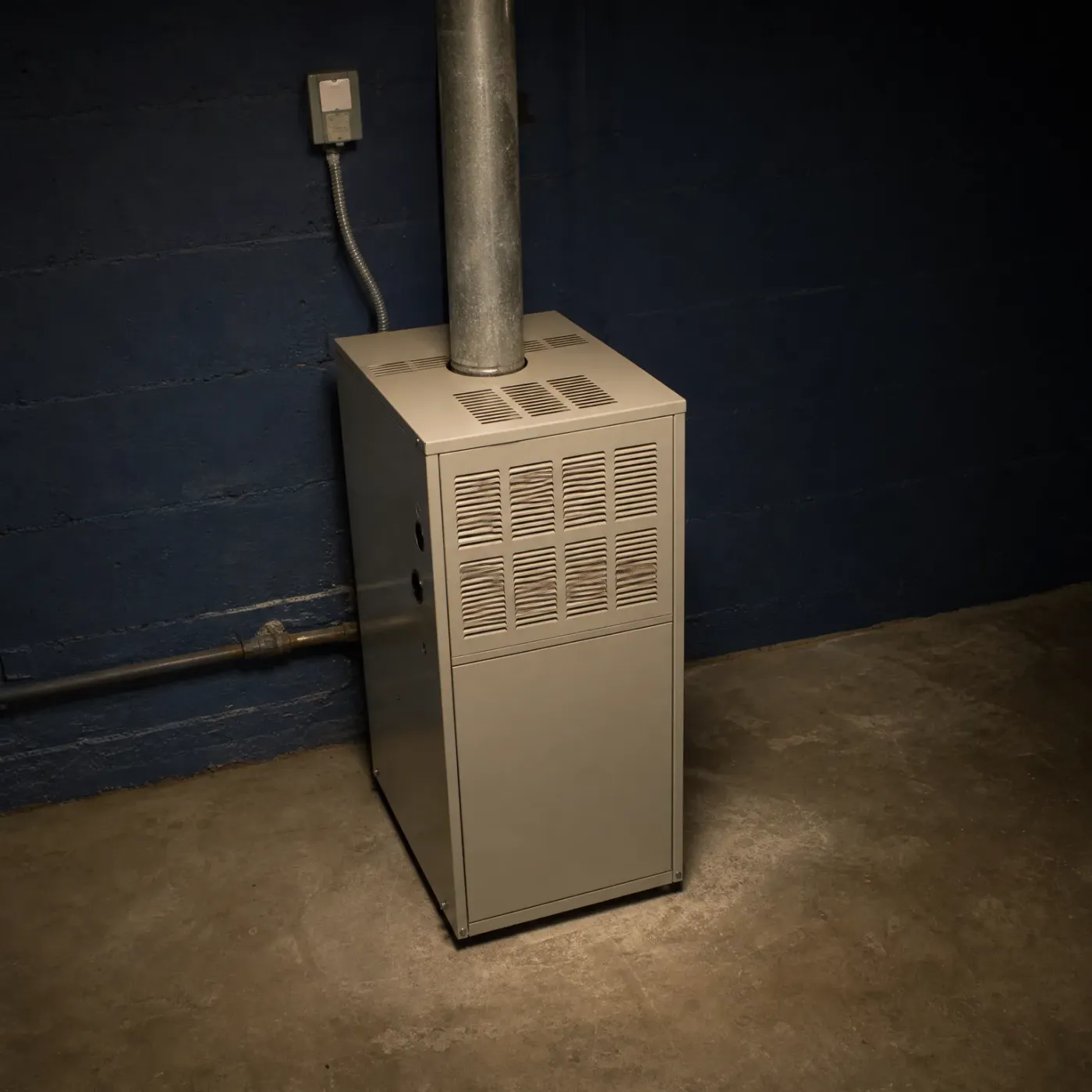
A beige sheet-metal furnace with louvered vent panels stands against a dark blue painted block wall in a basement, with a metal flue pipe rising from its top and a gas pipe and electrical box on the wall behind.

Furnace

To heat your home here$1.03per 100,000 Btu

At Idaho's gas and electricity prices, a gas furnace makes the same heat as a heat pump for at least 32% less.

Btu stands for British thermal unit, the standard measure of heat energy.

Where does a heat pump shine?

  • Steady, even comfort

    Instead of short bursts of heat, it keeps a gentle, steady output going. The house stays at one comfortable temperature.

    A golden retriever sleeps on a woven rug in a living room with a navy armchair holding an open book and gray throw, a lit fireplace, a wooden sideboard with a lamp, and a window showing snow outside.
  • No gas line, nothing burning in the house

    It moves heat instead of making it from fire. That means no combustion, no flue and no gas bill for heat.

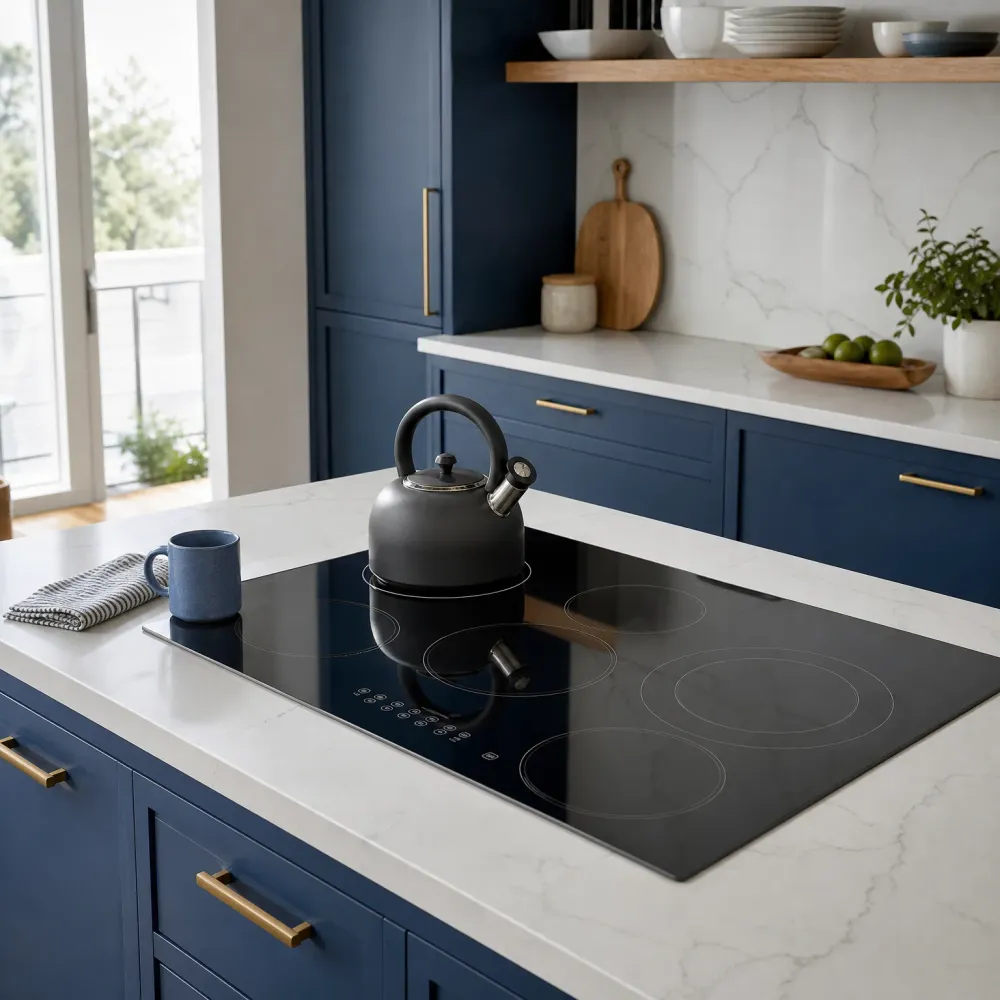
    A kitchen island with a white marble-look countertop holding a black glass cooktop, a dark kettle, a blue mug and a striped towel, with navy cabinets, a marble backsplash, a wood shelf of dishes, and a window showing evergreen trees.
  • Heats and cools in one system

    One machine handles the heat in winter and the cooling in summer. There's no second system to buy or keep up.

    A living room with a cream sectional sofa holding navy and light blue cushions and a blue fringed throw, a wooden coffee table with books, a mug and a vase of green and white flowers, a navy armchair, a dark built-in bookshelf with a lamp, and an open doorway looking onto a lawn and flowering garden.

Where does a furnace shine?

  • Strong, steady heat in hard cold

    Winter nights here average 12°F, and a furnace keeps putting out hot air no matter how cold it gets outside. You won't notice it working harder, because it's built to handle that cold straight through.

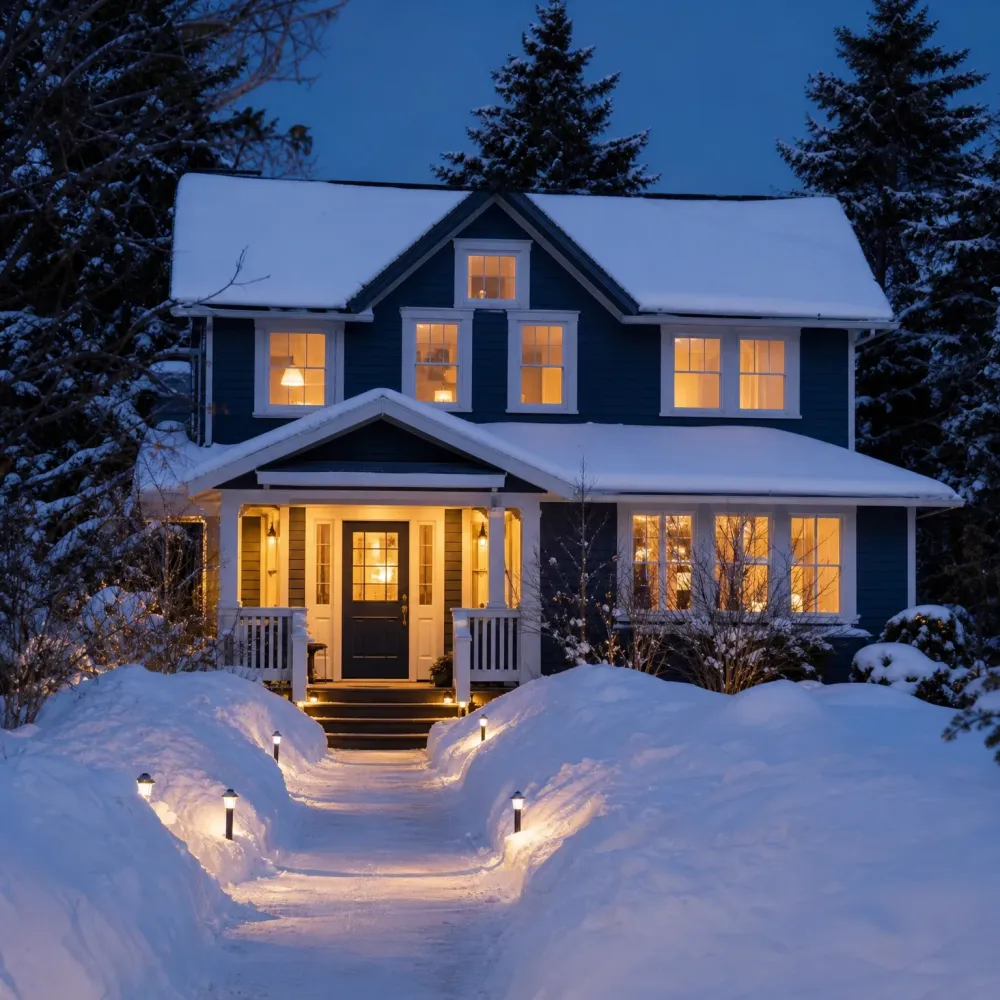
    A two-story dark blue house with snow-covered roof and lit windows at dusk, with a shoveled path lined by small lamps leading to the front porch steps, surrounded by snow banks and conifer trees.
  • Pairs with any central AC

    A furnace's blower and ducts carry cooled air too. Adding central AC uses the same system.

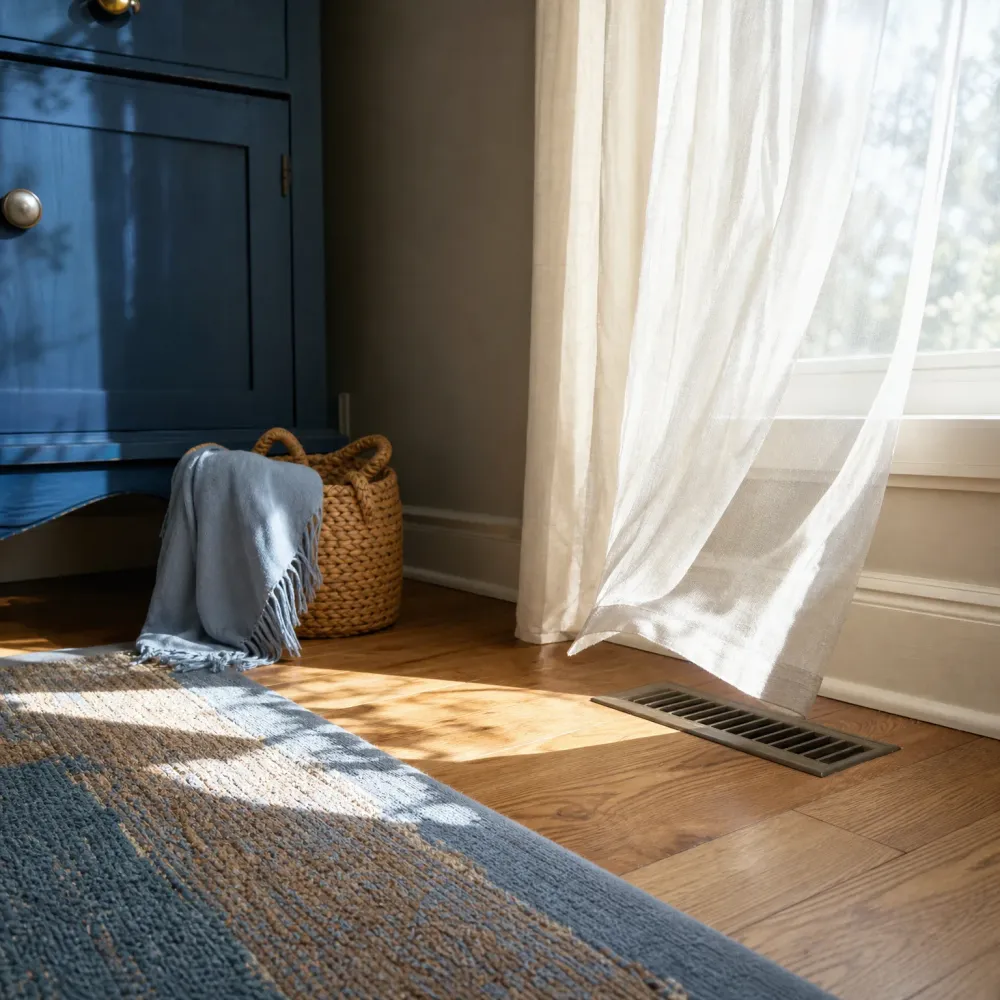
    Sunlit room corner with a hardwood floor, a metal floor vent near the baseboard, sheer white curtains at a window, a woven basket with a light blue fringed throw beside a dark blue cabinet, and a blue and tan rug in the foreground.
  • Fast, strong heat on demand

    Turn the heat up and the furnace answers right away. There's no long wait for the house to catch up.

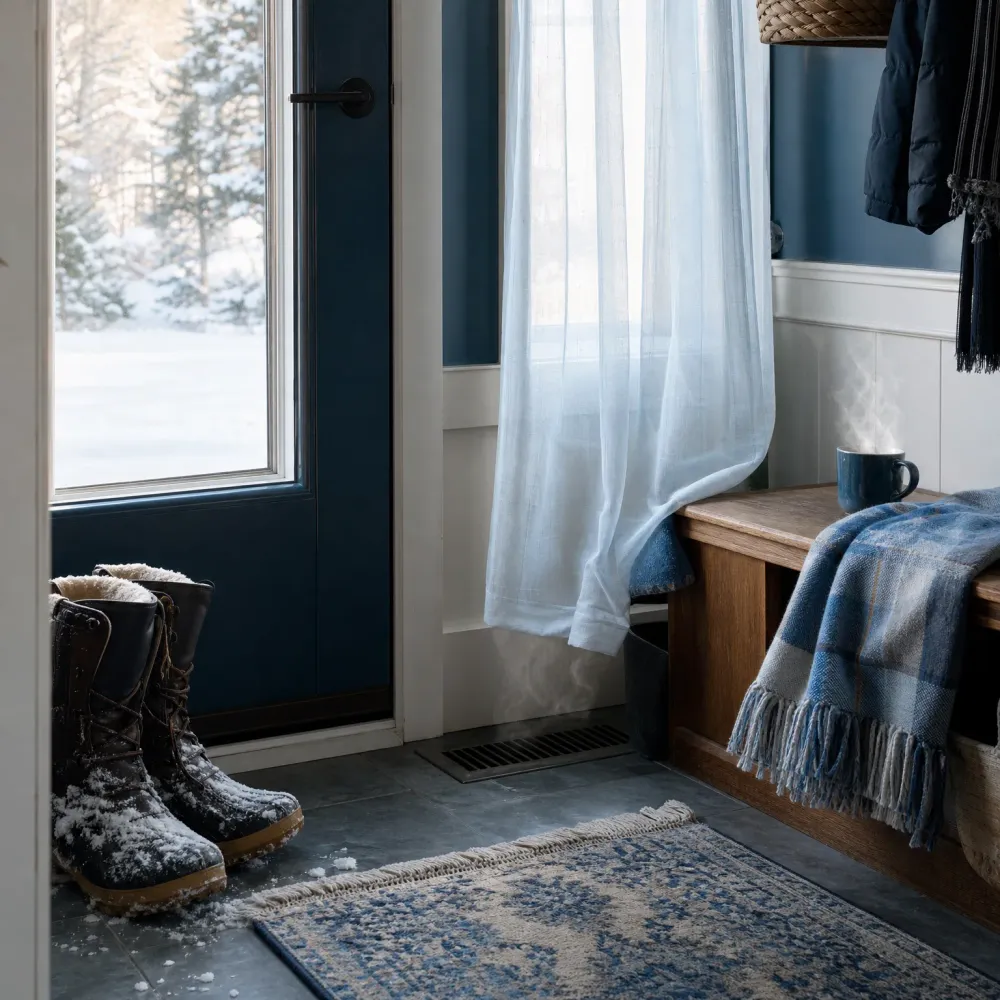
    A mudroom entry with snow-covered boots on a tiled floor, a floor vent, a wooden bench with a blue plaid throw and steaming mug, a sheer curtain, a dark blue door, and a snowy conifer landscape outside the window.

What the cold here does to a heat pump

Winter in Bear Lake County is long and it is hard. The heat runs ten months a year here, September through June, and the overnight low averages 12°F across December, January and February. About 210 nights a year drop to freezing or below, over half the nights the heat is even running. Twenty-five of those nights hit 0°F or lower.

A standard heat pump is already working with less once it drops below 40°F outside, putting out less heat than its rating. Below about 35°F it typically needs backup heat to make up the difference. Here, every single one of those 210 freezing nights falls under both marks. That is not an occasional cold snap. That is most of the winter, every winter.

There is a version built for this. A heat pump carrying the ENERGY STAR Cold Climate label has to prove it can still make 1.75 units of heat per unit of electricity at 5°F, and hold onto 70 percent of its 47°F capacity at that same temperature, checked by outside testing, not the manufacturer's word. Field testing on prototype cold-climate units backs this up in practice: across two winters in occupied homes, backup heat covered only a small share of the load between 0°F and 35°F, and running on backup alone was rare even above 0°F. The gap between a standard heat pump and a cold-climate one is the gap between a machine that struggles here and one that doesn't.

So the question for a heat pump in this county is not whether it can heat your house. It is which kind you are buying. A standard model is fighting its own design for most of the winter. A cold-climate model is built for exactly these nights.
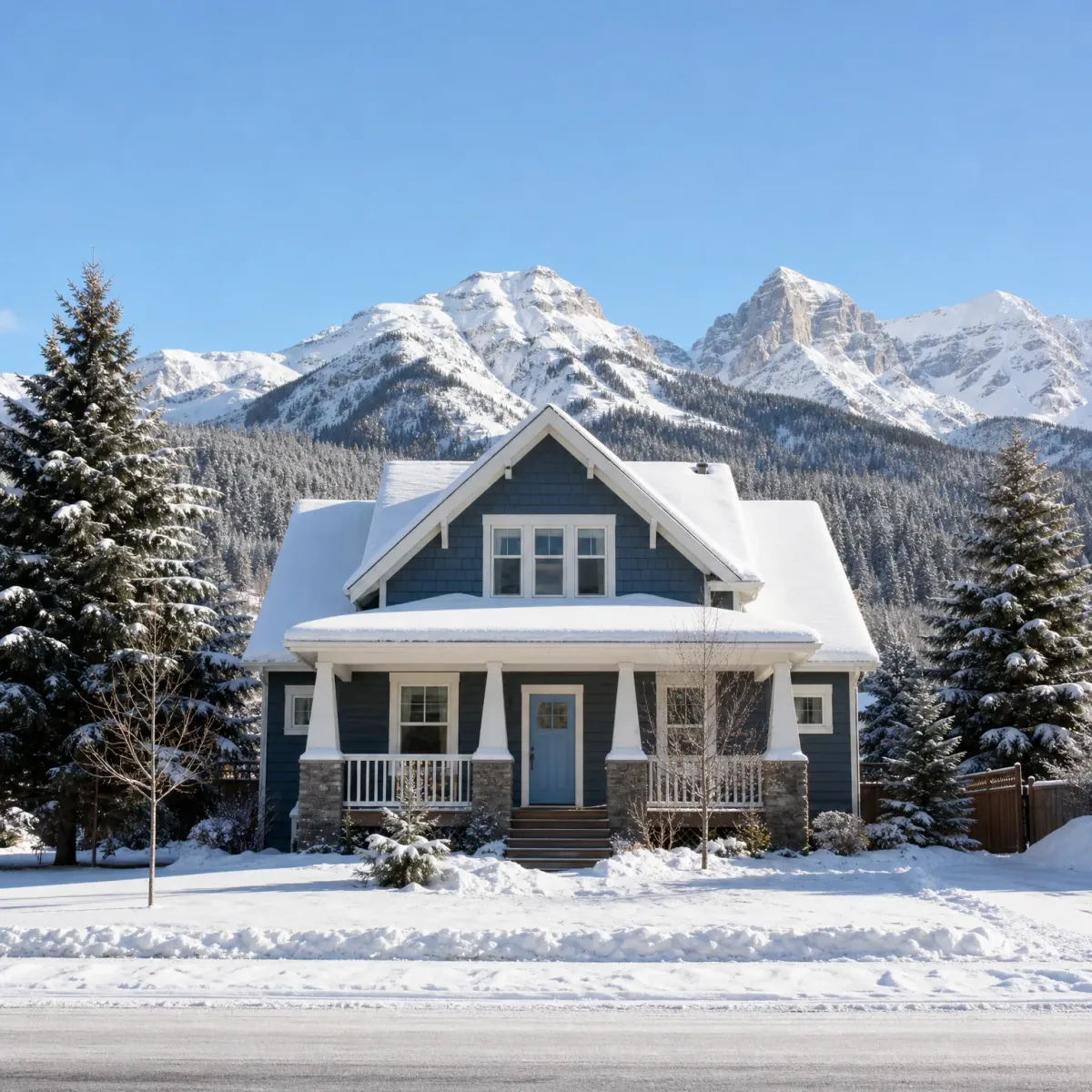
A blue-sided craftsman-style house with white trim, a covered porch and stone column bases stands in deep snow, flanked by snow-covered conifers with forested snowy mountain peaks and clear blue sky behind.

What it costs to run, and what that means with no summer to balance it

At Idaho's prices, a gas furnace makes the same heat for at least 32% less than a heat pump. That gap does not get smaller here, because there is nothing on the other side of the ledger to even it out. This county has no real cooling season. A furnace only heats, so going without air conditioning costs it nothing for the two months a year it isn't working anyway. A heat pump's other selling point, that it cools as well as heats, is worth less in a place that rarely needs cooling in the first place.

Gas is also the fuel this county already leans on. Utility gas heats 43.8% of homes here and propane heats another 23%, close to two out of every three homes on some form of gas. Electric heat sits at 18.5%, below the state's own average of 35.2%. None of that decides which machine is better, but it means a furnace fits into infrastructure that is already common here, while an all-electric heat pump is a less typical setup for this county.

Put together, the case for a furnace here is straightforward: it costs less to run at Idaho's fuel prices, and the county's long, hard winter is exactly the condition under which a standard heat pump loses ground. The case for a heat pump has to be made differently. It only holds up with a cold-climate model, bought specifically because this county's lows go past what a standard unit handles well. Either way, this is not a place to buy a standard heat pump and hope the winter goes easy on it.

Sources: NOAA nClimDiv · NOAA 1991–2020 seasonal normals · Census ACS 2020–2024 · PNNL Building America guide · PNNL-37127 field study · ENERGY STAR product criteria · EIA SEDS 2024 · 10 CFR 430.32

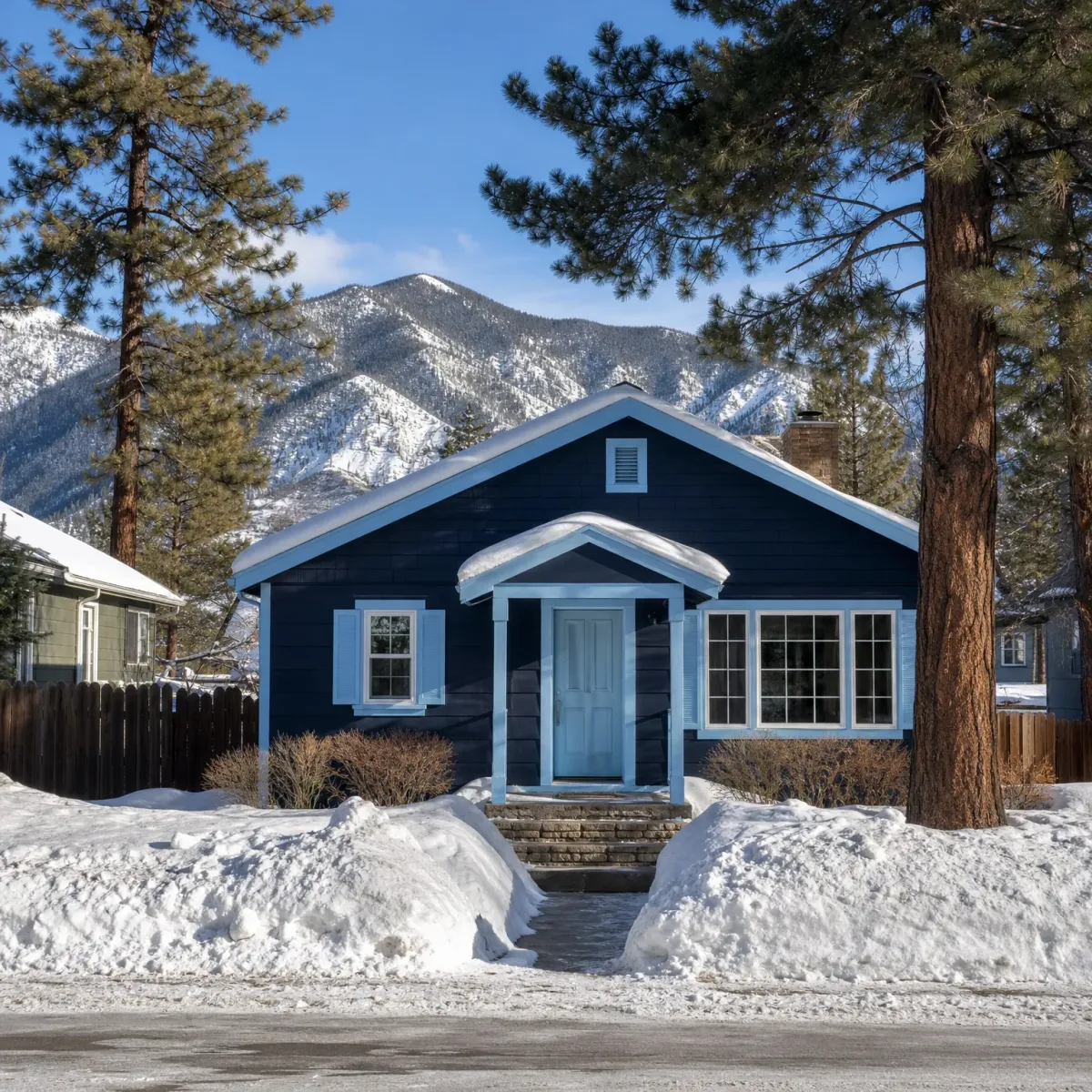
A dark blue single-story house with light blue trim, a gabled porch and shuttered windows, fronted by snowbanks and a cleared walkway, with tall pine trees and snow-covered mountains behind.

Common questions about heat pumps and furnaces

  • Can a heat pump heat a house through an Idaho winter?

    A cold-climate heat pump can, but a standard one will struggle on the coldest nights. Below 40°F a conventional heat pump's heat output drops under its rating, and at 12°F, the average winter low here, it's putting out only a fraction of what it's rated for. An ENERGY STAR Cold Climate model is built to hold onto more of its capacity at 5°F and keeps most homes running on backup only rarely, even above 0°F, but it still needs backup heat on the roughly 25 nights a year that reach 0°F or below.

  • Do I need backup heat with a heat pump here?

    Yes. A standard heat pump's output falls below its rating once it's under 40°F outside, and it often needs backup heat below about 35°F. The average overnight low here runs 12°F across December, January and February, and about 210 nights a year dip to freezing or colder, so a heat pump here spends most of the heating season below both marks.

  • Can I keep my furnace and add a heat pump?

    Yes, and in Bear Lake County it's a reasonable way to go. The furnace handles the nights that drop into the teens and below, about 25 a year, while the heat pump covers the milder stretch above 35°F or so where it runs efficiently. You get a gas line already doing the hard work on the coldest nights, paired with a second system for the rest of the season.

  • Is a heat pump cheaper to run than a furnace in Bear Lake County?

    No. At Idaho's prices, a gas furnace makes the same heat for about $1.03 per 100,000 Btu against $1.54 for a heat pump, so the furnace costs less to run. That gap doesn't shrink here either, since heat runs ten months a year and there's no cooling season where a heat pump's second job could even out the cost.