



What cold does to a heat pump here
Winter nights in Adams County average 19°F, and a heat pump starts losing ground well above that. Below 40°F it puts out less heat than its rating says. Below about 35°F it often needs backup heat to keep up. The average night here is below both marks, and so is every single night that falls to freezing or colder, about 200 of them a year.
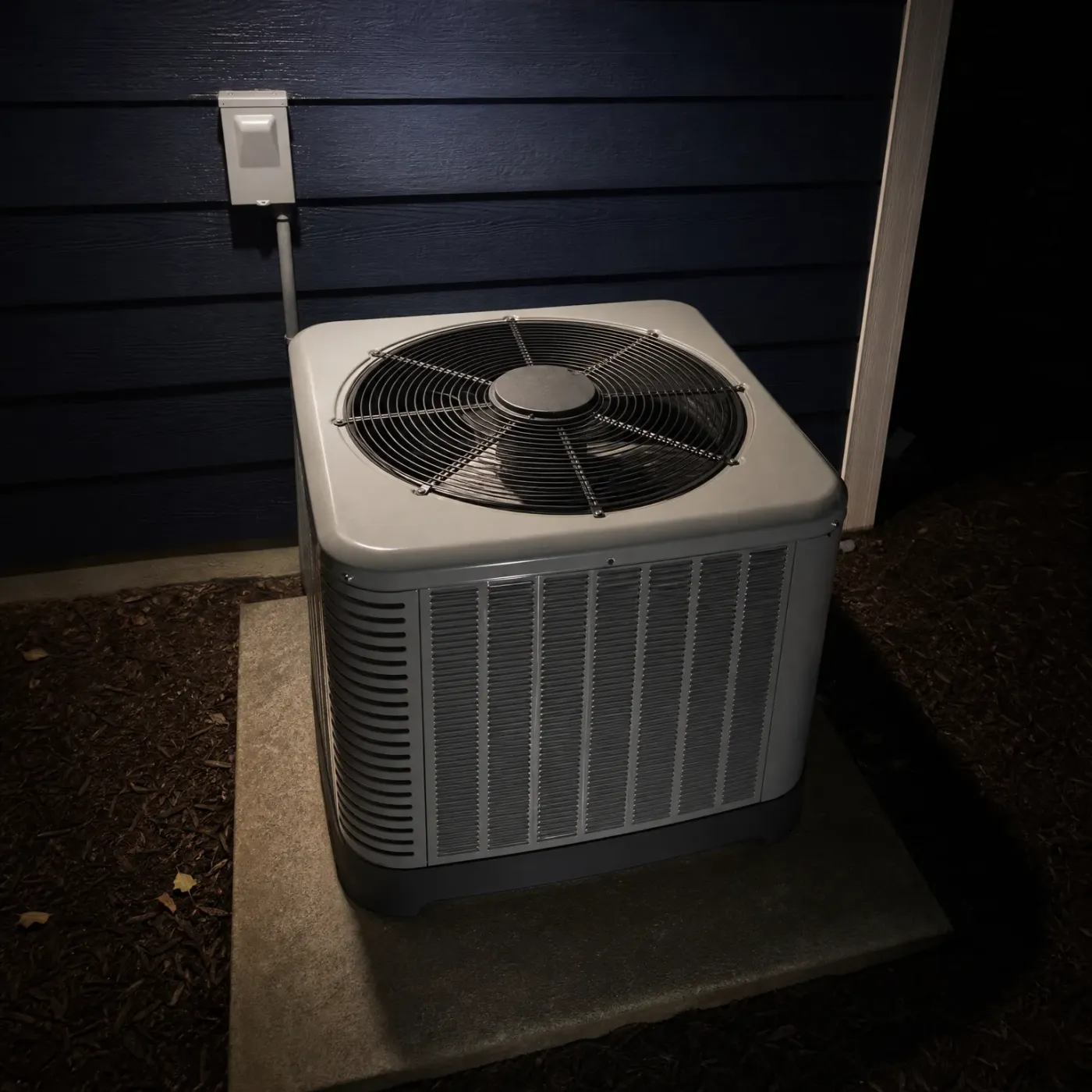
That does not mean the house goes cold. Cold climate heat pumps, the ones carrying the ENERGY STAR Cold Climate label, are tested to hold at least 70 percent of their rated heat at 5°F and still turn one unit of electricity into 1.75 units of heat at that temperature. Field tests of these units in occupied homes back this up. Backup heat covered only a small share of the load between 0°F and 35°F, and running on backup alone was rare even above 0°F. The 17 nights a year that reach 0°F or below are where a standard heat pump leans hardest on its backup. A cold climate model is built for those nights specifically.
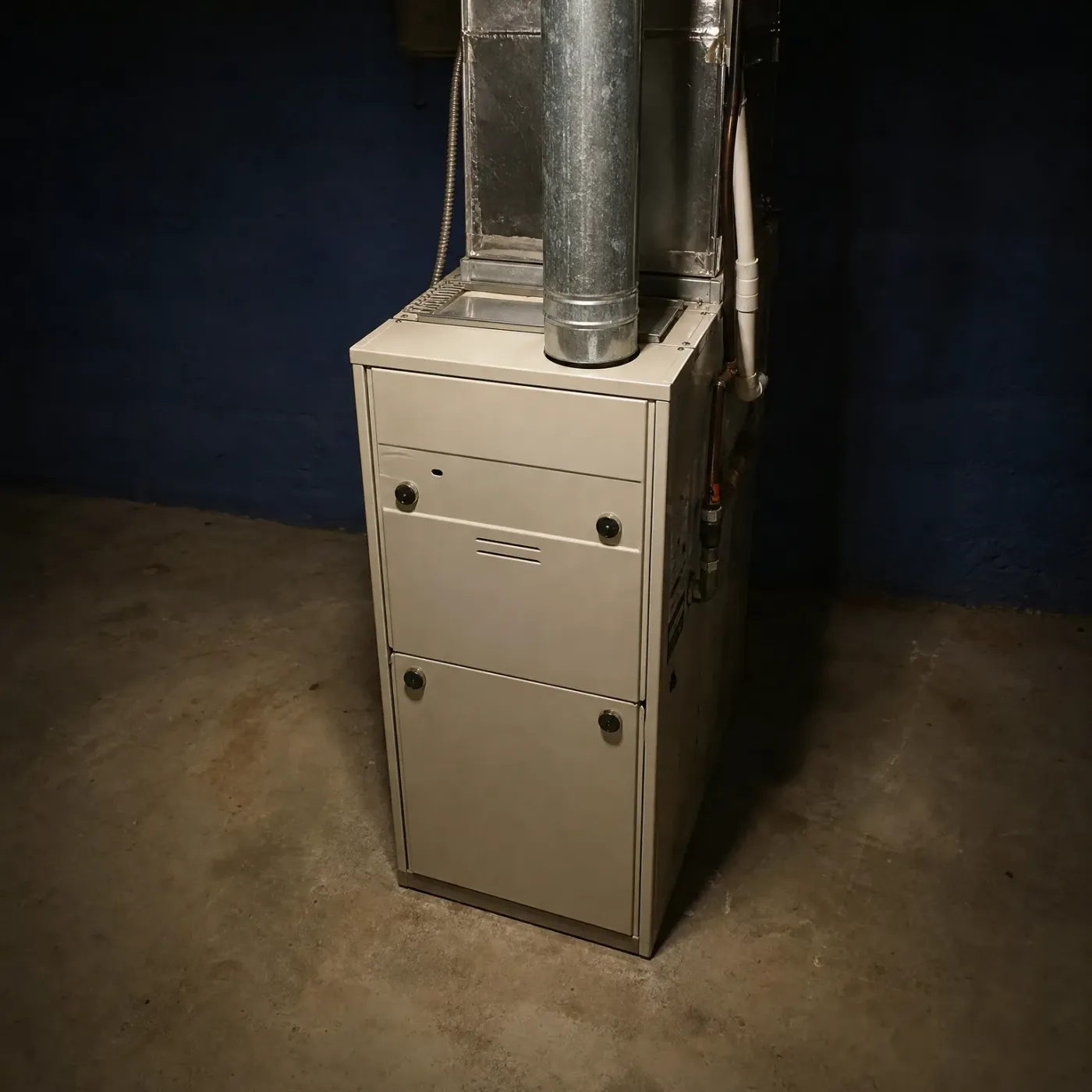
A furnace does not have this problem. It burns gas and makes heat, and the outdoor temperature does not change that math. If the coldest nights here worry you, that is the real tradeoff: a furnace that performs the same at 19°F as at 40°F, against a heat pump that needs to be the cold climate kind to do the same.