

How long a furnace lasts in Idaho

Skip collecting and comparing quotes for the new furnace.

Start one form

How long does a furnace last in Idaho?

You want to know if your furnace is near the end or if it's got years left, especially before winter gets going. Most homes in Idaho heat with gas, and the furnace works hard once the cold sets in. If it's getting older, you're probably weighing a repair bill against the cost of starting over with a new system.

A gas furnace in Idaho typically lasts 15 to 20 years

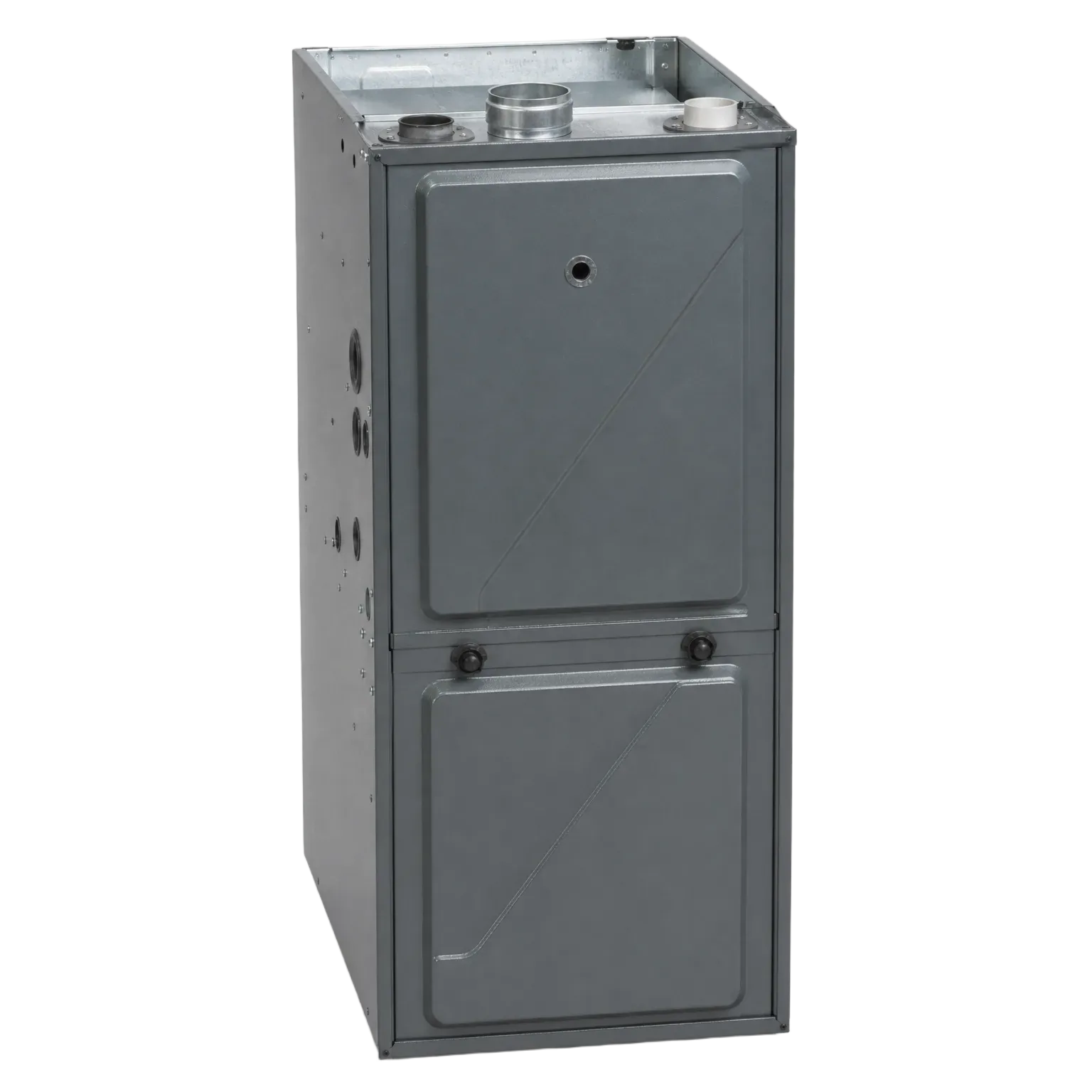
Most gas furnaces are built to run that long if they get serviced and the heat exchanger holds up. Idaho summers are hot and dry, so the furnace sits idle for months at a time, which means less wear than it would see in a climate that runs it year round. Winter is where the hours add up. Once a furnace passes 15 years, repairs tend to come more often and cost more each time, and a cracked heat exchanger or a failing control board is usually the point where replacing it makes more sense than fixing it again. If yours came with the house, checking the age tag inside the cabinet tells you where it stands.

A gray high-efficiency furnace with white PVC vent pipes stands against a concrete basement wall beside sheet-metal ductwork, a small condensate pump on the floor, and exposed wood framing at left.

Still doing its job

A newer high-efficiency furnace vents through PVC pipe instead of a metal flue. Heat moves through the ductwork without strain, and the condensate pump drains away what the system produces as it runs. Nothing here is asking for attention yet.


A gray sheet-metal furnace with flue pipe and adjacent ductwork stands against a stone basement wall on a concrete floor, with white PVC and metal pipes running nearby.

Running on borrowed time

An older furnace like this one has worked through a lot of Idaho winters already. Gas lines and flex tubing show their age, and once a furnace this old starts needing parts, a full replacement is usually the better call.

Repair the furnace or replace it

Repair it

  • A cracked heat exchanger, a failed igniter, or a bad blower motor can usually be swapped out on a furnace that's otherwise sound.
  • If the furnace is under 15 years old and has been maintained, one repair now doesn't mean another is coming next month.
  • Parts for most common gas furnace brands are still available if the unit was installed in the last couple decades.
  • A repair gets heat back on faster than a full install, which matters when it fails in the middle of winter.
  • If only one component failed and the rest of the system is original and clean, repair is the cheaper path short term.

Replace it

  • Once a furnace is past 20 years, the heat exchanger has had two decades of heating and cooling cycles to fatigue and crack.
  • A furnace that needs its second major repair in a few years is telling you the rest of it is wearing out too.
  • Newer furnaces vent through PVC and run more efficiently, so a replacement can lower what gas you burn to heat the house all winter.
  • If the blower runs constantly or cycles on and off too fast, the heat exchanger or control board may be too far gone to fix.
  • Idaho winters put real hours on a furnace, and a unit near the end of its life is more likely to fail on the coldest night, not a mild one.
  • A licensed installer sizing a new furnace to your home gets the ductwork and venting right the first time, instead of patching an aging system piece by piece.
A gray gas furnace stands on a concrete basement floor, connected to sheet-metal ductwork, white PVC vent pipes, and a yellow gas line, with plastic sheeting covering the walls.

Running clean

This is a newer furnace, vented with PVC instead of a metal flue, set up in a finished mechanical space with the gas line and ductwork run clean. It cycles on, heats the house, and shuts off without any noise or smell. Nothing about it needs your attention right now.

A metal furnace with louvered panels stands against a concrete basement wall, connected to sheet-metal ductwork and a round flue pipe, with wooden framing posts and a pipe nearby.

Showing its age

This furnace has been in that basement a long time. Dust has built up around the cabinet, the ductwork is older metal, and the gas piping is copper rather than the black iron and yellow line you'd see on a newer setup. None of that means it's about to fail, but a unit that looks like this is worth having checked before winter.

An older metal furnace with PVC and metal pipes stands on a concrete basement floor beside galvanized ductwork, with wooden stairs and a water tank in the background.
Before you get your furnace installation
A gray high-efficiency furnace in a basement with sheet-metal ductwork, white PVC vent pipes, metal plumbing lines, a condensate pump on the floor, and a window showing green trees outside.
After you get your furnace installation

15 to 20 years

That's the typical working life of a gas furnace here. Past that range, a breakdown during a cold stretch is more likely to mean replacement than another repair.

Find a licensed pro

Installed right, it lasts

A furnace sized wrong for the house or set up with poor airflow wears out faster than one installed correctly from the start, no matter the brand.

Find a licensed pro
A closed silver laptop and a ceramic mug of dark coffee sit on a wooden table in front of two chair backs, with a kitchen counter, tiled backsplash, wooden cutting boards, a vase of greenery and a potted plant by a window behind.

What an aging furnace costs you at home

An old furnace shows up in the house before it quits outright. Rooms heat unevenly, the burner takes longer to catch, or the gas bill creeps up even though you haven't changed the thermostat. Since power here is cheap, a lot of the real cost of an aging system lands on the gas side, in the extra time the burner runs to make up for a worn-out heat exchanger or a blower that's lost some of its pull. None of that shows up as a single clear failure. It just shows up as a house that costs more to keep warm than it used to.

Once you've decided a furnace needs replacing rather than another repair, the next problem is finding someone to do the install right, which usually means calling around, explaining your setup more than once, and sorting through quotes that aren't quite comparable. A local contractor who installs furnaces in Idaho homes every winter has seen what tends to go wrong with sizing and venting in houses like yours, and you're matched with one, not handed off to whoever answers first.

Interior corner of a living room with a beige upholstered sofa and dark cushion in the foreground, a ceramic vase of leafy branches on a dark side table by a curtained window, a framed picture on the wall, and a wood-surround fireplace at right.
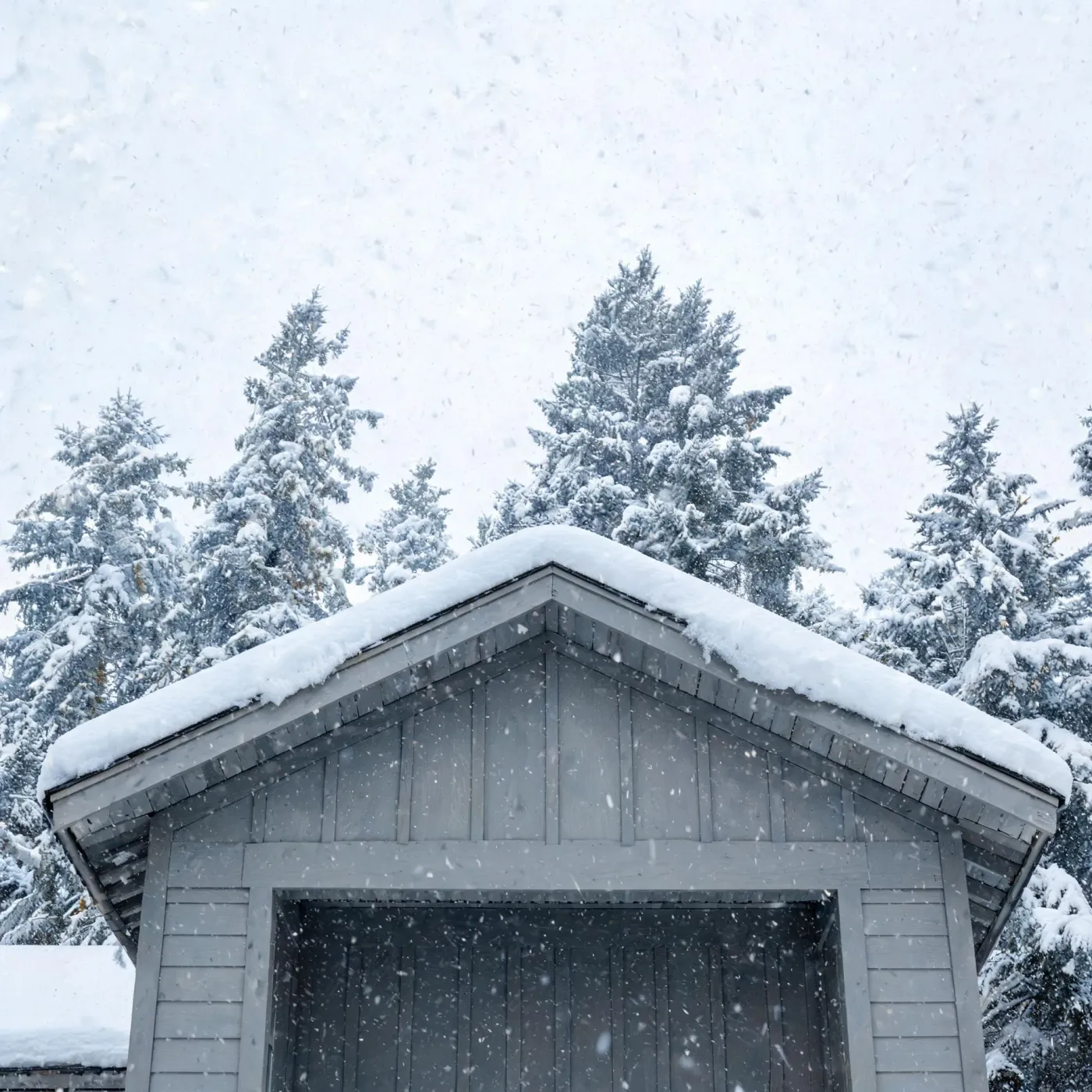
Gable end of a gray wood-clad building with a snow-covered roof and open doorway, backed by snow-laden conifers during falling snow.

Winter nights average 22°F statewide, according to the National Weather Service. That's cold enough that a furnace on the edge of failing shows it fast, a longer run before the house feels warm, a thermostat that can't quite hold its setting overnight. A furnace in good shape handles those nights without a second thought. One that's struggling will tell you around 2 or 3 in the morning, which is a bad time to start looking for a contractor. Sorting out who's licensed, who answers the phone, who actually works on furnaces instead of just AC, that's the part that eats an evening. Matching with one local contractor who already knows this equipment skips past all of it.

NOAA nClimDiv 1991-2020 county normals weighted by homes

No quotes to chase

The pro who reaches out is licensed in Idaho.

You're not committing to anything by asking.

How a gas furnace actually works

  • A gas furnace lights the burners, pulls combustion gas through the heat exchanger, and the blower pushes warmed air into the ductwork.
  • The heat exchanger is what separates combustion gas from the air moving through your house, so a crack there is a safety issue, not just a repair.
  • An igniter replaces the old standing pilot on most furnaces built in the last few decades, and it's one of the first parts to fail with age.
  • The inducer motor has to prove a clear vent before the burners are allowed to light, which is why a failing one keeps a furnace from starting at all.
  • A furnace that short cycles, turning on and off in quick bursts, is often a sign the heat exchanger or flame sensor is already going.
  • Properly sizing a replacement furnace to the house matters as much as the brand, since an oversized unit cycles too often and wears out early.

A thermostat call starts the sequence. The inducer motor kicks on first and clears the vent of any leftover gas before anything lights, and the furnace won't move past that step if the motor can't prove a clear path. That's a safety lockout, not a glitch. Once the vent checks out, the igniter heats up and lights the burners. Most furnaces installed in the last few decades use this kind of igniter instead of the standing pilot older units had, and it's a part that wears with every cycle, so it tends to fail before much else does. The flame sensor then confirms the burners actually lit. If it doesn't see a flame, it shuts the gas off, which is a safeguard, not a flaw. From there, combustion gas runs through the heat exchanger while the blower pulls house air across the outside of it. The heat exchanger is the only thing standing between that combustion gas and the air going into your rooms, which is why a crack in it gets treated as a safety call and not a routine fix. The blower pushes the warmed air into the ductwork and out through the vents. When a furnace short cycles, turning on and off in quick bursts instead of running a full heating cycle, it usually means the heat exchanger is overheating or the flame sensor is reading a weak flame, both worth having looked at before the cold sets in fully.

A basement utility area with a gray furnace, sheet-metal ductwork, pipes, plastic-covered walls, a concrete floor, and a black shelving unit holding storage bins.
Clean lines, no rust, PVC venting doing its job without strain on the system.
A gray metal furnace with louvered vent panels stands on a concrete basement floor beside galvanized ductwork, gas and plastic pipes, and foil-faced insulation along the ceiling and wall.
Surface rust on the cabinet and an older burner setup are signs the furnace is past its prime.

Is your furnace telling you something right now

Stand near it while it runs. A furnace near the end of its life usually makes itself known. It takes longer to kick on, or it cycles more than it used to just to hold the same temperature. You might hear a rattle from the blower, a popping sound as the burner lights, or notice a burnt dust smell the first few times you run it each season. Some rooms stay cooler than others even with the thermostat set the same as always. If you smell gas at any point, or notice soot around the burner, that's not a wait and see problem. A cracked heat exchanger can let combustion gas mix with the air moving through your house, and that's worth having looked at right away.

  1. Thermostat calls for heat and ignition system starts

  2. Igniter heats up or pilot lights the burners

  3. Burners fire and heat the heat exchanger

  4. Blower pushes air across the hot heat exchanger

A gray-haired man in a dark long-sleeve shirt sits on a gray sofa in a living room, looking toward a sunlit window with sheer curtains.
A gray-haired man in a dark green sweatshirt sits on a sofa in a living room, looking toward a bright window, with a houseplant, lamp, fireplace and framed art behind him.
A gray-haired bearded man in a dark green collared sweater sits on a sofa in a living room with a window, houseplant, floor lamp and bookshelves, looking off to the side.
A gray-haired man in a dark green sweater sits on a sofa in a sunlit living room, looking off to the side, with a framed landscape painting, dining table and shelving behind him.

Winter nights average 22°F statewide

At 22°F overnight, your furnace is running most of the night just to hold the thermostat setting. A unit near the end of its life has a harder time keeping up at that temperature, and you'll feel it first in the early morning hours before the house catches up.

NOAA nClimDiv 1991-2020 county normals weighted by homes

A gas furnace in Idaho lasts 15 to 20 years when it was sized and installed right from the start. Past that range, a breakdown on a cold night is more likely to mean replacement than another repair, and the signs usually show up at home before the furnace quits for good. When it's time to replace rather than fix, the furnace goes in once, by a licensed contractor local to Idaho who installs and services this equipment all winter and knows what tends to go wrong with furnaces run this hard. You won't be sorting through quotes from several companies or explaining the same thing twice. One contractor takes the call, looks at what you have, and tells you straight whether it's a repair or a replacement and what the install involves. Where you stand now is simple: check your furnace's age against that 15 to 20 year range, watch for the signs already covered, and get it looked at before the next cold stretch rather than during it.

At dusk, a dark board-and-batten house with a standing-seam metal roof and lit entry walkway of stone pavers, with two large outdoor heat pump units on a stone-walled pad at right and trees and hills in the background.

Furnace Installation

Skip the calls to every shop

New system or replacementFurnace or heatingIdaho
Step 1 of 2

What ZIP code is the job in?

  • A beige upholstered armchair with an olive cushion sits in a sunlit corner beside a wooden side table holding a ceramic vase with leafy branches, under a framed abstract artwork, on a woven rug over a wood floor.
    • A local installer who puts in furnaces gets your project.
    • Get in touch with a local installer about a new furnace.
  • A gray outdoor condenser unit on a concrete pad surrounded by dark gravel, beside a dark wood-sided wall with an electrical disconnect box and a stone veneer wall with a small evergreen shrub.
    • Send the form and stop researching installers for the new furnace.
    • Send the form and the search for an installer is over.
  • A beige upholstered oversized armchair with a matching cushion and a knit throw draped over one arm, beside a round wooden side table holding a vase of greenery near a curtained window, with a framed landscape print on the wall and a woven rug on a wood floor.
    • Describe your furnace job once, to one pro.
    • Fill out one short form instead of calling around.
  • Sunlit living room corner with a beige upholstered sofa, cushion and knitted throw, a round wooden side table holding a white ceramic vase of leafy branches and a small wooden bowl, a framed landscape painting on the wall, and a window at right.
    • Your request stays with one local pro.
    • Your request goes to one pro, not a list of companies.