
Repair or replace an aging furnace in Idaho
A furnace that's starting to struggle usually tells you before it quits outright: it runs longer to reach the same temperature, the burner cycles on and off more than it used to, or one room stays cold no matter what the thermostat says. Most homes in Idaho heat with gas, and a gas furnace can often be repaired well past ten years old if the heat exchanger and burner assembly are still sound. What decides the question is usually the age of the unit and how much a major part costs to fix versus replace, not any single breakdown. If yours is pushing fifteen years or has needed repeat repairs, a new installation often costs less over time than keeping patches on an old system. Either way, with winter coming, a straight answer now matters more than guessing through another cold snap.




Not every furnace problem means the same thing. An igniter or flame sensor is cheap and quick to replace, and doing so doesn't say anything bad about the rest of the furnace. Those parts wear out on their own schedule, regardless of the unit's age. A cracked heat exchanger is different. It's a safety issue, not a repair job, because it can let carbon monoxide into the house, and no contractor will patch one. A failed gas valve or inducer motor sits in between. Both can be repaired, but the cost is often close enough to the cost of a new furnace that replacing it makes more sense. Age plays a role too. Past 15 years, a furnace is burning more gas to put out the same heat it did when new, and parts for it start getting harder to source. If yours is short cycling, turning on and off every few minutes, that can mean the heat exchanger or blower is already on its way out, worth having looked at before it fails for good.
What's Failing, and What It Means
- A cracked heat exchanger forces replacement outright, since it can leak carbon monoxide into the house and no contractor will patch it.
- The igniter and flame sensor fail more often than any other part, and swapping either one is a repair, not a reason to replace the furnace.
- A gas valve or inducer motor failure costs enough to repair that it often makes sense to put that money toward a new unit instead.
- Furnaces lose efficiency as they age, so a 15 year old furnace burns more gas to produce the same heat than it did new.
- A furnace that short cycles, turning on and off every few minutes, is often a sign the heat exchanger or blower is already failing.
- Once a furnace passes 15 to 20 years old, parts for it get harder to find and a contractor may have to special order them.


A furnace older than fifteen years is already past the point where most parts are rated to last, so a breakdown in January isn't bad luck. It's the odds catching up.
Replacing it before that happens means you pick the week it gets done, not a contractor picking for you because the old one quit overnight.
Winter nights average 22°F statewide
22°F is the average overnight low here, December through February, and your furnace has to hold against that for hours at a stretch, every night, not just on the cold snaps. That's steady, heavy work for a system that's already losing parts.
NOAA nClimDiv 1991-2020 county normals weighted by homes
What a failing furnace costs you now
A furnace working harder than it should shows up on the gas bill before it shows up as a breakdown. Longer burner cycles mean more gas burned to hold the same temperature, month after month. Power here is cheap, but gas is doing the heavy work in most Idaho homes, and that's the bill that climbs first. The cold room you've been closing off isn't free either. You're paying to heat the rest of the house harder to make up for it, and still losing the argument in that one room. None of this shows up as a single event you can point to. It shows up as a winter that costs more than the one before it, for the same house, the same thermostat setting, and less comfort to show for it.
What happens if it fails in January
If the furnace quits on a night near that 22°F average low, you're not choosing when to deal with it. You're calling around in the cold, explaining the same problem to whoever picks up, waiting on whoever can fit you in first instead of whoever does the best work. A houseful of people with no heat doesn't wait well, and a cracked heat exchanger or a dead blower motor doesn't care that it's the coldest week of the year. Getting ahead of it now means you're the one setting the schedule. You send one form, and finding a contractor who can install the replacement stops being something you have to sort out yourself.


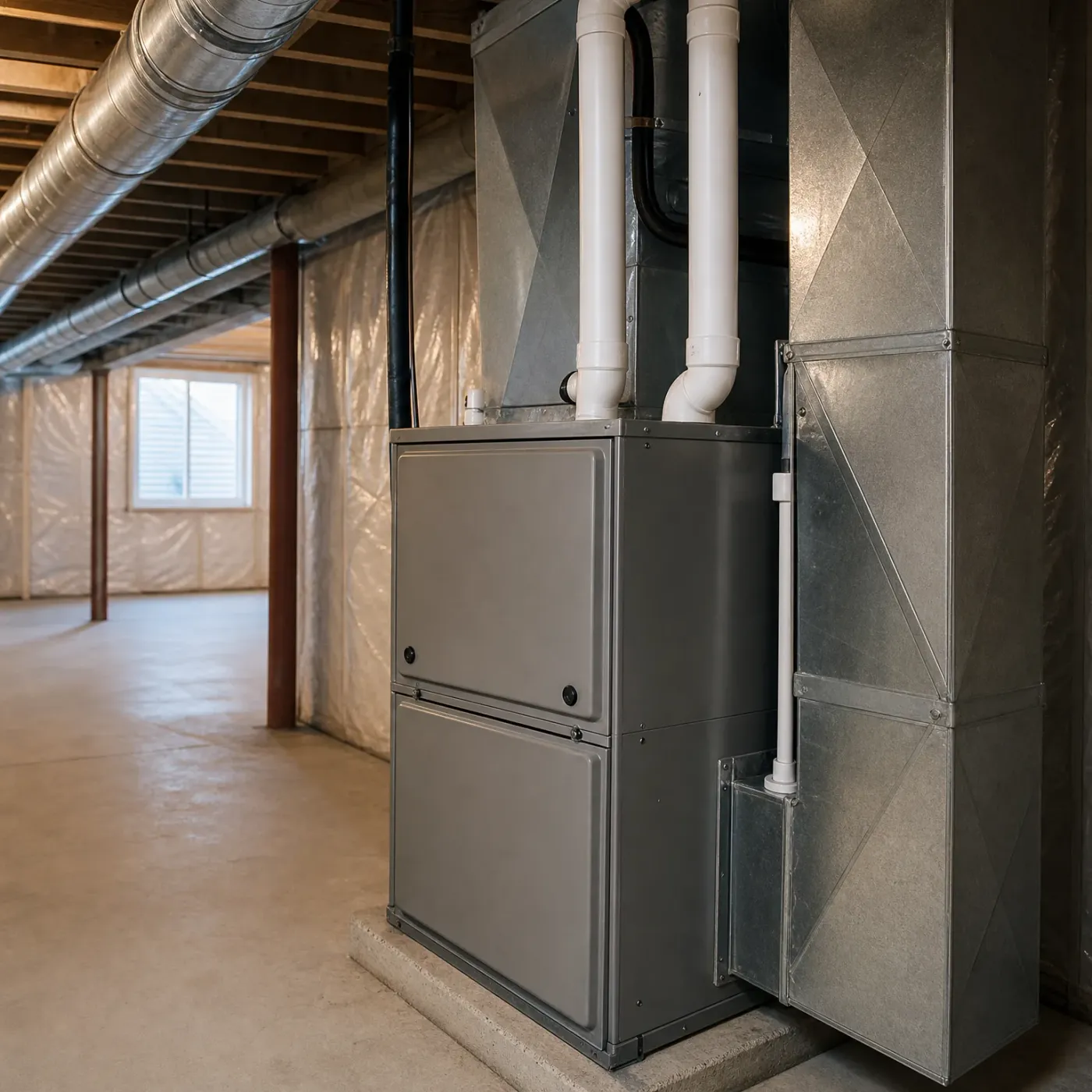
Send one request and you're done looking
Skip collecting and comparing quotes for the new furnace.
One request ends the search for a furnace installer.
You only hire the pro if you want to.
Repair the Furnace or Replace It
Repair
- A repair makes sense when the furnace is under ten years old and the failure is one part, like an igniter or a flame sensor.
- You keep the same gas furnace you have now, so there's nothing new to size or vent.
- A repair is the faster fix when the part is in stock, since there's no equipment to order or install day to schedule.
- If the heat exchanger is sound, a repair buys you more winters out of a furnace that's otherwise running fine.
- Repeated repairs on the same furnace in a single winter usually mean the next part to fail is already close behind.
Replace
- A cracked heat exchanger or a furnace past fifteen years makes replacement the only sound option, repair or not.
- A new furnace carries a warranty on the whole unit, not just the one part that just failed.
- Replacing before a breakdown means you choose the week the work happens instead of waiting on a contractor's emergency list.
- A newer furnace holds the thermostat's setting through a 22°F night without the long burner cycles an aging one needs.
- Installation costs more upfront than a repair, but it closes off the string of smaller repairs an old furnace tends to need next.


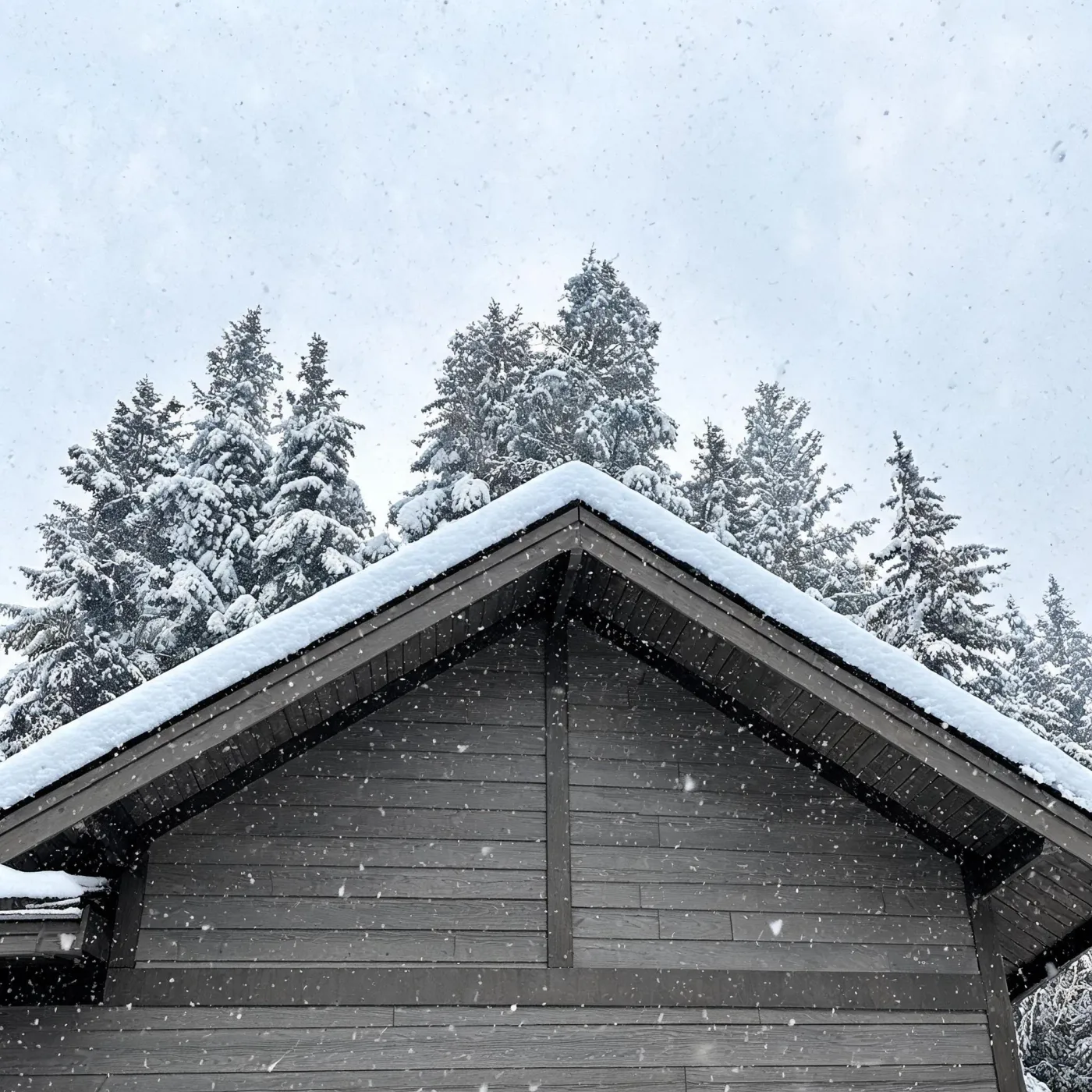
Statewide, winter nights average 22°F, and that's the number your furnace is working against for most of the night, not just when a cold front comes through. At that temperature the burner runs longer each cycle to make up for heat loss through walls and windows, and it doesn't get much of a break between cycles. A furnace in good shape handles that without issue. One that's already lost a part or two starts showing it here first: a bedroom that won't hold temperature, a thermostat that reads warmer than the room feels. Source: statewide weather data.
NOAA nClimDiv 1991-2020 county normals weighted by homes
Why does my furnace take so long to warm the house up now?
You've noticed the house takes longer to come up to temperature than it used to, even though the thermostat is set the same as always. It's not your imagination, and it's not just the cold outside. Something about the way the furnace is running has changed, and you want to know whether that's normal wear or a sign it's on its way out.
The burner is cycling longer because the furnace isn't moving as much heat per cycle as it used to
A furnace heats the air passing over its heat exchanger, then a blower pushes that air through the ducts. When a part of that path loses efficiency, the same burner cycle moves less heat into the house, so the thermostat takes longer to see the temperature it's waiting for. That shows up as longer run times before anyone notices a part has actually failed. Idaho winters make this harder to shrug off, since the furnace is already running long cycles against nights near 22°F. A furnace that's slowing down now is doing that same work with less margin, and margin is what runs out first.
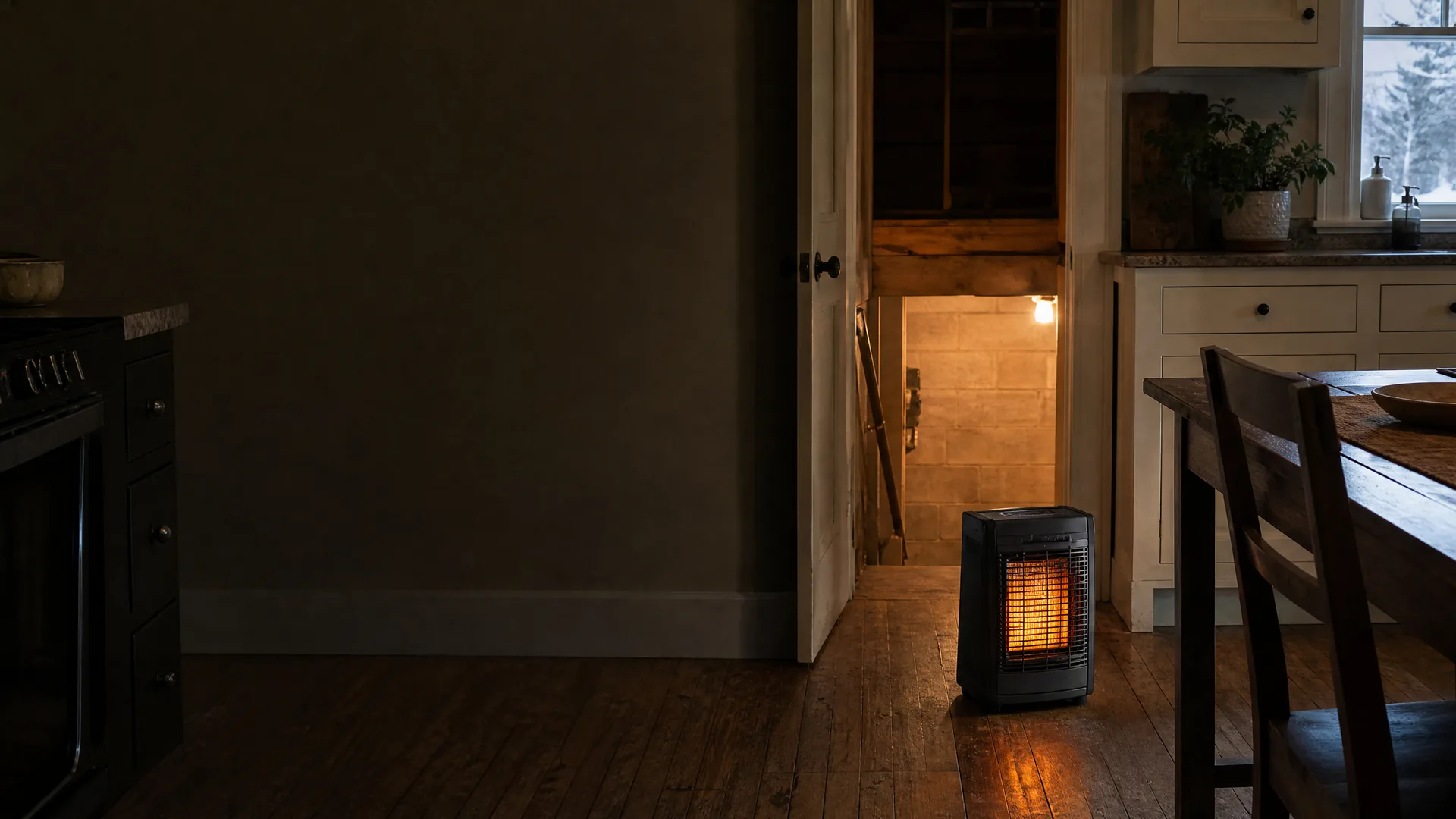
It's just past six and still dark outside. The kitchen window shows frost at the corners. You've got the space heater pulled out from the hall closet, set up by the table where your coffee's going cold, its coil glowing orange against the wall. The basement door is open behind it, the one you went down to check on the furnace twenty minutes ago, flashlight in hand, when the thermostat read 58 and climbing slower than it should. Outside, Idaho is holding at its usual December low, somewhere near freezing overnight. The heater ticks as it warms. You're standing there in a coat, waiting to see if the burner catches on its own before you start making calls.

Where this leaves you
A furnace that's cycling longer, struggling to hold one room, or already past fifteen years is telling you something. Repair it if it's one part and the furnace is still young. Replace it if the heat exchanger is cracked or the age and the failures are stacking up together. Either way, the decision is clearer now than it was reading the gas bill alone.
What's left is finding someone to do the work, and that's the part that eats a weekend: calling around for quotes, explaining the same symptoms to three different companies, waiting on callbacks that don't come. Send the form and that search is off your plate. You'll hear from a contractor and go from there, instead of starting from a search engine in January with no heat and no name to call.

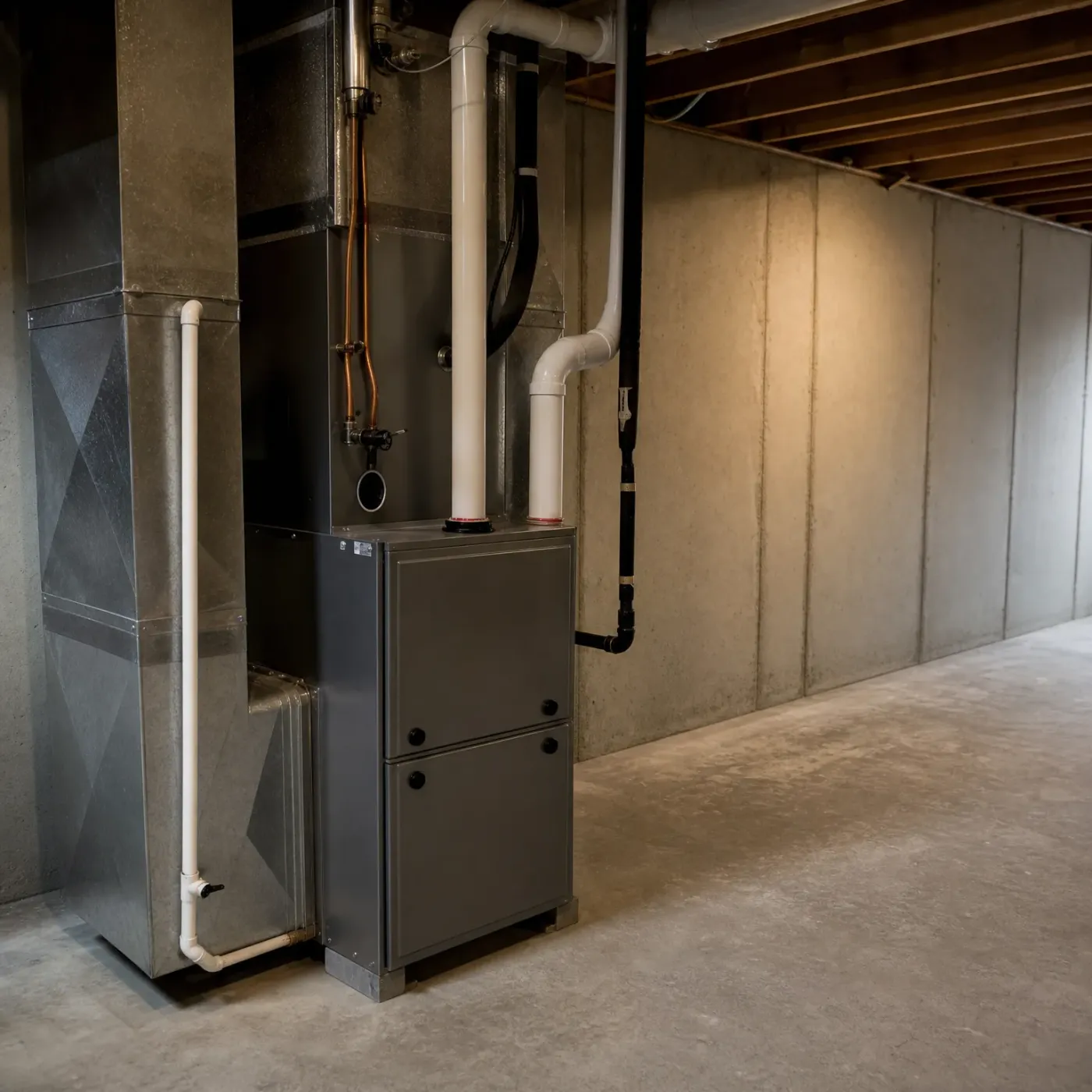
Finding a pro stops being your job
Skip the round of in-home estimates for a new furnace.
Asking costs nothing, and the choice to hire stays yours.