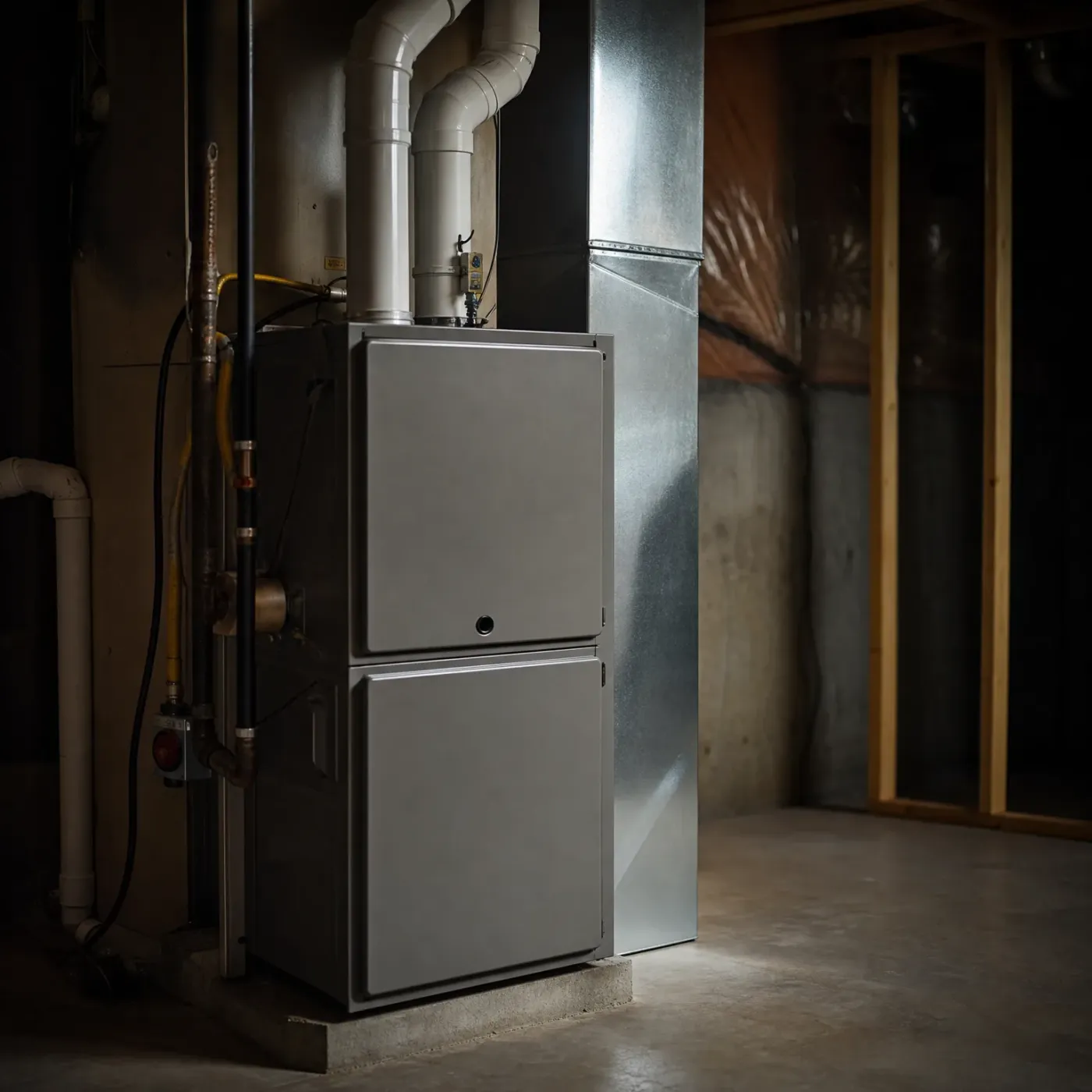
Get matched with a furnace pro in Payette County
When to replace a furnace in Payette, ID
Cold weather in Payette pushes a furnace hard, and at some point repairing it stops making sense compared to putting in a new one. That decision usually comes down to the age of the system, how often it's broken down, and what it's costing to keep running. Answer those and the rest gets easier, including finding a contractor who can look at your specific setup.
Find a furnace proMost furnaces last 15 to 20 years, and once yours is in that range, a breakdown in the middle of a Payette winter is reason enough to replace it rather than repair it again. Cold nights here mean the furnace runs for hours at a stretch, and an older unit working that hard tends to fail at the worst possible time. If it's cycling on and off more than it used to, taking longer to warm the house, or you're calling for repairs most winters now, the heat exchanger or the blower motor is likely wearing out, and parts for an older model get harder to find. A new furnace sized right for your house will hold a steady temperature through the cold months without the strain. If yours has needed more than one repair this winter already, that's usually the sign to stop patching it.
25°F is the average overnight low across December, January and February here, according to NOAA. At that temperature your furnace isn't cycling on and off, it's running long stretches just to hold the house steady. That kind of steady demand is what wears out an aging furnace faster than mild weather ever would. If yours is already older or has needed repairs, these are the nights it's most likely to quit, usually when you're leaning on it hardest. A furnace in good shape handles this without much notice. One that's near the end of its life tends to struggle right around this point.
NOAA nClimDiv 1991-2020


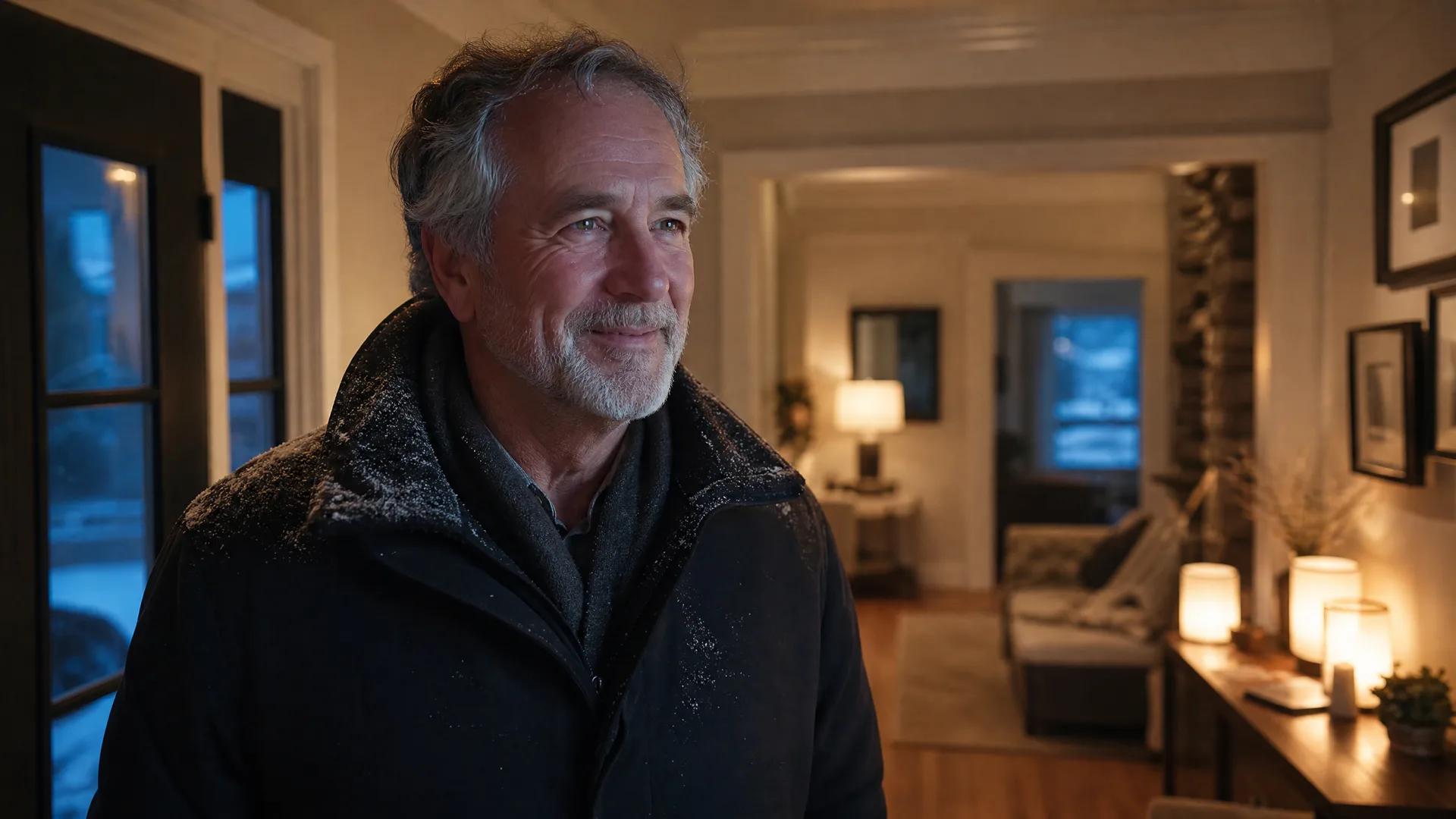
A furnace starts up in a fixed sequence. The inducer motor kicks on first, clearing the exhaust path so the pressure switch can close. Then the igniter heats, the gas valve opens, and the burners light. If any step in that chain gets interrupted, the furnace won't run at all, which is why a no-heat call is often simpler to diagnose than a furnace that runs but runs badly.
The harder failures show up in the heat exchanger. It's the part that cracks instead of just wearing out, and a crack there lets combustion gas mix into the air your blower is pushing through the house. That's why a cracked heat exchanger gets replaced rather than patched. The limit switch is built to catch overheating before it gets that far, so a furnace that keeps tripping it is telling you airflow is restricted somewhere upstream. Short cycling points the same direction, often to that cracked exchanger or a flame sensor that's stopped reading the flame correctly. The blower motor usually gives its own warning first, a bearing noise that shows up well before the heat itself fails.
How a Furnace Actually Fails
- A furnace fires in a set order: the inducer motor starts, the pressure switch closes, the igniter heats, then gas valve opens and burners light.
- The heat exchanger is the part that actually warns you it's failing, through cracks that let combustion gas mix into the air your blower pushes through the house.
- A furnace that short cycles, turning on and off every few minutes instead of running a full heat cycle, is often a cracked heat exchanger or a failing flame sensor.
- Every furnace has a limit switch that shuts off the burners if the heat exchanger gets hotter than it should, and a furnace that trips this switch often is losing airflow somewhere.
- The blower motor runs far longer than the burners do, since it keeps circulating air after the burners shut off, so a worn blower bearing shows up as noise long before the heat fails.
- Carbon monoxide only becomes a risk once the heat exchanger itself is compromised, which is why a cracked one is a replace decision and not a repair one.


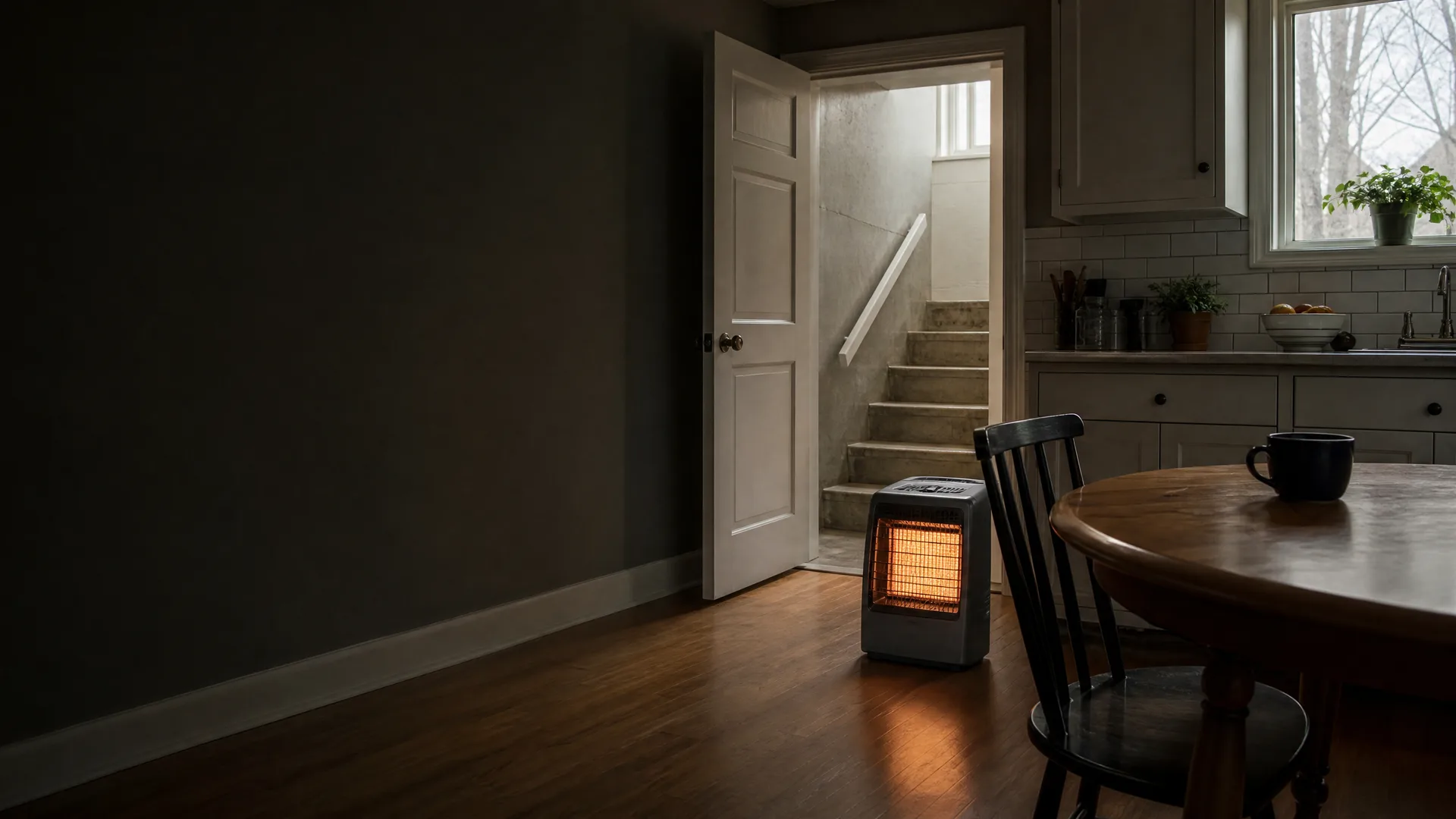
The space heater has been running since five, when the furnace quit and the kitchen was the only room worth sitting in. It's still dark out, maybe 20 degrees on the porch thermometer, the kind of morning Payette gets a lot of in January. The basement door stands open because that's where the furnace is, and you've been down there twice already with a flashlight, checking the same panel you don't understand. The heater throws a small orange circle of warmth across the table and not much past it. Your coffee's gone cold twice. Somewhere under the house the furnace sits quiet, and the house is starting to feel it.
A local pro for your furnace installation
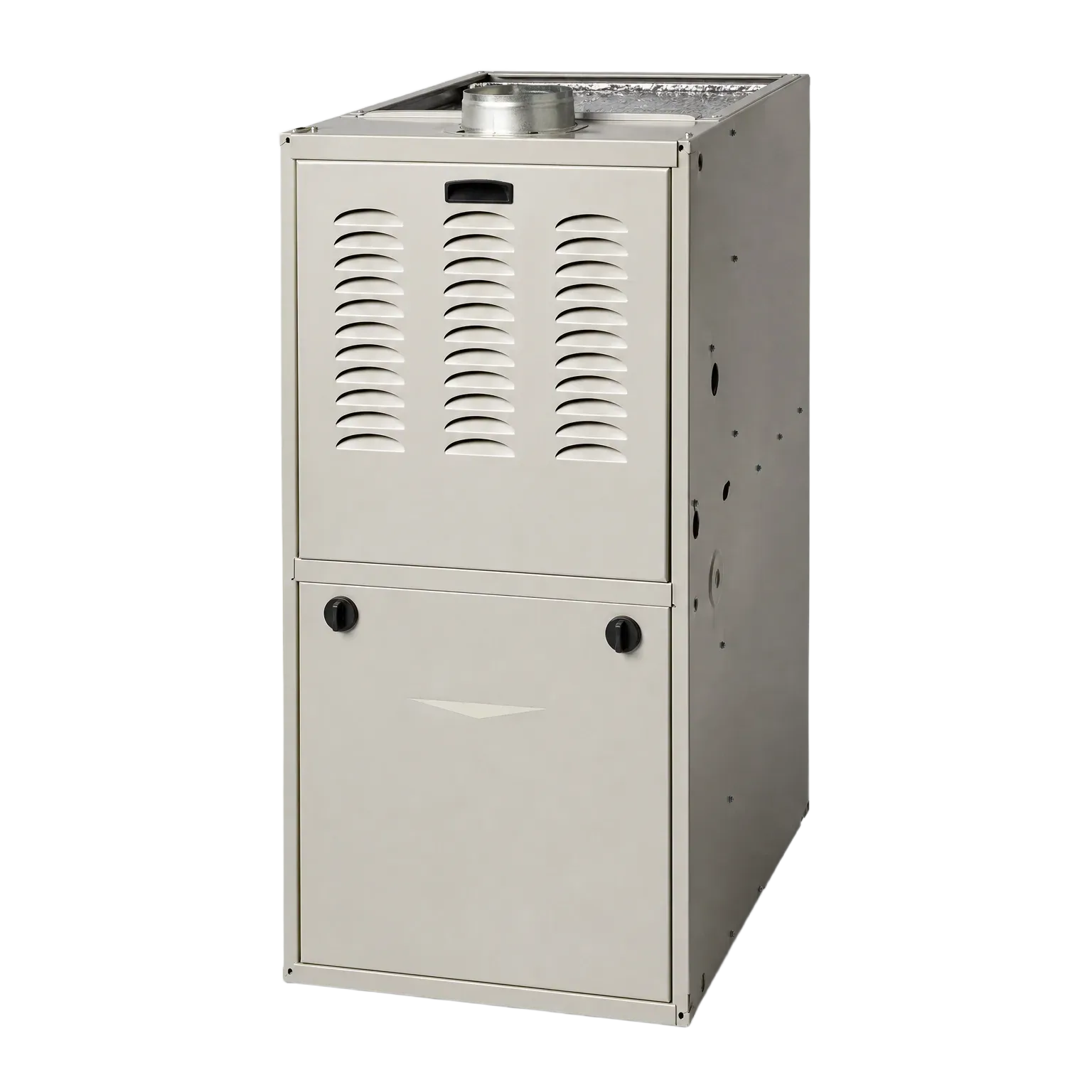
Send the form and stop researching installers for the new furnace.
No charge to send it. You decide if you hire them.
Most homes here heat with electricity, and power in Payette County is cheap, so a furnace nearing the end of its life rarely gets replaced to save money on the bill.
It gets replaced because an 18 year old heat exchanger can crack without warning, and nobody wants to find that out on a night when it's 25 degrees outside.
How long does a furnace have to work here each year?
Winter nights average 25°F
Winter nights average 25°F here, which is why a furnace in Payette County is working hard, not idling, most of the winter.
Heat runs October through May
Heat runs October through May here, so a furnace in Payette County gets about eight months of real use every year, not just a few cold snaps.
44.3% of homes heat with electricity
44.3% of homes in Payette County heat with electricity, more than any other fuel, so most furnace replacements here are electric systems.
NOAA nClimDiv 1991-2020 · ACS 2020-2024
Deciding on a New Furnace
- A furnace 15 to 20 years old that breaks down mid-winter in Payette is worth replacing rather than fixing again.
- Winter nights here average 25°F, so a furnace runs long stretches rather than short cycles, and that wears parts down faster.
- A cracked heat exchanger is the failure that matters most, since it can let combustion gas into the house without warning.
- Heat runs here from October through May, which gives a furnace more months of hard work each year than in milder places.
- Power in Payette County is cheap, so age and reliability drive a replacement decision more than the electric bill does.
- Once you send the form, finding a contractor to look at the furnace is no longer something you have to chase down yourself.
A furnace that's 15 to 20 years old and giving you trouble in the middle of a Payette winter has told you most of what you need to know. Nights here average 25°F for three months straight, which means the furnace isn't cycling on and off the way it would somewhere milder. It's running long stretches to hold the house at temperature, and that kind of steady load wears down an aging heat exchanger, igniter and inducer motor faster than a shorter winter would. The real risk isn't comfort, it's the crack in a heat exchanger that lets combustion gas into the house without any obvious sign something is wrong. Heat runs here from October through May, so a furnace in Payette County is doing this work for more months out of the year than most homeowners outside the area ever have to think about. None of this comes down to the power bill. Electricity here is cheap enough that saving money isn't the reason to replace an old unit. Age and reliability are. A furnace that's old enough and has broken down once has a good chance of doing it again, usually on a night you'd rather not be dealing with it. Once you decide replacement makes more sense than another repair, the next step is matching with a contractor who can look at the system and talk through what fits your house. Sending that form is the last thing you have to do yourself.

Furnace Installation
Get the right pro for your furnace

- Get matched with someone who does this kind of work in Payette County.
- Get in touch with a local installer about a new furnace.

- Once you send the form, finding a pro is off your list.
- After you send the request, you're done searching.

- Skip the round of in-home estimates for a new furnace.
- Describe the project once instead of to every installer.

- A licensed installer who works in Payette County gets your project.
- One installer gets your project, so there's no bidding war over it.