
Heat pump vs furnace in Benewah County, Idaho

Start My Quote

Local pros in Benewah County

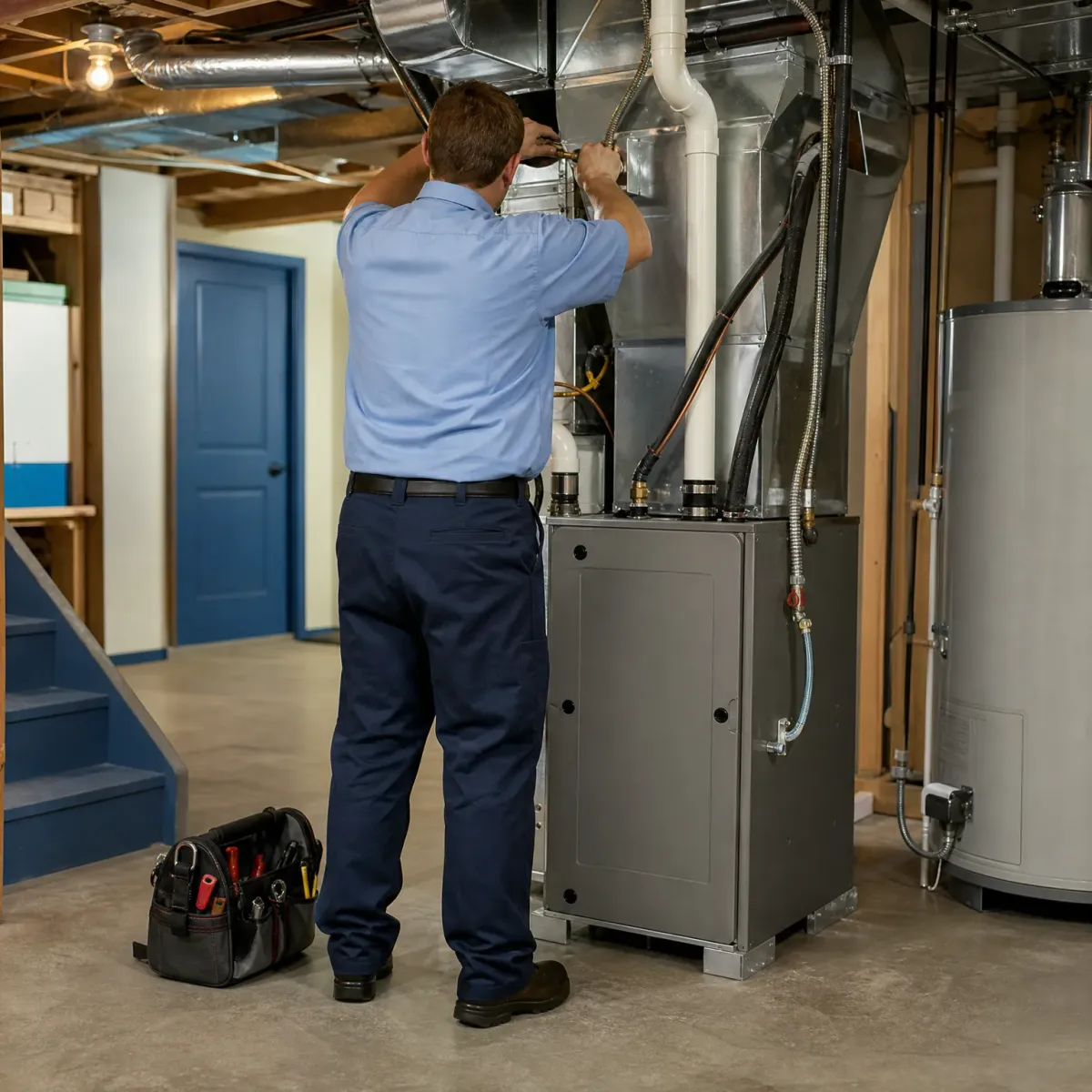
A man in a light blue shirt and dark trousers works on overhead ductwork above a furnace in a basement, with a tool bag on the floor and a water heater to the right.

Tell us about the job

Takes about a minute. No obligation.

New system or replacementBenewah County, ID
Step 1 of 3

What kind of equipment?

Which costs less to run in Benewah County?

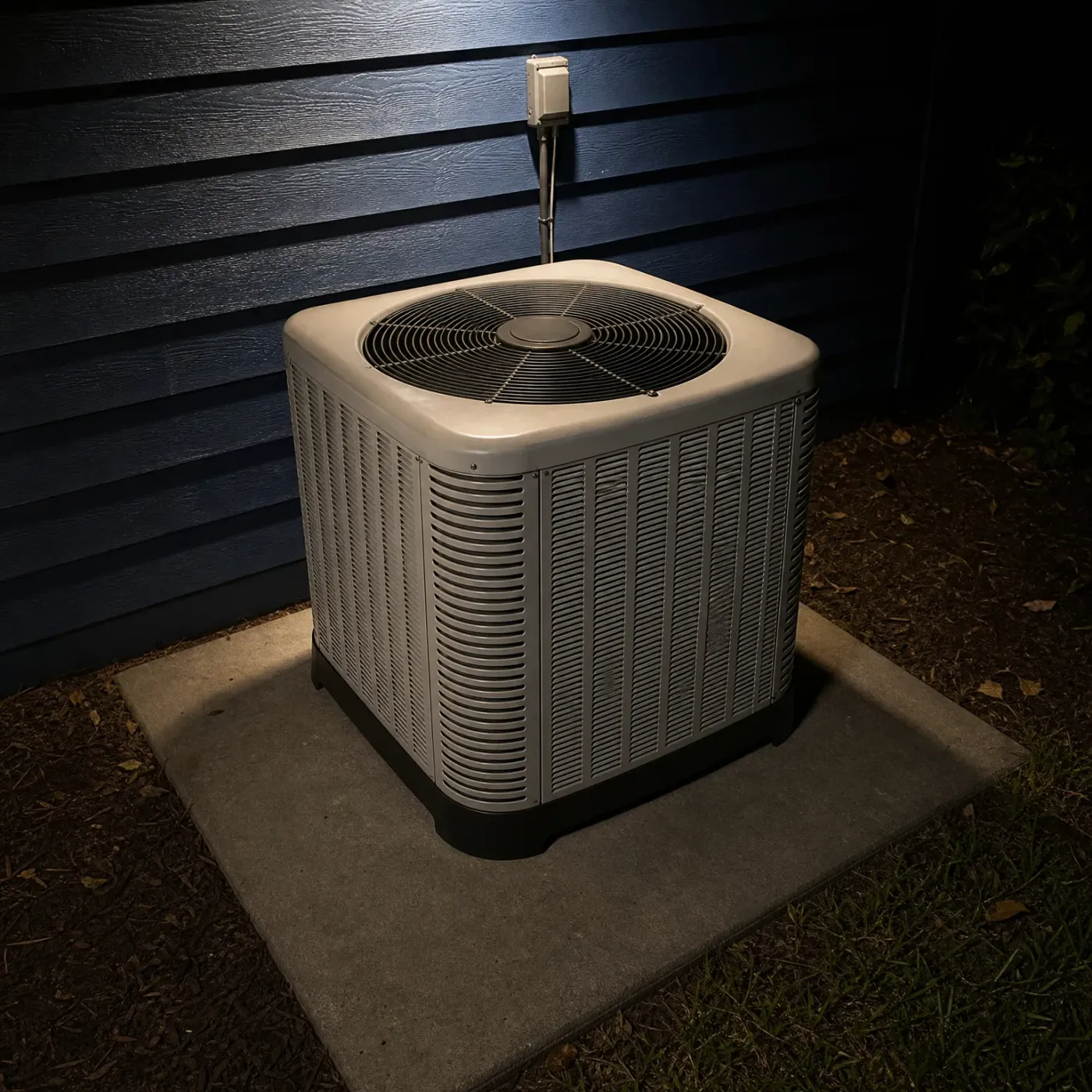
An outdoor air conditioning condenser unit on a concrete pad beside a dark horizontal-lap sided wall at night, with an electrical disconnect box and conduit on the wall above it.

Heat pump

To heat your home here$1.54per 100,000 Btu

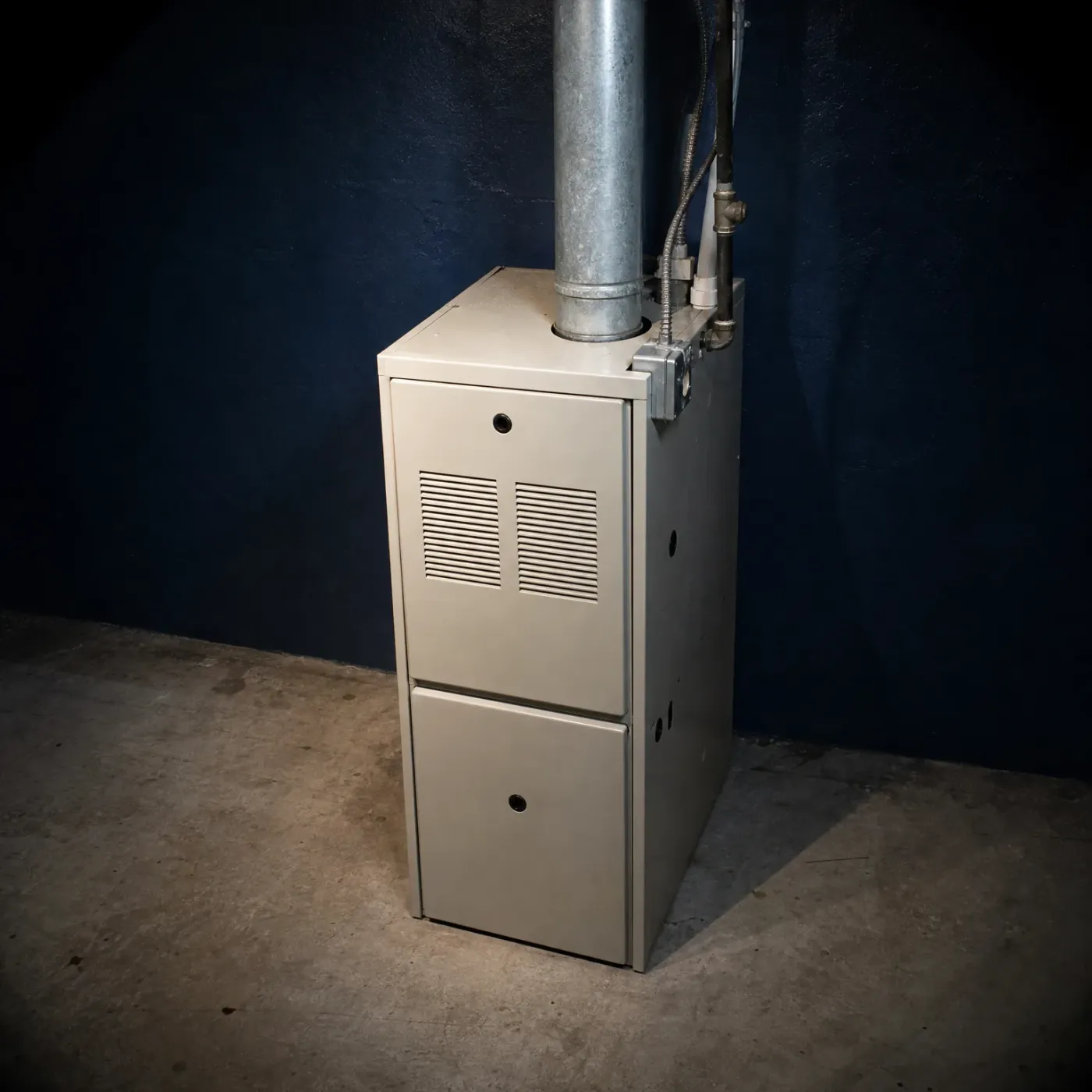
A beige residential furnace with louvered vent panels stands on a concrete floor against a dark blue wall, with a metal flue pipe and conduit running up from its top.

Furnace

To heat your home here$1.03per 100,000 Btu

At Idaho's gas and electricity prices, a gas furnace makes the same heat as a heat pump for at least 32% less.

Btu stands for British thermal unit, the standard measure of heat energy.

Where does a heat pump shine?

  • Heats and cools in one system

    One machine handles the heat in winter and the cooling in summer. There's no second system to buy or keep up.

    A beige sofa with a navy cushion and light blue knit throw sits beside a large window overlooking a green garden, with a wooden coffee table holding a mug, bowl and vase of flowers, and navy built-in shelving with stone wall at right.
  • Steady, even comfort

    Instead of short bursts of heat, it keeps a gentle, steady output going. The house stays at one comfortable temperature.

    A living room at dusk with a lit wood stove in a dark fireplace surround, a navy armchair with a blue throw and open book, a window seat with cushions, a lit floor lamp, and a tan dog sleeping on a cream shag rug.
  • No gas line, nothing burning in the house

    It moves heat instead of making it from fire. That means no combustion, no flue and no gas bill for heat.

    A kitchen with a white marble-look island counter over navy cabinetry, a black induction cooktop with a stainless steel kettle, two light blue pendant lamps, wooden stools, a bowl of green apples, a wooden shelf with plants and dishes against a blue wall, and a built-in oven.

Where does a furnace shine?

  • Fast, strong heat on demand

    Turn the heat up and the furnace answers right away. There's no long wait for the house to catch up.

    An entryway with a dark blue door and snowy trees visible through its window, a pair of fur-lined winter boots on a jute rug, a wooden bench with a cushion, blue fringed throw and steaming mug, a wicker basket beneath, coats and a bag on wall hooks, a sheer curtain at right and a floor vent in the slate tile.
  • Proven, simple, easy to get serviced

    The design is simple and well understood. That keeps service calls short.

    A gloved hand holds a white pleated air filter in front of a gray furnace unit, with wooden shelving and storage bins in the background.
  • Pairs with any central AC

    Most central air systems are built around a furnace. The two share the blower, the ducts and the thermostat.

    A sheer white curtain hangs beside a sunlit window over a metal floor vent in a wood floor, with a blue chest of drawers, a woven basket, and a blue fringed rug nearby.

Can a heat pump handle winter here?

Your heat runs ten months a year here, September through June, and the overnight low averages 25°F across December, January and February. That's not a cold snap. That's the normal night. A standard heat pump starts losing ground before it gets that cold: below 40°F it already puts out less heat than its rating says, and below about 35°F it usually needs backup heat to keep up. Every one of the roughly 140 nights a year here that hit freezing or below falls under both marks.

That doesn't rule out a heat pump. It means the ordinary kind isn't built for this county. The ones that are carry the ENERGY STAR Cold Climate mark, which requires third-party testing showing the unit still makes at least 1.75 units of heat per unit of electricity at 5°F, and holds onto 70 percent of its 47°F capacity at that same temperature. A field test of prototype cold-climate units over two winters backed this up: backup heat covered only a small share of the load between 0°F and 35°F, and the unit running on backup alone was rare even above 0°F. If you're buying a heat pump for this county, that's the spec to check for, not the base model.

The 0°F nights are the other number worth knowing. There are only about 2 of them a year here, against about 140 nights at or below freezing. Most of your cold-weather heating load sits in that range just below freezing a cold climate heat pump is built to handle, not the rare deep cold where any system struggles.
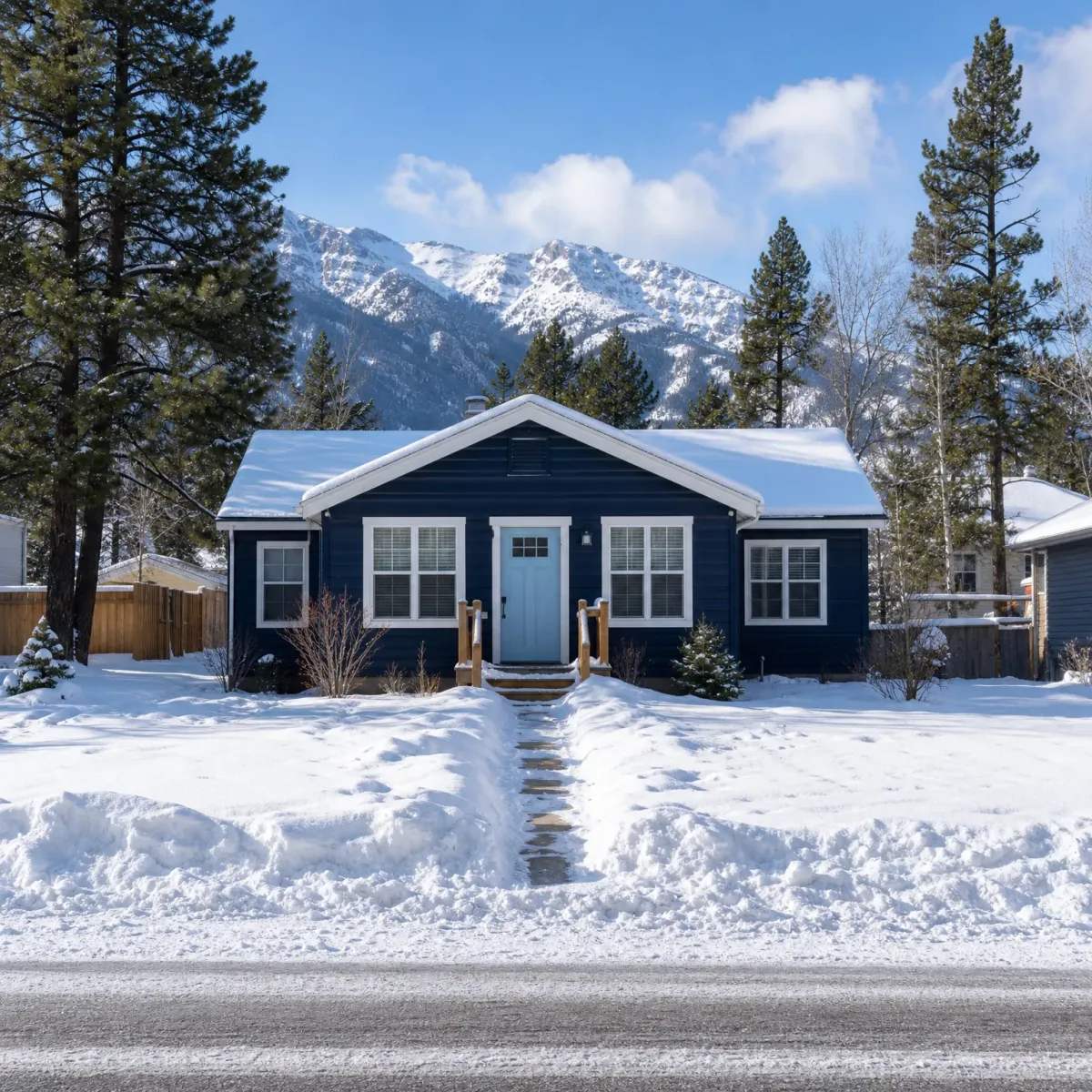
A single-story navy blue house with white-trimmed windows and a light blue front door, surrounded by deep snow, with pine trees and a snow-covered mountain ridge behind it.

What it costs to run, and what that means for your choice

A gas furnace is the cheapest of the three to run here: $1.03 per 100,000 Btu, against $1.54 for a heat pump and $2.81 for oil. That gap holds as long as Idaho's gas and electricity prices hold. If you already have a gas line to the house, that figure alone is a strong case for staying with gas.

If oil is what you're replacing, the comparison runs the other way. Oil here runs $2.81 per 100,000 Btu, nearly double the heat pump's $1.54. About one in ten homes in this county still heat with oil, and for those houses a heat pump is the cheaper machine to run, not the more expensive one.

Cooling is the other side of this. There's essentially no cooling season here, no month warm enough to call for air conditioning. A furnace only heats, so it sits unused outside the ten months it's needed. A heat pump runs the same system in reverse and covers the rare hot stretch without a second machine. If having that covered matters to you even a little, it's one more thing a furnace doesn't do.

So the honest answer depends on what's at the house now. Replacing gas, a furnace costs less to run and does the one job you need. Replacing oil, a heat pump costs less to run and adds cooling you'd otherwise go without, provided it's a cold-climate model sized for the freezing nights that make up most of winter here.

Sources: NOAA nClimDiv · NOAA 1991–2020 seasonal normals · PNNL Building America guide · PNNL-37127 field study · ENERGY STAR product criteria · EIA SEDS 2024 · 10 CFR 430.32 · Census ACS 2020–2024

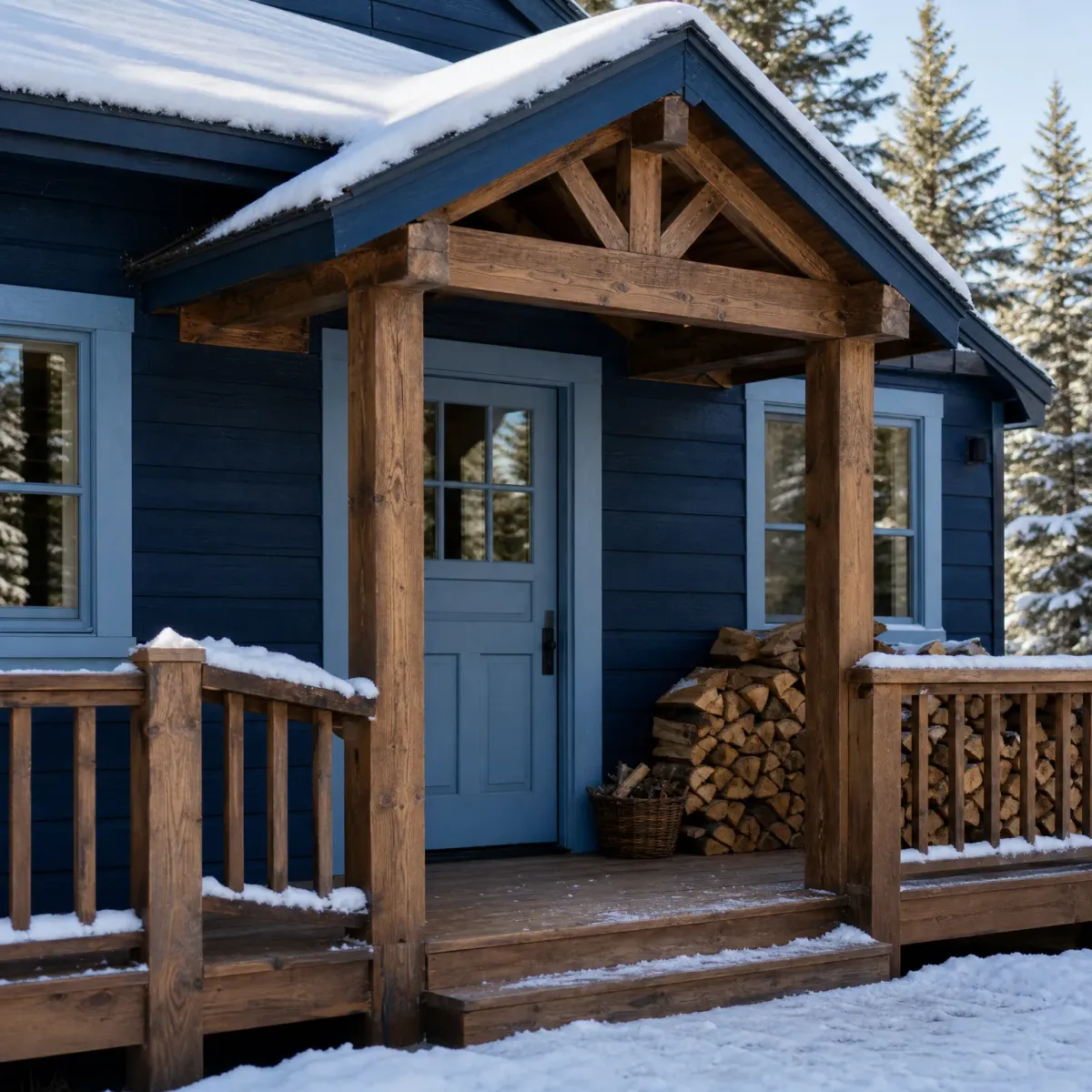
A dark blue wood-sided cabin with a light blue door, timber gable porch and railings, stacked firewood on the deck, and snow on the roof and ground with conifers behind.

Common questions about heat pumps and furnaces

  • Can a heat pump heat a house through an Idaho winter?

    Yes, but it needs help on the coldest nights. A standard heat pump's output falls short of its rating once it drops below 40°F outside, and the overnight low here averages 25°F across December, January and February. About 140 nights a year here hit freezing or below, so that shortfall shows up often, not rarely.

  • Do I need backup heat with a heat pump here?

    Most houses here will want it. A standard heat pump often needs backup once it is below about 35°F outside, and that covers every one of the roughly 140 nights a year here at or below freezing. Only about 2 nights a year drop to 0°F or below, so backup heat is doing real work on cold nights, not just the rare hard freeze.

  • What if my house heats with oil or propane?

    A heat pump costs less to run than an oil furnace here. Figured the same way as the rest of this page, oil comes to $2.81 per 100,000 Btu of heat against $1.54 for a heat pump, because fuel oil runs $23.34 per million Btu here against $33.76 for electricity. Propane runs close to oil at $26.48 per million Btu, so a house heating with propane is likely to see the same gap in favor of a heat pump.

  • Is a heat pump cheaper to run than a furnace in Benewah County?

    No, not here. A gas furnace makes the same heat for $1.03 per 100,000 Btu against $1.54 for a heat pump, so the furnace costs less to run at Idaho's prices. The gap is the fuel, not the house: electricity runs $33.76 per million Btu here against $8.25 for natural gas.