
What to do when the heat goes out in Payette, ID

RepairFurnace or heatingPayette County, ID
Step 1 of 2

What ZIP code is the job in?

First, check the breaker and the thermostat, since those cause more no-heat calls than anything inside the furnace. If the breaker is fine and the thermostat has power, the problem is likely the igniter, a flame sensor that needs cleaning, or a safety switch that has shut the furnace down on purpose. Furnaces are built to stop running rather than run unsafely, so a dead system is often the unit protecting itself, not failing outright. In Payette, winters get cold enough that a few hours without heat matters, especially overnight or with a house full of people. Most homes here run on electric heat, so a furnace that will not start usually points to the furnace itself rather than a gas supply problem. Shutting it off at the breaker and leaving it off until someone qualified looks at it is the safer move than repeatedly resetting it and hoping it holds.

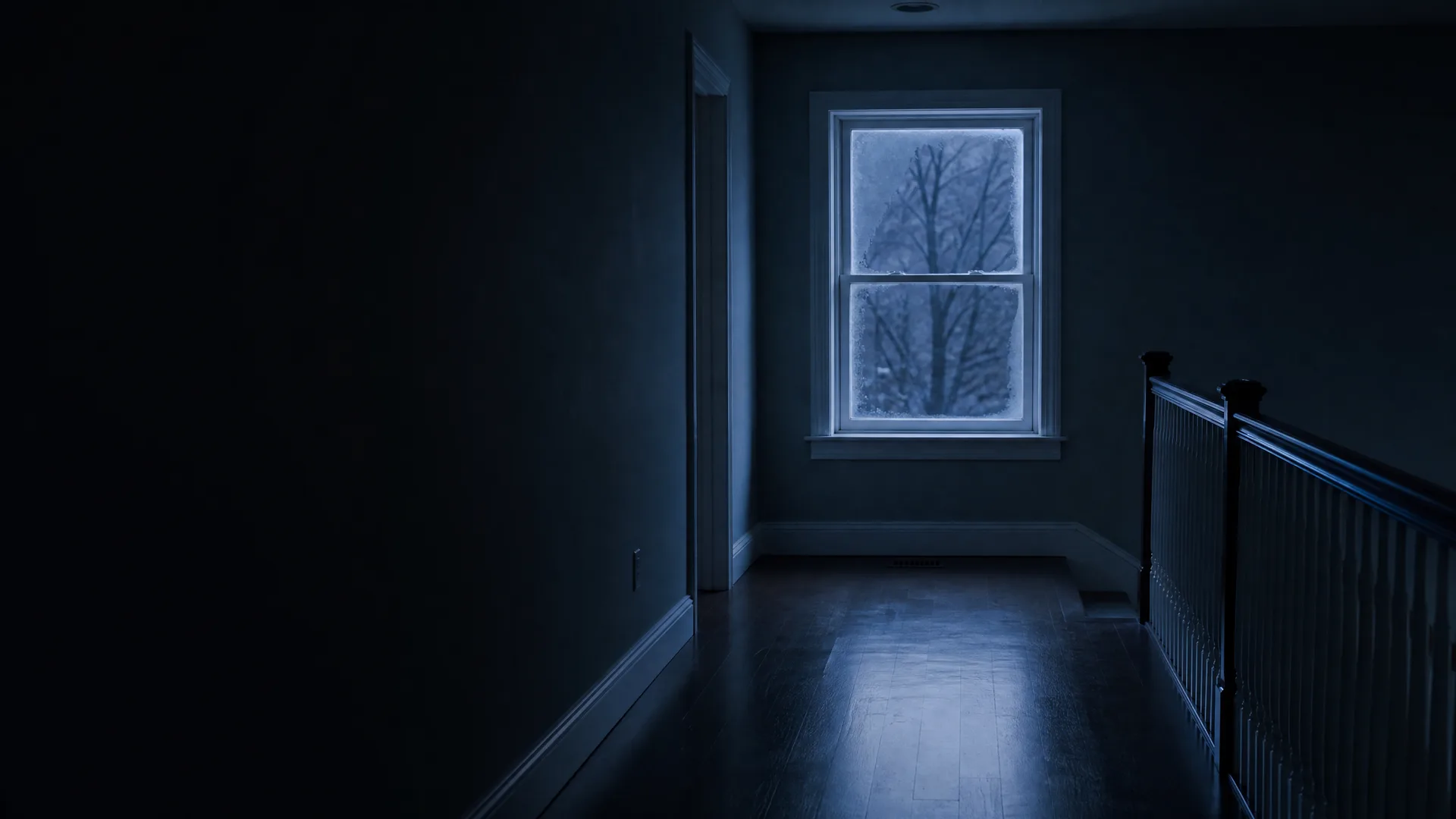
A dark interior hallway with a dark wood floor, a floor vent, a doorway on the left, and a stair railing on the right, lit only by a tall double-hung window showing bare tree branches outside.

You wake up because your feet are cold. It's past two and the house is too quiet, no hum from the vents, no rush of air. Down the hallway the floor vent doesn't tick with warm air the way it usually does. The window at the end shows frost crawling up from the sill, and outside the streetlight looks hard and blue off the snow. Payette gets nights like this in January, well below freezing, and the house is already losing the fight. You check the thermostat and it's lit but the numbers are dropping. You pull on socks and head for the breaker panel, because somebody has to.

Why does my house feel colder than usual tonight

Check the floor vents with your hand. If the air coming out is barely warm or not moving at all, the furnace has stopped doing its job. Listen for the burner. A working furnace clicks, then you hear a low whoosh as the burner lights. Silence after the click means the igniter failed to light the gas. A furnace that starts, runs a minute, then shuts off is usually tripping a safety switch on purpose, which means something inside is overheating or not drafting right. None of that is safe to leave alone in a Payette winter. Pipes on outside walls can freeze within hours once the house loses heat, and a frozen line can split and flood a wall or a floor before you notice it.

A dark high-efficiency furnace on a concrete pad in a basement, connected to galvanized ductwork, white PVC vent pipes, and copper and black gas piping, with concrete walls and wood framing nearby.

Furnace running right

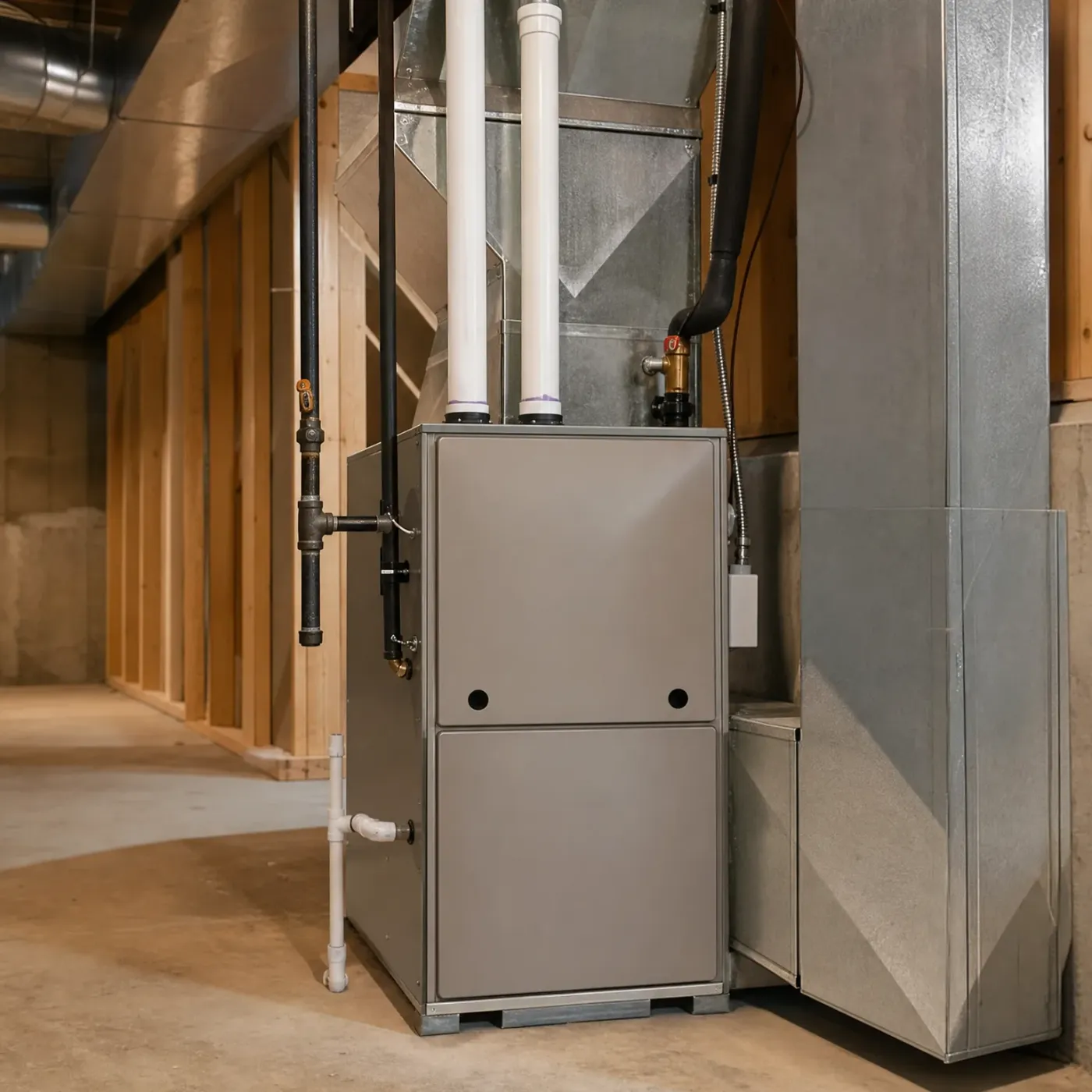
This is what a working furnace looks like: steady on its pad, gas line solid, PVC vent clear, ductwork sealed tight to the cabinet. It fires on command, runs quiet, and shuts off clean. No rust on the cabinet, no soot near the burner door, no puddling under the condensate line.


A gas furnace with a louvered upper panel stands on a concrete pad in a basement, flanked by sheet-metal ductwork, white PVC and metal pipes, and insulated columns.

Furnace in trouble

Here the signs are different. The condensate line sags where it meets the floor instead of draining straight. The flex conduit means old wiring to the control board. An older cabinet like this one is more likely to have a cracked heat exchanger or a failing igniter, the kind of failure a licensed tech in Payette needs to see in person.

A gray-haired man in a dark green knit sweater sits on a beige sofa with a dark cushion, looking to the side, with a potted plant, shelves and sunlit windows behind him.
A gray-haired man in a dark green sweater sits smiling on a sofa in a sunlit living room, with a houseplant, shelving unit, and dining table visible behind him.
A middle-aged man in a dark denim shirt sits on a light beige sofa in a living room with wooden shelving and a potted plant, looking off to the side.
A gray-haired bearded man in a dark green sweater sits on a light sofa indoors, looking to the side, with a houseplant, framed picture, table lamp and sunlit window behind him.

Most homes here heat with electricity

An electric furnace that won't fire usually points to the breaker, the thermostat, or a failed heating element rather than a fuel problem.

Skip calling around

One call, not five

A local contractor who works on Payette County furnaces every winter gets you one visit and one answer, instead of you sorting quotes yourself.

Skip calling around

How cold does it get here when the furnace quits

  • Winter nights average 25°F

    Winter nights average 25°F here. At that temperature a house loses heat fast once the furnace stops, and a repair the same day matters more than it would somewhere milder.

  • Heat runs October through May

    Heat runs October through May in Payette County. That's most of the year, so a furnace that's struggling has more months to fail than it has months to rest.

  • 44.3% of homes heat with electricity

    44.3% of homes here heat with electricity. If yours is one of them, a dead furnace is usually the breaker, the thermostat or a failed heating element, not a gas problem.

NOAA nClimDiv 1991-2020 · ACS 2020-2024

An older beige furnace with a louvered vent panel stands on a concrete basement floor beside galvanized sheet-metal ductwork, a metal flue pipe and vertical pipes along a concrete wall.
Before you get your furnace repair
A beige high-efficiency furnace with white PVC vent pipes stands beside galvanized sheet-metal ductwork in a basement with a concrete floor, exposed wood studs, and metal piping along the wall.
After you get your furnace repair
A gray high-efficiency furnace in an unfinished basement, connected to sheet metal ductwork, white PVC vent pipes, a black gas line and flexible conduit, with concrete floor and wood-framed walls nearby.

Skip the search

A licensed pro who repairs furnaces in Payette County gets your request.

One form replaces the calls you'd make to find a furnace pro.

Fill out one form

No fee to send it, and nothing to sign.

A closed laptop and a ceramic mug of dark coffee sit on a wooden table, with a blurred kitchen counter, potted plant, wooden utensils and cutting boards, and a large window in the background.

How the ignition sequence actually fails

An electric furnace fires in a set order. The thermostat calls for heat, the blower motor starts, and a sequencer brings the heating elements on one at a time, not all at once. If one element has burned out or a limit switch has tripped from restricted airflow, the furnace may run the blower but never get warm, or it may click off a few minutes after starting. That staged start is also why a furnace can sound like it's working, air moving, blower on, while putting out nothing but room-temperature air.

A contractor who works on furnaces in Payette County through the winter knows this sequence cold and checks it in order rather than guessing at parts. That saves you from the usual runaround: calling a few companies, describing the same problem three times, waiting on callbacks, then sorting through quotes that don't agree with each other. You get one contractor, local, who already knows what tends to fail in this kind of furnace and checks it in the order that finds the answer fastest.

A living room with a cream sofa and knit throw beside a window, with a wooden coffee table in the foreground holding a round woven tray, a small bowl, and a speckled vase of green leafy branches.
A gray high-efficiency furnace with two PVC vent pipes stands in an unfinished basement beside sheet-metal ductwork, a framed and plastic-covered wall, and a bare concrete wall with vertical pipes.

The furnace holding up its end

This is a furnace doing its job. The flue pipes run clear, the gas line sits solid, and the ductwork connects tight to the cabinet above it. It fires when called, runs quiet, and the framing and vapor barrier around it stay dry.

A gray furnace cabinet in a basement, connected to galvanized sheet-metal ductwork and white PVC pipes, against a concrete wall with exposed metal piping and insulation overhead.

The furnace that needs a look

Sitting up on a pallet is a sign water has pooled near this furnace before. Check the condensate line for a clog or a crack. A furnace that's failed once this way in a Payette winter is worth having checked before it quits for good.

Winter nights average 25°F

Twenty five degrees is the average overnight low here in December, January and February, not the coldest it gets. A furnace that quits on a night like that won't coast until morning. The house cools fast, and getting it running again the same day keeps pipes and everything else from feeling it.

NOAA nClimDiv 1991-2020

When the heat's back on

  • A furnace that won't fire is almost always the breaker, the thermostat, a failed heating element, or the sequencer that brings the elements on in order.
  • Winter nights here average 25°F, so a furnace down overnight means a house that's lost most of its heat by morning.
  • A contractor who works on Payette County furnaces all winter has already seen whatever is wrong with yours.
  • You explain the problem once, to one local licensed contractor, instead of fielding calls back from several.
  • Checking the breaker and thermostat first still saves a visit if the fix turns out to be that simple.
  • Once it's running again, the same checks you did tonight are what to run first if it ever happens again.

A furnace that won't fire almost always comes down to one of a few things: the breaker, the thermostat, a failed heating element, or a sequencer that isn't bringing the elements on in the right order. Checking the breaker and thermostat yourself takes a minute and sometimes that's the whole fix. When it isn't, the rest is work for someone who knows electric furnaces, because a bad sequencer and a dead element can look the same from the thermostat and need different repairs.

At 25°F overnight, a house doesn't hold heat long once the furnace stops. That's the part you can't control from the hallway at 2 a.m. What you can control is how fast you get someone qualified looking at it. A contractor who works on furnaces around Payette County through the winter has already run into whatever's wrong with yours, elements, sequencers, breakers tripped from a short, all of it. You explain the problem once, to that one contractor, and they come knowing the equipment rather than guessing from scratch.

That's the whole point of calling instead of troubleshooting alone past the breaker and thermostat. One local contractor, one explanation, no comparing quotes at 2 a.m. while the house gets colder. Once the furnace is running again, keep tonight's steps in mind. The breaker and the thermostat are still the first things to check if it happens again.

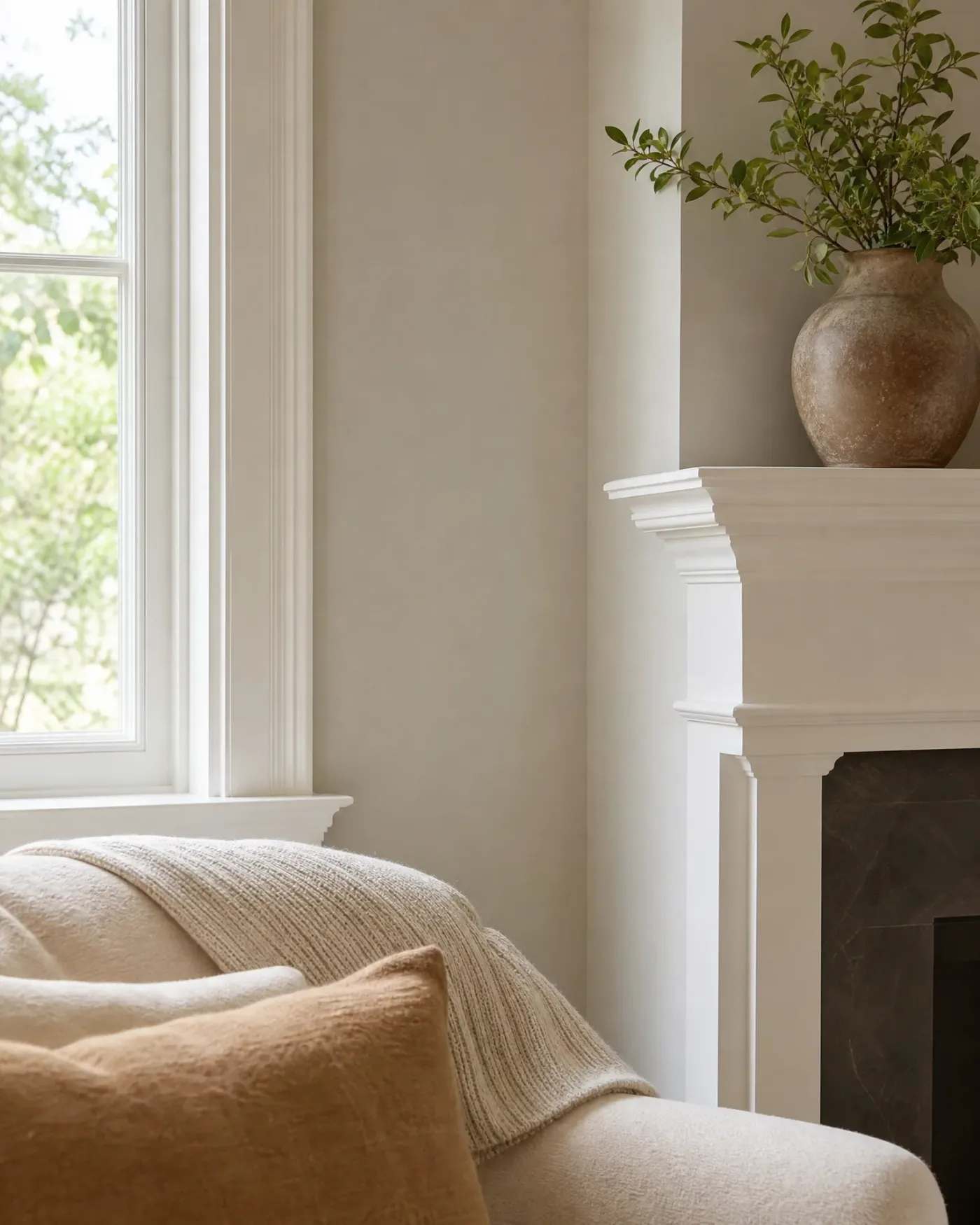
Corner of a room with a white window at left, a white fireplace mantel with dark stone surround at right holding a weathered clay vase of leafy branches, and a cream upholstered sofa with a knit throw and tan pillow in the foreground.
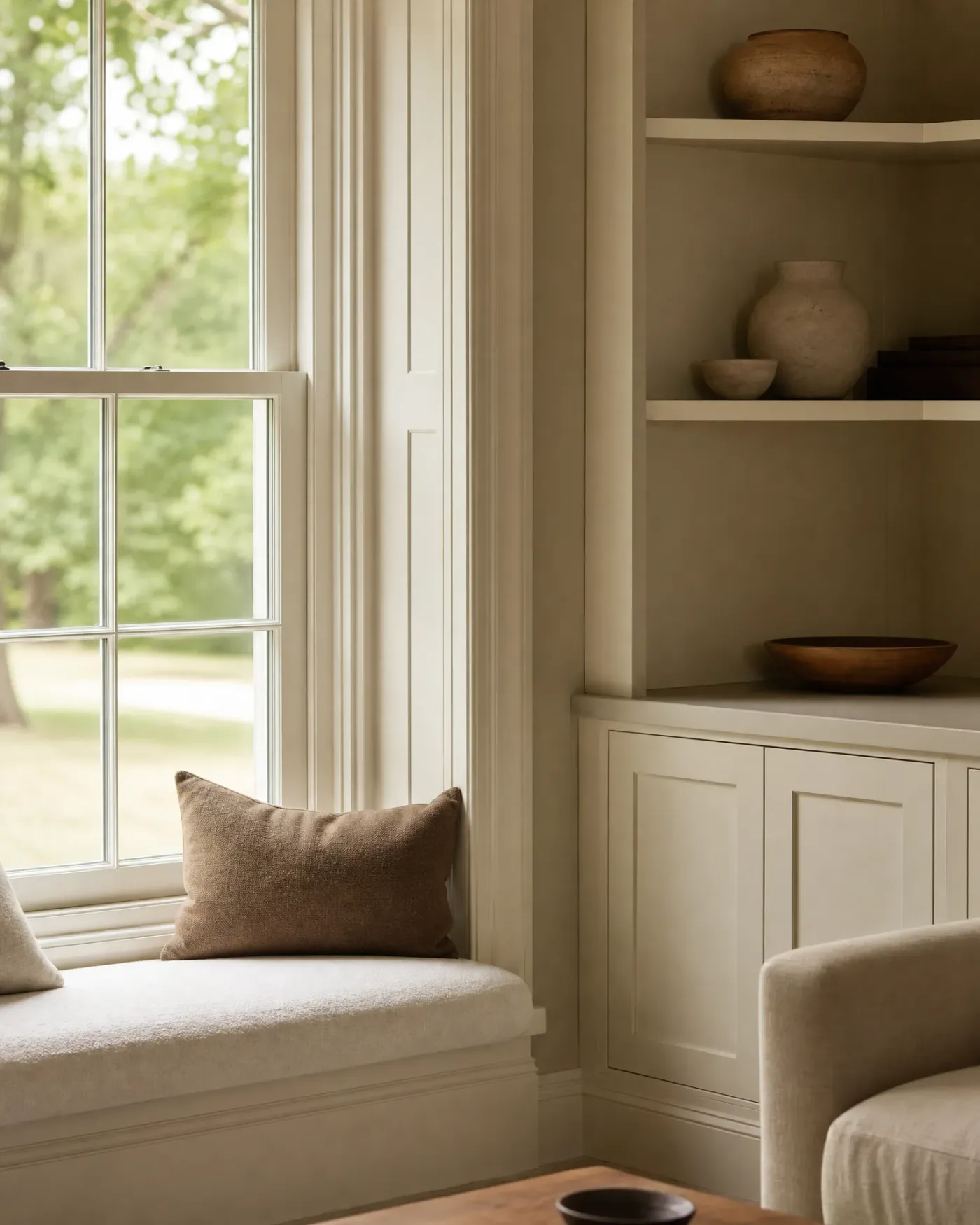
A cushioned window seat with a brown lumbar pillow beside a white-framed window overlooking green trees, next to built-in cream cabinetry with shelves holding ceramic vessels and a wooden bowl.
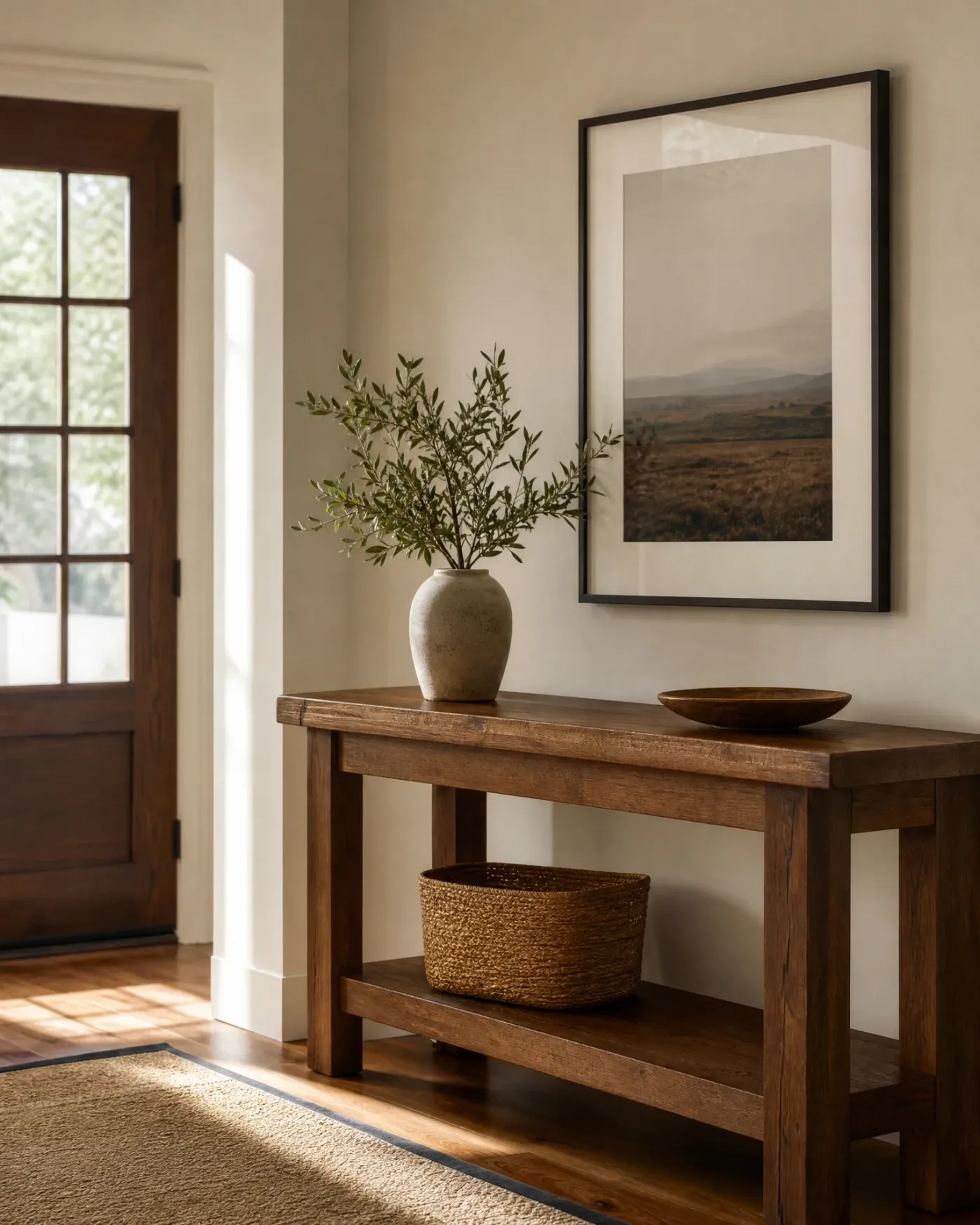
An entryway with a dark wood console table holding a stone vase of olive branches and a shallow wooden bowl, a woven basket on the lower shelf, a framed landscape print on the wall, and a glass-paned wood door at left.
A wooden vanity cabinet with dark knobs and a beige stone countertop holding a round terracotta vase with leafy branches, beside a wood-framed mirror and a white sink.
Sunlit room corner with wide-plank oak flooring, white baseboard molding and beige walls, a window at left showing green trees, and a dark cabinet at right topped by a stone vase holding a leafy branch.

Explain it one time

The pro who gets in touch is licensed in Idaho and works in Payette County.

Skip the search

Sending the form costs nothing.