
What winter here does to a heat pump
Winter is the long season in Twin Falls County. Heat runs nine months, September through May, and cooling only July and August. Whatever you buy, it's going to spend most of its life heating this house, not cooling it.
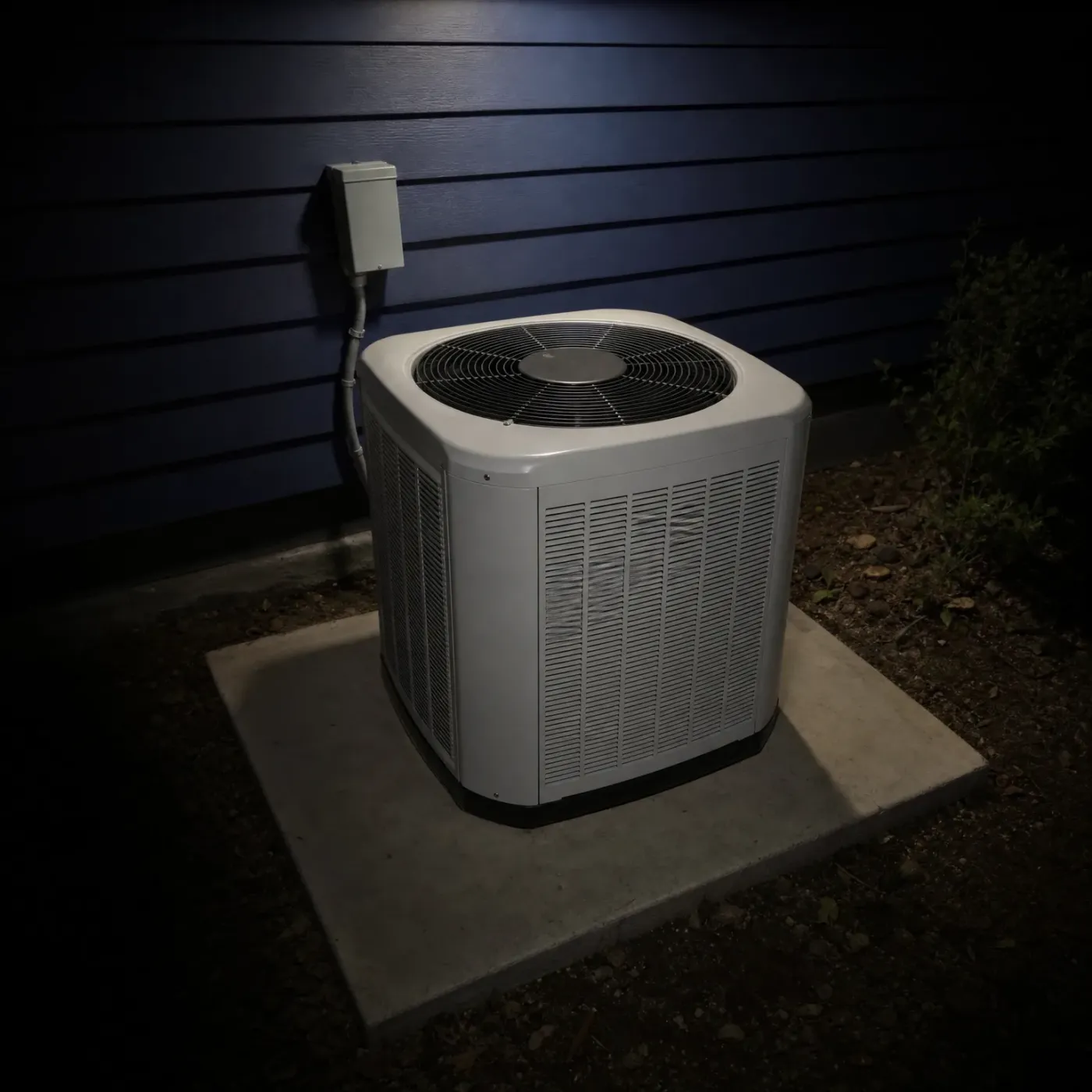
A standard heat pump starts losing ground below 40°F, and below about 35°F it usually needs backup heat to keep up. The overnight low here averages 21°F across December, January and February. That's not an occasional dip below those marks, it's below both of them on an average winter night.
Of the roughly 275 nights the heat runs here, about 145 fall to freezing or below. That's over half the heating season spent in the range where a standard heat pump is already working harder than its rating suggests and likely leaning on backup heat to hold the house at temperature.
There are ways around this. The ENERGY STAR Cold Climate models are built to hold most of their heating capacity and still turn out real heat at 5°F, well past where a standard heat pump struggles. Field tests of these back it up: backup heat covered only a small share of the load between 0°F and 35°F, and running on backup alone was rare except on the coldest nights. Idaho sees about 2 nights a year at 0°F or below, so that's a small worry even for a cold-climate unit.
A standard heat pump here is going to lean on backup heat through a lot of winter. A cold-climate model mostly won't. That's the real fork in the decision, and it's worth knowing which one is being quoted before you compare prices.