

What winter here does to a heat pump
Your furnace, or your heat pump, is going to run nine months a year in Minidoka County, September through May. That is most of the year, and it settles most of this decision before you even get to cost.
The average overnight low here is 18°F in December, January and February. A standard heat pump starts losing ground before it even gets that cold. Below 40°F it puts out less heat than its rating says, and below about 35°F it usually needs backup heat to make up the difference. Here, both marks sit above your winter average, not below it. Every one of the roughly 155 nights a year that drop to freezing or below is already past both marks.
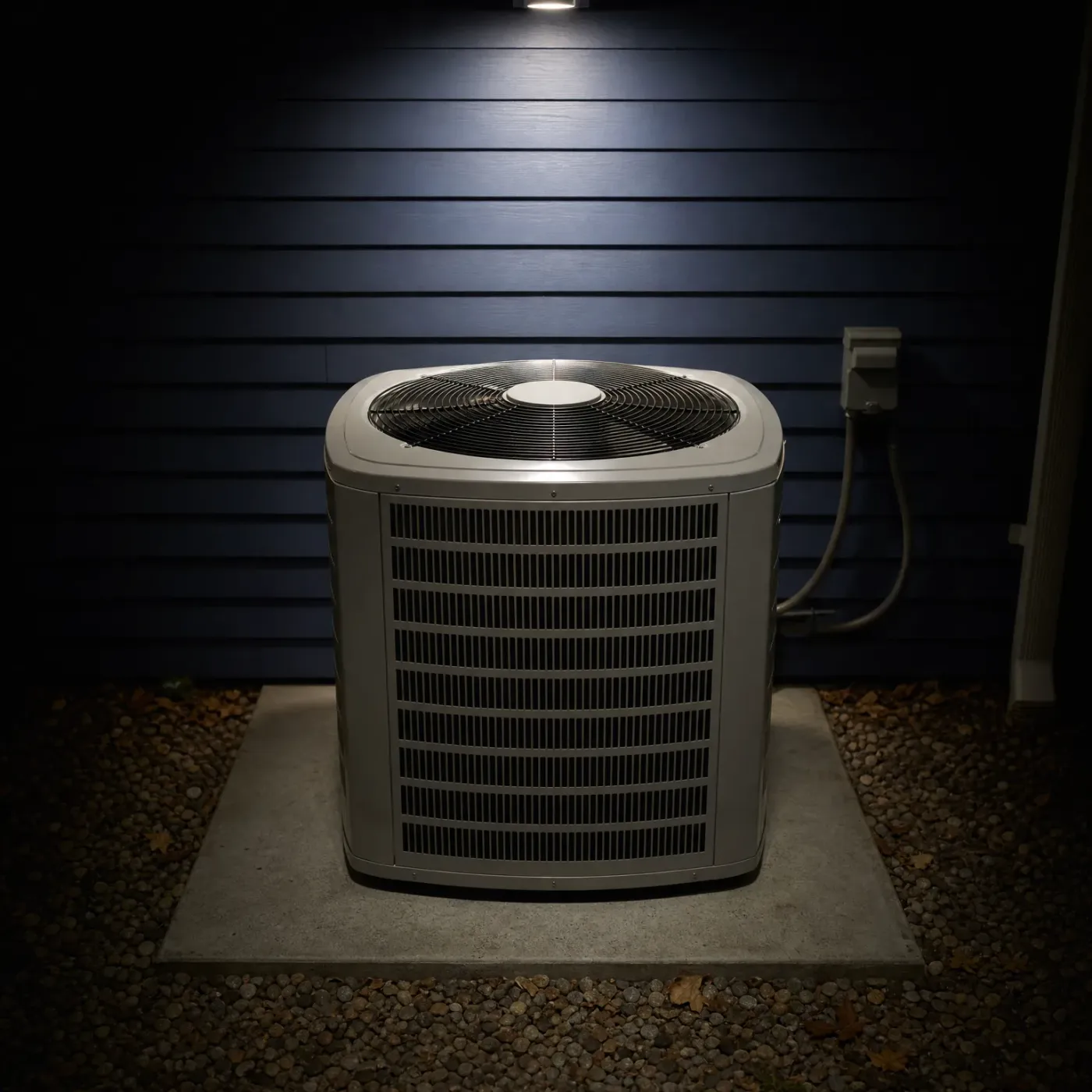
That does not mean a heat pump quits. ENERGY STAR's Cold Climate models are built and tested for exactly this: the standard requires they still make 1.75 units of heat per unit of electricity at 5°F, and hold onto at least 70 percent of their 47°F capacity at that temperature. Field testing on prototypes of these cold-climate units found backup heat covered only a small share of the output between 0°F and 35°F, and running on backup alone was rare even above 0°F. So the real question for your house is not heat pump versus furnace in the abstract, it is whether the heat pump going in is a cold-climate model or a standard one. A standard unit leans on backup heat through most of your winter nights. A cold-climate unit mostly does not.