










Why your furnace won't turn on in an Idaho winter

RepairFurnace or heatingIdaho
Step 1 of 2

What ZIP code is the job in?

Why won't my furnace turn on when it's freezing outside?

A furnace that won't start on the coldest nights is one of those small problems you don't get to put off. In Idaho, gas furnaces work hardest from December through February, and when the burner won't light, the house gets cold fast. Most of the time the cause is something specific, not a dead furnace, and knowing what it usually is tells you whether this is a quick fix or something a technician needs to look at.

Most often, a safety switch is stopping it

A furnace won't turn on when one of its safety switches senses something wrong and shuts the burner down before it can light. A dirty flame sensor, a clogged filter restricting airflow, or a failed igniter are the usual reasons. None of these mean the furnace is broken for good. They mean a part has worn out or needs cleaning, and the furnace is doing exactly what it's built to do: refuse to run rather than run unsafely. Cold snaps put more hours on a furnace than it sees the rest of the year, so a weak part that was barely getting by in November can fail outright once the furnace is running nonstop. A technician can usually tell which switch tripped and why within a short visit.

A smiling man in a navy long-sleeve shirt sits at a wooden table in a kitchen and dining area, with a ceramic mug, a potted plant, and a sliding glass door behind him.
A smiling bearded man in a green henley shirt stands at a kitchen island with a gray mug, looking off to the side, with a dining area and shelves blurred behind him.
A smiling bearded man in a navy sweater sits at a white kitchen island with a ceramic mug, with open shelves, potted plants and a range hood behind him.
A smiling man in a dark olive long-sleeve shirt sits in a kitchen beside a counter with a dark mug, with a dining table, sideboard and hallway visible in the blurred background.

What's going on when your furnace stays silent and cold

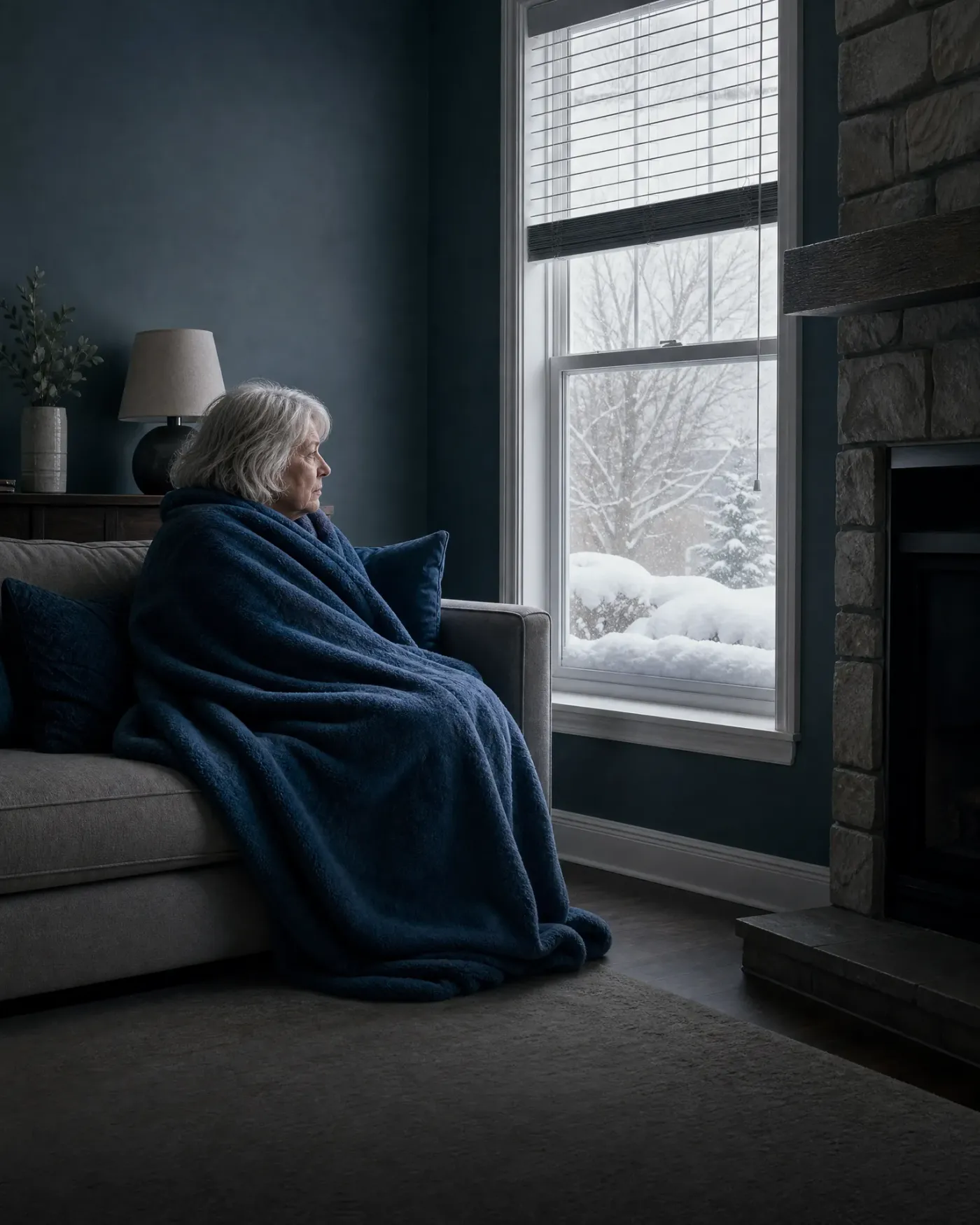
You bump the thermostat and nothing happens. No whoosh of air from the vents, no warm smell, maybe not even the click you're used to hearing before the burner lights. Sometimes the blower runs but only pushes cold air. Sometimes you hear a clicking or a hum and then quiet, like it tried and gave up. The thermostat screen might be blank, or it shows a temperature but the furnace ignores it. Left alone on a night when it's below freezing outside, pipes in unheated parts of the house are what's at risk, along with anyone in the house who depends on that heat staying on. A furnace that hesitates once tends to do it again, usually at a worse time.

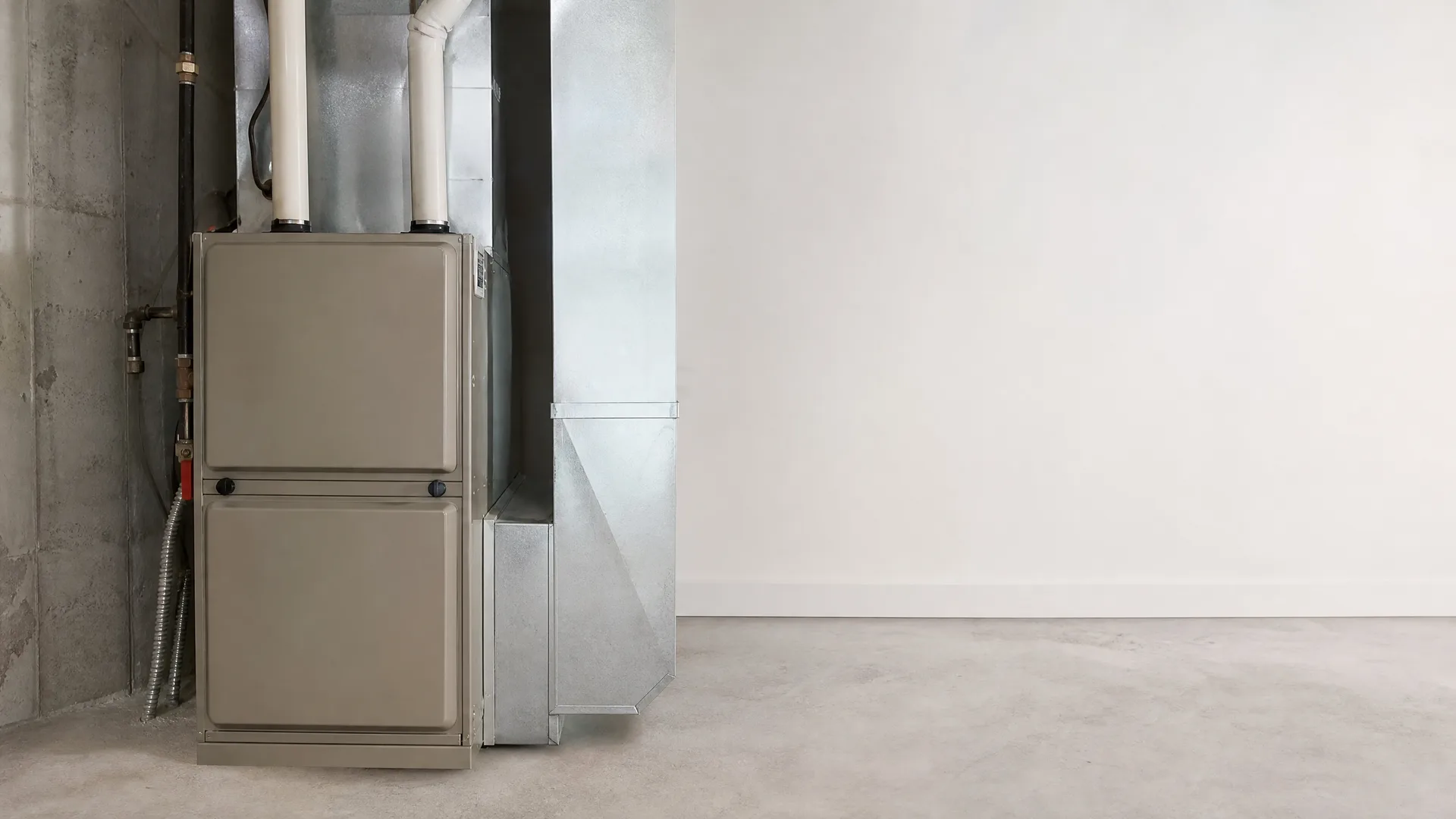
A beige high-efficiency furnace with two white PVC pipes stands beside sheet-metal ductwork and a concrete wall in an empty basement with a bare light-colored wall and concrete floor.

The igniter does the lighting

Most furnaces built in the last couple decades use a hot surface igniter instead of a standing pilot light. It's a small ceramic strip that glows hot enough to light the gas when the thermostat calls for heat. That strip is thin and it wears out with use, so a furnace running hard through a long Idaho winter puts more cycles on it than one that barely gets touched in October. When it cracks or weakens, the gas valve still opens but nothing lights it.

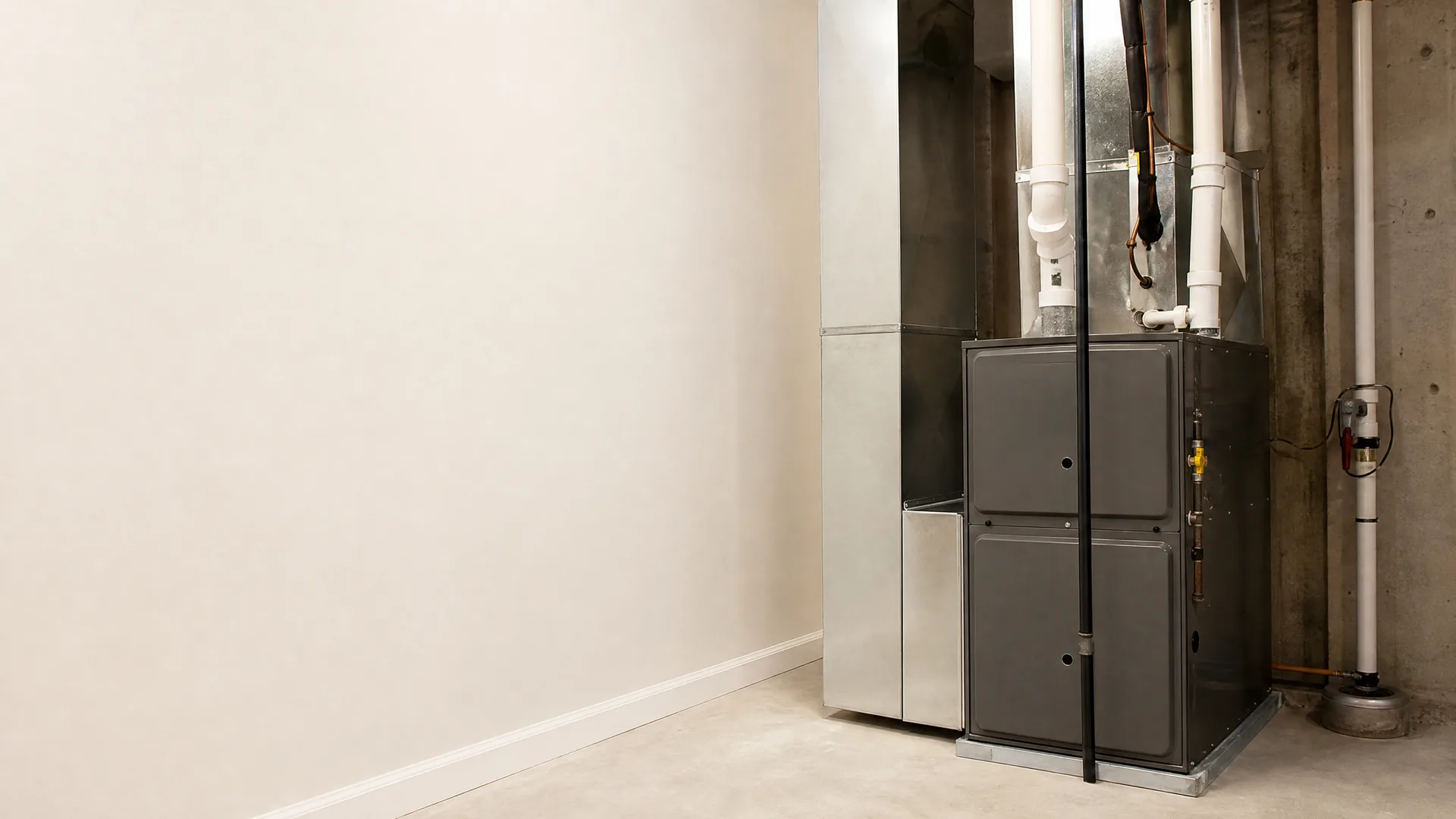
A gray furnace with sheet-metal ductwork and white PVC vent pipes stands in the corner of a finished basement room with a blank beige wall and concrete floor.

Cold air means more cycles

A furnace sized for an Idaho winter runs longer and more often when it's 10 degrees outside than when it's 40. Every one of those cycles is another chance for a worn part to fail at the moment you need it most. That's why a furnace that struggled a little in November can quit outright in January. The parts doing the work, the igniter, the flame sensor, the pressure switch, don't get a break just because the temperature keeps dropping.

Winter nights average 22°F statewide

At 22°F, your furnace isn't cycling on and off a few times a night. It's running long stretches to hold the house, and that's more hours for a weak igniter or a clogged flue to show itself.

NOAA nClimDiv 1991-2020 county normals weighted by homes

The startup sequence, step by step

  • The thermostat sends a low-voltage signal to the control board, and that board decides whether every safety switch is satisfied before it does anything else.
  • A door switch on the blower compartment has to be fully pressed in, so a panel left loose or crooked will stop the whole sequence cold.
  • The inducer motor has to spin up and prove it's pulling exhaust before the control board will even send power to the igniter.
  • A flame sensor, a thin metal rod near the burner, has to detect fire within seconds of ignition or the board shuts the gas valve again.
  • Most control boards will try to light the burner three times before they lock out and stop responding to the thermostat entirely.
  • A furnace that's locked out this way often needs the power cycled at the breaker before it will attempt to start again.

A furnace doesn't just light the burner when you bump the thermostat. It runs through a sequence, and every step has to pass before the next one starts. The control board checks the safety switches first, including the one on the blower door, which is why a panel that isn't seated right stops things before they begin. Next the inducer motor has to prove it's moving exhaust out through the flue. The board watches for that before it sends any power to the igniter, because lighting a burner without draft is a safety problem, not just a performance one. Once the igniter glows and the gas valve opens, the flame sensor has only a few seconds to confirm there's actually fire. That rod isn't lighting anything, it's just watching. If it doesn't see flame in time, the board cuts the gas and tries again. Most boards give it three attempts. Fail all three and the board locks out on purpose, refusing to respond to the thermostat until someone resets it, usually by cutting power at the breaker for a minute or so. That lockout is the board protecting the house from a furnace that keeps trying to light gas it can't confirm is burning. It's also why a furnace that seemed to just stop responding overnight may not need a part at all. It may be sitting in lockout, waiting for someone to find the one step in the sequence that didn't pass.

A man in a blue T-shirt sits on a light gray sofa, laughing while looking at an open laptop in the foreground, with a framed picture, lamp and potted plant behind him.
A bearded man in a blue and brown plaid flannel shirt stands indoors looking out a window at snow-covered trees, with a ceramic mug on the windowsill.

Hand off the furnace problem

A furnace that quit overnight in January isn't a project to save for the weekend. Idaho winters don't ease up to give a broken system room to wait, and a cold house can turn into frozen pipes faster than you'd think. You could keep testing switches and resetting breakers, but if the igniter is cracked or the control board has locked out the burner, nothing you do at the thermostat is going to fix it. What helps is getting someone out who works on furnaces all winter long here and knows which part is likely behind a no-start in weather like this, rather than guessing room by room with a space heater running. That request goes to one local contractor who holds a license to do the work, not a handful of companies competing for the job. Send it in and let someone who does this every cold snap take it from there.

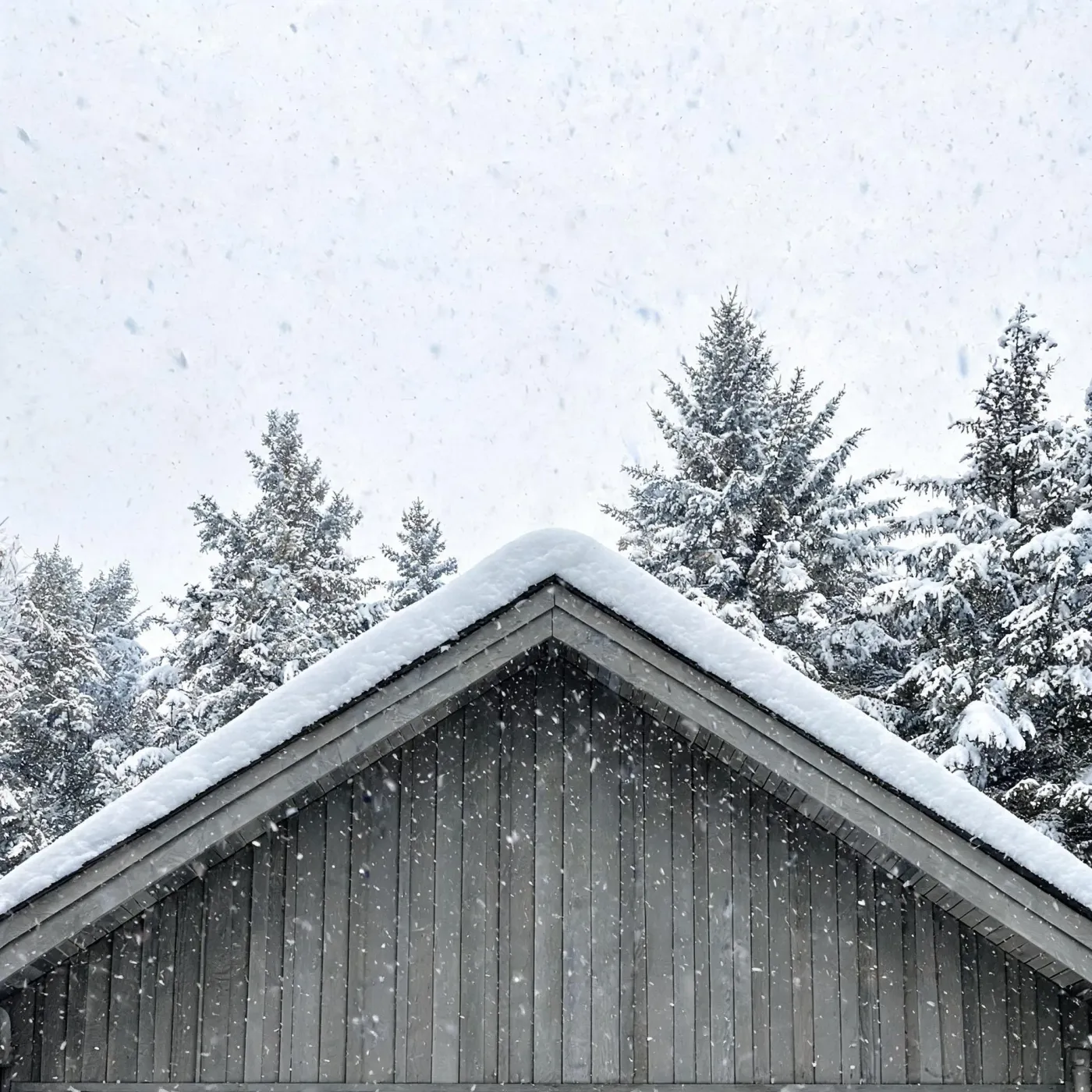
The snow-covered gable roof and vertical wood-clad upper wall of a building, with snow-laden conifers and falling snow behind it under a pale sky.

Statewide, winter nights average 22°F, according to NOAA climate data. That's cold enough to push a furnace into long, steady runs instead of short bursts, and it's when a marginal part finally gives out. A hot surface igniter that's been cracked for weeks, a flue that's been drafting poorly, a pressure switch sitting right at the edge of tripping, all of them get tested hardest on nights like this. If your furnace made it through fall on shorter cycles and quits once the real cold sets in, that's not bad luck. It's the same weak point the mild weather was hiding, finally meeting a night it can't get through.

NOAA nClimDiv 1991-2020 county normals weighted by homes

A gray furnace cabinet in a basement with sheet-metal ductwork, white PVC vent pipes, and black gas piping against a concrete wall and wood-framed partition on a bare concrete floor.
A furnace like this fires every cycle without a fight, running clean through a long January night without much thought from anyone.
A gray metal furnace with two white PVC vent pipes stands on a concrete floor beside galvanized sheet-metal ductwork in a basement or utility space with wood framing.
Rust on the cabinet and a furnace that hesitates before lighting are two signs the same age is catching up to it.

What to Try, What to Call In

Fix it yourself

  • Resetting a tripped breaker or switching the furnace switch off and on costs nothing and takes a minute.
  • Checking the furnace filter is simple, and a filter clogged with dust can choke airflow enough to shut the burner down.
  • Checking the thermostat batteries or setting rules out the easiest explanation before anything else.
  • A flipped door switch on the blower panel is something you can look at yourself if the panel was recently off.
  • Without training, there's no safe way to test the control board, the flame sensor, or the gas valve.
  • Guessing at a part and swapping it yourself risks making the actual problem harder to find later.

Call a contractor

  • A local contractor who works on furnaces all winter has likely already seen whatever is keeping yours from lighting.
  • Testing the igniter, the flame sensor, and the control board with a meter tells you which part failed instead of which one you guessed at.
  • A furnace that's out in January can't wait for a slow search through unfamiliar companies and callbacks.
  • Sending one request connects you with one licensed, local contractor, so you're not fielding calls from several crews at once.
  • Once that request is sent, finding someone to come look at it stops being something you have to manage.
  • A contractor can tell you whether the part that failed is the only thing wrong, or whether something else is pushing the furnace toward the same failure again.
An older metal furnace with a louvered front panel stands against a concrete basement wall, connected to sheet-metal ductwork and a flue pipe, with copper and steel pipes running alongside.
Before you get your furnace repair
A beige high-efficiency furnace stands on a concrete basement floor beside sheet-metal ductwork, with white PVC vent pipes and a gas line running along an insulated wood-framed wall.
After you get your furnace repair
A gray high-efficiency furnace with white PVC vent pipes stands on a concrete pad in a basement, beside sheet-metal ductwork, copper piping and a poured concrete wall with wood framing at left.

Firing without hesitation

This furnace lights the moment the thermostat calls for heat and keeps the burner steady through a long night. The ductwork, gas lines, and condensate piping around it are doing their job quietly, and nothing about the cabinet or the connections is asking for attention.

A beige gas furnace in a basement with a metal flue pipe, galvanized sheet-metal ductwork to its left, and gas and water pipes along the concrete wall to its right.

Running on borrowed time

This furnace is older, and the flue pipe venting up from it has carried exhaust through a lot of winters already. Nothing here looks like an emergency by itself, but an aging furnace like this is where a cracked igniter or a stuck valve tends to show up first.

A furnace that won't start usually comes down to one part: a cracked igniter, a tripped switch, a flame sensor coated in residue, or a safety switch that isn't satisfied. On a night near 22°F you don't want to be the one pulling the cabinet apart to find out which. A licensed contractor local to your part of Idaho sees this same failure every winter and knows which of those parts tends to go first on a furnace that's been running long stretches since December. Send the request once and it goes to that one contractor, not a handful of companies competing for the job, so your phone isn't ringing off the hook while you're trying to keep the house warm. From there, finding help is off your plate. The furnace that's sitting cold right now has a specific reason for it, and someone who works on these units all season can find it and get the burner lit again.

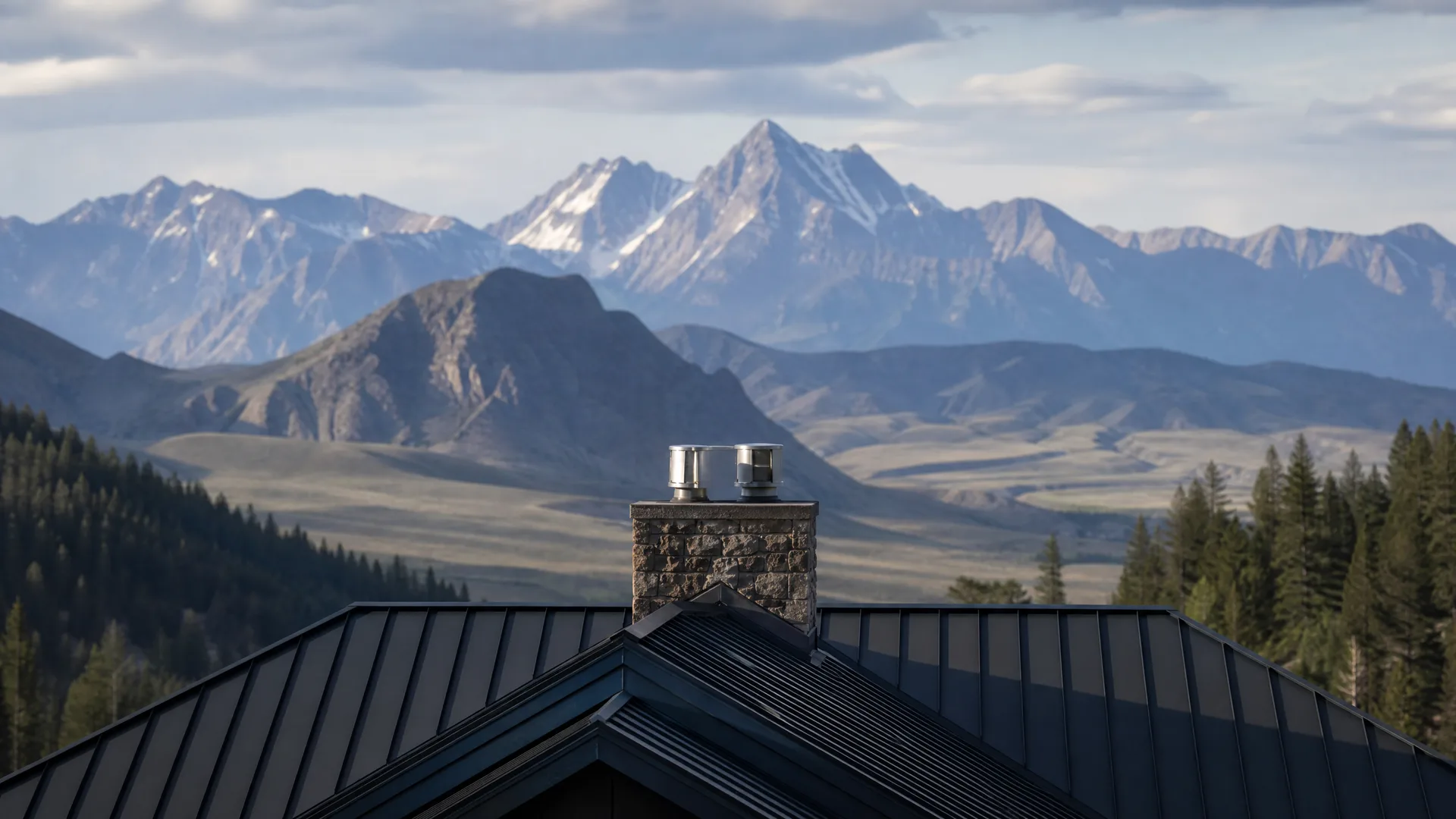
A dark standing-seam metal roof with a stone chimney topped by two metal flue caps, with conifer trees, grassy foothills and snow-streaked mountain peaks in the background.

Let someone else find the pro

Get one local pro

Sending the form costs nothing.

A local contractor who works on furnaces all winter can usually spot a cracked igniter or a tripped switch faster than you'd find it on your own. One request goes to one licensed pro near you, not a pile of callbacks to sort through while your house sits cold.