





Why your furnace won't shut off in Idaho

Describe your furnace job, and a local pro who handles it gets in touch.

Request a pro

A furnace that keeps running usually isn't stuck because of the cold. The most common cause is a dirty flame sensor, which can't tell the controller the flame is lit, so the system keeps calling for heat. A stuck relay or a thermostat set wrong can do the same thing. Sometimes it's simpler: the blower keeps running after the burners shut off because the fan limit switch is set that way on purpose, to push out the last of the heat. That's normal. What isn't normal is a furnace that never stops firing, or one that runs so long the house gets too warm and the air feels stale. Left alone, a furnace that won't cycle properly wears out parts faster and can crack a heat exchanger. If yours is doing this, it's worth having someone look at it before a cold snap makes it worse.

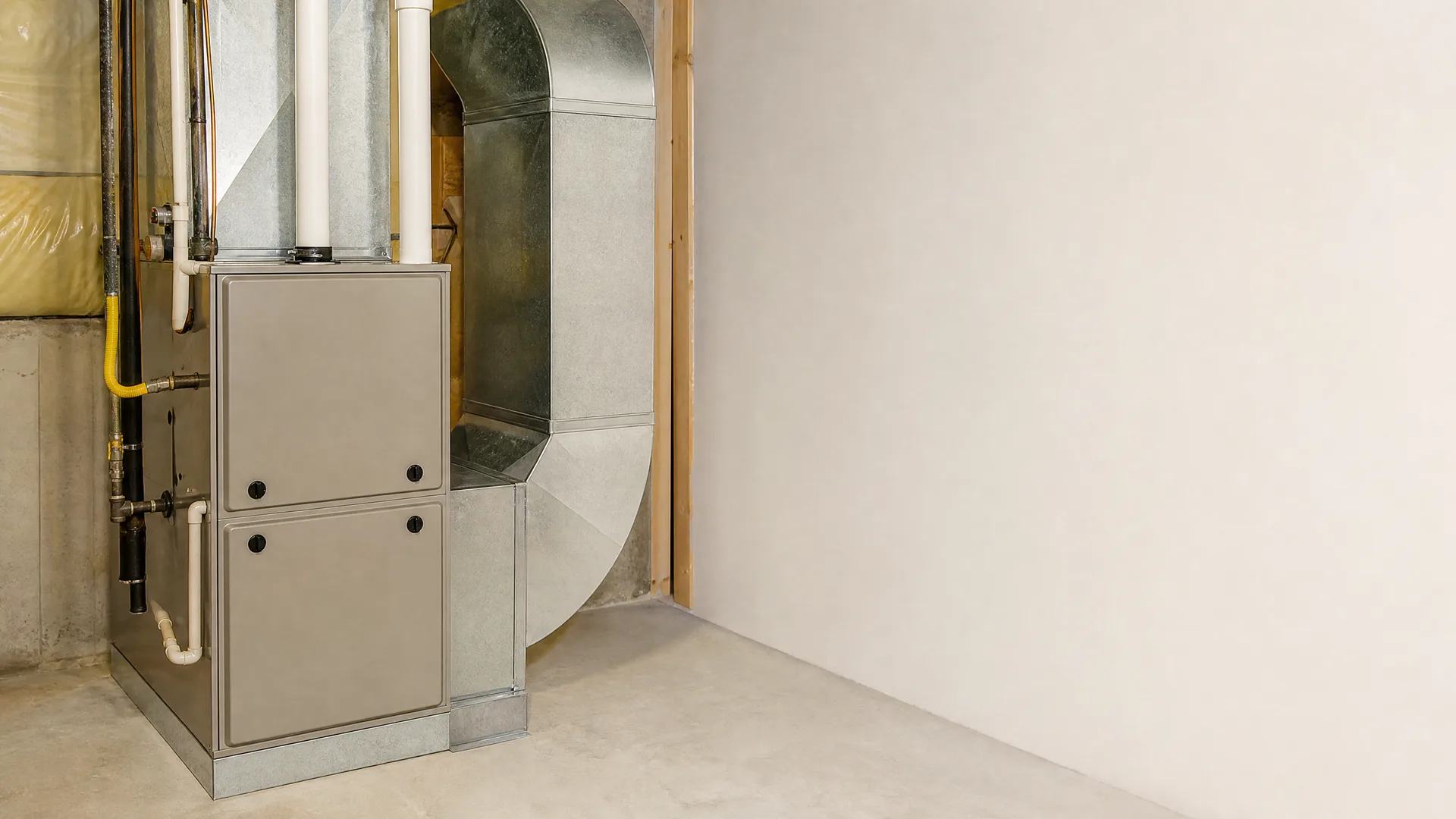
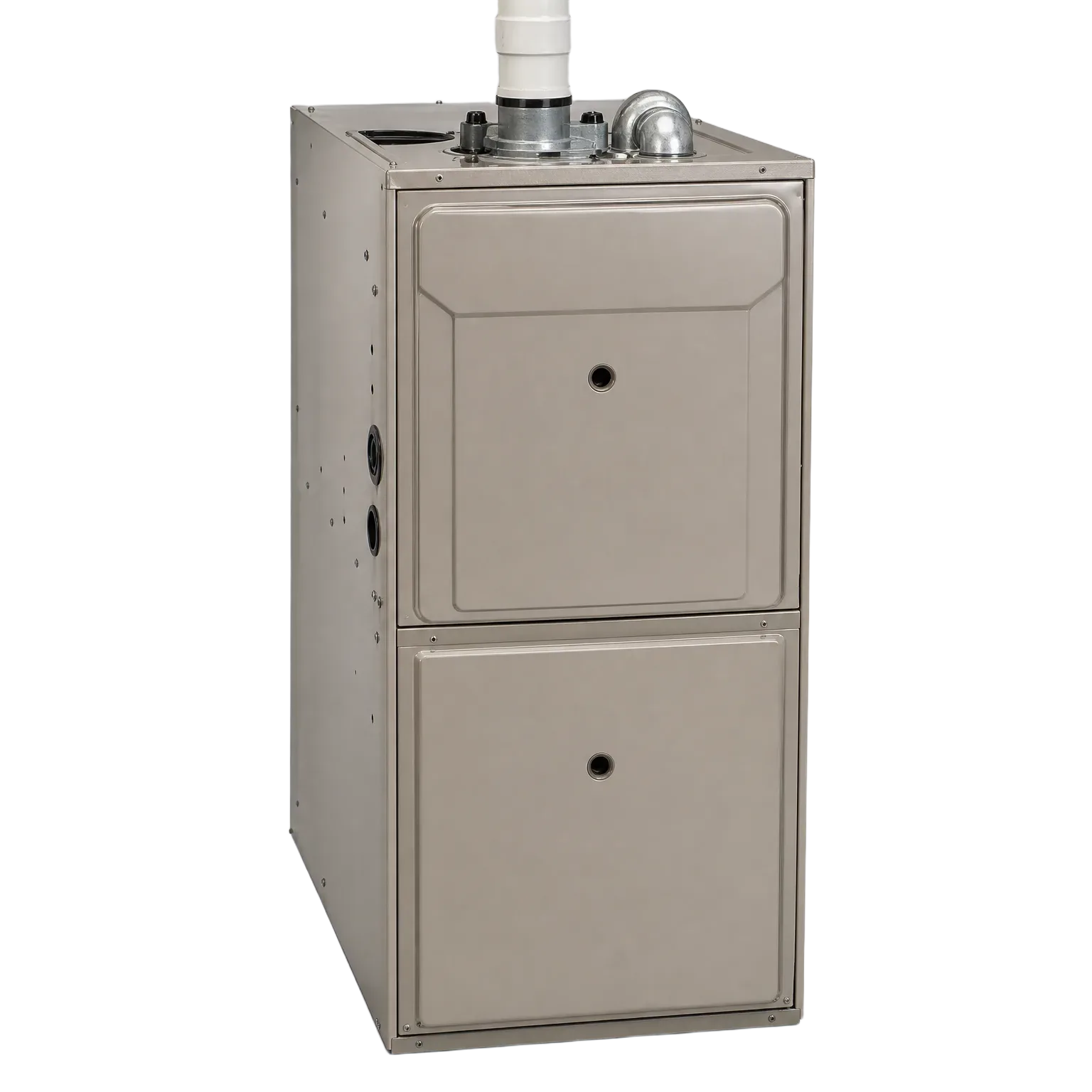
A gas furnace with sheet-metal ductwork, PVC vent pipes and copper and black piping stands against a wall in a basement with a bare light-colored wall and concrete floor.

The flame sensor's actual job

The flame sensor is a thin metal rod sitting in the burner flame. Its only job is to confirm a flame is present so the control board knows to open the gas valve and keep it open. Soot builds up on that rod over time and blocks the weak signal it sends. The board reads that as no flame, even though the burners are lit, and keeps calling for gas and keeps the blower running trying to satisfy a heat call that never registers as done.

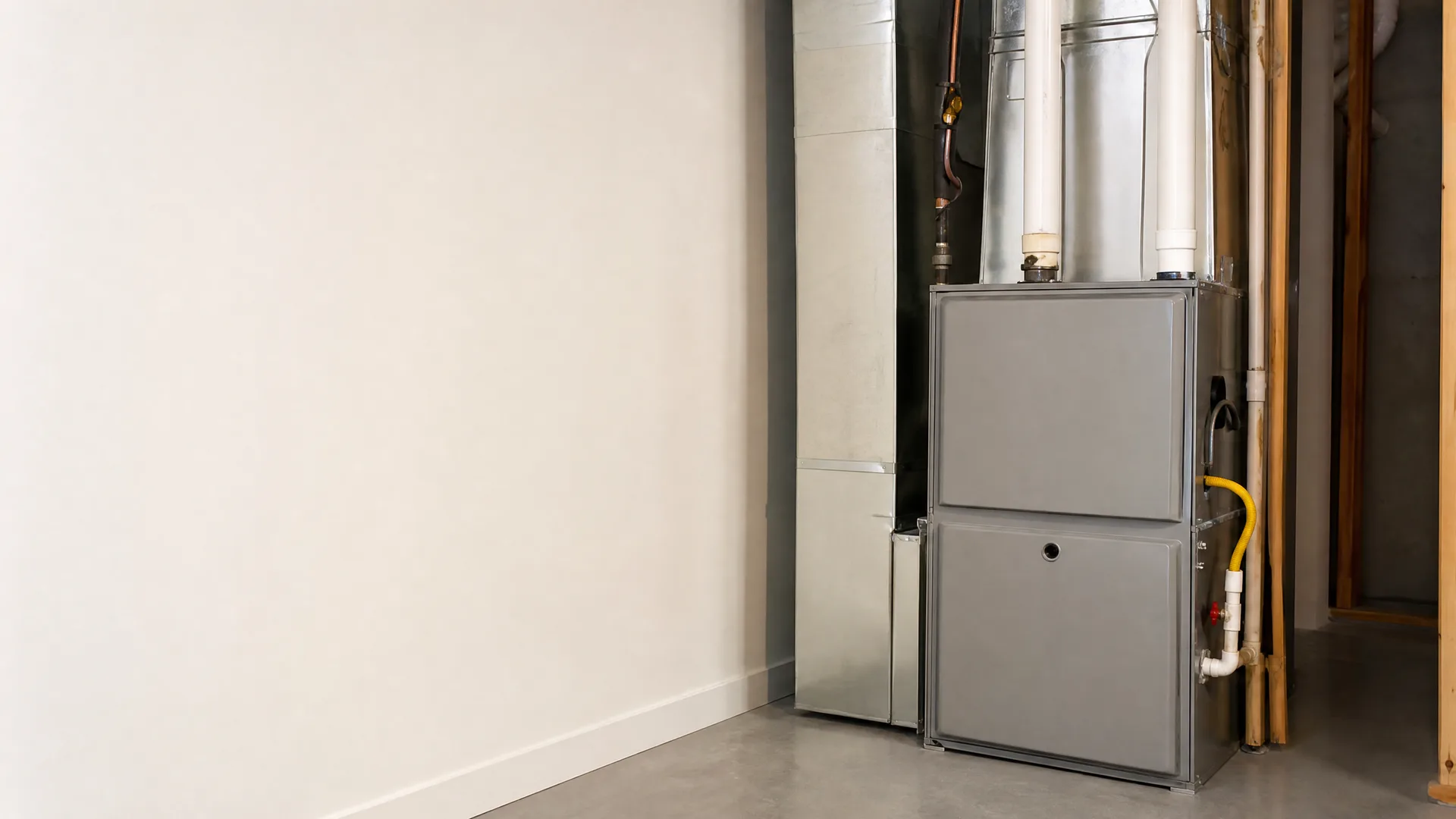
A gray furnace with attached sheet-metal ductwork, white PVC vent pipes, copper and yellow gas lines stands against a wall in a room with a plain white wall and concrete floor.

Why the furnace just keeps going

A furnace doesn't have a sense of how long it's been running. It only knows whether the thermostat is still asking for heat and whether the control board thinks that call has been met. If the flame sensor can't confirm the flame, or a relay on the board sticks closed, the board has no signal telling it to stop. It keeps the gas valve open and the blower on until something cuts power or a limit switch intervenes.

Is your furnace running nonstop and never shutting off?

You'll hear it first. The blower keeps going long after the house feels warm enough, sometimes for hours, sometimes straight through the night. Rooms that are already comfortable keep getting warmer. Your gas bill climbs even though Idaho power is cheap and you're not running anything extra. Some homeowners notice a burnt or dusty smell near the vents as the burner cycles again and again without a break. Left alone, a furnace that won't shut off wears out its parts faster and can overheat the heat exchanger, which is not something you want to find out about after the fact.

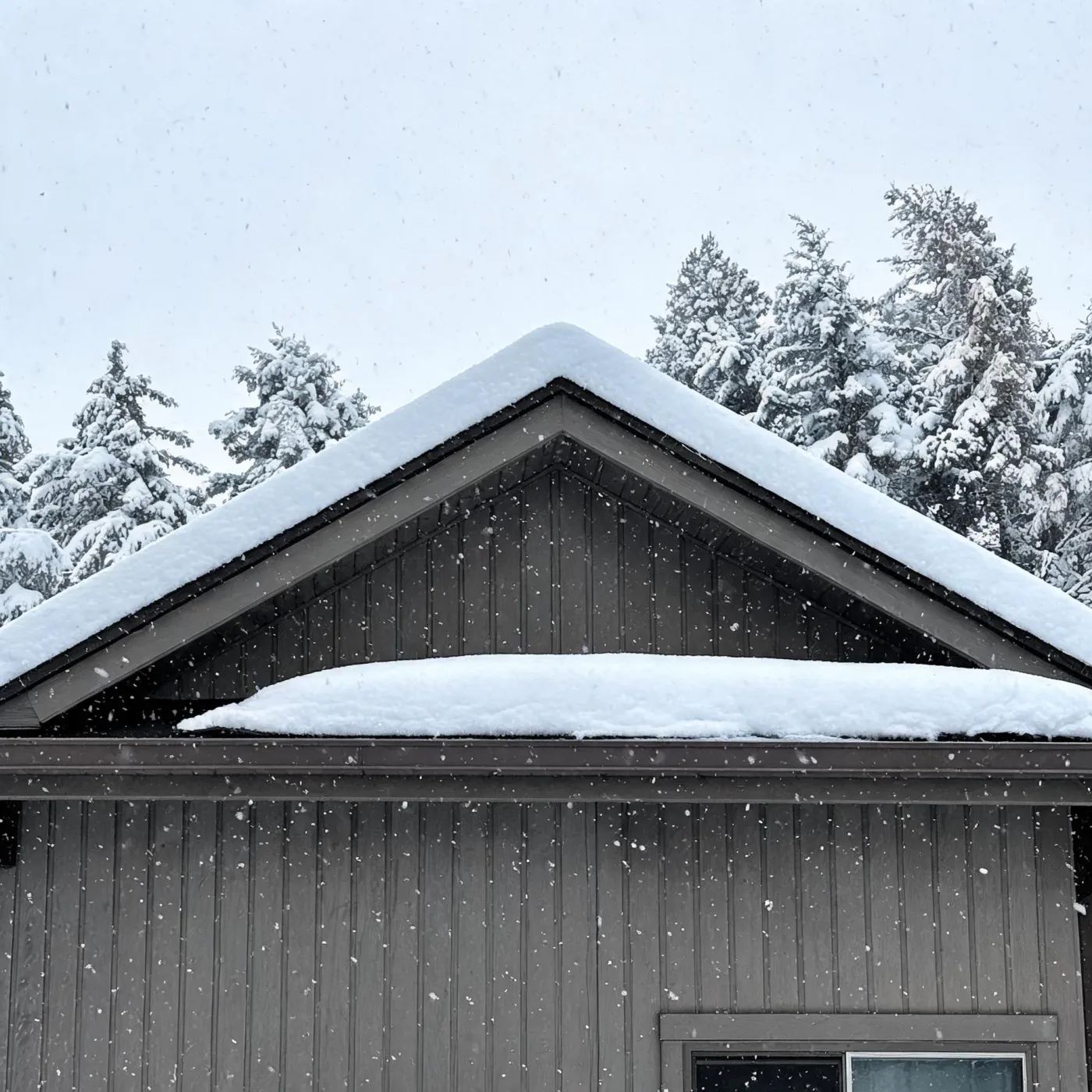
Snow-covered gable roof of a dark brown vertical board-and-batten house during falling snow, with snow-laden conifers behind it under a pale gray sky.

On winter nights here, the temperature averages 22°F across Idaho, according to NOAA. A furnace working against cold like that is cycling on and firing often, and if the flame sensor has already fouled, every one of those calls for heat turns into a call that never ends. You'll notice it most overnight, when the house stays warm long after it should have cut off and the blower is still running at 3 a.m. The sensor doesn't know the difference between 22 degrees outside and 40. It just needs a clean enough signal to tell the board the flame caught, and once it can't, the cold just keeps the furnace firing longer and longer against the thing actually at fault.

NOAA nClimDiv 1991-2020 county normals weighted by homes

An older woman with short gray hair in a cream cable-knit turtleneck sweater smiles while looking to the side in a wooden kitchen, with a round loaf of bread on a board in the foreground and a lit candle by a dark window.
A woman with dark hair in a bun sits wrapped in a chunky knit blanket on a couch with a child resting his head on her shoulder, eyes closed, beside a lit lamp and bookshelf indoors.

A furnace shuts off through a chain of signals, not a single switch. The thermostat calls for heat, the control board opens the gas valve, and once the flame sensor confirms the burner lit, the board lets the cycle run its course. Shutting off depends on that same board getting a clear reading that the call is satisfied. If a limit switch near the plenum still senses warm air, it holds the blower on even after the burner stops. If the thermostat fan is set to "on" instead of "auto," the blower runs regardless of what the furnace is doing. And if a relay inside the board has welded shut, the gas valve stays powered no matter what the thermostat says. None of this involves the igniter. It fires once, lights the burner, and its job ends there. A furnace that won't shut off is a problem further down the line, in whatever part is supposed to tell the system the room is warm enough and the call is over.

How the shutoff signal gets lost

  • The control board waits for a signal from the flame sensor before it will close the gas valve and end the heat call.
  • When that signal never comes, the board reads it as no flame and keeps the gas valve open to try to establish one.
  • A limit switch mounted near the plenum can also keep the blower running if it senses the air inside is still too warm.
  • Some thermostats set to a fixed fan mode hold the blower on continuously regardless of what the furnace itself is doing.
  • A relay that has welded shut inside the control board can keep sending power to the gas valve even after the thermostat is satisfied.
  • The igniter only fires once per cycle, so a furnace that won't shut off isn't an igniter problem, it's a signal problem downstream.
A woman with long blonde hair in a light blue shirt leans back on a beige sofa with her eyes closed, in a softly lit living room with cushions and a blurred plant and shelf in the background.
A woman with long dark hair in a gray knit sweater sits on a gray sofa with a cushion, looking toward a window in a living room with framed pictures and a lamp in the background.
A woman with long dark hair in a light grey knit sweater sits on a sofa indoors, looking to her right, with a framed landscape picture, a potted plant and a curtained window behind her.
A woman with long dark hair leans back against a gray sofa with her eyes closed, in a living room with a curtained window, a potted plant, and a dark screen in the background.

A furnace pro near you

The pro who reaches out is licensed in Idaho.

You're not committing to anything by asking.

The furnace runs itself ragged

Leave it alone and the furnace keeps firing, hour after hour, because the control board never gets the signal it needs to close the gas valve. The blower wears on bearings and motor windings it wouldn't otherwise. The heat exchanger sees more cycles than it was built for in a season. None of this fixes itself. A fouled flame sensor stays fouled until someone cleans or replaces it, and a stuck relay stays stuck. Idaho winters put real demand on a furnace already struggling to know when to stop, and that demand doesn't let up on its own.


A technician checks the sensor first

A local technician who works on furnaces all winter usually starts where the problem usually is: the flame sensor. Pulling it, cleaning the rod, and testing the signal takes a few minutes and often solves it outright. If the sensor reads clean and the furnace still won't shut off, the technician moves to the relay, the limit switch, or the thermostat wiring, ruling each out in turn. You get one contractor who knows this equipment, not a guessing game, and the furnace goes back to cycling normally instead of running straight through the night.

A beige furnace with a louvered front panel and metal ductwork stands on a concrete basement floor beside pipes and a white cylindrical water heater.
Before you get your furnace repair
A gray high-efficiency furnace in a basement with PVC venting pipes, a yellow gas line, metal ductwork, concrete walls and floor, and a wood-framed stairway at left.
After you get your furnace repair

What makes the limit switch keep the furnace running too?

Once you know the flame sensor is the usual culprit, it's natural to wonder about the other part that showed up in the explanation. The limit switch sits on the furnace too, and it has its own job to do. You want to know if it's working against you the same way, or if it's doing something different that still ends up with the furnace running long after the house is warm.

The limit switch is reacting to heat buildup, not causing it

The limit switch watches the temperature inside the furnace cabinet. Its job is to turn the blower on once the heat exchanger warms up, and shut the whole furnace down if it gets too hot. It doesn't decide when the burner fires. That's the control board and the gas valve. So when a dirty flame sensor keeps the gas valve open and the burner keeps firing, the limit switch is just responding to a cabinet that's running hotter than it should. Over time, that extra heat is hard on the switch itself. A technician checking a furnace that won't shut off looks at both parts, because a limit switch that's been strained this way can fail next, even after the flame sensor gets cleaned.

A gray high-efficiency furnace stands on a concrete basement floor beside galvanized sheet-metal ductwork, with white PVC vent pipes, gas and water lines, and unfinished wood framing behind it.
A furnace like this fires, satisfies the thermostat, and shuts the gas valve when it should.
A beige furnace with two louvered front panels stands on a concrete basement floor beside galvanized ductwork, metal pipes, and a wooden post.
A furnace like this keeps the burner lit and the blower running long after the house is warm.

Winter nights average 22°F statewide

At 22°F, your furnace is firing often and running long each time just to keep up. If the flame sensor is already fouled, that's a lot of chances for a cycle to never end, and the burner stays lit well past when the house is warm.

NOAA nClimDiv 1991-2020 county normals weighted by homes

  1. Thermostat calls for heat and the control board opens the gas valve

  2. Igniter glows or sparks and lights the burners

  3. Flame sensor detects the flame and sends a signal to the board

  4. Board reads that signal and keeps the gas valve open

A woman stands in the open black front door of a white-sided house with a dark shingled roof while a man in a navy jacket approaches along the walkway, with lantern wall lights, a potted shrub, and flowering garden beds nearby.

A furnace that won't shut off needs a hand, not a thermostat adjustment

A dirty flame sensor doesn't clean itself, and a stuck relay doesn't come unstuck on its own. The furnace will keep running until someone opens the cabinet and deals with the part that's actually failing. That's a repair, not something to wait out.

Idaho winters put a lot of hours on a furnace, and a furnace running hard every one of those hours wears faster than it should. A local contractor who works on these systems all winter knows what a fouled sensor looks like and what a bad limit switch looks like, and won't need to guess which one you have. You'll be matched with one contractor, licensed to work in Idaho, and that's who calls you. No pile of quotes to sort through, just someone who can look at your furnace and tell you what's actually keeping it running.

Interior corner of a dining room with a round wooden table, a ceramic vase holding olive branches, a dark spindle-back chair near a curtained window, and a sideboard with a lamp against beige walls.
A single-story stucco house at dusk with a lit paver walkway lined by low path lights, desert plants and boulders in front, and distant mountains under an orange and blue sky.

Furnace Repair

A local pro for your furnace repair

RepairFurnace or heatingIdaho
Step 1 of 2

What ZIP code is the job in?

  • A cream chunky cable-knit throw draped over a beige upholstered armchair beside a bright window, with a wooden side table holding a book and a vase of leafy branches at left.
    • Tell a local repair pro what your furnace is doing.
  • Living room corner with a gray sofa holding beige pillows and a knit throw, a round wooden coffee table with a dark planter and shallow bowl, a jute rug, a floor lamp, a framed landscape print on the wall, and a window showing trees.
    • Send it once and finding someone is no longer on you.
    • Send the request today and stop worrying about who to call.
  • A living room corner with a cream sofa and cushion, knit throw, wooden coffee table holding a shallow bowl and dark ceramic vase with green foliage, a floor lamp, potted plant in a woven basket, and linen curtains at a window.
    • Describe what your furnace is doing once, in one form.
    • Explain the job once and skip repeating it on every call.
  • A round reclaimed-wood coffee table with a black metal base sits on a woven rug in front of a cream sofa with cushions, with a lit built-in fireplace and a tall indoor tree in the background.
    • Your request goes to one pro, not a list of companies.
    • Only one pro gets your request, so you hear from one company.