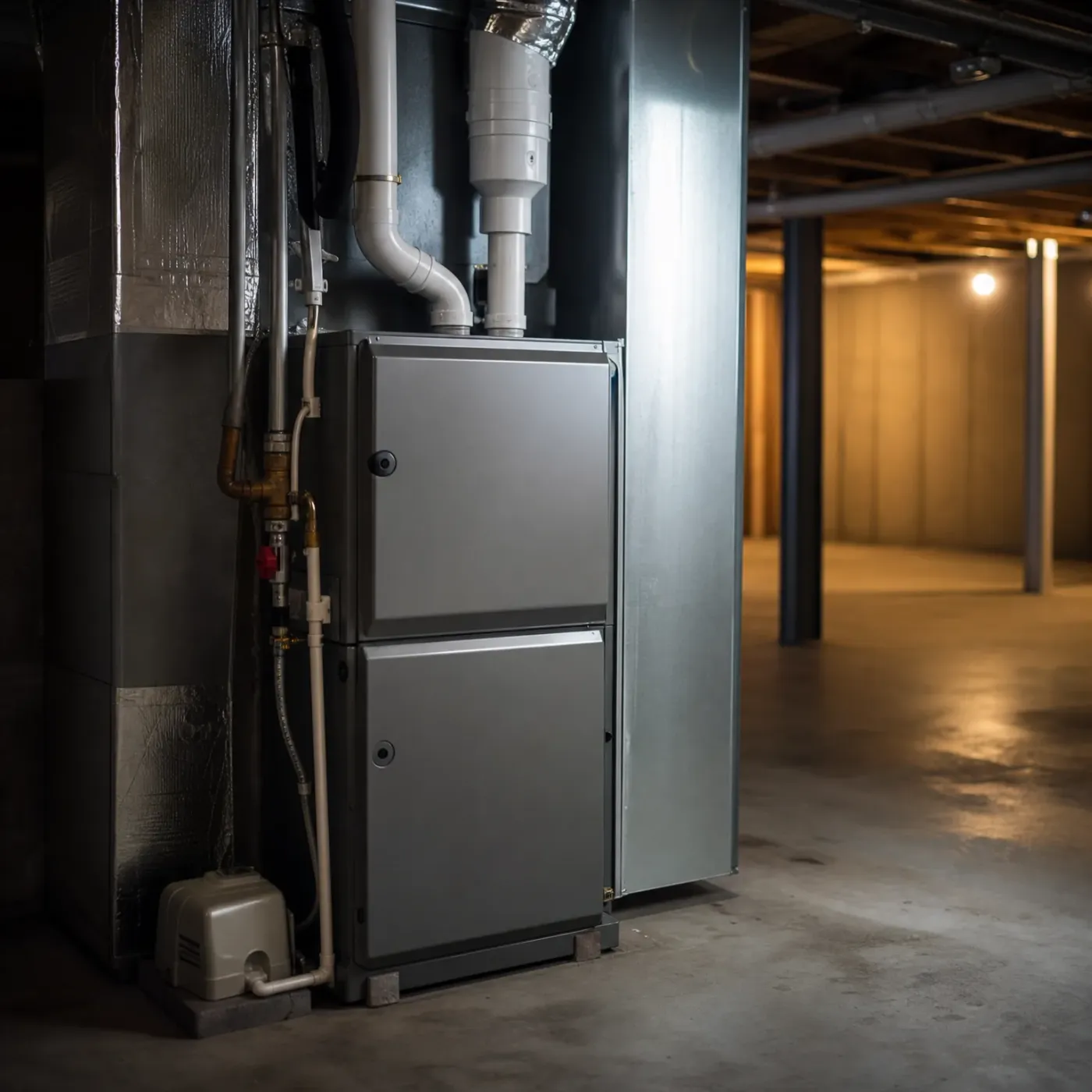


A gray high-efficiency furnace with PVC venting, copper and plastic piping, and a condensate pump sits beside sheet-metal ductwork in a concrete-floored basement.

Skip calling around

What temperature to set the heat in an Idaho winter

Most people set the thermostat somewhere around 68 and leave it there, then wonder why the furnace seems to run nonstop once it gets cold outside. The right number depends on your house and your furnace, and whether it's keeping up matters more than the setting itself. This page gets into both, and into what a furnace tune-up checks before winter sets in, so you're not calling around to find out.

Skip calling around

68 degrees while you're home and awake is the standard answer, and it holds up in Idaho as well as anywhere. Drop it to 60 or 62 overnight and while the house is empty during the day, since nobody's there to feel the difference. The reason this works here is the same reason it works anywhere: your furnace isn't fighting to recover a deep setback for long once someone's back in the house, and the energy it takes to hold 68 for a few hours in the evening is less than what it takes to hold it all day. Idaho winters run cold enough that a bigger setback, 8 to 10 degrees, actually shows up on your bill. What matters more than the exact number is whether your furnace reaches it and holds it. If it's running long stretches without getting there, that's not a thermostat problem.

A beige metal furnace with a louvered front panel stands on a concrete floor against a concrete wall, connected to galvanized sheet-metal ductwork and a metal pipe.
Before you get your furnace maintenance
A gray high-efficiency furnace stands on a concrete basement floor beside sheet-metal ductwork, with white PVC vent pipes and a black flexible line running up to exposed wood floor joists, next to a wood-framed post against a concrete wall.
After you get your furnace maintenance

How your furnace actually heats

  • The thermostat doesn't control the flame, it just tells the furnace when to turn on and when to shut off.
  • A gas furnace fires the burners first, waits for the heat exchanger to warm up, then kicks on the blower to push air through the ducts.
  • That delay is why you feel cool air for a few seconds after the furnace starts, before the warm air reaches the vent.
  • Once the thermostat sees the set temperature, it cuts power to the gas valve, and the blower keeps running a bit longer to pull the last heat off the exchanger.
  • A furnace that short cycles, turning on and off every few minutes, is usually struggling to reach the set temperature at all.
  • The igniter has to glow hot enough to light the gas before the valve opens, and a weak one is a common reason a furnace won't start on a cold morning.

The thermostat is just a switch. It reads the air near it and tells the furnace to start or stop, but the number you set doesn't change how hot the flame burns or how fast the house warms up. When the furnace gets the call for heat, the igniter glows until it's hot enough to light the burners. Gas ignites first. Only after the heat exchanger has had a few seconds to warm does the blower kick on, which is why you'll feel cool air at the vent right when the furnace starts. That's normal. It's not the furnace blowing cold air at you, it's warm air that hasn't arrived yet. Once the house reaches your set temperature, the thermostat cuts power to the gas valve, but the blower doesn't shut off right away. It keeps running for a short while to pull the remaining heat off the exchanger instead of wasting it. If your furnace is cycling on and off every few minutes rather than running a longer, steady stretch, that's usually a sign it can't keep up with the temperature you've set, or something in the ignition or airflow isn't working the way it should. A furnace that won't start at all on a cold morning often comes down to the igniter. They weaken over time, and a weak one can't get hot enough to light the gas reliably.

Winter nights average 22°F statewide

22°F is a typical overnight low here in December and January. At 68 during the day, your furnace is closing a 46 degree gap every night. Dropping to 60 or 62 while you sleep still leaves real work for it to do by morning, which is why keeping it running right matters more than the exact number on the dial.

NOAA nClimDiv 1991-2020 county normals weighted by homes

Why the setback still saves money

Turning the thermostat down doesn't shut the furnace off, it just lets the house drift colder for a few hours. The furnace burns gas in proportion to how much it has to run, so a lower setpoint overnight means fewer burner cycles, even with that 46 degree gap to close by morning. The savings come from the hours spent at 60 or 62, not from any trick in how the furnace recovers. A furnace that's maintained, with a clean flame sensor and the right airflow, recovers that gap efficiently. One that isn't will run longer to do the same job, which is where the setback stops paying off.


What a skipped tune-up costs you

A furnace that hasn't been serviced still heats the house, but it works harder doing it. A dirty flame sensor, a clogged filter, or a blower that's out of adjustment all make the furnace run longer to close the same 46 degree gap on a December night. You won't see any of that on the thermostat, you'll see it on the gas bill and in how long the house takes to warm back up at 6 a.m. A furnace that's been checked before the cold sets in holds 68 degrees without straining for it, which is the whole point of picking a setpoint in the first place.

A smiling woman with long dark hair in a gray sweater sits at a white stone counter with a glass of white wine, with a kitchen, fireplace and sofa visible behind her.
A smiling woman with dark hair in a cream sweater sits at a marble table with a glass of red wine, with a lit lamp, sofa, fireplace and kitchen counter behind her.
A woman in a cream sweater laughs while seated at a marble countertop with a glass of red wine, with a dimly lit living room and sofa behind her.
A woman in a beige turtleneck sweater with her hair up sits laughing and looking to the side at a white marble table with a glass of red wine, in a dimly lit interior with a lamp and seating area behind her.
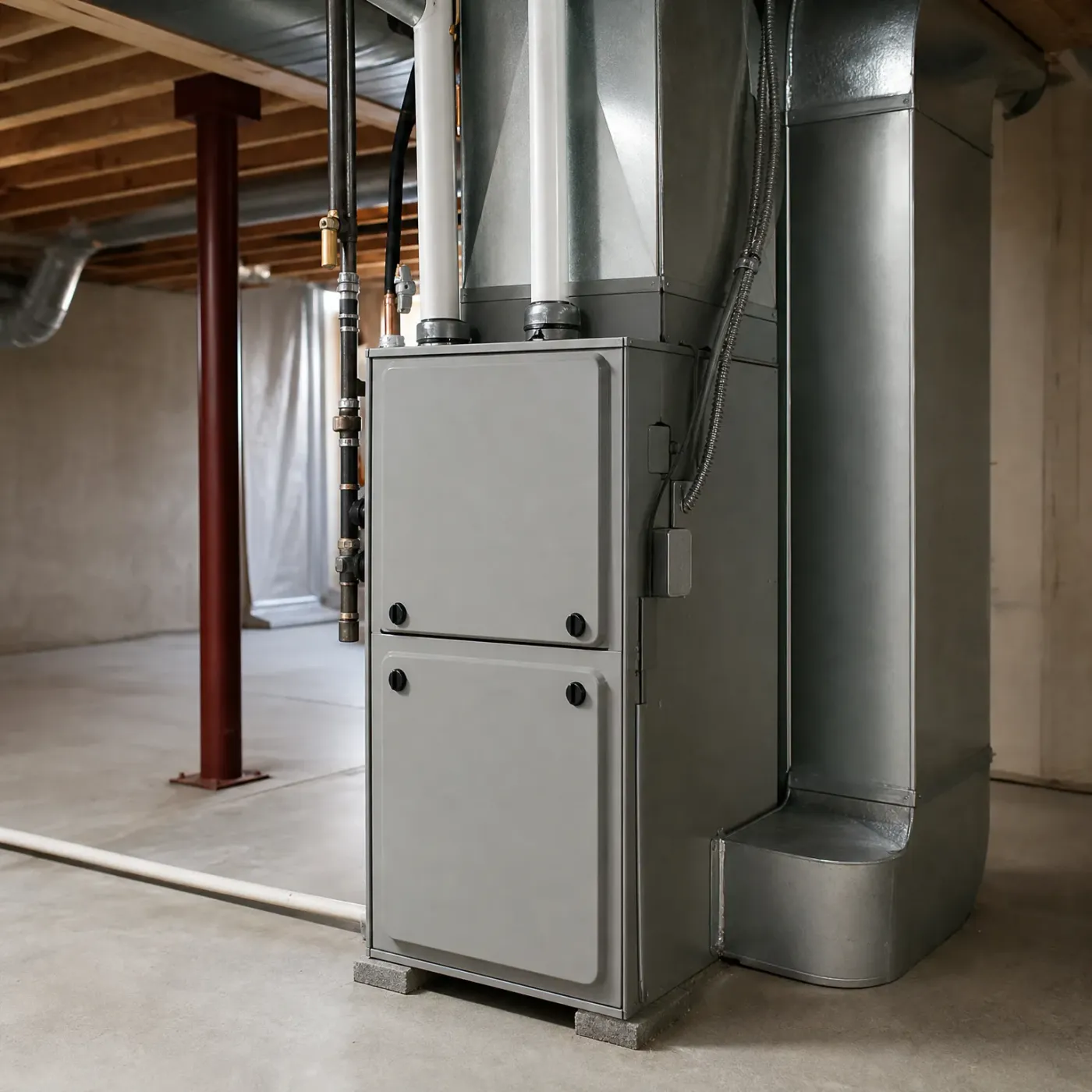
A gray high-efficiency furnace with two access panels stands on blocks in a basement, connected to sheet-metal ductwork, PVC vent pipes, flexible conduit, and gas and water piping, beside a red support column and exposed wood joists.

Describe it once

A licensed local pro takes the request for your furnace tune-up.

Fill out one form instead of calling around for a furnace tune-up.

Fill out one form

You're not committing to anything by asking.

Is your furnace actually keeping up this winter?

At 68, you shouldn't be reaching for a blanket or layering up indoors. If you are, or if the furnace runs long stretches without the house ever feeling warm, it's not keeping pace with the gap between inside and that 22 degree overnight low. Listen for it kicking on more often than it used to, or running longer each time before the air from the vents feels warm. A furnace working harder than it should is burning more gas to hold the same setpoint, and one that can't recover after the overnight setback by morning is telling you something is off, whether that's a dirty filter choking airflow or a part wearing down. Left alone, that strain tends to get worse, not better, as the cold settles in through January.

A gray high-efficiency furnace in a basement with PVC vent pipes, sheet-metal ductwork, copper and insulated pipes, a water heater at left, and an unfinished wood-stud wall at right.

Furnace holding its temperature

This is what a furnace closing that gap every night should look like. The burners fire, the heat exchanger warms, and the blower moves air through the ducts without strain. Set it back at night, bring it up in the morning, and it keeps pace either way.

An older beige furnace with louvered front panels stands on a concrete basement floor beside galvanized ductwork, metal and plastic pipes, exposed wood framing, and a cylindrical water heater at right.

Furnace falling behind

An older furnace working against a cold Idaho night doesn't always keep up. If yours runs long stretches without the house feeling warm, or the flue and ductwork look like this, it's working harder than it should to close the same 46 degree gap. Maintenance catches that before a cold morning does.

Is Your Furnace Keeping Up or Falling Behind

Furnace keeping up

  • The house reaches 68 and holds there, with no long stretch where the air coming out of the vents feels lukewarm.
  • The burners shut off and the blower runs a short tail before the next cycle starts, not the other way around.
  • You can set it back at night and the furnace brings the house up to temperature again by the time you're up.
  • Rooms farther from the furnace feel close to the same temperature as the room with the thermostat in it.
  • A rattle or a smell when it first fires in the morning goes away once it's been running a minute, not the whole cycle.

Furnace falling behind

  • You're reaching for a blanket or another layer indoors even though the thermostat still reads 68.
  • The furnace runs long stretches without much letup and the house still doesn't feel warm when it's done.
  • A setback at night means a cold house in the morning instead of a quick recovery once you bump the thermostat back up.
  • One or two rooms stay noticeably colder than the rest of the house no matter how long the furnace runs.
  • Short cycles, where the furnace fires and shuts off again within a minute or two, mean it's working harder for less heat.
A gray high-efficiency furnace with white PVC venting pipes stands on blocks in a basement next to sheet-metal ductwork, with exposed wood framing on the left and a concrete wall and floor.

A setup built for the setback

This is a newer furnace with sealed PVC intake and exhaust, a steady gas line, and ductwork sized to move air through the house without a fight. It can close a 46 degree overnight gap and still bring the house to 68 by the time you're up.

An older gas furnace with two white PVC vent pipes stands on a concrete basement floor beside galvanized sheet-metal ductwork, flexible conduit, and piping along a wall.

A furnace running out of margin

Older metal cabinet furnaces with flexible gas lines still heat plenty of homes here, but they lose efficiency as they age. If yours is struggling to climb back to 68 each morning, that setback you rely on is asking more of it than it can give.

Why does my furnace blow cold air before it warms up?

Why does my furnace blow cold air before it warms up?

That's the furnace clearing the ducts before the heat exchanger is ready

The burners light first, but the blower doesn't start right away. It waits a short stretch for the heat exchanger to come up to temperature, so the air moving through the ducts is actually warm by the time it reaches the house. What you're feeling at the vent in those first seconds is whatever air was sitting in the ductwork since the last cycle, pushed out ahead of the warm air behind it. Once the heat exchanger catches up, the air coming out should feel steady and warm, not just less cold. If it stays lukewarm well past that point, the furnace isn't keeping up with the gap it's working against.

  1. Thermostat calls for heat when the house drops below setpoint

  2. Igniter glows hot enough to light the gas burners

  3. Burners fire and heat starts building in the heat exchanger

  4. Blower waits roughly 30 seconds for the exchanger to warm

A smiling bearded man in a dark crewneck sweater sits at a dinner table with a lit candle, glasses of wine and water, and plates of food in the foreground, with a lamp, framed art and a potted plant behind him.
A woman with dark hair in a bun reclines on a gray sofa with her eyes closed and a slight smile, wrapped in a cream knit sweater and blanket, with an open book resting in the foreground and a lit lamp in the dim room behind.
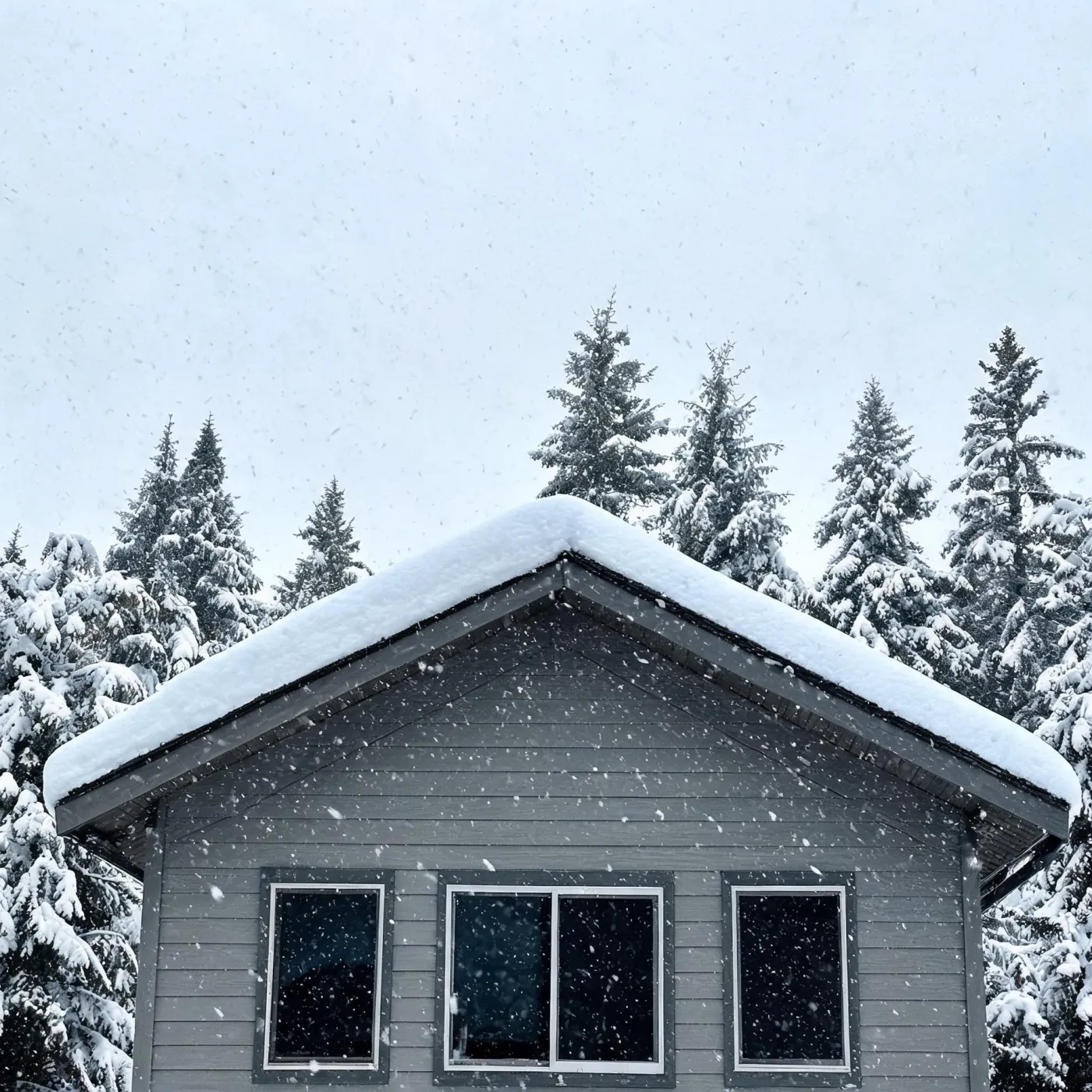
Gable end of a gray horizontal-siding house with three dark windows, its roof covered in thick snow, surrounded by snow-laden conifers under a pale sky with falling snowflakes.

Winter nights average 22°F statewide, according to NOAA climate data. That's the gap your furnace is closing every night while you sleep, whether you've set it back to 60 or left it at 68. A furnace that's kept up with maintenance, burners cleaned, igniter tested, airflow checked, closes that gap without strain and recovers the house by morning. One that hasn't will run longer, cycle harder, and still leave cold spots near the floor registers. You'll notice it most on the coldest nights of the year, not the mild ones, since that's when the furnace has the least margin to work with.

NOAA nClimDiv 1991-2020 county normals weighted by homes

A closed silver laptop and a glazed ceramic mug on a wooden table, with a blurred kitchen counter, potted plant, cutting board and window in the background.

68 during the day, set back at night, and a furnace that can hold it

That's the answer. 68 while you're home, 60 or 62 overnight, and the number matters less than whether your furnace brings the house back up on schedule. If it does, you're set for the winter. If it doesn't, the setpoint isn't the problem.

Figuring out which one it is usually means calling around, explaining the same thing to a few different companies, and sorting through quotes before you even get someone out to look at it. Someone local who services furnaces all winter can tell you in one visit whether yours is closing that gap the way it should, and you're only dealing with the one call, not three or four competing for the job.

A wooden table holding a stone vase with a bare branch, two stacked books and a small dark bowl, beside a window with green foliage outside and a sofa in the dim background.
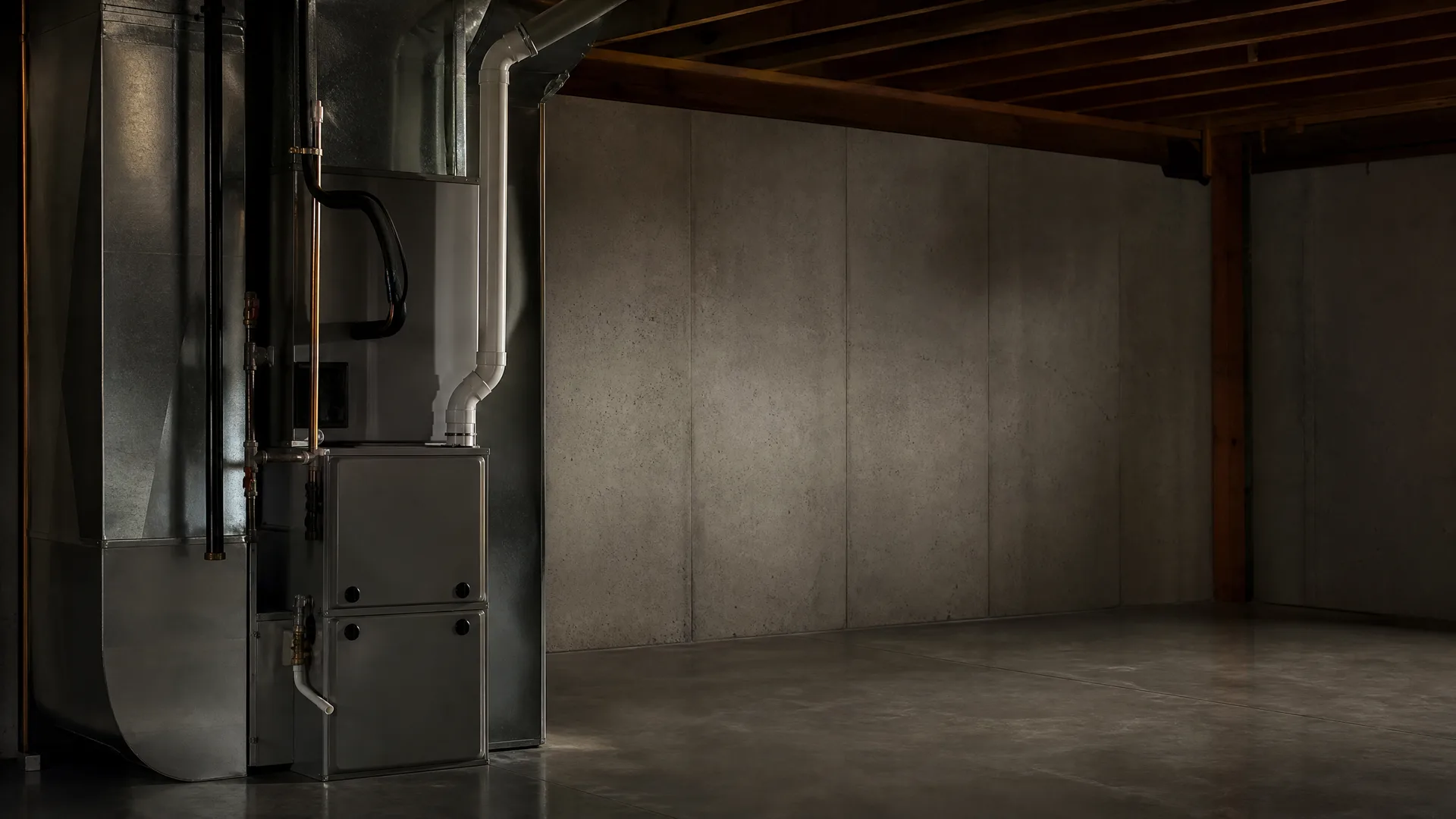
A dimly lit basement with concrete floor and walls, exposed wood joists, and a furnace with sheet-metal ductwork and copper piping on the left side.

No phone calls to make

Your request goes to one pro, not a list of companies.

Tune-up, service, or cleaningFurnace or heatingIdaho
Step 1 of 2

What ZIP code is the job in?