




Heat pump leaking water in Idaho Falls, ID

RepairHeat PumpBonneville County, ID
Step 1 of 2

What ZIP code is the job in?

Why is my heat pump leaking water?

Water showing up around your indoor unit or dripping near the outdoor unit is unsettling, especially when the system seems to be running fine otherwise. You want to know if this is a quick fix, something a filter change solves, or a sign of a bigger problem that needs a contractor before it causes damage to your floor or the unit itself.

Most often it's a clogged condensate drain line

A heat pump pulls moisture out of the air when it runs in cooling mode, and that water is supposed to flow out through a drain line into a pan or outside the house. Algae, dust and debris build up inside that line over time and block it, so the water backs up and spills out of the pan instead of draining away. A cracked drain pan or a dirty air filter restricting airflow across the coil can also cause it. If the leak is coming from the outdoor unit instead, that is usually just normal defrost runoff during the colder months and not a problem. Either way, water pooling near the indoor unit means something inside needs attention before it damages flooring or the unit's electrical parts.

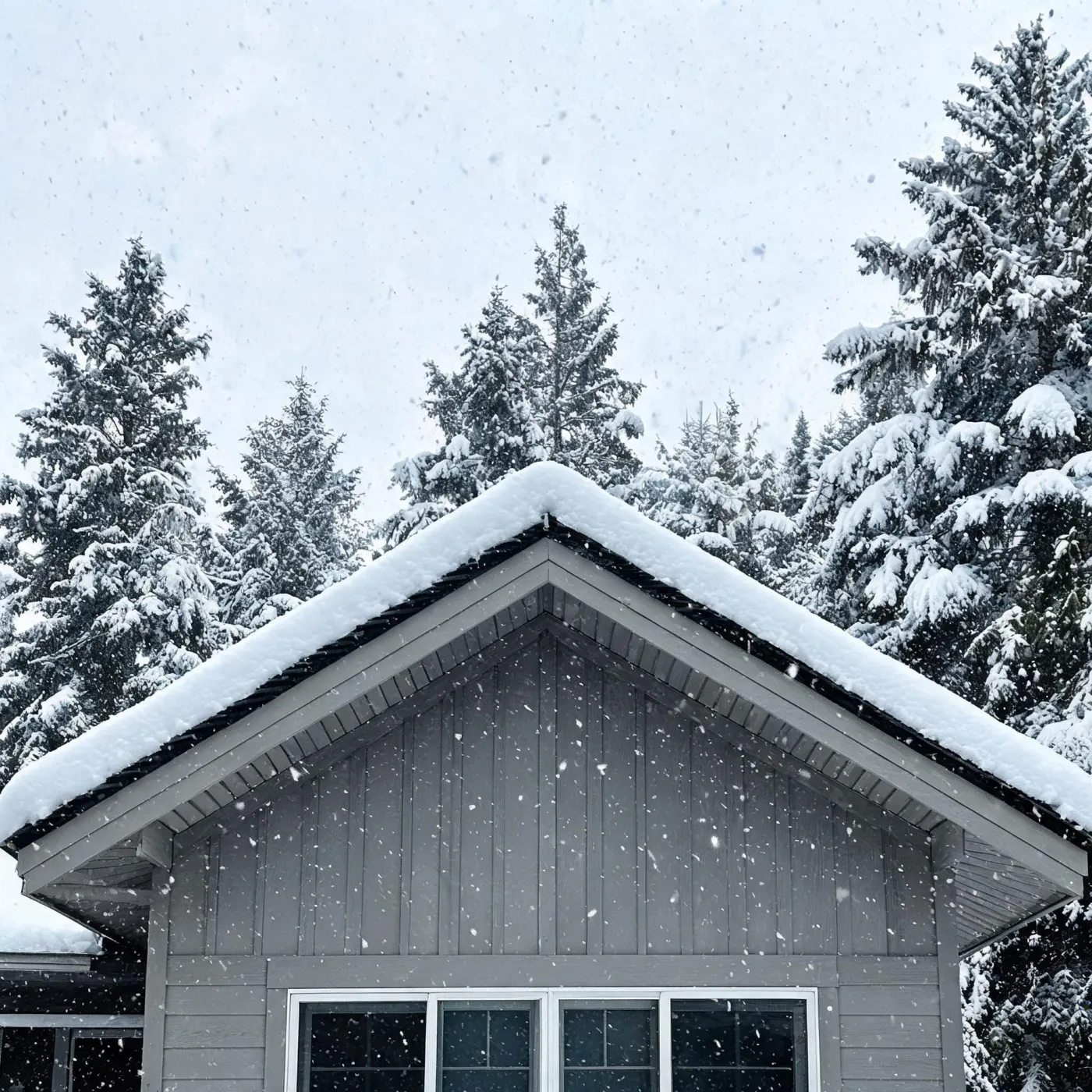
The snow-covered gable end of a gray board-and-batten house with wide eaves and a window below, backed by snow-laden conifers under a pale sky with falling snowflakes.

Winter nights in Bonneville County average 15°F, according to NOAA climate data. At that temperature, a heat pump's outdoor coil runs a defrost cycle often to keep ice from building up on it. Each cycle melts frost into water, and that water has to drain away somewhere. If the condensate line or the pad under the unit is blocked or frozen, that meltwater backs up instead, and you'll see it pooling around the outdoor unit or find ice forming where water should be draining clear. The colder the night, the more often this happens.

NOAA nClimDiv 1991-2020

A closed laptop and a ceramic mug of coffee on a wooden table, with a blurred kitchen counter, cutting board, utensil jar and plant in the background.

A puddle on the floor is the easy part to see

The water itself rarely ruins anything if you catch it. What it tells you is the problem. A clogged condensate line backs up and finds the nearest low spot, which is often the drywall or subfloor under your air handler. Leave it long enough through a cold stretch and you're looking at warped flooring or a stain spreading across the ceiling below, not just a damp spot you wipe up on a Tuesday.

You don't need to figure out whether it's the drain line, a cracked pan, or ice built up on the outdoor coil before you call someone. That's the part a contractor sorts out in person. What converting now saves you is the rest of it: not spending your evening searching listings, not calling three companies and getting two voicemails, not explaining the same leak story over and over before anyone even looks at your unit. Send the form once and that legwork is off your plate.

A light gray sofa with gray and beige textured throw pillows and a cream knit blanket beside a white-framed window, with a small round side table holding a ceramic vase and potted greenery.
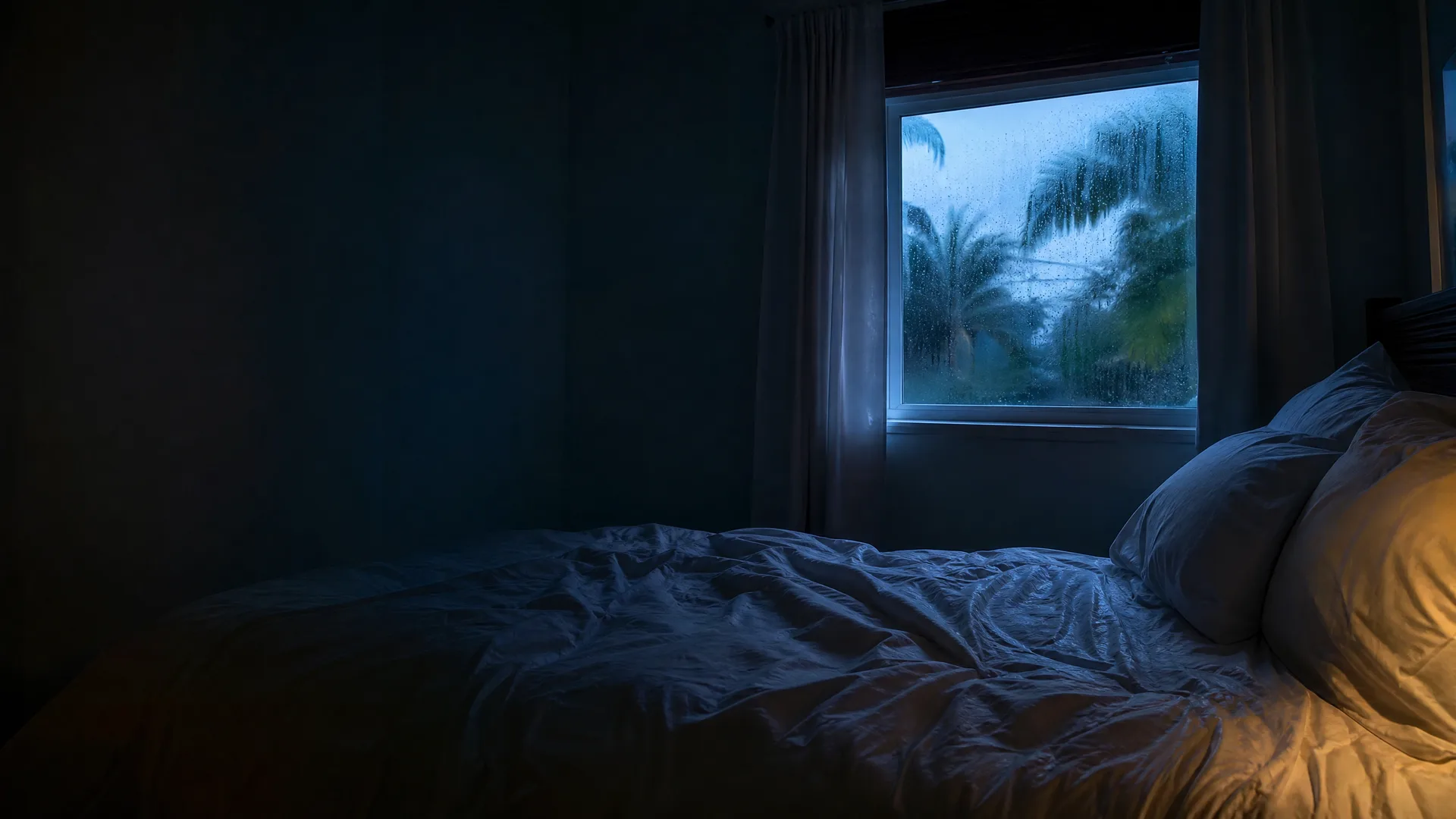
A dark bedroom with an unmade bed and pillows beside a curtained window showing rain-streaked glass and palm foliage outside.

It's past midnight in August and the bedroom is still warm enough that the sheets stick to you. The window is fogged at the edges where the cooler glass meets the air inside. You get up to check the vent and your sock lands in water, a thin puddle creeping out from under the unit toward the hallway. The air coming out still feels cool, so the system seems fine, which is what makes you stand there a minute, barefoot in the wet spot, trying to decide if this is something you deal with tonight or something that can wait until morning.

Hand off the search today

Skip calling shops to ask who repairs heat pumps in Bonneville County.

You're not committing to anything by asking.

Leave it alone and the drain stays clogged. Algae and dust keep building in that condensate line until it backs up again, and the next puddle shows up somewhere you don't notice right away, like inside a wall.

Have a contractor clear the line and check the drain pan now, and the system sheds that water the way it's supposed to. You stop checking the floor every time the unit runs.

An outdoor air conditioner condenser unit on a concrete pad beside a house with horizontal siding above a concrete block foundation, with insulated refrigerant lines and a vertical white pipe on the wall.
Before you get your heat pump repair
A gray outdoor heat pump unit on a concrete pad beside a house with horizontal lap siding, connected by conduit and a flexible line to a wall-mounted disconnect box, with low shrubs and mulch nearby.
After you get your heat pump repair

Where the water should go

A heat pump's indoor coil pulls moisture out of the air and drips it into a drain pan, which feeds a condensate line running outside or into a floor drain. That line has a slight pitch to it so gravity does the work. Nothing pumps the water along, so anything that narrows the pipe, a sag, a clog, a crack, slows the flow or stops it. Once it stops, the pan fills and overflows, and that's the puddle you're seeing. The line is doing a steady job all summer, carrying off water you never have to think about until it can't.


Why summer here makes it worse

Idaho Falls summers are hot and dry, so the air coming into your return duct can still carry more moisture than you'd guess, especially if the system runs for hours at a stretch cooling the house down. More runtime means more water collecting in that pan, hour after hour. A drain that's half blocked might keep up on a mild day and lose the race on a hot one. That's why the leak often shows up during a stretch of real heat, even though the clog itself may have been building for weeks.

A bearded man in a navy T-shirt sits on a light-colored couch indoors, smiling while looking down at a laptop screen in the foreground, with a framed picture and a potted plant blurred behind him.
A bearded man in a plaid flannel shirt stands indoors looking out a window at snow-covered conifers, with a ceramic mug on the wooden sill and wooden cabinets behind him.

A clogged line

Algae and dust narrow the condensate line until water backs up instead of draining outside. The leak keeps coming back until the line itself is cleared.

Hand off my repair

A cracked pan or iced coil

A rusted drain pan or a coil that's iced over from a refrigerant problem leaks on its own schedule. A contractor can tell you which one you're dealing with.

Hand off my repair

What does the water near your furnace mean

You might notice a damp patch on the floor near the indoor unit, a musty smell coming from the closet or utility room it sits in, or water staining the ceiling below if that unit is up in the attic. Sometimes it's just a drip you catch early, a few drops on the pan or the floor beneath it. Left alone, that moisture sits against wood and drywall long enough to soften them, and damp spots like this are where mold gets its start. If the unit sits near your electrical panel or wiring, standing water nearby is worth getting looked at sooner rather than later.

A smiling man in a dark green shirt over a white t-shirt sits at a kitchen counter with a dark mug, looking off to the side, with shelves, plants and a bright living area behind him.
A man in a gray long-sleeve waffle-knit shirt smiles and looks off to the side in a kitchen with open shelving, a refrigerator, a wooden sideboard with a potted plant, and a glass door to the right.
A man in a dark green ribbed sweater stands smiling and looking off to the side beside a stone kitchen counter with a ceramic mug, with a dining table, pendant lights, and large windows in the background.
A bearded man in a gray long-sleeve shirt stands smiling and looking off-camera beside a kitchen counter with a white mug, with a living room, fireplace and wall-mounted television behind him.

Call now or wait it out

Call a contractor now

  • A contractor clears the condensate line and checks the trap so water drains the way it's supposed to.
  • If the drain pan is cracked or rusted through, it gets replaced instead of patched.
  • A low refrigerant charge or a dirty outdoor coil, either of which can cause icing, gets found and corrected.
  • You skip calling around to different companies and explaining the leak more than once.
  • The water stops showing up on your floor, your ceiling or inside the wall where you can't see it.
  • Any damage the leak already caused, like a stained ceiling or soft subfloor, gets caught before it spreads further.

Wait and watch

  • The condensate line stays clogged with whatever algae or dust is already in it, so the backup keeps happening.
  • A cracked pan keeps dripping every time the system runs, not just once.
  • An iced coil from a refrigerant leak gets worse, and the heat pump works harder to do less.
  • Water that's found a path into drywall or subfloor keeps soaking in a little more each time.
  • You're still the one checking the floor after every cycle to see if it's happened again.
  • The next puddle might show up somewhere you don't notice right away, like behind a wall or under flooring.
A gray outdoor heat pump unit on a concrete pad beside a house with horizontal lap siding, with a conduit running to a wall-mounted disconnect box and a green shrub to the left.
The drain pan is dry and the line runs clear, so water goes where it should.
An outdoor air conditioning condenser unit with dusty coils sits on a concrete pad against light horizontal siding, with an electrical disconnect box and refrigerant lines on the wall and a shrub and mulch at left.
Dust has caked over the coil here, and that grime is what turns a drain line into a clog.

Winter nights average 15°F

At 15°F, your heat pump is defrosting often through the night to keep its outdoor coil clear of ice. Each defrost sends more water down the condensate line than the system makes on a mild day, so a line that's already partly clogged backs up sooner once the cold sets in.

NOAA nClimDiv 1991-2020

A heat pump leaking water almost always comes down to the same thing: water that isn't draining where it should, usually because the condensate line is clogged or the pan underneath it has failed. That's true whether you caught it as a puddle by the indoor unit or frost melting off the outdoor coil. The fix depends on which one it is, but neither one gets better by waiting. Right now your options are to keep checking on it yourself, or to find a contractor who can clear the line, check the pan, and tell you if low refrigerant or a dirty coil is behind it. Finding that contractor usually means calling around, explaining the same leak to a few different companies, and sorting through quotes before anyone even looks at your unit. Send the form on this page and that part is done. You won't have to track anyone down or repeat yourself to the next person you call. Someone who already knows what a 15°F night does to a condensate line in Bonneville County takes it from here.

A dark wood cabinet with a paneled door and a ceramic pot of green foliage on top stands in a beige-walled room with white baseboard, a window at left, hardwood floor, and a patterned area rug.
A dark wood glass-front cabinet holding folded towels, woven baskets and a ceramic vase stands in a bathroom corner beside a window, with a potted fern and stacked towels on top and a freestanding tub partly visible at left.
A woven basket holding a green cushion and a cream fringed knit throw sits on a wood floor in a room corner beside a window and a dark wooden cabinet.
Corner of a room with a dark wood cabinet topped by a round vase, a linen curtain at a window, white baseboard, oak plank flooring with sunlight patches, and a woven jute rug in the foreground.
A dark wood sideboard against a pale wall holds a shallow stone bowl and a round ceramic vase with leafy branches, with sunlight from a curtained window falling across the wall, wood floor and woven rug.

Send one request and you're done looking

Describe your heat pump job once, to one pro.

Send it today

No charge to send it. You decide if you hire them.










