


Heat pump not heating in Blackfoot, ID

Find my pro

A heat pump that won't heat on a cold night in Blackfoot is not something to leave alone. It could be a stuck reversing valve, a frozen outdoor unit, a thermostat set wrong, or something in the electrical side that only a licensed tech can find safely. Most homes in Bingham County heat with gas, so a heat pump in trouble here often means the backup heat is doing all the work, and your bill will show it even if the house stays warm. Getting matched with a contractor who services heat pumps in this area, someone who sees how the cold here affects this specific equipment, means you are not explaining your situation twice or waiting on a callback from a company that mostly installs furnaces. One contractor reaches out to you directly, local to Blackfoot, so you are not fielding calls from several outfits while your house sits cold. Tell us what your system is doing and get matched with someone who can look at it.

A heat pump that blows cold air on a cold Blackfoot night is usually stuck on one of a few problems. The outdoor unit may be iced over, which blocks it from pulling in the heat it needs, even though the unit should run a defrost cycle on its own every so often. The reversing valve, which switches the system between heating and cooling, can stick in the wrong position. Or the thermostat is calling for heat but the system is not answering, which points to a control board or electrical issue. With Bingham County winters running cold for months, a heat pump stuck in the wrong mode will keep the house cold and keep the backup heat or furnace carrying the load it was not sized to carry alone. None of these are safe to chase on your own, since they involve refrigerant lines or line voltage. A tech who works on heat pumps in this area through the winter will know which of these is most likely given how your system is acting, and can get it heating again correctly instead of limping along on backup.

An outdoor heat pump unit on a concrete pad beside a house corner, with a small electrical box and conduit on the wall, gravel border, grass, and a plain light-colored wall filling the right side.

Why the reversing valve sticks

The reversing valve switches the heat pump between heating and cooling by redirecting refrigerant flow. When it sticks in the cooling position, the system keeps blowing cold air no matter what the thermostat is set to. This usually shows up after the unit has been idle for a while, or when it has cycled between heating and cooling many times over a season. A stuck valve needs a trained hand to free or replace, since forcing it can damage the coil behind it.

A grey outdoor heat pump unit on a concrete pad beside a white stucco wall and dark siding with a downpipe, with gravel and grass in the foreground.

What a frozen coil means

Idaho winters push outdoor units into longer, harder defrost cycles. If that cycle fails to kick in or cuts off too soon, frost builds across the coil and blocks airflow completely. From outside, the unit may look like it's covered in a thin sheet of ice rather than frost. Running the system longer in this state does not clear it. The defrost control board or outdoor sensor is usually behind a cycle that won't finish, and that's a part a licensed tech tests directly rather than guesses at.

Why does my house feel colder than the thermostat says

You set the thermostat to 70 and the house sits at 64, or the air coming out of the vents feels room temperature instead of warm. The outdoor unit might be running non-stop without ever catching up, or it might have gone quiet while a sheet of ice builds up on the coil. Some homes notice the system short-cycling, turning on and off every few minutes instead of running a normal stretch. Left alone on a cold Blackfoot night, this isn't just discomfort. A heat pump that can't shed its load will keep drawing power without producing heat, and if a frozen coil goes unaddressed it can strain the compressor, which is the most expensive part to replace.

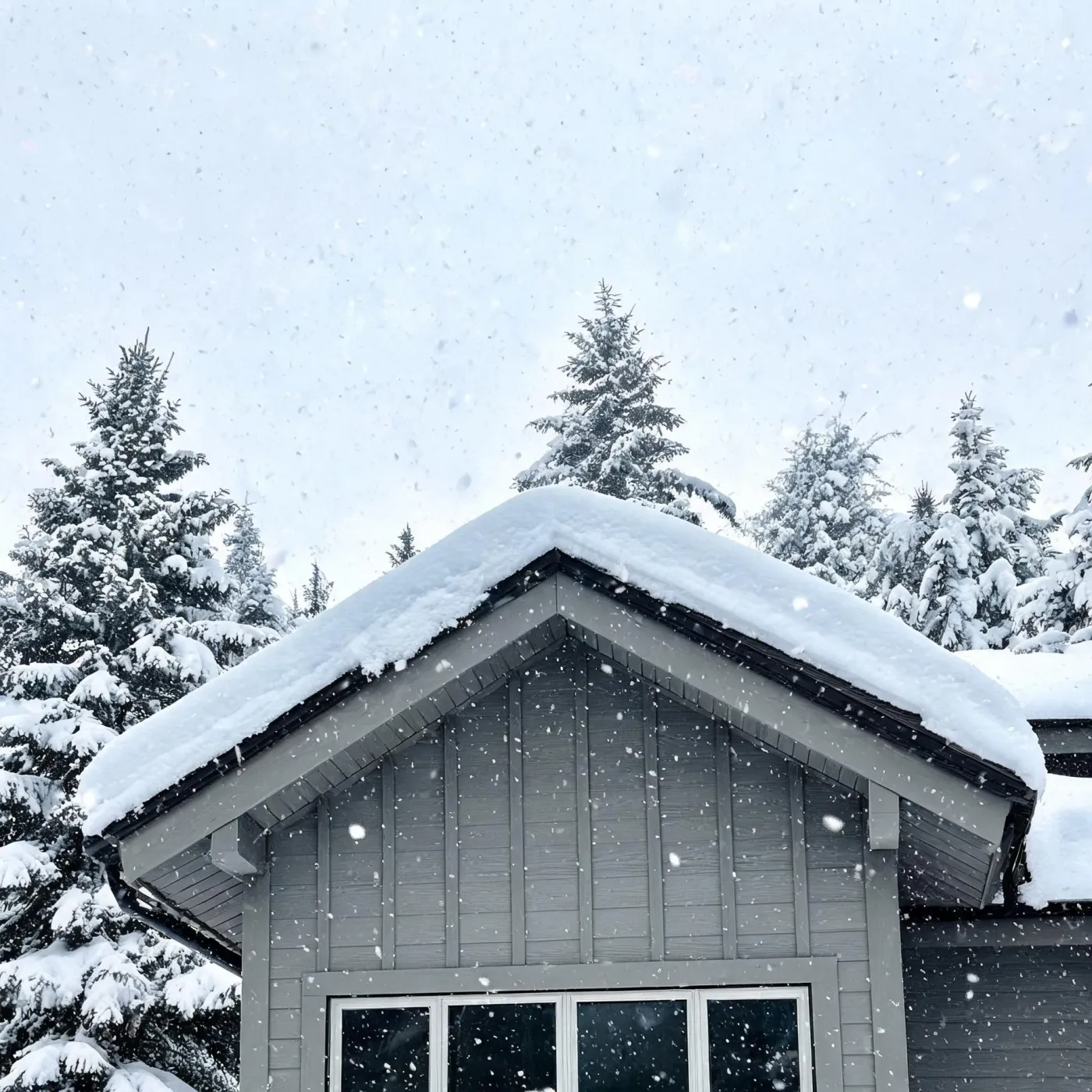
Gable end of a gray board-and-batten house with a thick layer of snow on the roof, surrounded by snow-covered conifer trees during falling snow.

Overnight lows in Bingham County average 16°F through December, January and February, according to NOAA climate records. That is well below the point where a heat pump can pull much heat out of the outside air, so most units lean hard on defrost cycles and backup heat to keep up. You might notice the outdoor unit running almost constantly, or the air at the vents feeling lukewarm instead of warm, even when nothing is broken. On a night that cold, it does not take much, a stuck reversing valve, an iced coil that will not clear, a sensor reading wrong, to tip a heat pump from struggling to not heating at all. A local contractor who works on these systems through a Bingham County winter knows which of those to check first, and matching with one means a single tech looking at your unit instead of several companies calling about it.

NOAA nClimDiv 1991-2020

A local pro for your heat pump repair

A licensed pro who repairs heat pumps in Bingham County gets your request.

Asking costs nothing, and the choice to hire stays yours.

Running the backup heat strips

If your heat pump has electric backup heat, it can carry the house through a stuck reversing valve or an iced outdoor unit for a while. The air coming out will feel warm instead of cool, since the strips heat it directly instead of a refrigerant cycle pulling heat from outside. It will cost more to run than the heat pump working properly, and it does nothing to fix what's wrong with the outdoor unit. At 16°F outside, backup heat can keep a house livable for a night or two while you wait for a tech, but it is not a fix.


Switching to gas heat for now

If the house also has a gas furnace paired with the heat pump, switching the thermostat to gas-only heat sidesteps the stuck valve or frozen coil entirely. Most homes in this area already heat with gas, so this is often just a thermostat setting away. It keeps the house warm at a lower cost than electric backup strips while the heat pump sits unused. It still leaves the heat pump broken, and running on furnace alone through a hard Bingham County winter works fine until the furnace needs its own attention.

How long does a heat pump in Blackfoot have to work each year?

  • Winter nights average 16°F

    Winter nights here average 16°F, cold enough that your heat pump leans on defrost cycles and backup heat most nights to keep up.

  • Heat runs September through June

    Heat runs September through June in homes here, so a stuck reversing valve or iced coil affects ten months, not just the coldest week.

  • Cooling runs July through August

    Cooling only runs July through August, which means your heat pump spends most of its life in heating mode, where these problems show up.

NOAA nClimDiv 1991-2020

Where this leaves you

  • Cold air from the vents on a 16°F night usually means a stuck reversing valve, an iced outdoor unit, or a thermostat issue.
  • A heat pump should run a defrost cycle on its own; if the outdoor unit stays coated in ice, that cycle isn't working right.
  • Backup heat strips can mask the problem for a while by warming the air directly, so the house stays comfortable even if the heat pump itself isn't working.
  • Electrical faults in a heat pump should only be opened up and tested by a licensed tech.
  • A house running several degrees below the thermostat setting points to the outdoor unit struggling to keep up, not just a drafty room.
  • Winters in Bingham County push heat pumps hard enough that a problem left alone tends to show up again on the next cold night.

Cold air on a night this cold has a short list of causes. A reversing valve stuck in the cooling position, ice built up on the outdoor unit because the defrost cycle isn't firing right, a thermostat set or wired wrong, or an electrical fault somewhere in the system. Backup heat strips can cover for any of these for a while, warming the air directly so the house still feels fine, which is why the problem can sit unnoticed until a strip fails too or the power bill shows what the heat pump has been skipping. A house sitting several degrees under the thermostat setting is usually the outdoor unit losing the fight against outside air, not a drafty window or a closed vent somewhere. None of this is something to chase down yourself. Opening the electrical side of a heat pump without training is dangerous, and a reversing valve or a defrost control board needs a licensed tech to test and replace. Bingham County winters run cold enough, long enough, that whatever is wrong tends to show up again the next hard night rather than fix itself. Getting it looked at now means finding out which of these it actually is, rather than guessing while the heat strips carry the load and the real problem waits underneath.

A woman with shoulder-length graying brown hair in a cream knit cardigan sits in a dark armchair indoors, looking off to the side with a slight smile, with a shelf, window and houseplant blurred behind her.
A woman with dark hair in a bun sits on a grey couch holding a sleeping child wrapped in a knit blanket, with a lit lamp and potted plant blurred in the background.

Heat Pump Repair

Get the right pro for your heat pump

The pro who gets in touch is licensed in Idaho and works in Bingham County.

A black-framed smartphone standing upright against a plain light gray background, its screen filled with solid green.
RepairHeat PumpBingham County, ID
Step 1 of 2

What ZIP code is the job in?
