Running the way it should
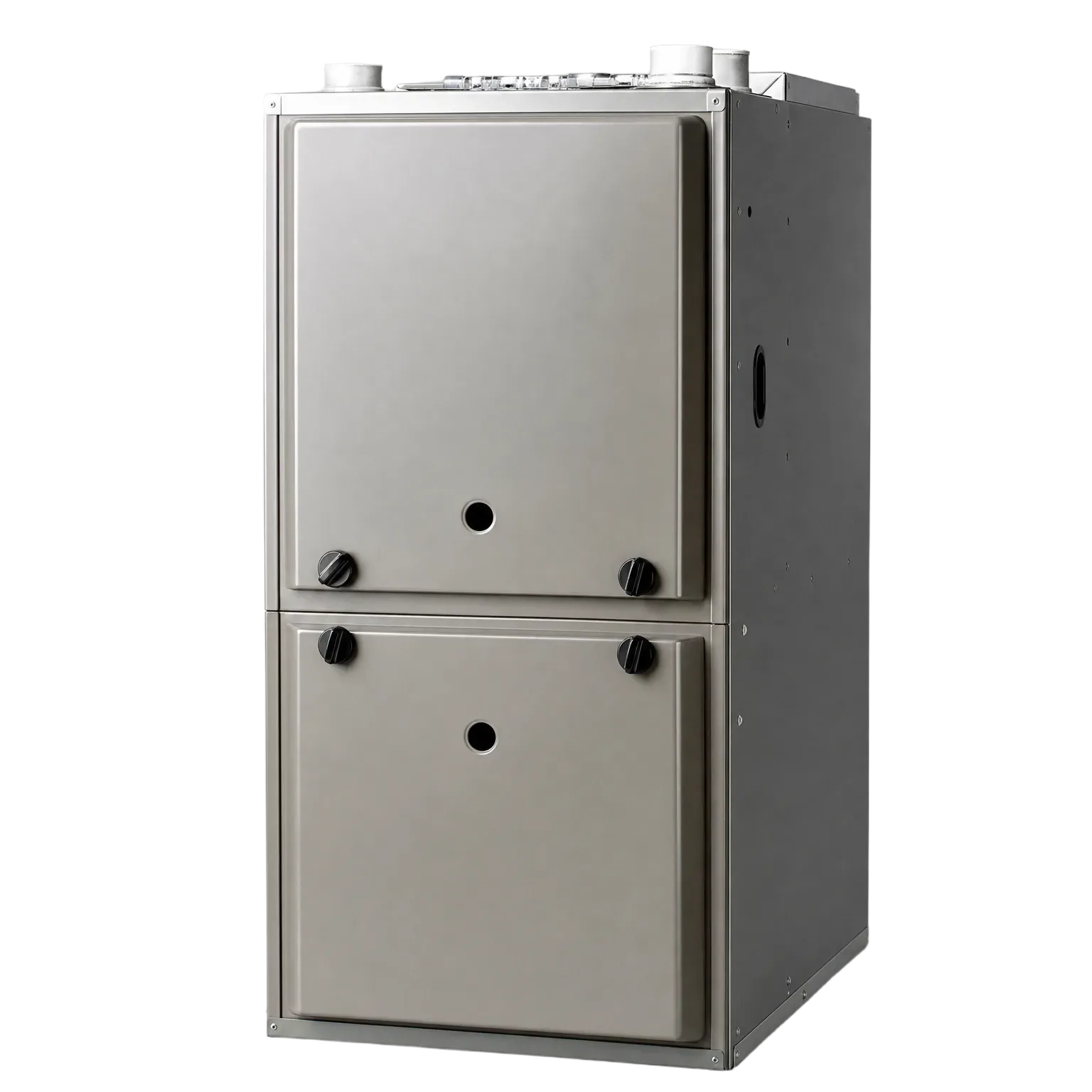
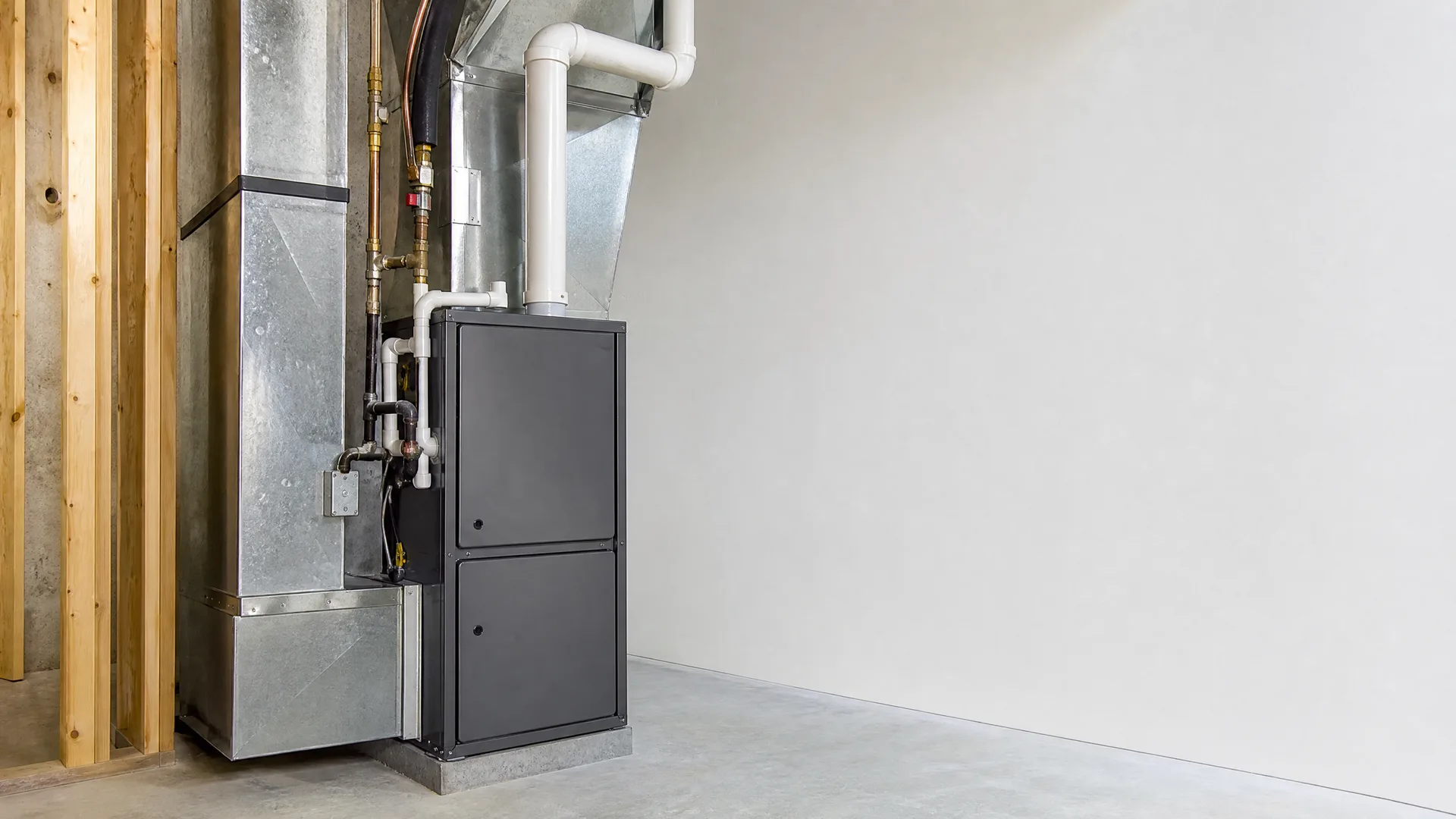
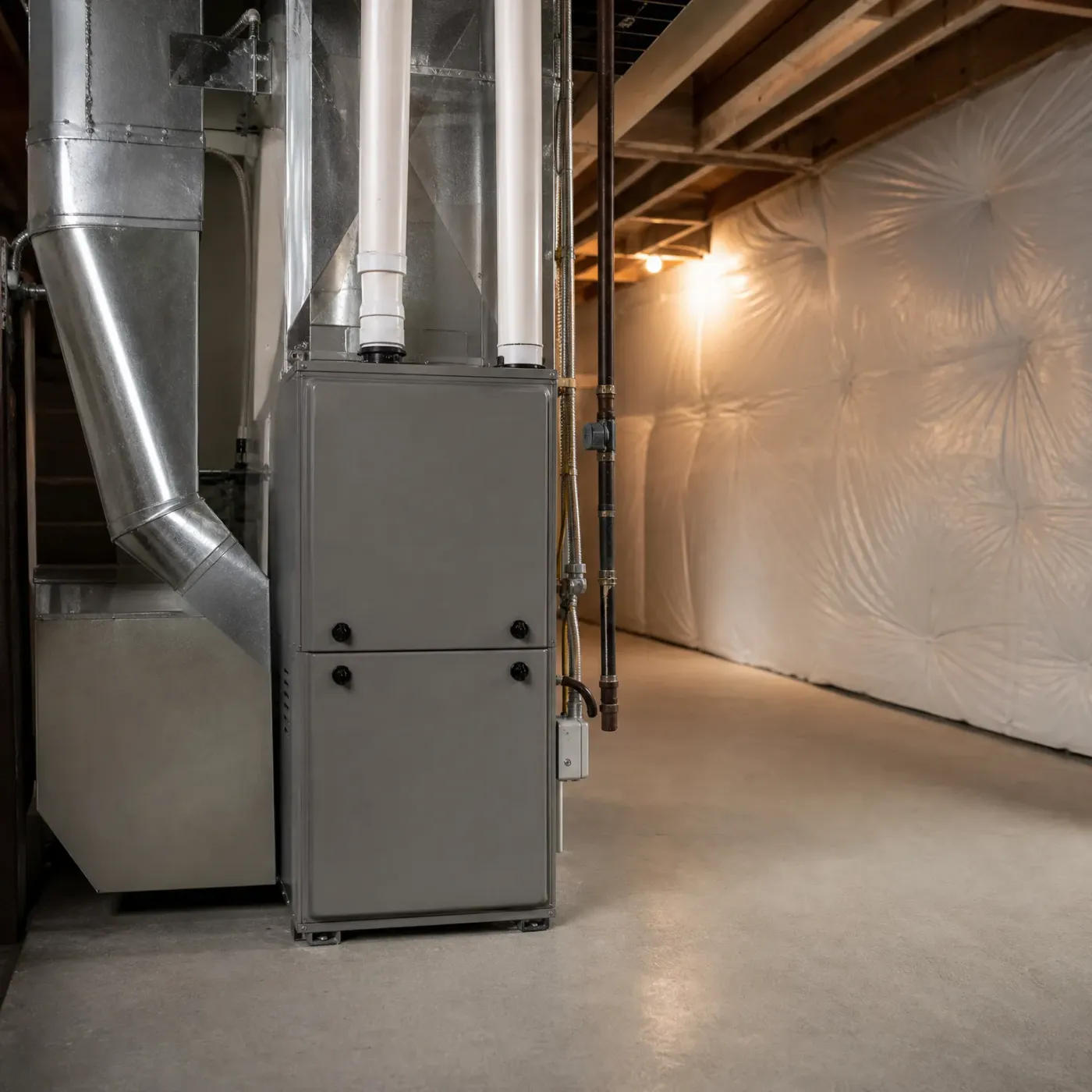
This is a furnace doing its job. The burners light clean, the flue pipe carries exhaust out, and the ductwork moves warm air through the house without strain. A tune-up now keeps it running this way when it matters most.
A furnace tune-up before winter means having someone check and clean the system now, before Cassia County's cold sets in, so it doesn't fail on the night you need it most. A tech cleans or checks the burners and igniter, looks at the heat exchanger for cracks, tests the flame sensor, and checks that the blower and ductwork are moving air the way they should. Furnaces that sit unused through a hot, dry Burley summer collect dust in places that affect how cleanly they light and run. A unit that was fine last March can still have a part worn down enough to fail under the first hard freeze. Catching that in October, while it's still simple to get someone out, is different from catching it in January when the same part has already quit on a cold morning. The tune-up itself doesn't fix a failing part, but it tells you which ones are close to the edge while there's still time to deal with them on your schedule.

This is a furnace doing its job. The burners light clean, the flue pipe carries exhaust out, and the ductwork moves warm air through the house without strain. A tune-up now keeps it running this way when it matters most.

Dust builds on the burners, the igniter weakens, or the blower starts pulling more than it should. None of it looks urgent in October. By January, with the furnace running all day against a hard freeze, any one of those can be the reason it quits.
Winter nights average 20°F
Overnight lows average 20°F through December, January and February, so the furnace isn't just cycling on, it's working against real cold most of the night.
Heat runs September through June
Heat runs here from September through June, about ten months of the year. A furnace with a bad igniter or a cracked exchanger has little time off to hide it.
61.3% of homes heat with electricity
61.3% of homes in Cassia County heat with electricity, according to Census data. If that's your furnace, a tune-up is the time to have the electric components checked.
NOAA nClimDiv 1991-2020 · ACS 2020-2024
A gas furnace burner should burn blue, with maybe a touch of yellow at the tip. A tech checks this during a tune-up because a yellow or orange flame usually means the burner isn't getting enough air, and that can point to a clogged burner or a venting problem. Left alone, that same fire can put soot inside the heat exchanger instead of burning clean. Catching it now, before a January night, is the point of having it looked at.
The filter sits in the return duct and cleans the air moving through it, nothing more. A dirty one doesn't touch air quality so much as it chokes airflow, and a furnace starved for air works harder to push heat through the house. During a tune-up the filter gets pulled and looked at, and most homes need a fresh one more than once over a Cassia County winter that runs September through June.
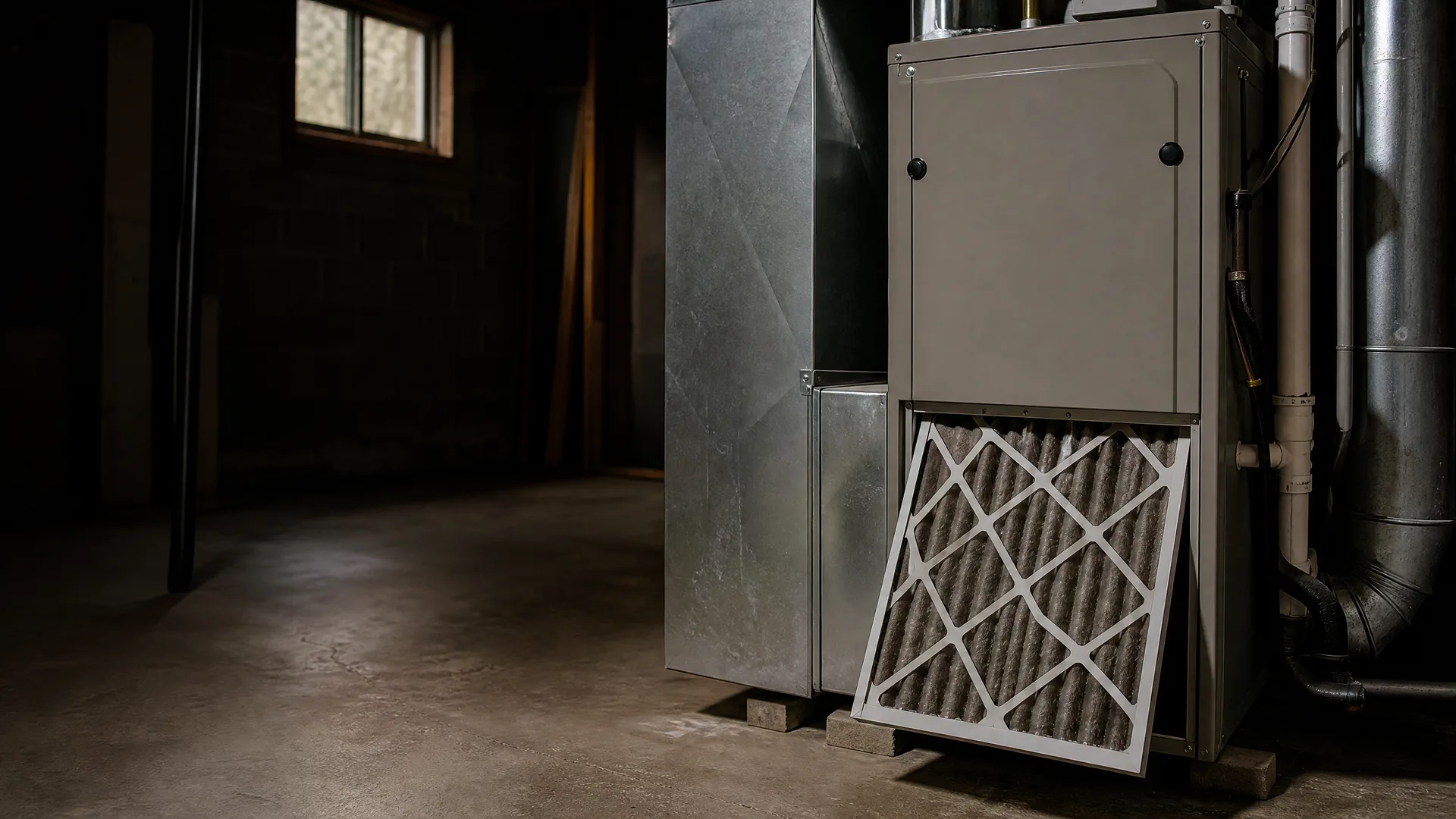
It's a little past four on an October afternoon, and the light coming through the basement window is already going thin. You pulled the filter to check it before winter and it's grey all the way through, dust packed into the pleats. The furnace sits there with the filter slot half empty, waiting. Outside the cold hasn't come yet, but you know how fast it will once it does, the way it does every year in Cassia County. You slide the filter back partway and stop, thinking you should have someone look at the whole thing while there's still time, not just the filter. Upstairs the house is quiet and warm, for now.
The pro who gets in touch is licensed in Idaho and works in Cassia County.
No fee to send it, and nothing to sign.
Skip the tune-up and the furnace might still get you through winter.
It might also quit on a night when it's 10 below and every other furnace in Cassia County is working just as hard, and the earliest appointment isn't tonight.


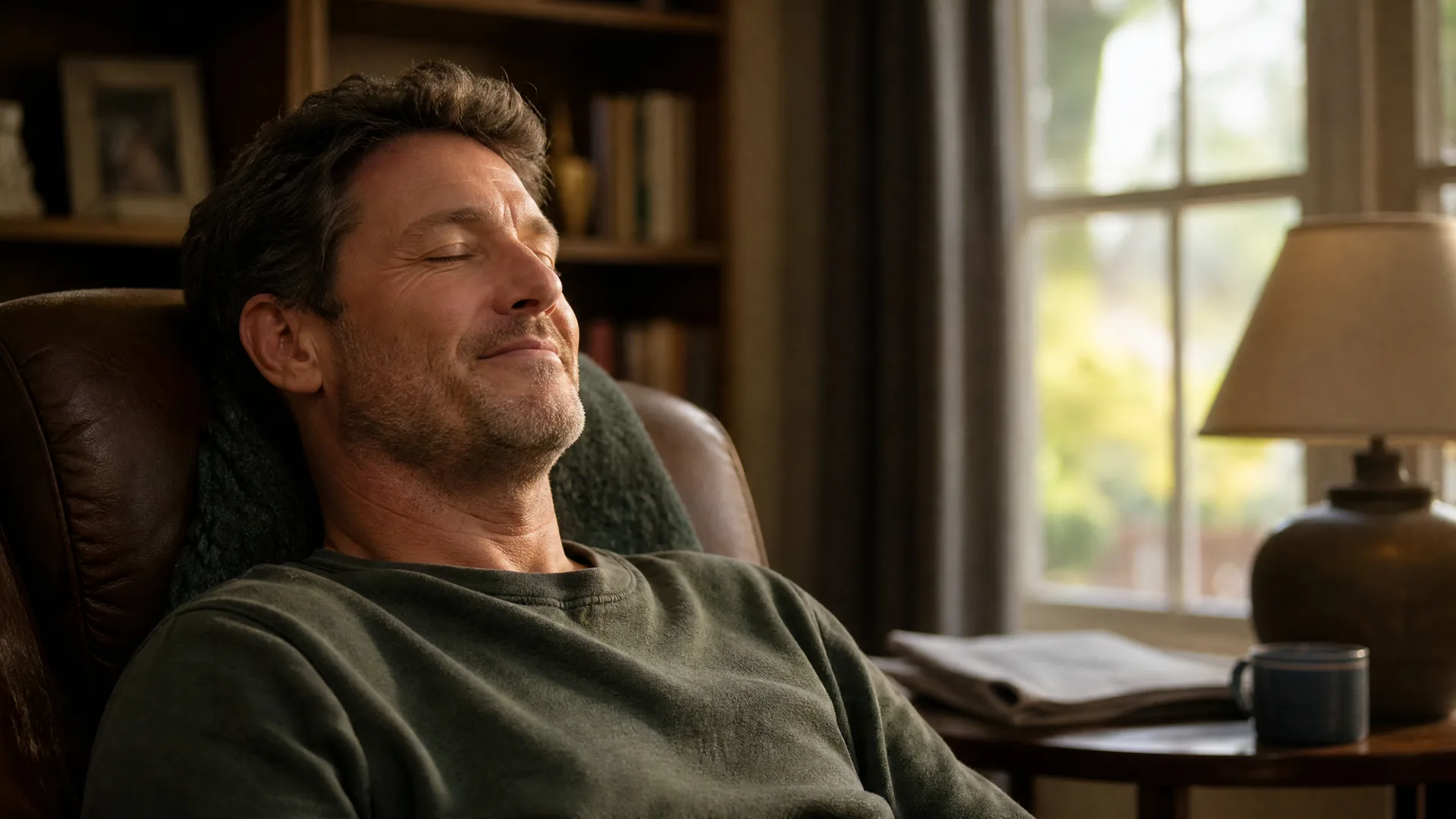
A tune-up fits on your schedule, not an emergency one. The tech has time to check the heat exchanger and clean the burners properly before the furnace runs every night.
Once the cold sets in, so does everyone else's furnace trouble. You're calling around on the coldest night instead of picking a time that works for you.
Walk past the furnace and listen. A bang or rattle when it first kicks on usually means the burners need cleaning. A burning smell the first few times you run it is normal for a day, but if it lingers, dust has built up somewhere it shouldn't. Short cycles, where it shuts off and restarts a few minutes later, point to a clogged filter or a blower working harder than it should. None of these mean the furnace is about to quit. They mean it's telling you something before the cold sets in and it's running every night with no break. Catch it now and a tech has time to work through it properly.


Tech checks the thermostat calls for heat and the furnace responds
Burners are inspected and cleaned so the flame burns blue
Heat exchanger gets checked for cracks or corrosion
Flue pipe is checked to confirm exhaust is venting outside
At 20°F, the furnace isn't cycling on and off. It's running long stretches to keep the house warm, and it does that most nights for three months straight. A tune-up now checks whether it can hold up to that before the cold actually arrives.
NOAA nClimDiv 1991-2020

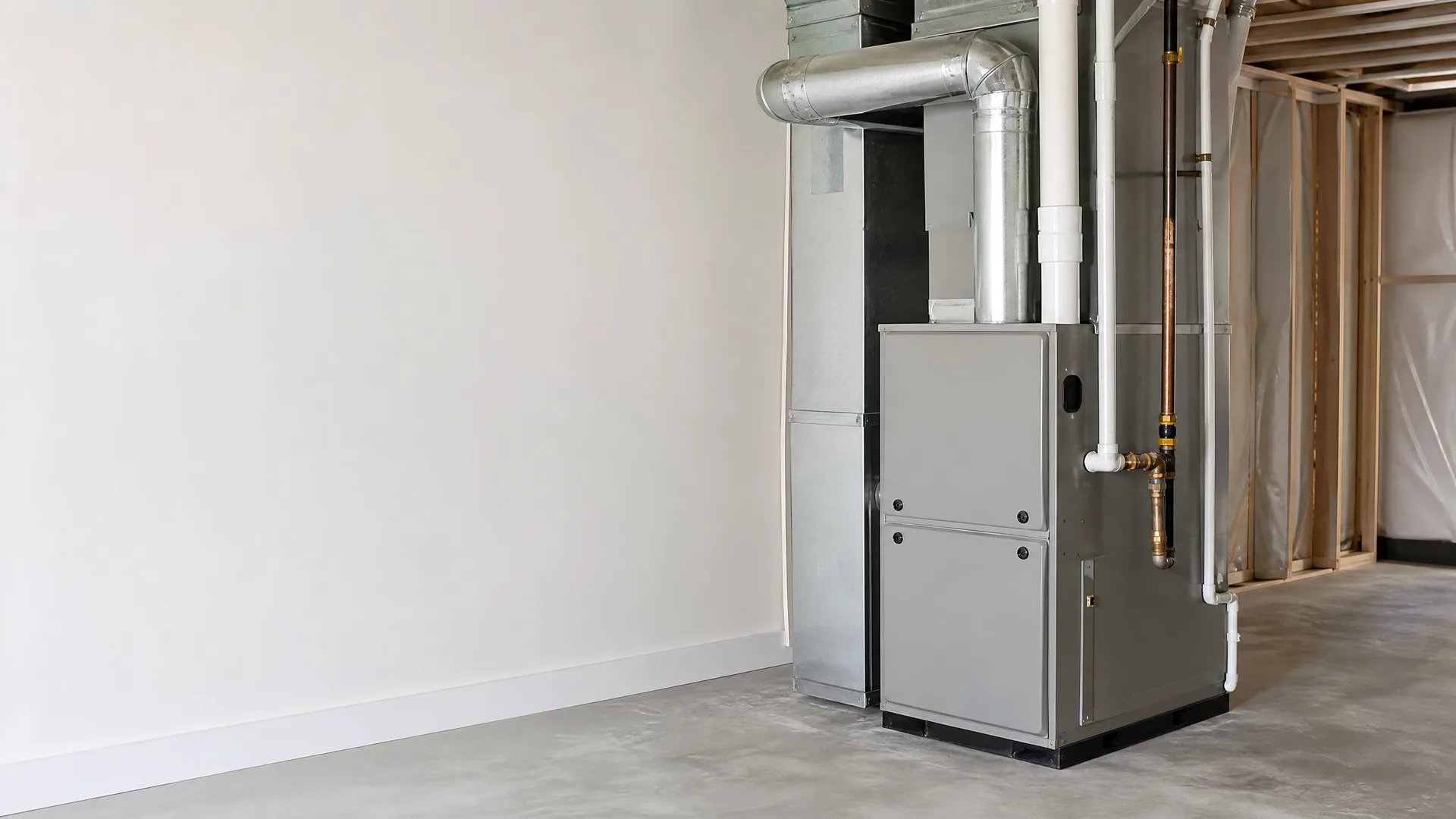
This is what a serviced furnace looks like sitting in the basement. Flue pipes run clean to the outside, the gas line is tight, and the ductwork carries air off without any strain on the blower. Nothing here is working harder than it needs to, and that's the point of getting it checked before the cold sets in.

Same kind of furnace, same basement setup, but nobody's looked at it since last winter. The flue vent, the gas line, the duct joints, any one of them can fail quietly over months and you won't know until the furnace won't light or won't keep the house warm. A tune-up catches what a glance down the basement stairs won't.
You want to know what you're actually paying for before you book someone to come out. A tune-up sounds like a vague term until you know what gets tested and why. You've already read about the parts that get checked, the flame color, the heat exchanger. What you want now is how the tech knows the furnace actually works end to end, not just that the parts look fine sitting there.
A tech doesn't just look at parts sitting still. They set the thermostat up to call for heat and watch what happens next, in order. Does the igniter glow and light the burners right away, or does it hesitate. Does the blower kick on at the right point, not too early and not late. Then they check the amp draw on the blower motor against what it should be, because a motor pulling too many amps is working harder than it should and won't last as long. They'll cycle the thermostat down and confirm the furnace shuts off clean, no lingering flame, no delay. Each step tells them something a flame color or a clean filter alone won't.


A furnace tune-up before winter comes down to one question. Can this furnace run clean for the next three months without quitting on you. Everything a tech checks, the burner flame, the heat exchanger, the igniter, the flue pipe, the blower motor, is there to answer that one thing before the cold makes it matter.
The contractor who shows up for this works on furnaces around Cassia County every fall. That means they've already seen what usually goes wrong here first, a cracked heat exchanger, a burner that's gone from blue to yellow, an igniter that's on its way out. They're not guessing at what to check. They know because they checked the same things on another furnace down the road last week.
You fill out one form and one contractor takes the job. Not three companies calling you back trying to get on the schedule first. Just the one, licensed, local, already booked to look at the parts that matter on a system like yours.
Once that's done, the furnace stops being something you have to think about. The overnight lows settle into the 20s, the furnace runs long stretches to keep up, and you already know it can handle that because someone checked it while there was still time to fix what needed fixing instead of scrambling for a repair at ten at night.
A licensed local pro takes the request for your furnace tune-up.
You're not committing to anything by asking.