Water by the Furnace, Explained
- Water near the furnace points to a clogged or frozen condensate line, not a failing furnace itself.
- The fix is usually clearing the line or trap, not replacing any major part.
- Left alone through a Rigby winter, the leak can warp the cabinet base or reach a nearby gas connection.
- A technician can clear the line, check the safety switch, and have the furnace draining properly again in one visit.
- Sending the form is the last step on your end; a contractor takes it from there and reaches out to you directly.
- Catching it now, before the trap freezes solid, keeps a simple clog from turning into a shutdown on a cold night.
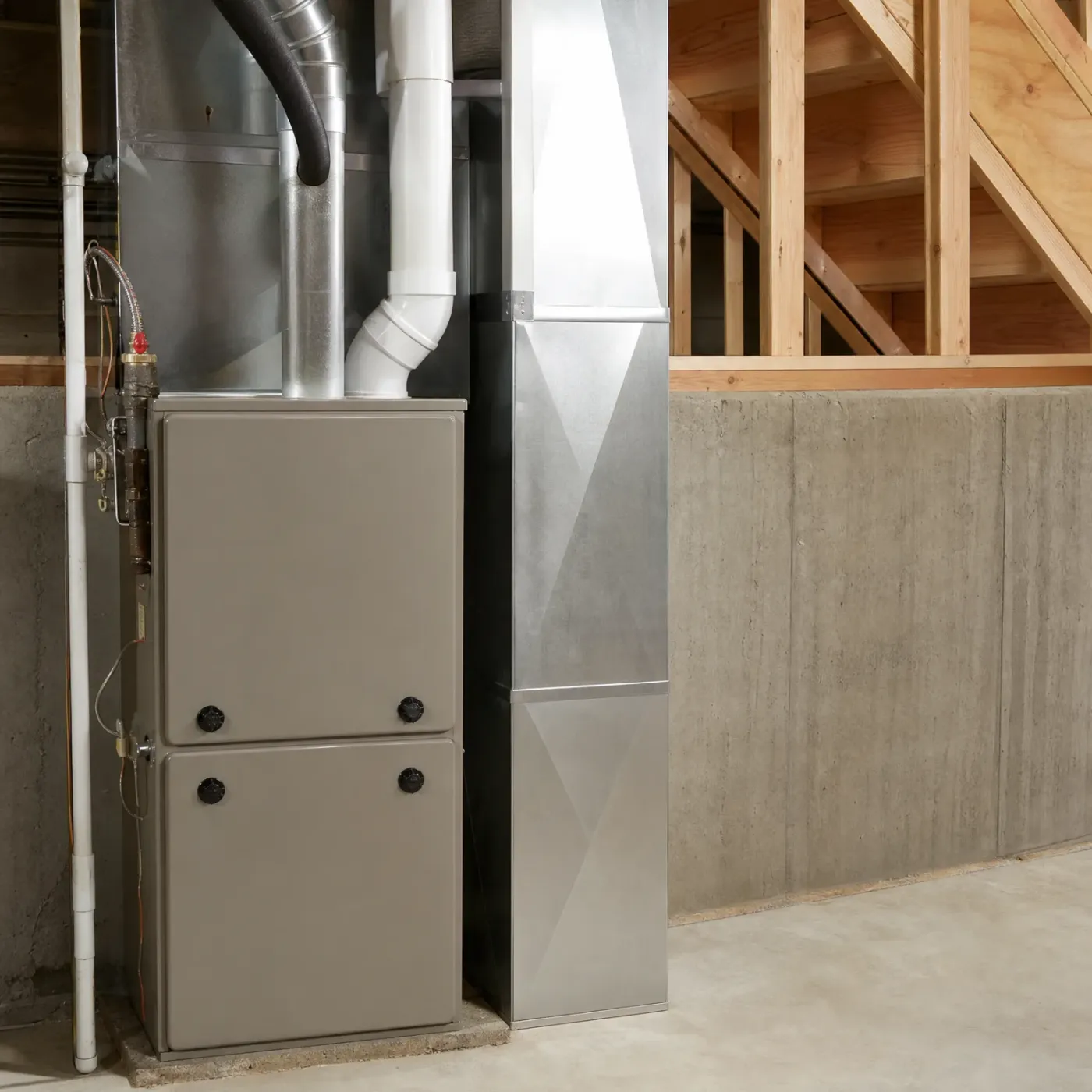
A puddle by the furnace in Rigby almost always traces back to the condensate line, the small PVC pipe carrying water away from a high-efficiency furnace as it runs. Cold snaps make it worse. When the line or the drain trap freezes, water has nowhere to go but back up and out onto the floor. It looks alarming, but it's rarely the furnace itself failing. A technician clears the blockage, checks that the safety switch on the drain trap is working the way it should, and confirms the line is draining before leaving. No major part needs replacing in most cases. What matters is not waiting. A clog that sits through a stretch of single-digit nights can freeze solid, and a frozen trap can trip that safety switch and shut the burner down, leaving the house without heat until someone clears it. Water sitting at the base of the cabinet overnight can also warp the metal or reach a nearby gas line, neither of which gets better on its own. Once the form is sent, the search for someone to come out is off your plate. A contractor who works on furnaces around Jefferson County gets the details and reaches out to you directly. From there it's a matter of getting someone out to clear the line, check the switch, and get the furnace draining the way it's supposed to, before the next cold night makes a small clog into a bigger problem.