












Furnace making a loud noise in Hailey, ID

RepairFurnace or heatingBlaine County, ID
Step 1 of 2

What ZIP code is the job in?

Why is my furnace making a loud noise?

A furnace that's quiet one day and banging or screeching the next is unsettling, especially when it's the middle of a Blaine County winter and you need it running. Before you can decide if this is something to watch or something to shut off and call about, it helps to know what the noise usually means and whether it points to a minor part or something more serious.

It's almost always a specific part failing, not the furnace as a whole

A bang when it starts usually means delayed ignition, where gas builds up before it lights. A screech points to the blower motor bearings or a belt, if your furnace has one. Rattling is often a loose panel or a part working itself free from vibration. Grinding usually means a motor bearing is wearing out. Each of these is a distinct repair, not a sign the whole system is failing. Where you live, the furnace runs hard for months at a stretch once the cold sets in, and that kind of steady use is what wears a bearing down or works a screw loose. The noise itself is the furnace telling you which part needs attention.

A smiling woman in a cream knit sweater sits at a marble counter with a glass of red wine, with a dining table, pendant lights, and French doors in the dim background.
A smiling woman with long dark hair in a cream sweater sits in a dimly lit open-plan home interior, with a glass of red wine in the foreground and a dining table, fireplace and shelving behind her.
A woman with long dark hair in a black turtleneck laughs while seated at a light stone counter with a glass of red wine, in a dimly lit interior with a potted plant, framed pictures and a hanging lamp behind her.
A woman in a dark sweater laughs while seated at a white marble counter with a glass of red wine, in a dimly lit open-plan interior with a pendant lamp and dining table behind her.
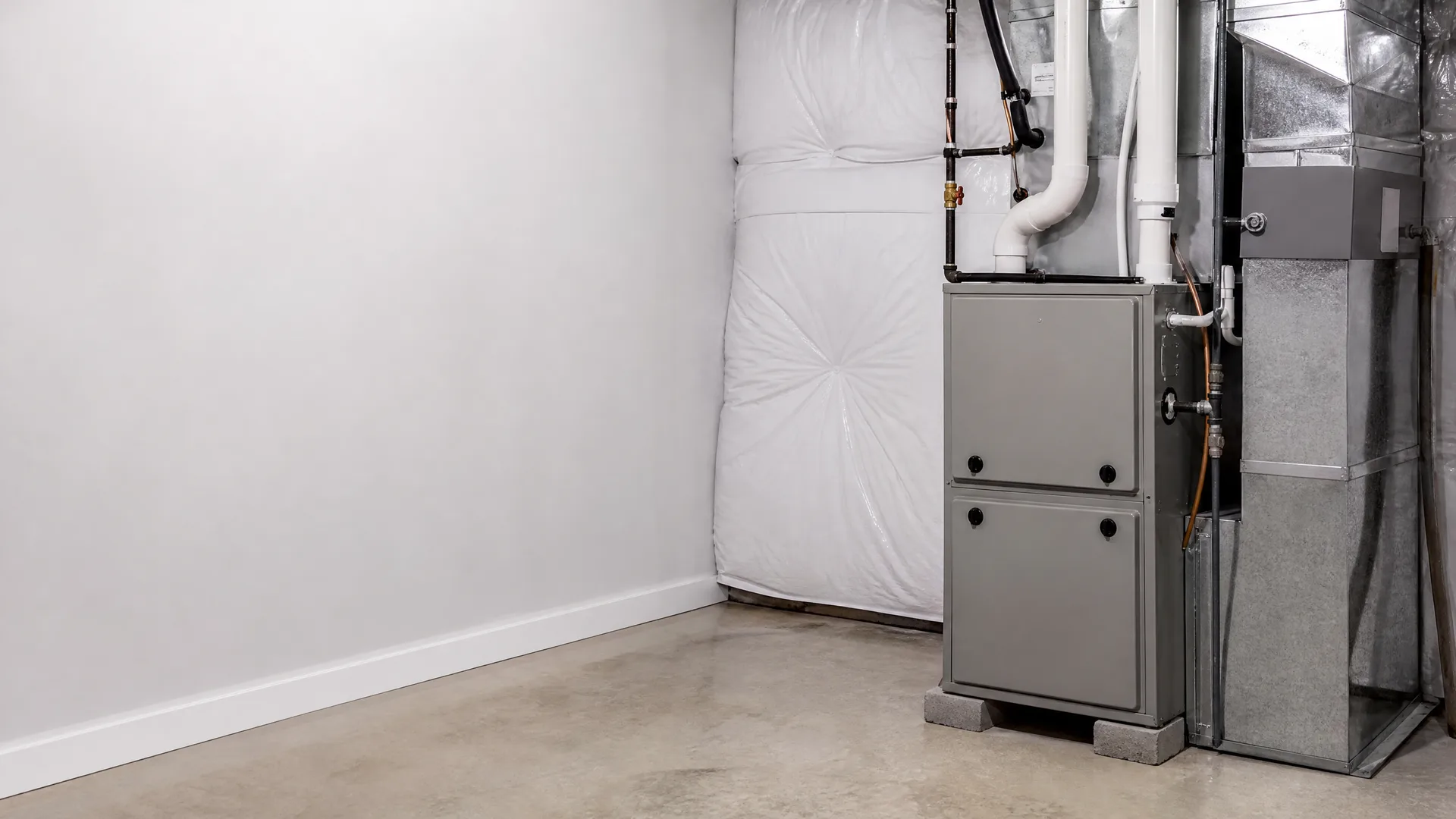
A basement utility area with a gray furnace, sheet-metal ductwork, pipes, plastic-covered walls, a concrete floor, and a black shelving unit holding storage bins.
A quiet furnace run like this one means the blower, burners, and ignition are all doing their job without strain.
A gray metal furnace with louvered vent panels stands on a concrete basement floor beside galvanized ductwork, gas and plastic pipes, and foil-faced insulation along the ceiling and wall.
Rust on the cabinet and a furnace running loud on a cold night usually means a part inside has already started to fail.

What the noise is telling you

  • A metallic screech at startup usually points to the blower motor bearings or the squirrel cage fan wheel rubbing somewhere it shouldn't.
  • A rhythmic banging right when the burners light is often the burner assembly igniting dirty or dented, pushing a small delayed flare into the heat exchanger.
  • A loud bang followed by the furnace shutting off can mean the flame sensor or igniter has failed and the control board locked out the system.
  • A rattle that comes and goes with the blower speed often traces back to a loose panel screw or a cracked mount on the blower housing.
  • A low humming or buzzing from the cabinet can mean the inducer motor is struggling to pull exhaust through a partly blocked vent.
  • A popping sound from the ductwork itself is usually metal expanding as heated air moves through it, not the furnace failing.

Every sound a furnace makes happens at a specific point in its cycle, and that timing is the clue. A screech when the blower first kicks on points to the motor bearings or the fan wheel itself, since that's the only part spinning at that moment. A bang right as the burners fire is gas igniting somewhere other than cleanly across the burner, which happens when the burner ports are dirty or the assembly has shifted. If that bang is followed by the furnace going quiet and staying quiet, the control board has likely locked out the system after the flame sensor or igniter failed to do its job, which is the board protecting the heat exchanger rather than a new problem on its own. A rattle tied to blower speed is mechanical and usually simple, a screw worked loose or a mount that's cracked under vibration. A hum or buzz that doesn't match the blower's rhythm often comes from the inducer motor working harder than it should, pulling exhaust through a vent that's partly blocked. Not every sound means the furnace is failing. Ductwork expands and contracts as heated air moves through it, and the pop or tick that makes is the metal, not the equipment. Knowing which of these you're hearing, and when in the cycle it happens, is most of the diagnosis before a contractor ever opens the cabinet.

A smiling man with curly graying hair and a dark knit sweater sits at a candlelit dinner table with a glass of red wine, a water glass and a bowl of salad in the foreground, in a dimly lit room with a lamp, framed picture and window behind him.
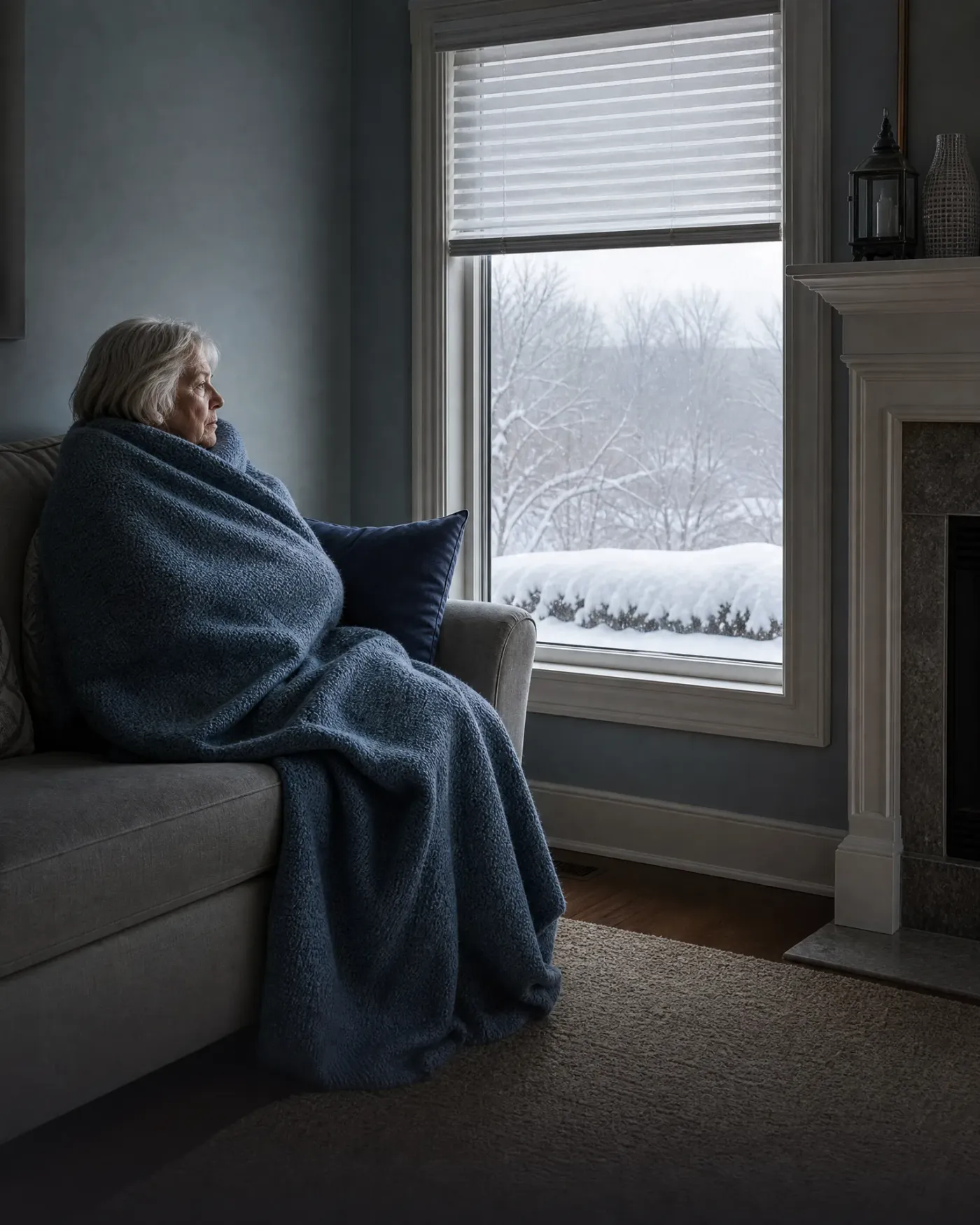
A woman in a cream knit sweater reclines on a gray sofa with her eyes closed and a slight smile, covered by a fleece blanket with a closed book on her lap, a lit table lamp and potted plants behind her.

Winter nights in Blaine County don't leave much room for a furnace to be down. A noise that starts small rarely stays that way. The blower motor that screeches today can seize next week, and a seized motor doesn't get fixed, it gets replaced. A squirrel cage fan scraping against its housing wears a groove that eventually lets metal shavings into the ductwork, which means cleaning or repairs beyond the furnace itself. If the noise comes from a part that's failing enough to shut the system off mid-cycle, you could come home to a cold house and pipes sitting in freezing air longer than they should. Even if nothing fails outright, a furnace working harder to push the same heat through your house shows up on the power bill before you ever see a breakdown. None of this means panic over every rattle, but a new sound your furnace didn't make last winter is worth having someone look at before it decides the timeline for you.

What That Noise Costs You

  • A banging furnace left alone on a January night in Hailey can mean a cold house by morning if the heat exchanger cracks or the blower quits.
  • Ignoring a screeching blower motor often ends with the motor seizing, which turns a repair into a full replacement.
  • A furnace that shuts off mid-cycle from a failing part can leave your pipes exposed to a hard Blaine County freeze.
  • Running a furnace with a scraping squirrel cage fan can wear through the housing and push the problem into the ductwork.
  • A loud furnace pulling harder to heat the same rooms shows up as a higher bill before it shows up as a breakdown.
  • Waiting out a new noise instead of having it checked usually means paying for the noise and the damage it caused.
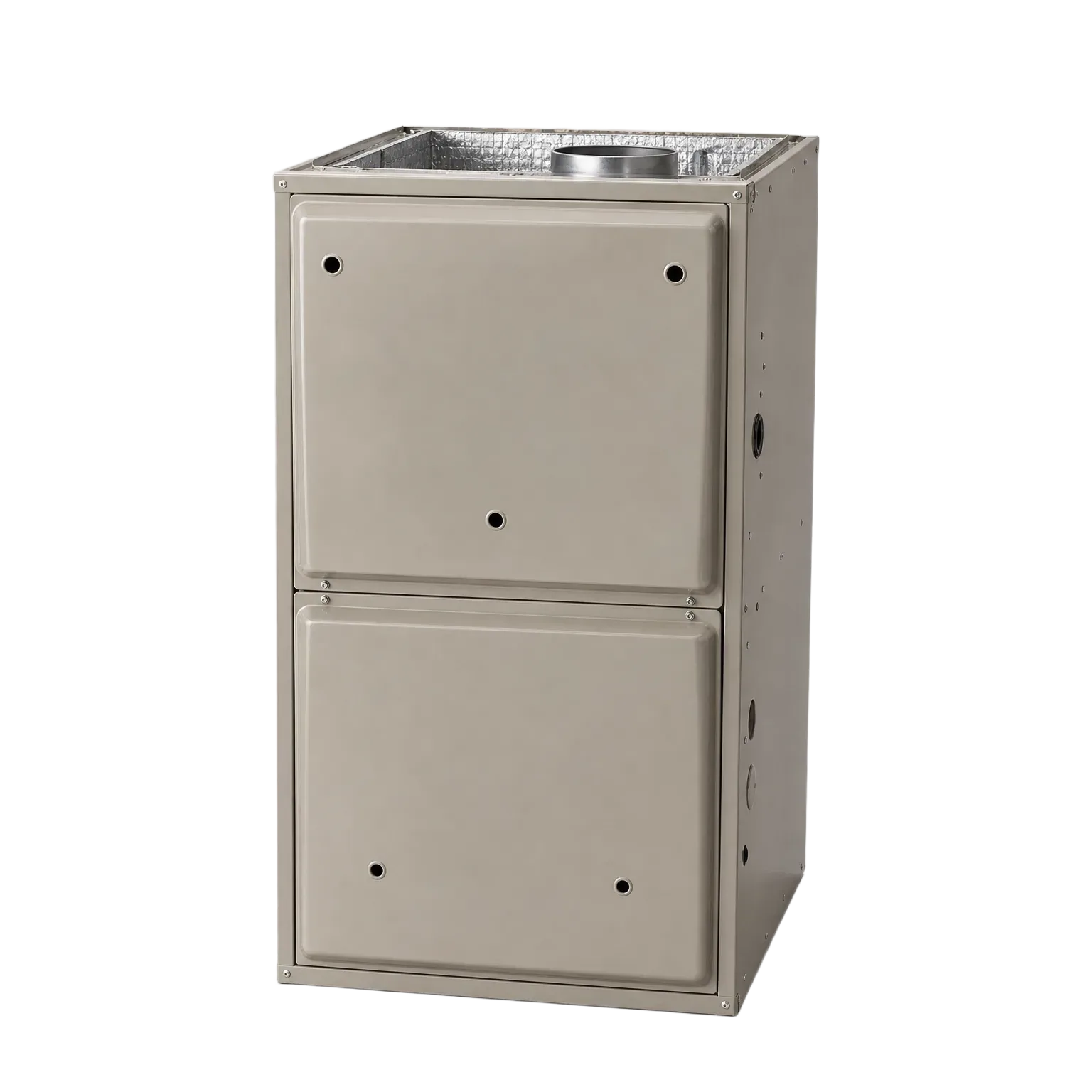
A beige furnace with two access panels stands against a concrete basement wall, with galvanized sheet-metal ductwork, a white PVC pipe, flexible conduit and insulated ducting around it.
Before you get your furnace repair
A gray furnace with white PVC vent pipes stands beside sheet-metal ductwork in a basement with a smooth concrete floor, exposed wood framing, and plastic sheeting on the walls.
After you get your furnace repair

Explain it one time

Your request stays with one local pro.

Sending the form costs nothing.

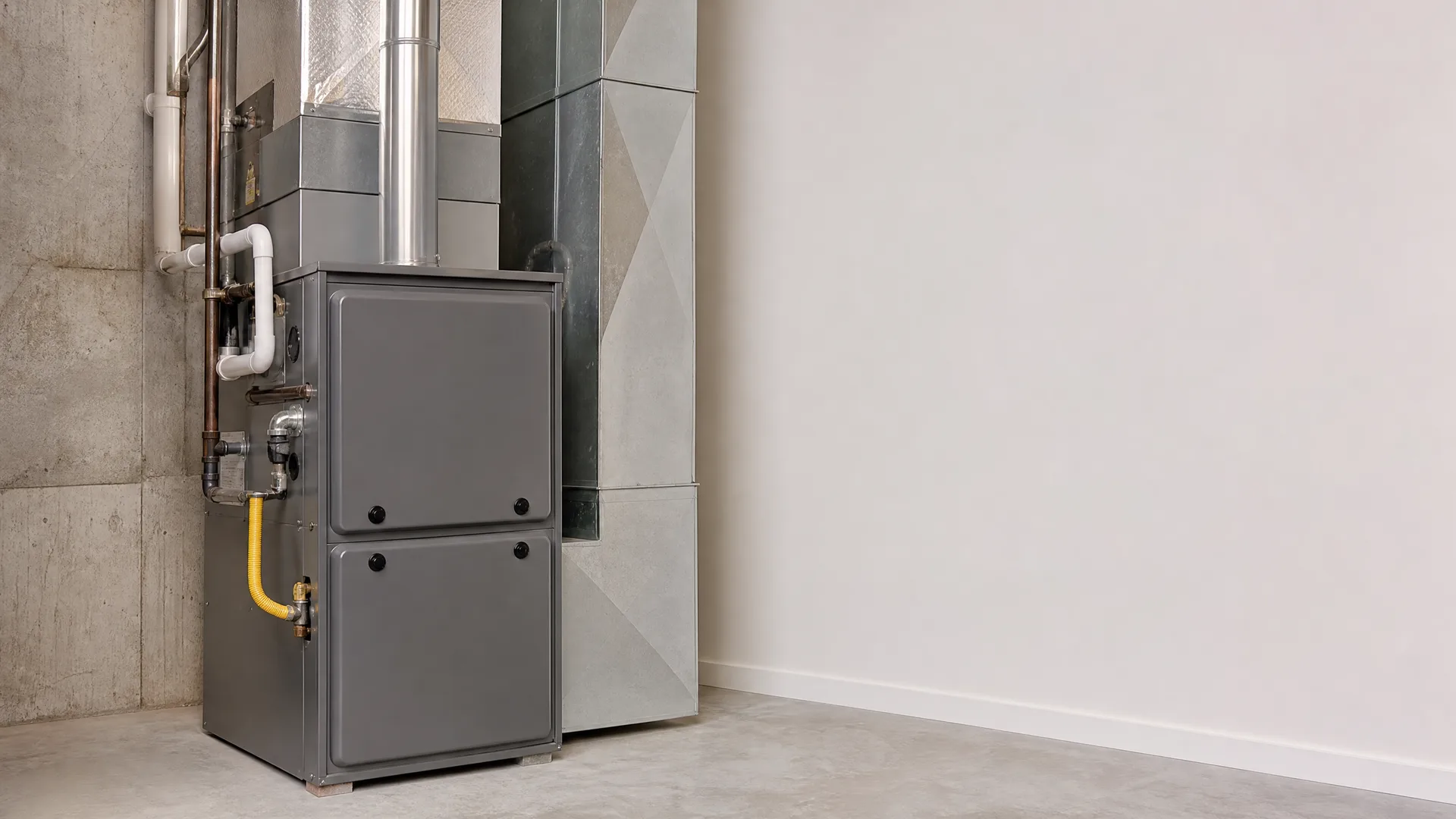
A gray gas furnace with attached sheet-metal ductwork, copper and PVC piping, and a yellow gas line stands against a concrete wall in a bare room with a light floor.

Why the noise changes with cold

Metal contracts as it gets colder, and furnace ductwork and cabinets are no exception. On a night in the teens or below, a blower wheel or burner assembly that had a little room to move at 50 degrees can suddenly be close enough to rub or rattle. That's why a furnace can run fine in November and start banging in January without anything new being wrong with it, just colder metal sitting closer together.

A gray high-efficiency furnace with attached metal ductwork and overhead PVC and copper piping stands in a basement corner with bare white walls and a concrete floor.

What a working ignition sounds like

Gas furnaces light with either a hot surface igniter or an electronic spark, and both should produce a soft whoosh as the burners catch, then settle into a low, steady hum. There's no clang, no delay, no repeated clicking before it lights. If the sound at startup has changed from that steady pattern, the ignition components or the burners themselves are behaving differently than they're built to.

A closed silver laptop and a light ceramic mug of dark coffee sit on a wooden table, with a window showing a sunset at left and a kitchen counter with a cutting board and potted plant in the background.

What that noise means for your house tonight

If your furnace is already banging or screeching, the next step matters more than the noise itself. You could start calling furnace repair companies around Blaine County, sit through hold music, explain the sound to one dispatcher after another, then do it again for a second quote before you pick someone. That takes time you don't have when the house is dropping below 60 at midnight.

Requesting service here sends your situation to one licensed local contractor instead, someone who works on furnaces through Hailey winters every year and has heard this exact noise before in houses like yours. You explain it once. No stack of competing calls to sort through, no repeating yourself to five different companies while your furnace keeps grinding away in the next room.

Interior corner with a beige sofa holding a dark green and a light cushion and a textured throw, a potted small-leaved tree beside a white-framed window, and a dark shallow bowl on a wooden coffee table in the foreground.
  1. Blower motor spins up and draws the squirrel cage fan wheel

  2. Ignition system sparks and lights the burner assembly

  3. Loose or worn parts rattle, scrape or bang as they heat up

  4. Noise grows louder each cycle until the part is replaced

Winter nights average 14°F

At 14 below zero overnight, your furnace is running close to flat out most of the night to hold your house steady. That's more hours of a worn part rubbing or banging before morning, not fewer, so a noise that started small tends to get worse faster once the cold sets in.

NOAA nClimDiv 1991-2020

A dark high-efficiency furnace on a concrete pad in a basement, connected to galvanized ductwork, white PVC vent pipes, and copper and black gas piping, with concrete walls and wood framing nearby.

Running the way it should

A furnace like this holds steady through a cold Blaine County night. The cabinet is solid, the gas lines and exhaust pipe are tight, and the blower moves air through the ductwork without a rattle. Nothing inside is loose or rubbing, so it stays quiet cycle after cycle.

A gas furnace with a louvered upper panel stands on a concrete pad in a basement, flanked by sheet-metal ductwork, white PVC and metal pipes, and insulated columns.

Already in trouble

This furnace is older and it shows. The flexible conduit and condensate line are worn, and a cabinet like this one often means parts inside have taken more wear too. A furnace in this shape is the one you'll hear banging or screeching on a night when you need it most.

Keep Running It or Shut It Down

Keep running it

  • A noise that stays the same cycle to cycle might just be a loose panel or a screw that worked free, and a contractor can check that in one visit.
  • You still get heat tonight, which matters when it's well below zero in Blaine County and you can't have the house go cold while you wait on a part.
  • Some noises, like a soft tick from ductwork expanding, aren't the furnace failing at all, just metal moving as it heats up.
  • Waiting a day or two to get someone out costs you nothing extra if the part causing the noise isn't under load damage yet.
  • You avoid paying for an emergency call if the furnace is still heating fine and the noise hasn't gotten worse or more frequent.

Shut it down now

  • A screech that's getting louder each cycle usually means a bearing or fan wheel is close to failing, and running it further can turn a repair into a full motor replacement.
  • A bang at startup tied to the burner assembly means something is already misaligned or dirty, and every ignition cycle after that is another chance for it to get worse.
  • If the noise comes with a burning smell or the furnace short cycling, that's not a wait and see situation, that's a sign a part is already overheating.
  • Cutting power to the furnace at the switch or breaker stops a failing part from doing more damage while you wait for someone to come look at it.
  • On a night in the teens or below, a furnace straining through a bad part runs for more hours at a stretch, which means more wear before morning if you let it keep going.
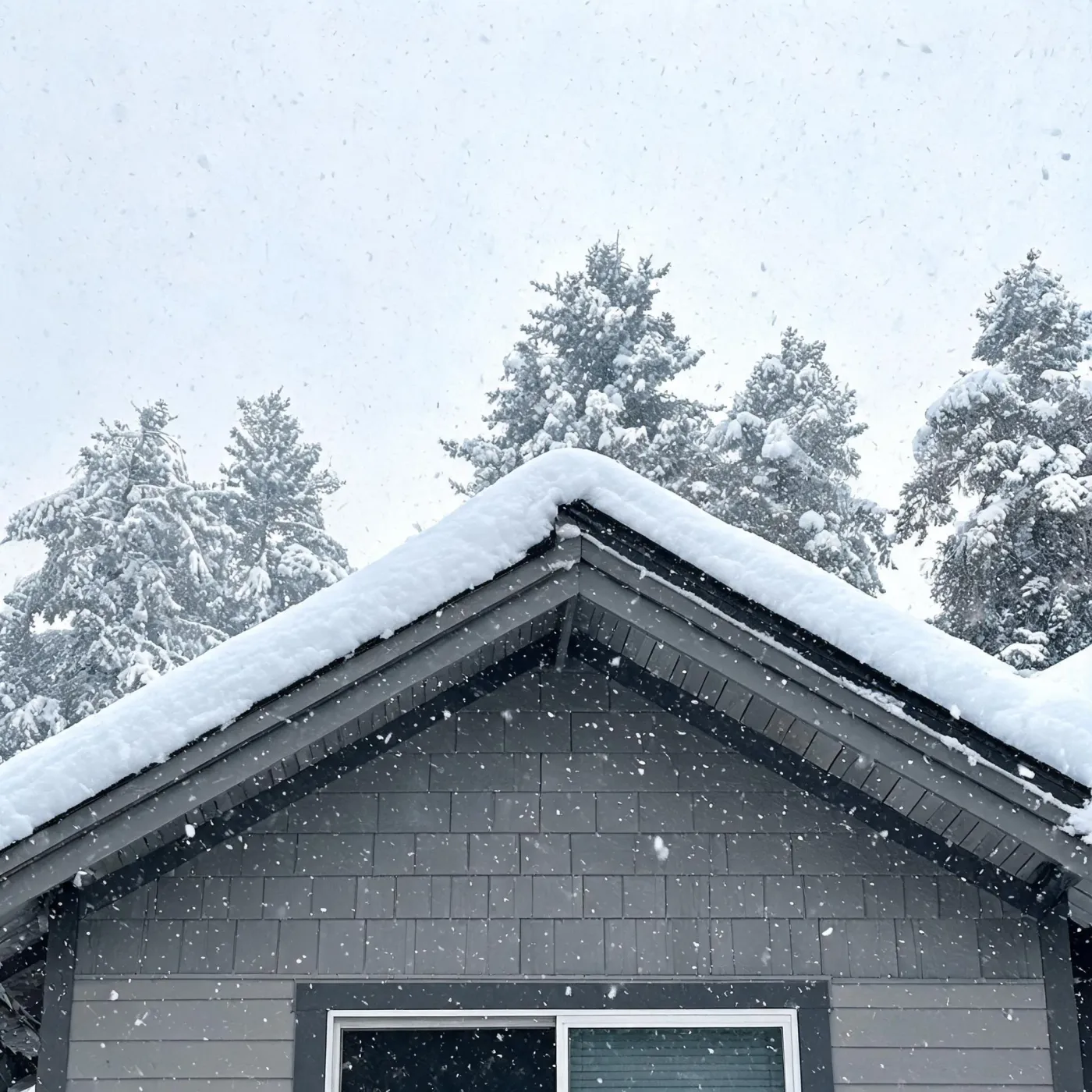
Snow-covered gable roof and shingled gray siding of a house during falling snow, with snow-laden conifer trees and pale sky behind.

Blaine County winter nights average 14°F, according to NOAA climate data. That kind of cold runs your furnace in long, steady stretches rather than short bursts, and a part that's already loose or worn gets more hours of rubbing or banging to work itself looser before the sun comes up. A noise that's mild at 9pm can be a lot louder by 4am, simply because the burners have been cycling that whole time. You'll notice it most on the coldest nights, when the house asks the most of the furnace and the furnace has the least room for a part that isn't seated right.

NOAA nClimDiv 1991-2020

A loud furnace is telling you something specific, whether that's a blower motor bearing wearing out, a burner assembly lighting dirty, or a panel that just needs a screw tightened. The noise itself already pointed you toward which one. What matters now is getting someone to look at it before a cold Blaine County night turns a rattle into a part that's seized or cracked. A contractor who works on furnaces around here all winter has heard this exact noise before and knows what it usually is in a house like yours, which means less guessing and fewer trips out to your place before the right part gets fixed. You're matched with one local, licensed contractor, not a handful of companies competing for your callback, so there's no sorting through quotes or repeating yourself on the phone to person after person. You know what the noise probably means. The next step is having someone confirm it and fix it before the next cold night asks more of that part than it has left to give.

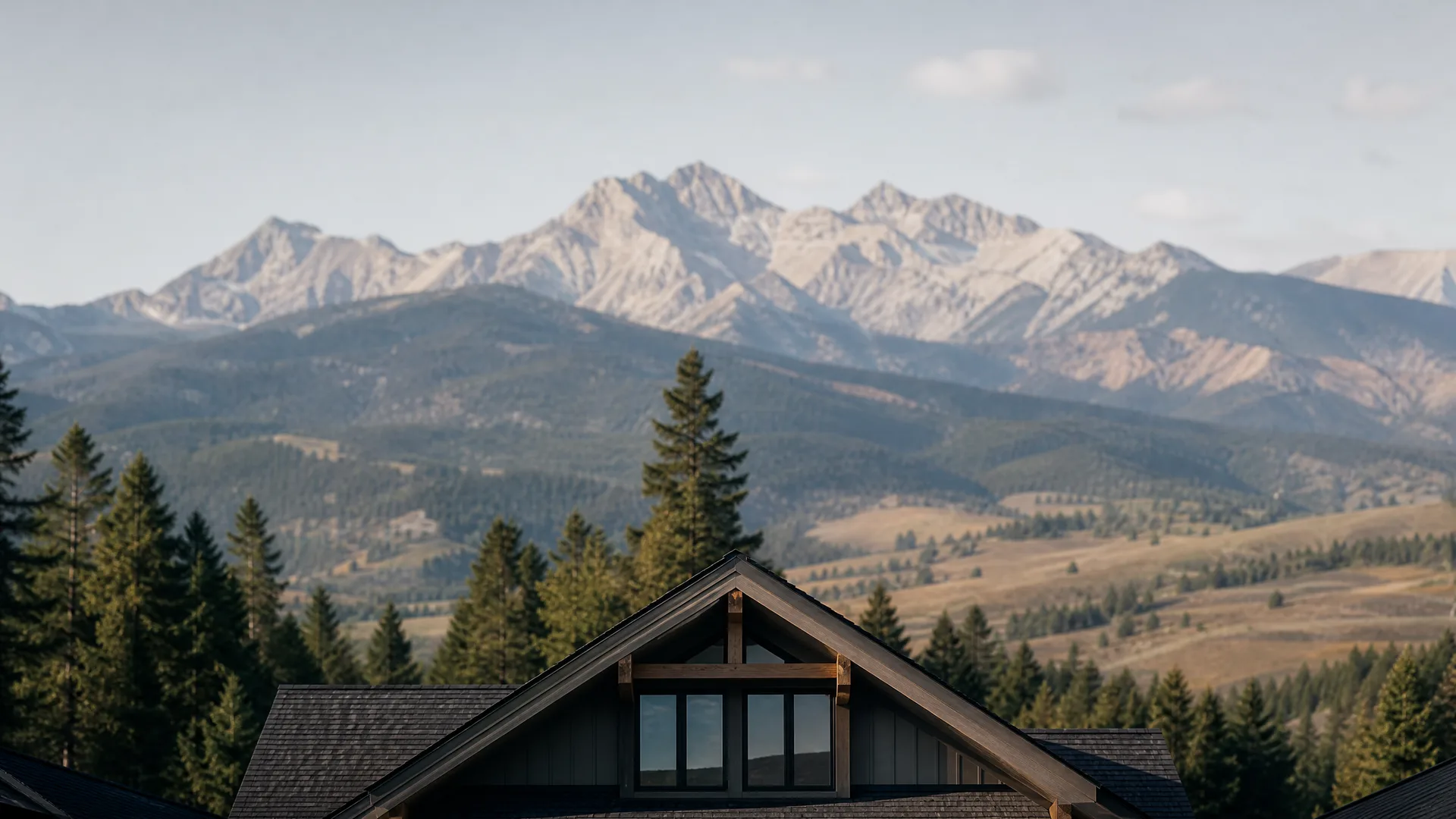
The gabled roof peak of a dark-clad house with a timber-framed window in the foreground, backed by conifer trees, rolling grassy hills, and a snow-streaked mountain range under a pale sky.

Skip the calls to every shop

Find a licensed furnace pro

You're not committing to anything by asking.

A furnace that's banging or screeching at midnight doesn't wait for business hours, and finding someone who'll actually answer, drive out, and know what the noise means before they open the panel is the hard part. One request here sends it to a licensed local contractor who works on these furnaces all winter, not a list of names to call one by one.