


Heat pump vs furnace in Lewis County, Idaho

Get a Replacement Quote

Match with a pro in Lewis County

A person in a light blue shirt reaches up to adjust a round black wall thermostat beside a light switch, with an open tool bag on the floor and a living room with sofa and fireplace in the background.

Tell us about the job

Takes about a minute. No obligation.

New system or replacementLewis County, ID
Step 1 of 3

What kind of equipment?

Which costs less to run in Lewis County?

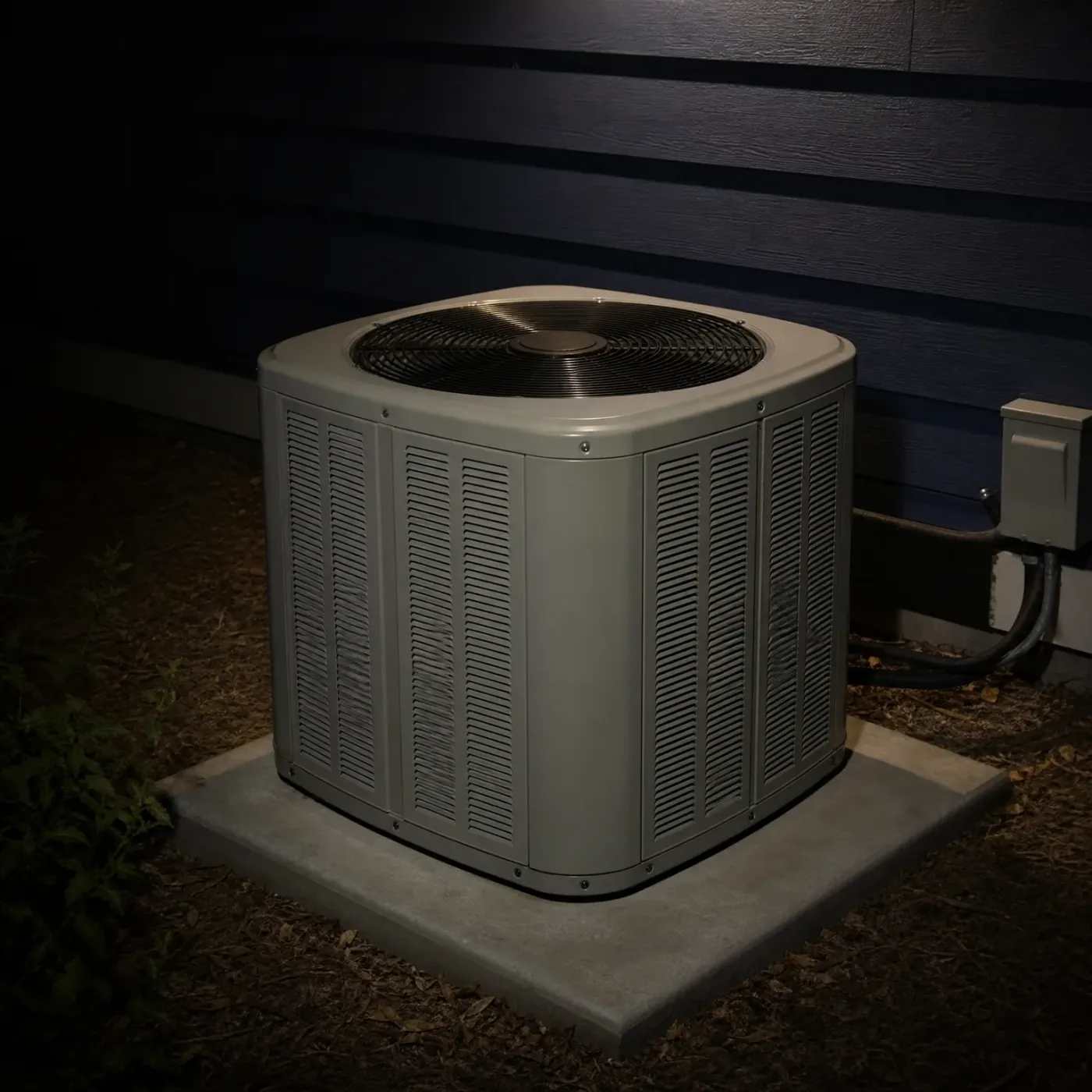
A gray outdoor condenser unit with a top fan grille sits on a concrete pad beside a dark horizontal-lap-sided wall at night, with an electrical disconnect box and conduit to the right and mulch and leafy plants around the pad.

Heat pump

To heat your home here$1.54per 100,000 Btu

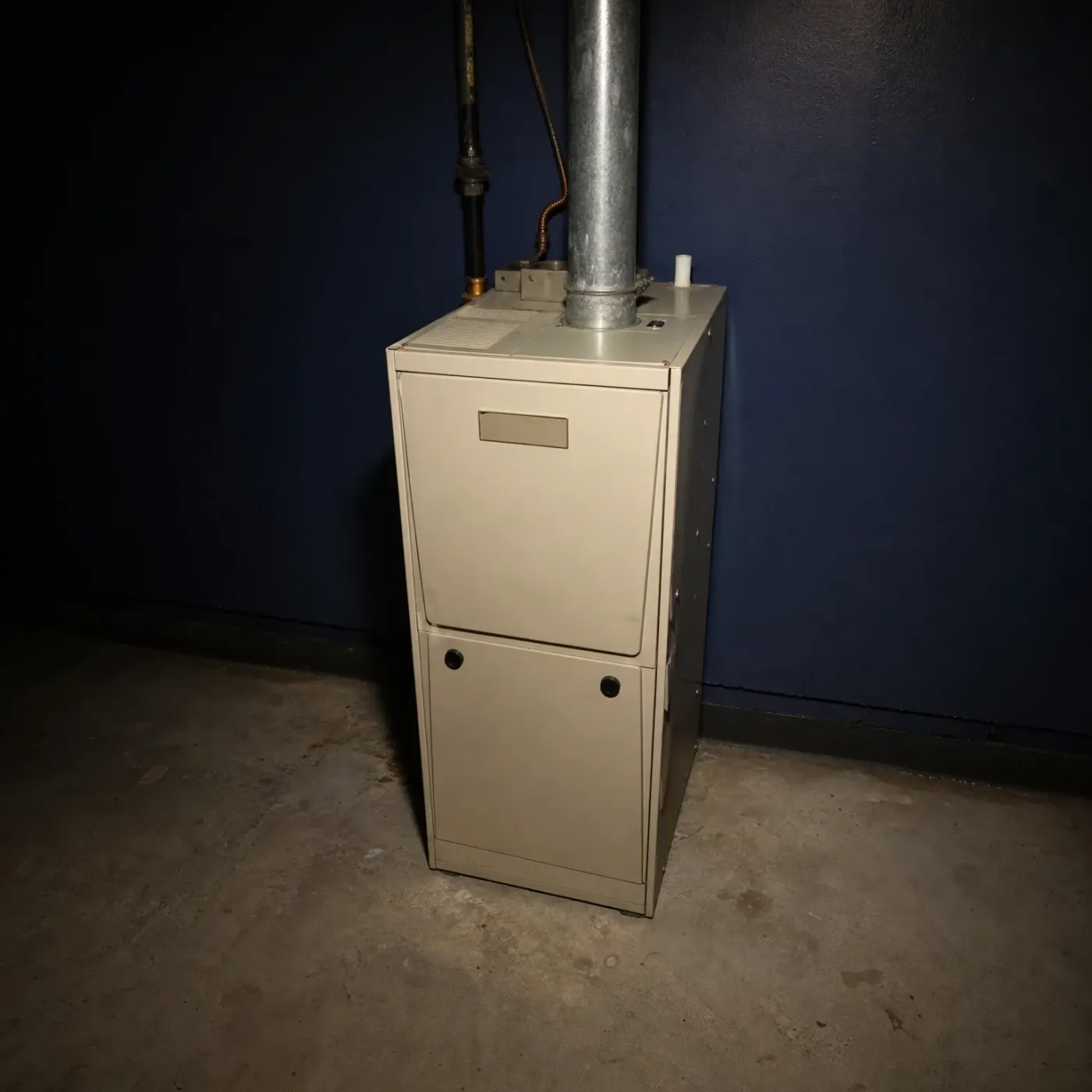
A beige gas furnace standing on a concrete floor against a dark blue wall, with a metal flue pipe and gas piping running up from its top.

Furnace

To heat your home here$1.03per 100,000 Btu

At Idaho's gas and electricity prices, a gas furnace makes the same heat as a heat pump for at least 32% less.

Btu stands for British thermal unit, the standard measure of heat energy.

Where does a heat pump shine?

  • Heats and cools in one system

    Winter and summer are covered by the same outdoor unit. That's one machine to service instead of two.

    A beige sofa with a light blue cushion and navy knitted fringed throw sits in front of a dark navy multi-pane window overlooking a garden with hydrangeas, beside a wooden coffee table holding books, a mug and a vase of hydrangeas, with a woven basket and potted plant to the right on a jute rug.
  • No gas line, nothing burning in the house

    It moves heat instead of making it from fire. That means no combustion, no flue and no gas bill for heat.

    A kitchen island with navy cabinets and a light stone countertop holding a stainless steel kettle on a black cooktop, with a white subway tile backsplash, stainless range hood, cream upper cabinets, a vase of eucalyptus, a bowl of green apples, a crock of wooden utensils, and a person seated at a table near windows in the background.
  • Steady, even comfort

    A heat pump runs long and low instead of blasting on and off. Rooms hold an even temperature all day.

    A golden retriever sleeps curled on a woven jute rug beside a light gray armchair holding a navy pillow, an open book and a blue knit throw, with a table lamp, navy knit pouf, wooden cabinet and curtained window nearby.

Where does a furnace shine?

  • Proven, simple, easy to get serviced

    The design is simple and well understood. That keeps service calls short.

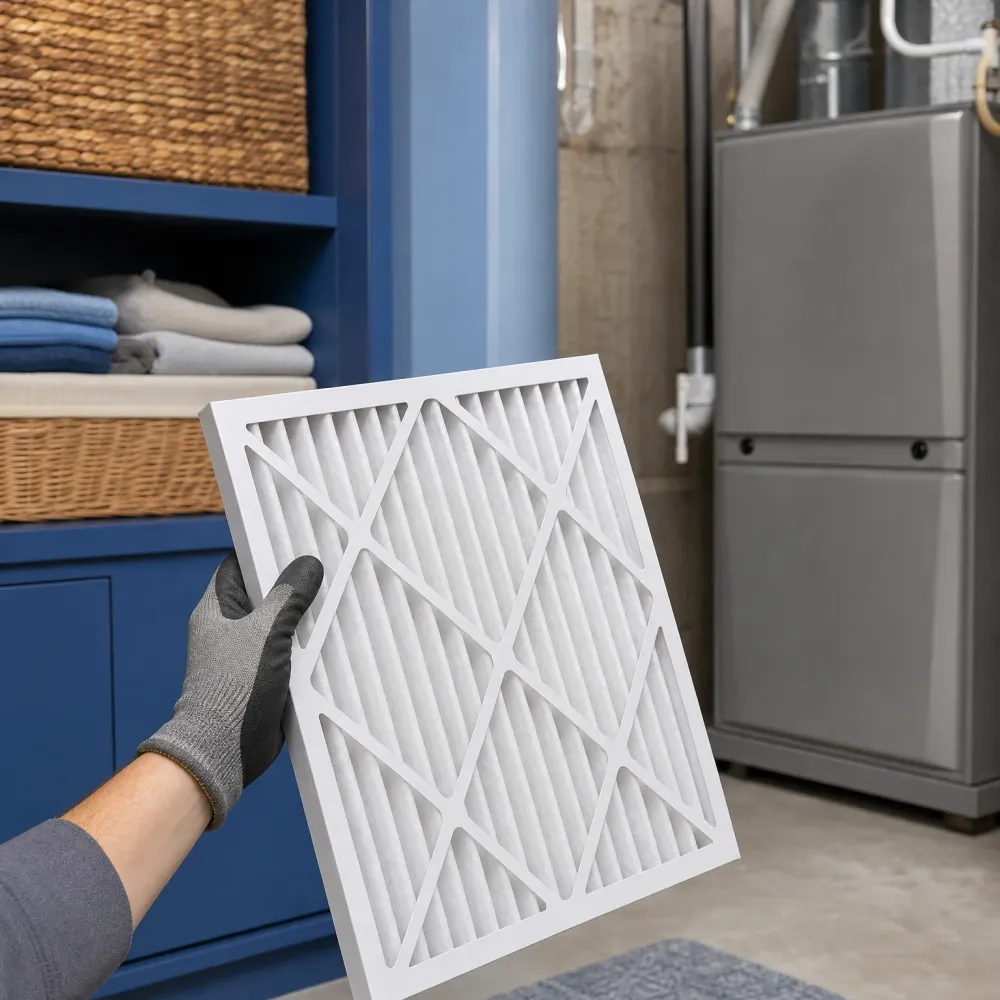
    A gloved hand holds a white pleated air filter in front of a blue storage cabinet with folded towels and a gray furnace unit.
  • Pairs with any central AC

    A furnace's blower and ducts carry cooled air too. Adding central AC uses the same system.

    A metal floor vent set in a wood floor near a baseboard and window with a sheer white curtain, with a wooden table holding books and a blue mug on the left and a blue sofa with a fringed throw on the right.
  • Fast, strong heat on demand

    Turn the heat up and the furnace answers right away. There's no long wait for the house to catch up.

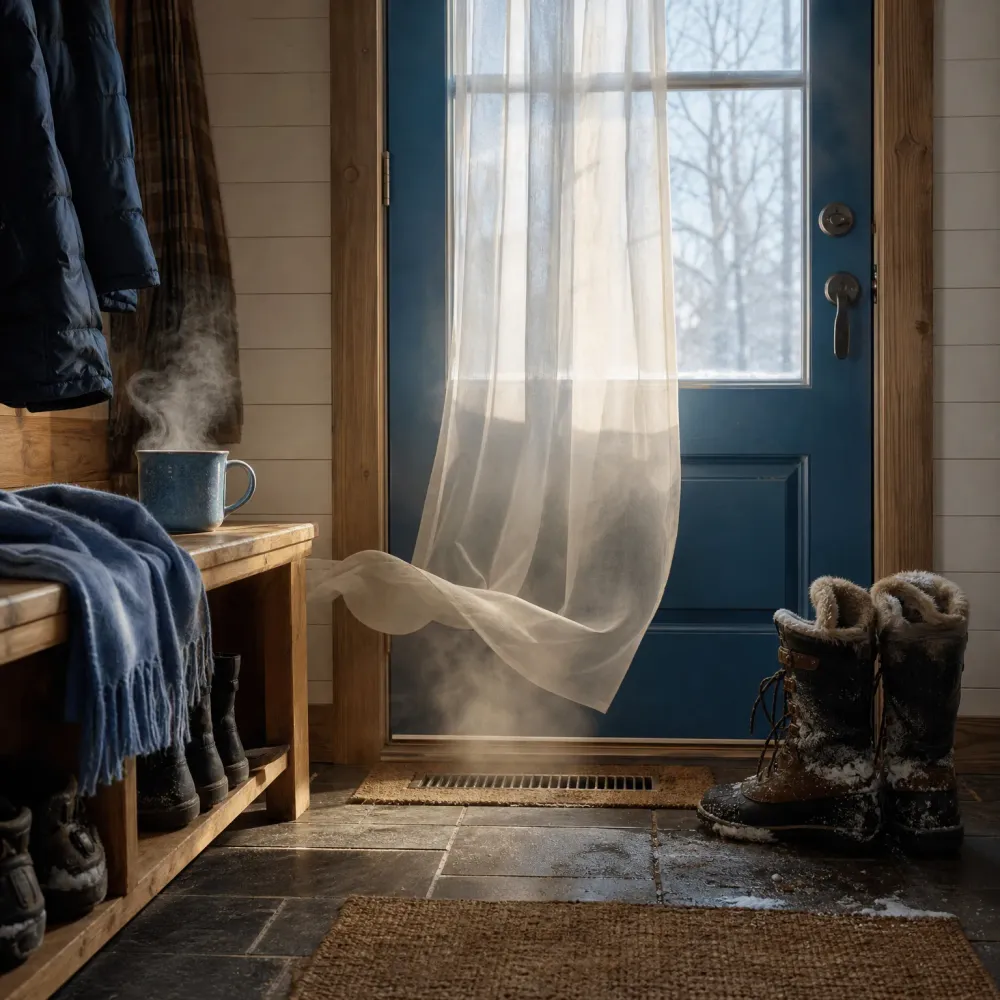
    Interior entryway with a blue door with a window, a sheer curtain blowing inward, a steaming mug on a wooden bench with boots stored beneath, snow-dusted fur-lined boots on a stone floor, and a floor vent near the threshold.

Can a heat pump keep up here

Winter here is long. The heat runs ten months a year, September through June, and the overnight low averages 23°F across December, January and February. About 155 nights a year drop to freezing or below, roughly half the nights the heat is running at all. A standard heat pump starts losing ground before it gets near that cold. Below 40°F outside, it already puts out less than its rated heating capacity. Below about 35°F, it often needs backup heat to make up the difference. At 23°F, the average winter night here, you're past both marks, and every one of the 155 freezing nights is past both marks too.

That doesn't mean a heat pump leaves you cold. It means backup heat is doing real work on a lot of nights here, not just on the rare cold snap. Nights at 0°F or below are few, about 3 a year, a small slice of the freezing nights, not the main event. The main event is ordinary nights in the 20s and teens, month after month. A standard heat pump leans on its backup heat for that stretch. A cold climate heat pump is built differently. To carry the ENERGY STAR Cold Climate mark, a unit has to still produce 1.75 units of heat per unit of electricity at 5°F and hold onto 70 percent of its 47°F capacity at that temperature, checked by independent testing. In field testing of prototype cold climate units in occupied homes over two winters, backup heat covered only a small share of the output between 0°F and 35°F, and the units rarely ran on backup alone even above 0°F. That's the difference between a standard heat pump and one built for a winter like this one.
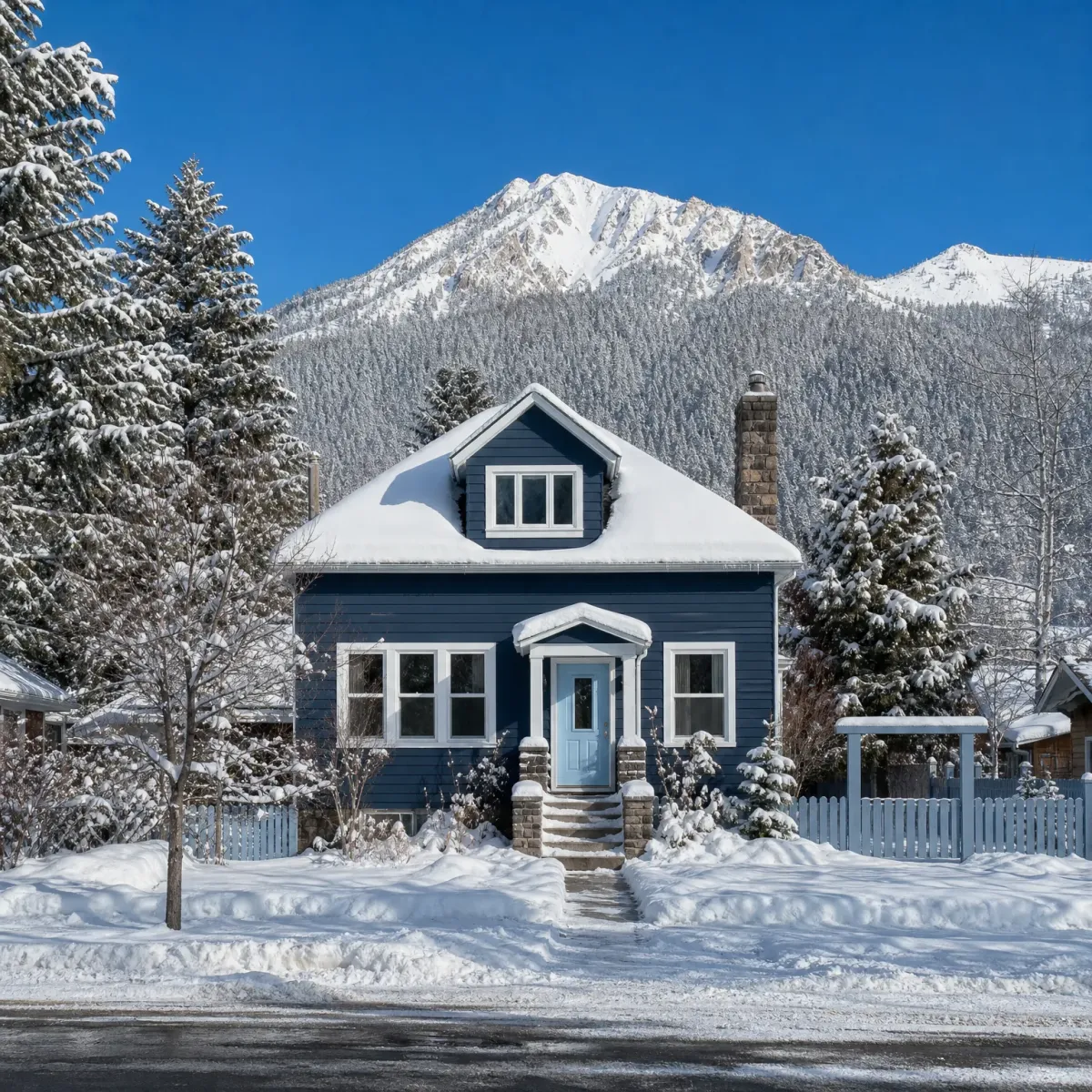
A two-story dark blue wood-sided house with white trim, a light blue front door, stone steps and a brick chimney, surrounded by deep snow, a white picket fence and snow-covered conifers, with a snowy forested mountain behind under a clear blue sky.

What it costs to run

At Idaho's prices, a gas furnace is the cheapest of the three to run: $1.03 per 100,000 Btu, against $1.54 for a heat pump and $2.81 for an oil furnace. That's each machine at its federal minimum efficiency, and the heat pump's figure has nothing added for the backup heat it needs on the cold nights just described, so its real cost here likely runs higher than $1.54. Set against oil, the heat pump is the cheaper machine to run, $1.54 against $2.81. Set against gas, gas wins, $1.03 against $1.54.

Close to half the homes in the county heat with electricity, 47.9 percent, and about one in five heat with oil, 19.1 percent. If your house is already set up for one of these, replacing the whole system is a bigger decision than the running-cost numbers alone. If the gas line is already there, a furnace is both the cheaper machine to run and the one that doesn't need a second heat source on a cold night. A heat pump still has things to offer. It's the only one of the two that cools, though there's essentially no cooling season here to call for it. It needs no gas line and burns nothing in the house. Where winters were milder, those points would often settle the choice. Here, with ten months of heat and 155 freezing nights a year, running cost and cold weather performance favor a gas furnace, with a cold climate heat pump worth a second look if electric heat is what you want.

Sources: NOAA nClimDiv · NOAA 1991–2020 seasonal normals · PNNL Building America guide · PNNL-37127 field study · ENERGY STAR product criteria · EIA SEDS 2024 · 10 CFR 430.32 · Census ACS 2020–2024

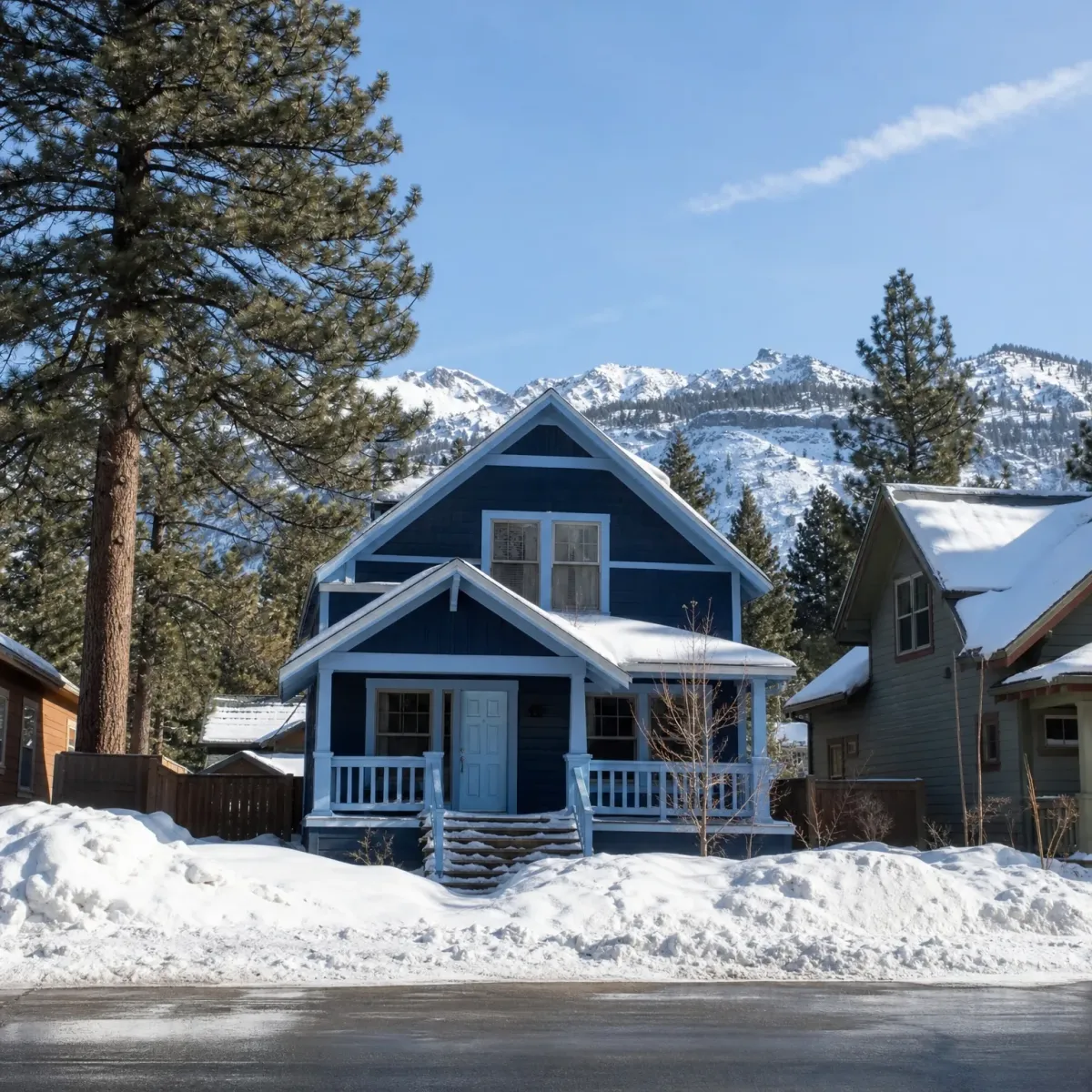
A two-story blue house with a covered front porch and white railings sits behind deep snowbanks, with tall pine trees, neighboring houses, and a snow-covered mountain ridge under a clear sky.

Common questions about heat pumps and furnaces

  • Can a heat pump heat a house through an Idaho winter?

    It can, but check what kind before you count on it for a Lewis County winter. Your overnight low averages 23°F here across December through February, and a standard heat pump starts losing heating capacity below 40°F and often needs backup heat below about 35°F. A unit built and tested for cold climates is different: to carry that label it has to prove it still makes real heat at 5°F, not just on paper. Ask which one you're being quoted.

  • Do I need backup heat with a heat pump here?

    With a standard heat pump, plan on it. Your overnight low here averages 23°F in winter, and every night at or below freezing, about 155 of them a year, falls below the 35°F mark where a standard heat pump often leans on backup heat. A cold-climate heat pump changes this some: field tests of those units found backup heat carried only a small share of the load even down to 0°F, and running on backup alone was rare above that. Which one you have decides how much this matters.

  • What if my house heats with oil or propane?

    If you're heating with oil now, a heat pump costs less to run than what you have. Oil makes 100,000 Btu of heat here for $2.81, against $1.54 for a heat pump, so the heat pump is the cheaper of the two. About one in five homes in Lewis County heat with oil, well above the share statewide, so this is a real comparison for a lot of houses here, not a side case.

  • Is a heat pump cheaper to run than a furnace in Lewis County?

    No, not at Idaho's current prices. A furnace here makes 100,000 Btu of heat for $1.03, a heat pump makes the same heat for $1.54, so the furnace costs less to run. That gap is gas against electricity at Idaho's rates, not a difference in how well either machine works.