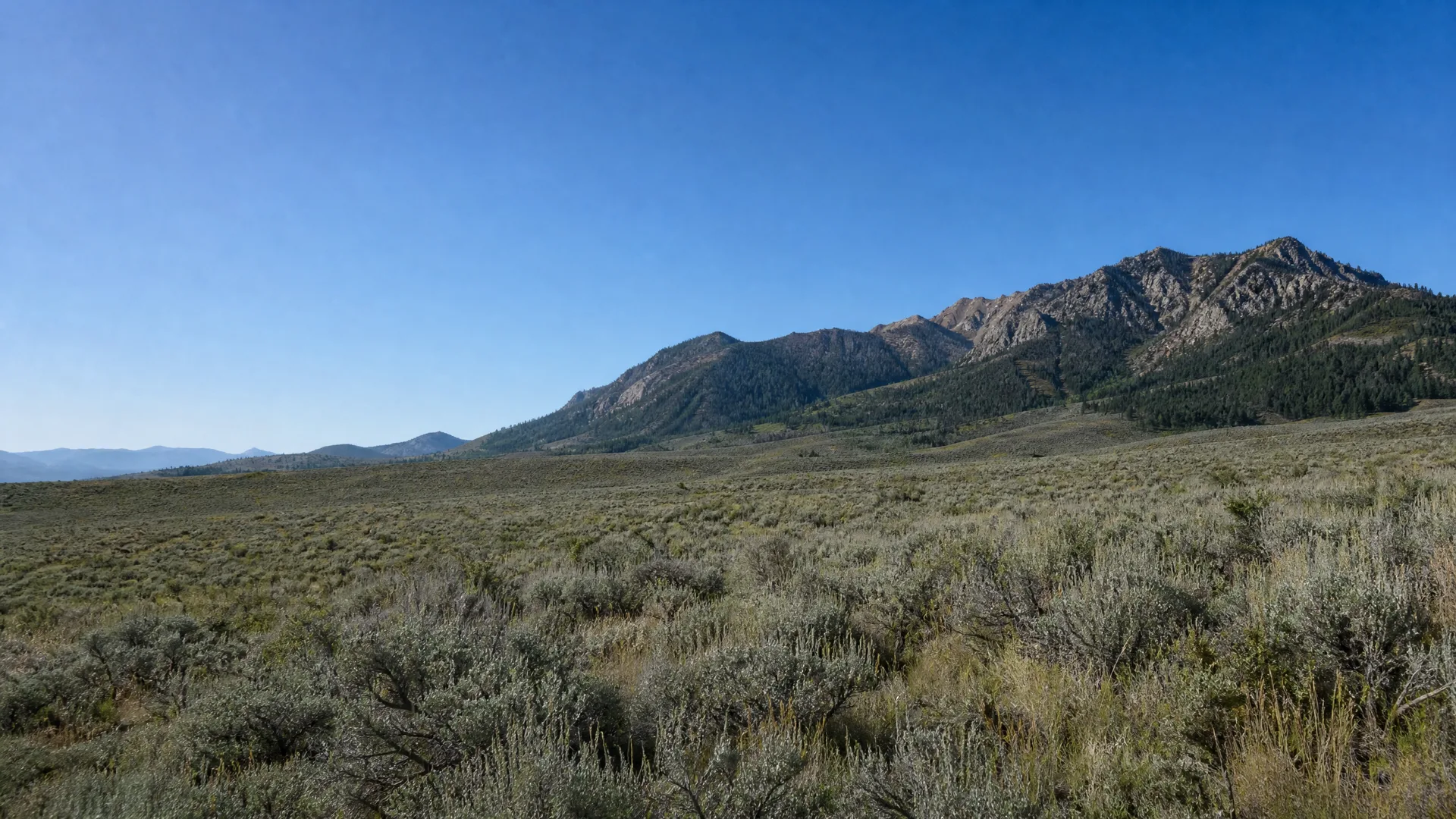


Running fine
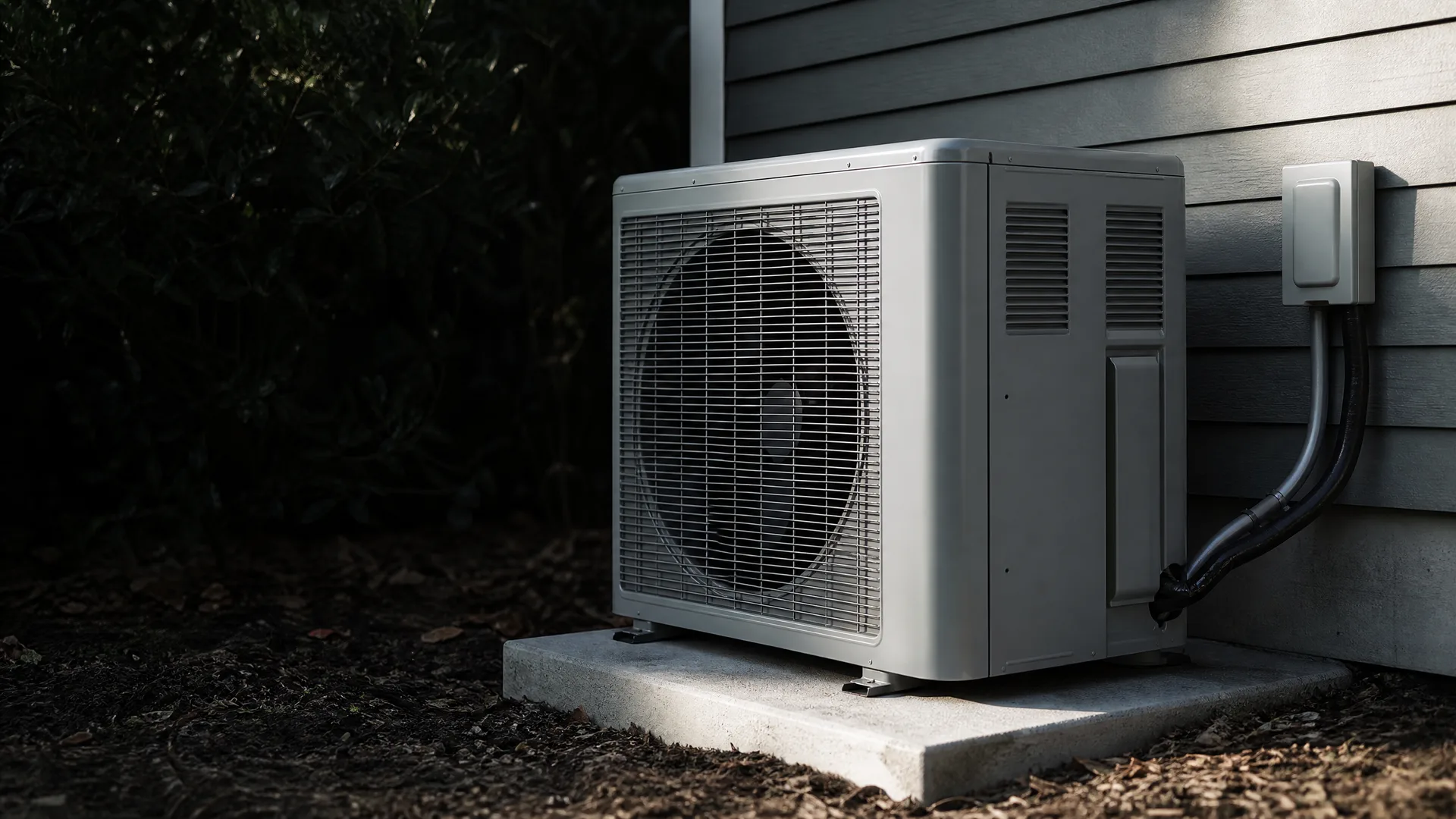
This is a heat pump keeping up: the outdoor unit cycles on, the coil pulls in what heat the air still has, and warm air comes out of the vents inside. On a mild afternoon it does this without help from any backup heat.
Winter in Pocatello is not gentle, and a heat pump here has to work in that cold. Whether yours can carry the house through January on its own, or needs a furnace to back it up, depends on the unit you have and how your home is set up. Most houses in Bannock County heat with gas, and that changes what the right answer looks like for a system like yours. Sorting that out usually means calling a few contractors, explaining your setup more than once, and weighing quotes that are hard to compare because nobody looked at the same things. You can skip that part. Tell this page about your home and your heat pump, and it will match you with a contractor who installs and sets up heating systems in this area and knows what Pocatello winters ask of them. That contractor will reach out to you directly, so you are not the one doing the chasing.
A heat pump alone usually isn't enough to get a Pocatello home through the coldest stretch of winter. Heat pumps pull warmth from outside air, and as the outdoor temperature drops, there's less heat for them to move. Once it falls into the teens and below, which happens regularly here, most heat pumps lose enough capacity that they can't keep up with the house on their own. That's why most homes in Bannock County pair a heat pump with a gas furnace, letting the furnace take over once the air outside gets too cold for the heat pump to handle efficiently. Whether your system needs that backup, and whether it already has one, depends on the specific equipment installed and how it was set up. A heat pump running without backup on a hard freeze night will run longer, work harder, and still may not hold the house at temperature.

A heat pump moves heat from outside air into your house. That works fine when it's 40 degrees out. As the air gets colder there's less heat in it to pull, and the unit has to run longer to move the same amount indoors. Below a certain point, the compressor is working hard for less and less return. That's the point where most homes in Bannock County need something else carrying the load.

Most homes in Bannock County heat with gas, and a lot of them pair that furnace with a heat pump instead of running the heat pump alone. The furnace takes over once outdoor temperatures drop past what the heat pump can handle efficiently, and the heat pump goes back to work once the weather warms. Whether your setup already does this depends on how the system was installed and what controls it, which is worth checking with whoever maintains it.
You hear it running almost constantly once the cold settles in, but the air coming out of the vents feels lukewarm instead of warm. The thermostat says it's working toward the set point and never quite gets there, so the house sits a few degrees cooler than you'd like all day. Some rooms feel colder than others. If the unit has a backup element, you may notice the power draw climb on the coldest nights as it kicks in to make up the difference. Left alone, a heat pump straining in weather it can't keep up with will run long hours without heating the house evenly, and the parts doing that extra work wear faster than they would in milder months.
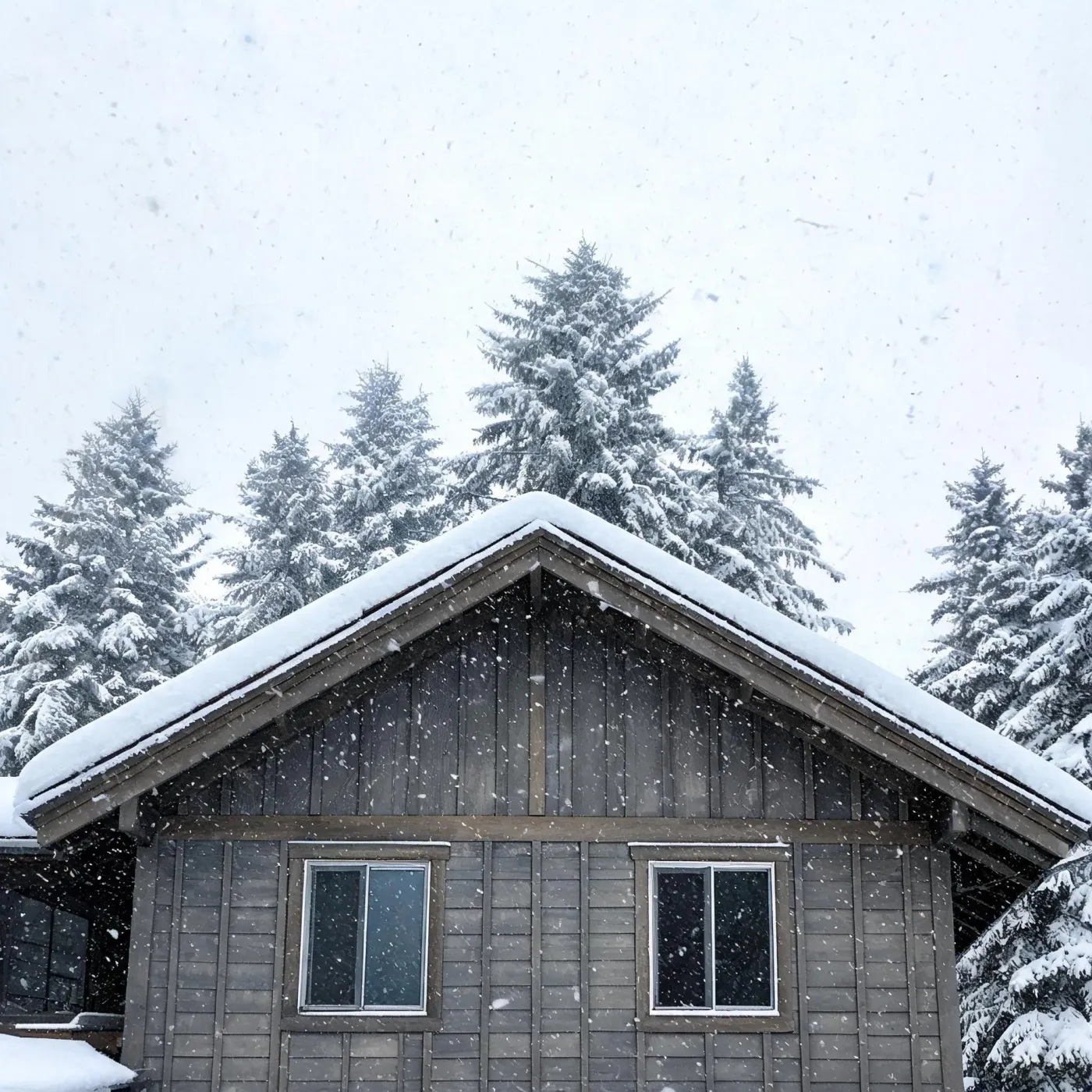
Through December, January and February, the overnight low in Bannock County averages 18°F, according to NOAA climate data. At that temperature a heat pump is pulling heat out of air that barely has any to give, and most units lean hard on their backup heat strip just to keep the house livable overnight. That backup heat draws a lot more power than the heat pump itself, even with cheap electricity here. If your system has one, a gas furnace carries that load instead and does it for less. Whether your setup is built to switch over on nights this cold is worth having checked, since not every heat pump and furnace pairing is sized to handle it the same way. A contractor who knows Pocatello winters can look at what you have and tell you where it stands.
NOAA nClimDiv 1991-2020
Skip collecting and comparing quotes for the new heat pump.
You're not committing to anything by asking.
A heat pump is really an air conditioner running backward, and the part that makes that possible is the reversing valve. It switches the direction refrigerant flows through the coils, so the same unit that cools your house in July can pull heat out of cold outdoor air in January. That works down to a point. Below about 35 degrees the outdoor coil has less and less heat to give up, and the compressor has to run longer and harder to deliver the same warmth indoors. Cold air also carries moisture, and that moisture frosts up the outdoor coil as temperatures drop. When the frost builds up enough, the unit runs a defrost cycle: it briefly reverses again, sending cool air through your vents for a few minutes while it melts the frost off the coil outside. This is normal, not a malfunction, though it can feel wrong if you're standing near a vent when it happens. Past a certain outdoor temperature, the compressor alone can't keep up with the heat the house is losing, and backup heat takes over, either electric resistance elements built into the air handler or a gas furnace if the home has a dual-fuel setup. That handoff point, called the balance point, comes from how the unit was sized against the house, not from anything you set on the thermostat. The one thermostat setting that does override everything is emergency heat, which shuts the compressor off entirely and runs backup heat alone, normally reserved for when the heat pump itself needs service.
Winter nights average 18°F
Winter nights here average 18°F, and that's exactly the range where a heat pump struggles to pull enough heat from the air.
Heat runs September through June
Heat runs September through June in Bannock County. That's ten months a year your system is leaning on its heat pump or its backup.
Cooling runs July through August
Cooling only runs July and August. The other ten months, the question is whether your unit can keep up on its own or needs help.
NOAA nClimDiv 1991-2020
This is a heat pump keeping up: the outdoor unit cycles on, the coil pulls in what heat the air still has, and warm air comes out of the vents inside. On a mild afternoon it does this without help from any backup heat.

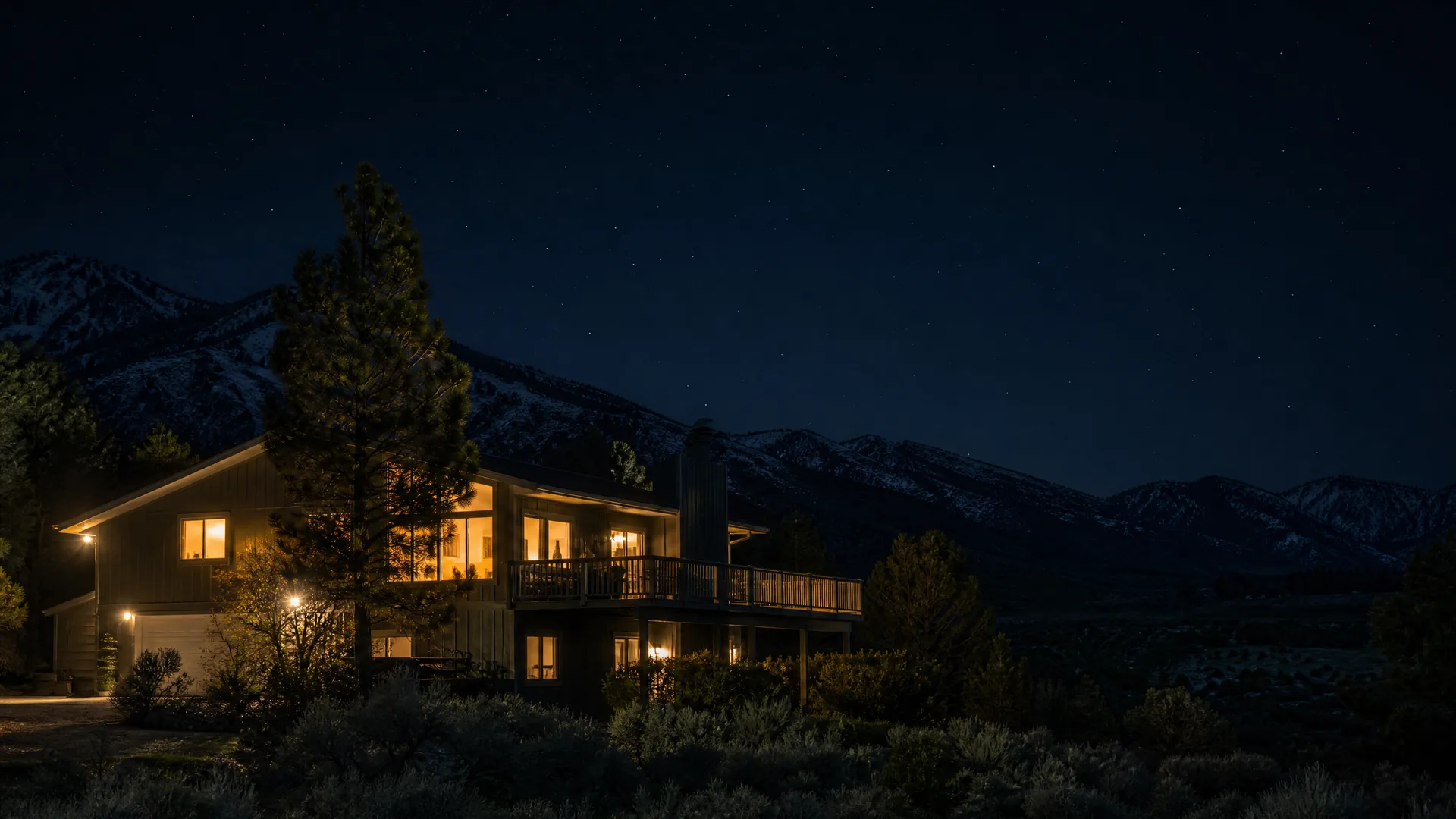
Same unit, same pad, but the air it's pulling from has little heat left to give. It runs longer and longer to hold the thermostat's set point, and once the outdoor temperature drops far enough it can't keep up without backup heat kicking in.
You've noticed the system switch to a different sound when it's really cold out, like something heavier has kicked on, and the vents start putting out air that's noticeably hotter than before. You're not sure if that's the heat pump working harder or something else taking over entirely, and whether it's supposed to happen that often through a Pocatello winter.
Most heat pumps have electric resistance coils built into the air handler, and those are what turn on when the outdoor coil can't keep up. The system doesn't push the heat pump harder. It switches on a second heat source and runs both, or sometimes just the coils alone, until the house catches up to the thermostat setting. That's why the air coming out of the vents suddenly feels much hotter than it did a minute before. In a lot of Bannock County homes, a gas furnace fills that same role instead of electric coils, kicking on once the heat pump alone can't hold the temperature through an 18 degree night.






Outdoor coil pulls heat from the air outside
Refrigerant carries that heat inside to the indoor coil
Compressor runs longer as outdoor air gets colder
Thermostat calls for backup heat when the heat pump can't keep up
A heat pump can carry your Bannock County home through the mild stretches of fall and spring on its own. Once the nights settle into the teens, it needs backup heat to finish the job, whether that's a furnace or electric strips. That's not a flaw in your system. It's how the equipment is built to work here.
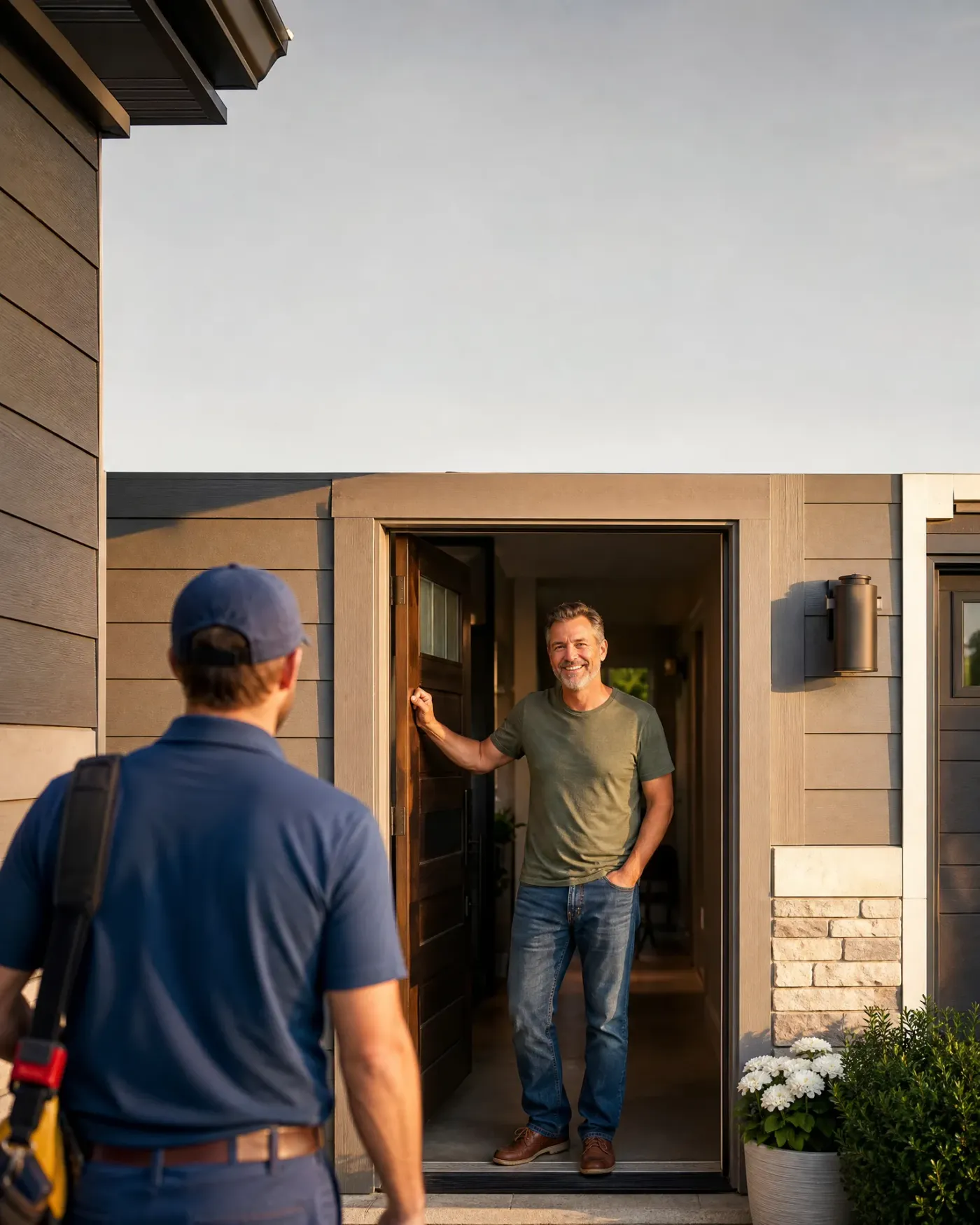
What matters now is whether your setup is handling that handoff the way it should, and that's specific to your house, your unit, and how the two are paired. A contractor who knows Pocatello winters can look at what you have, tell you where it stands, and let you stop guessing about it. You won't need to track one down yourself or explain your system twice to different people. The next step is getting matched with one who already knows what your winter asks of a heat pump, and having them reach out to you directly.

The right pro for this job