How long a heat pump lasts in Burley, ID
Find a pro near meA heat pump in Burley works harder than it would in a lot of places. It's pulling double duty, cooling the house through the hot, dry stretch of summer and then switching over to heat it through a hard Cassia County winter. How many years you get out of yours depends on the unit, the install, and how it's been run and maintained since. There's no single answer that fits every house here. If yours is getting old, struggling to keep up, or you're just trying to plan ahead before it fails on you, the best move is getting a straight answer from someone who can look at your actual system. Fill out the form and you'll be matched with a contractor who works in the Burley area and knows what this climate does to this equipment. They'll reach out to you directly. No more guessing about whether to repair it again or start looking at replacement, and no more spending time tracking down someone who can tell you.
A heat pump in Burley typically lasts 12 to 15 years. That range comes from how the unit is used here, not just how it's built. Unlike a furnace that only runs part of the year, a heat pump works through every season, cooling the house all summer and then switching over to carry the heat through winter. That's double the run time a lot of systems elsewhere see, and the compressor and outdoor coil wear accordingly. Hot, dry summers push the system hard on the cooling side, and a Cassia County winter asks just as much of it running in reverse. Whether you land closer to 12 years or closer to 15 usually comes down to upkeep, how well the outdoor unit was sized for the house, and whether small problems got caught early. If your heat pump is already in that range, or showing signs of strain well before it, it's worth having someone look at whether repair still makes sense or replacement is the better move.
Year-round use adds up
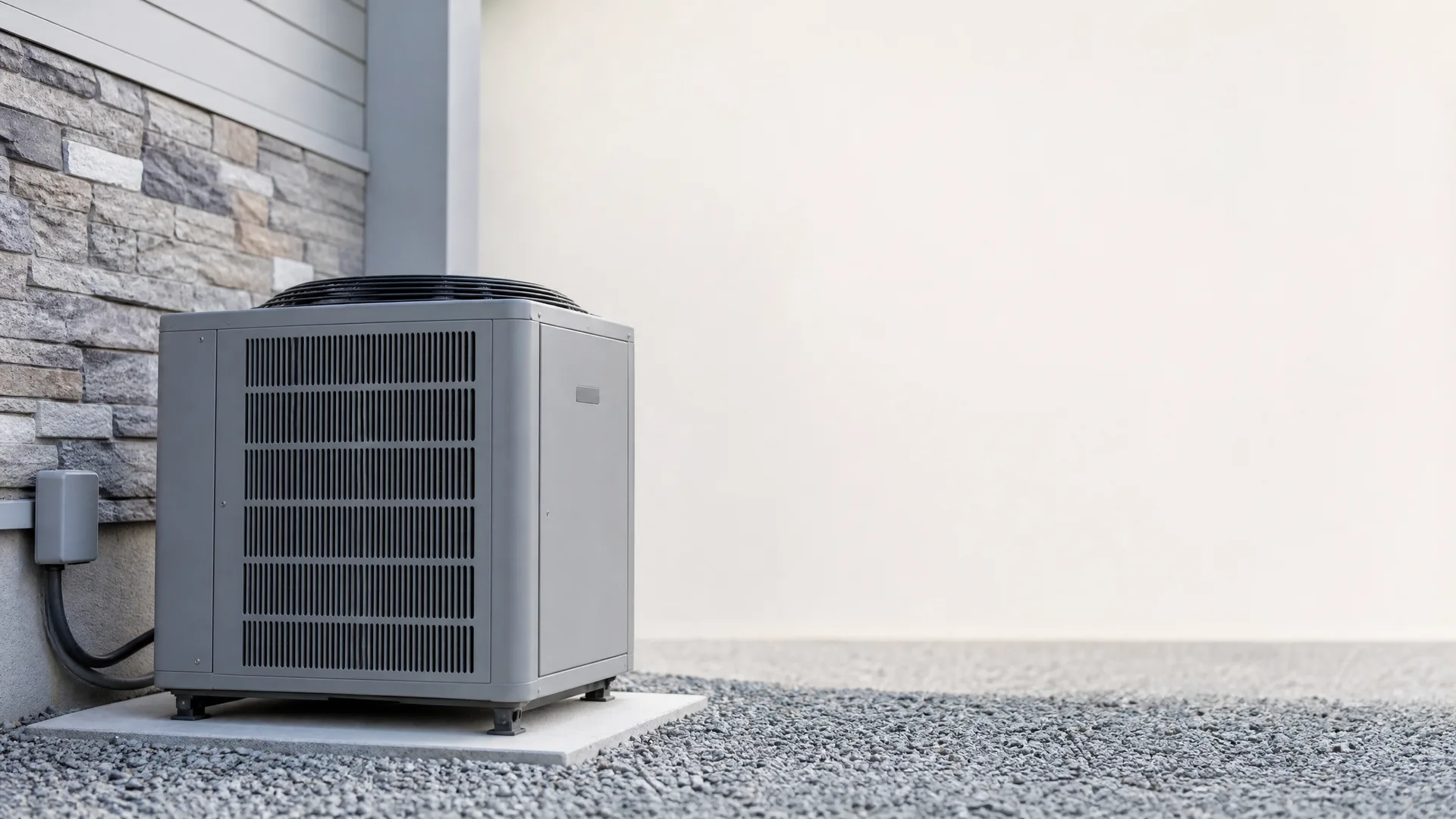
A furnace in a home that burns gas for heat only runs part of the year. A heat pump here doesn't get that break. It's cooling the house from the dry heat of summer and then carrying the full load of a Cassia County winter once the weather turns. That's close to twice the run hours of a system that only handles one season, and run hours are what wear down a compressor over time.
What shortens the 12 years
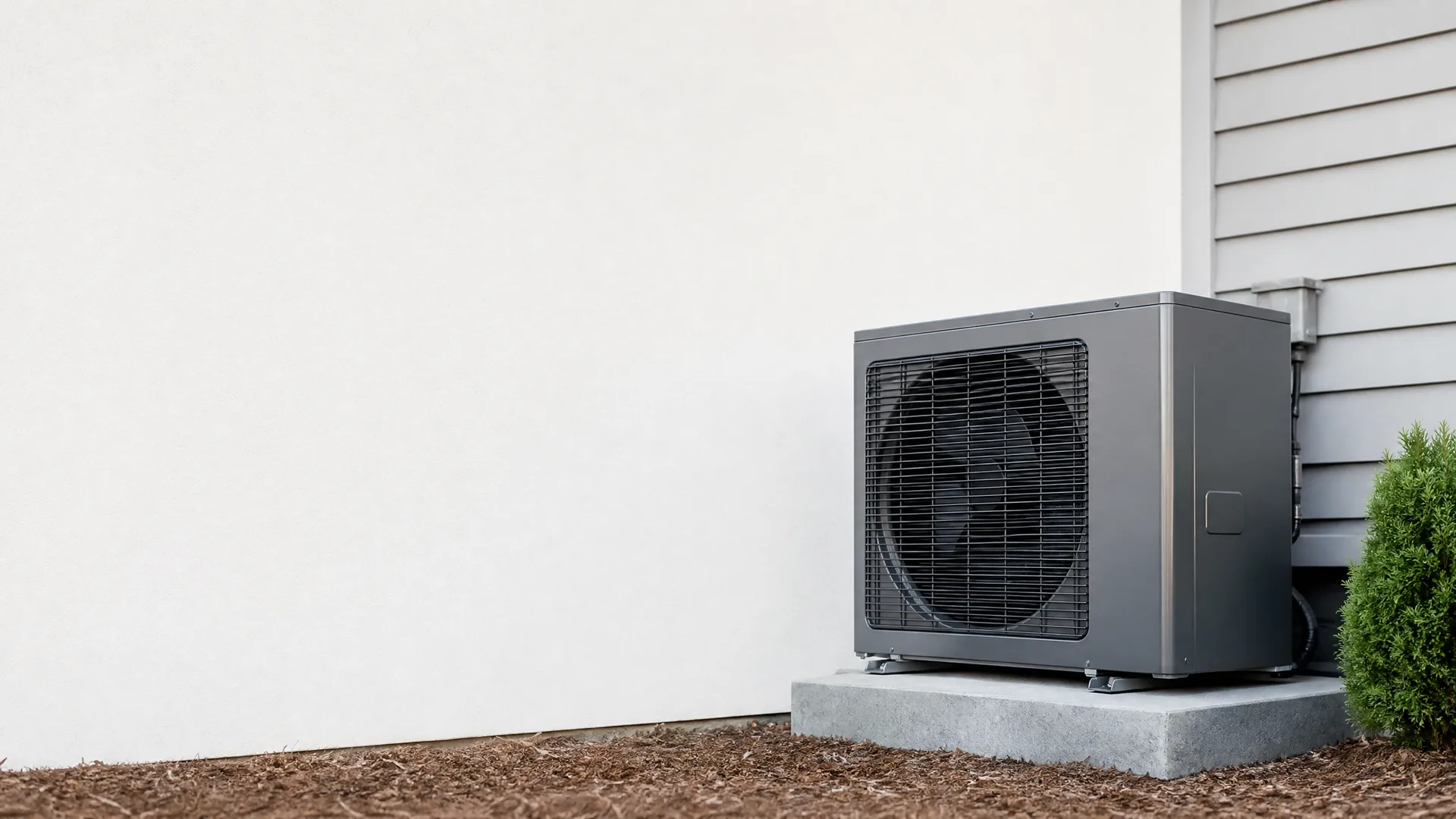
A heat pump that hits 12 years instead of 15 usually got there from strain, not age alone. Short cycling from a bad thermostat setting, a clogged filter choking airflow, or ice building up on the outdoor coil in winter all make the compressor work harder than it should. None of that is unusual for this area. It's why keeping the filter clean and the coil clear matters more here than in a milder climate.
Is your heat pump showing its age?
After a decade or more of carrying both your summer cooling and your winter heat, a heat pump in Burley starts to show it. You might notice it running longer to hit the temperature you set, or kicking on and off more than it used to. The air coming out of the vents feels cooler than it should on a cold morning, so the house takes longer to warm up. Some homeowners hear a clicking or humming that wasn't there before, or notice the outdoor unit icing over even when it isn't that cold out. A system working harder than it should will cost more to run, and if it's nearing the end of its life, waiting too long to replace it risks a breakdown in the middle of a hard winter stretch.
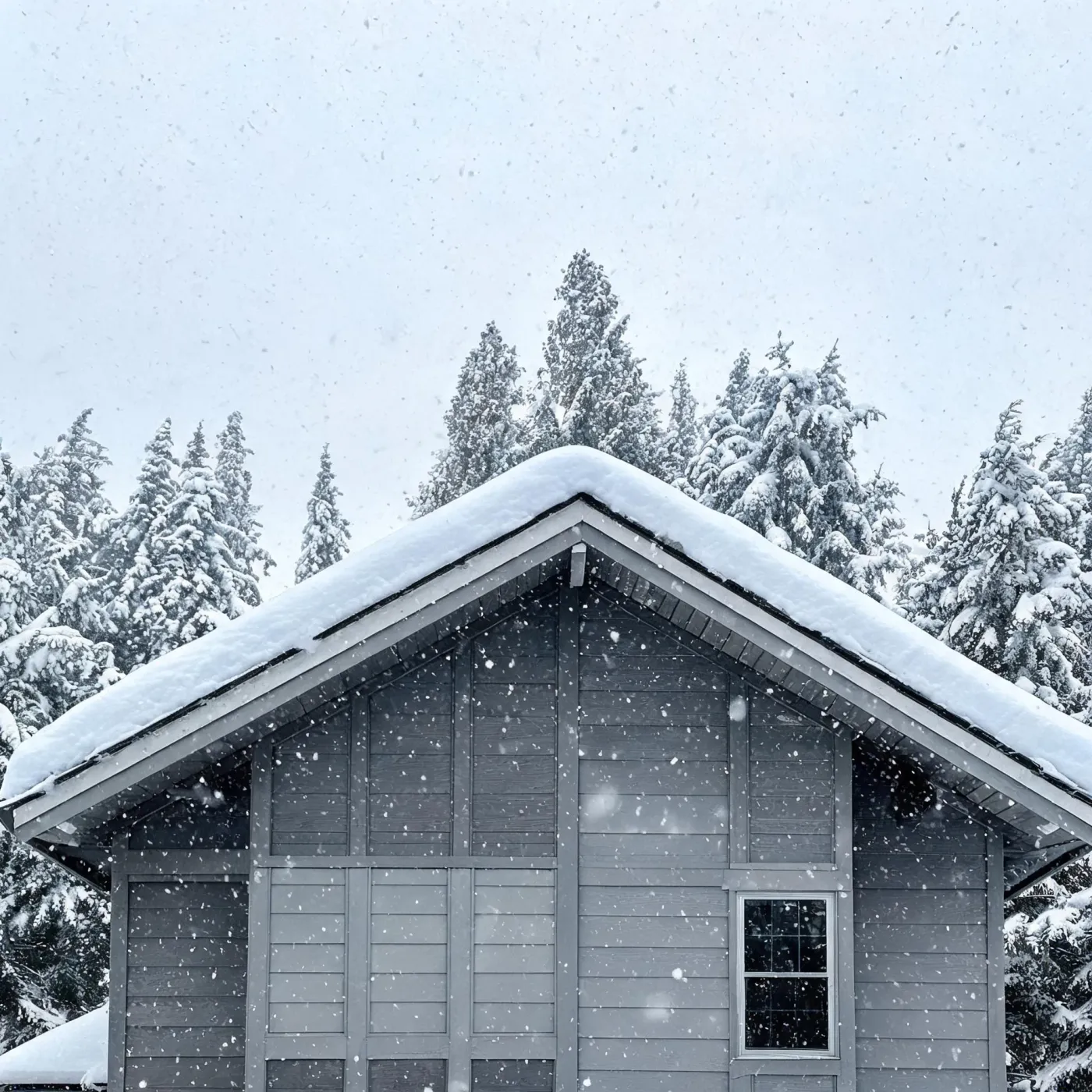
Winter nights in Cassia County average 20°F, National Weather Service. A heat pump has to pull heat out of air that cold, and the colder the air, the harder it works to do it. Below freezing, most systems lean on backup heat strips to keep up, and those draw a lot more power than the compressor alone. That's the stretch of the year that puts the most wear on the unit, night after night, for three straight months. A heat pump nearing the end of its life often shows it here first, running long stretches after sundown and still losing ground on the thermostat.
NOAA nClimDiv 1991-2020
Matched to your heat pump job

Send the form and the search for an installer is over.
You're not committing to anything by asking.
How the system earns its wear
- The reversing valve is what lets a heat pump switch between cooling and heating, and it only sits idle a few weeks a year here.
- Defrost cycles kick in automatically in winter, briefly running the system backward to melt ice off the outdoor coil.
- Every defrost cycle and every switch of the reversing valve is a load a furnace never has to carry.
- The outdoor unit's compressor runs longer hours per year in a heat pump home than in a home with a separate AC and furnace.
- Backup heat strips engage when the outdoor coil can't pull enough heat from the cold air, and they put extra hours on the system's electrical components.
- A heat pump's indoor and outdoor coils both see use in every season, so dirt and ice buildup on either one can cut into the system's years of service.
A heat pump does a job no furnace does. It has a reversing valve that flips the system between cooling your house in July and heating it in January, and in Cassia County that valve almost never gets a rest. Every time the outdoor coil picks up ice in cold weather, the system runs a defrost cycle, reversing itself briefly to melt that ice off before it goes back to heating. That happens automatically, and it happens often once temperatures drop. None of this is extra wear a furnace deals with, because a furnace just burns gas and never reverses itself or defrosts a coil.
The compressor in the outdoor unit feels this too. In a home with a separate AC and furnace, the compressor only runs in summer. In a heat pump home, it's working year-round, so the hours stack up faster. When outdoor temperatures drop low enough that the coil can't pull much heat from the air, backup heat strips kick in to make up the difference, and those strips put real hours on the system's electrical parts.
Both coils, indoor and outdoor, are in use in every season rather than just one, so dirt on the indoor coil or ice on the outdoor one has more chances to build up and cut into how long the system holds up.




A heat pump that gets replaced on schedule, every 12 to 15 years, rarely leaves you without heat on a January night. The trouble comes when someone pushes a unit a year or two past where it belongs.
A heat pump that runs until it fails doesn't fail gently. It tends to go out on the coldest night of the year, the one night in Cassia County it was working hardest to keep up.



12 to 15 years, lived hard
A heat pump in Burley earns its 12 to 15 years. It runs the cooling all summer and carries the heat all winter, with no real break between, and that's what sets the number for this area. Once a unit gets past 12 years, checking in on it each season tells you more than its age does. A system that's still cycling cleanly and holding its temperature may have a couple of good years left. One that's running long or leaning hard on backup heat on the cold nights is closer to the end than the middle.
If yours is getting toward that range, or already past it, you don't have to figure out the next step alone. A contractor who knows what Cassia County winters do to this equipment can look at yours and tell you where it stands, and that's one less thing to carry into the next cold snap.


Heat Pump Installation
A heat pump pro near you

- Get matched with a pro who works on heat pumps in Cassia County.
- Your request goes to a Cassia County pro who takes heat pump jobs.

- One request ends the search for a heat pump installer.
- Once you send the form, finding a pro is off your list.

- Skip collecting and comparing quotes for the new heat pump.
- Skip the round of in-home estimates for a new heat pump.

- A licensed installer who works in Cassia County gets your project.
- One installer gets your project, so there's no bidding war over it.