Furnace pilot light keeps going out in Idaho
Why does my furnace pilot light keep going out?
You've relit the pilot light more than once and it keeps dying on you. Before you let it go another week, you want to know whether this is something minor or a sign the furnace needs a closer look. With winter nights getting cold, a furnace that won't hold a pilot is worth sorting out now rather than waiting until you're relighting it in the dark at 10pm.
Usually a dirty or failing thermocouple
The thermocouple sits in the pilot flame and tells the gas valve the flame is lit. Soot or a weak signal from that part makes the valve shut the gas off, and the pilot goes out. A draft near the furnace can also blow the flame out directly, which is different from a thermocouple problem but looks the same from where you're standing. If it happens once, it might be a draft. If it keeps happening after you relight it, the thermocouple is the more likely cause and it's not something to keep relighting your way around.

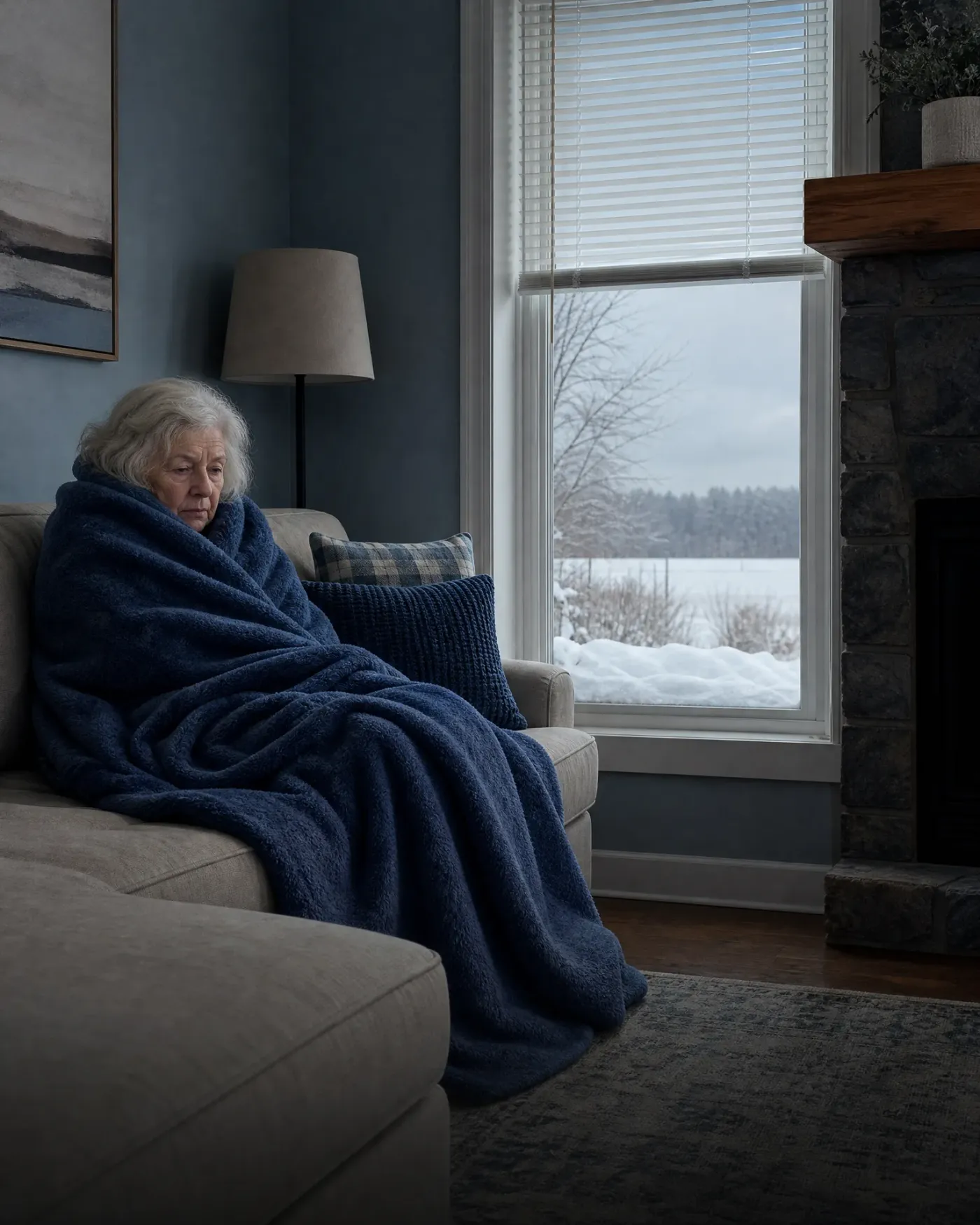
You're down in the basement after dinner, and the air coming up through the vents has gone cold. It's dark outside already, November evening, and the furnace sits there dead quiet when it should be running. You crouch down by the access panel and a thin haze of dust catches the light from your phone, stirred up from behind the burner compartment. You pull the panel and find the pilot out again, third time this month. The thermocouple's cool to the touch. Upstairs the house is holding at maybe 65 and dropping, and you're doing the math on how many more nights you can keep relighting this thing yourself before it just stops staying lit at all.
What's going on when the pilot won't stay lit
You relight it, it holds for a few minutes or a few hours, then it's out again. You might notice the flame itself looks wrong before it quits, thin and blue instead of steady, or leaning away from where it should sit. There may be a faint gas smell right at the valve for a second when you strike the match. Some homes get a sooty mark above the pilot assembly, a sign it's not burning clean. None of this is something to leave alone. A pilot that won't hold is usually telling you a part has failed, and a furnace that keeps shutting itself off is one that isn't heating your house reliably once the cold really sets in.
Gas flows to the pilot and the igniter lights it
The thermocouple sits in the flame and heats up
Heat makes the thermocouple send a signal to the gas valve
The valve stays open as long as that signal holds




A local pro for your furnace repair

Answer a few questions instead of calling shop after shop.
Sending the form costs nothing.
Why pilots actually quit
- A pilot that's drifted off center can miss the thermocouple even while it still lights the burners fine.
- Thermocouples wear out from thousands of heat cycles and stop holding the gas valve open after a year or two of service.
- A draft from a cracked flue or a loose access panel can snuff a weak flame that would otherwise hold.
- Soot or dust on the pilot orifice chokes the gas supply down until the flame is too small to heat the thermocouple properly.
- Some older furnaces use a flame sensor instead of a thermocouple, and that part fails the same way but needs a different fix.
- A gas valve that's starting to fail can make the pilot look fine right up until it cuts out again.
Most of the time this comes down to position or wear, not a dramatic failure. The pilot has to sit right at the tip of the thermocouple, close enough that the flame wraps around it. If the bracket holding the pilot assembly has shifted even a little, the flame can still look fine to your eye while missing the thermocouple almost entirely. That alone will make it drop out on a schedule that seems random.
Wear is the other half of it. A thermocouple heats up and cools down every single time the furnace cycles, all winter long. After a year or two of that, the metal inside weakens and it stops generating enough signal to hold the gas valve open, even with a strong, well-aimed flame. At that point relighting it buys you a few hours or a few days, not a fix.
Airflow plays a part too. A flue that isn't drafting right, or an access panel that isn't seated and seals the compartment, can let in just enough draft to blow out a flame that's already running weak. And on furnaces old enough to use a flame sensor instead of a thermocouple, the symptom looks identical from where you're standing, but the part and the fix are different. Dust or soot on the pilot orifice narrows the gas opening until the flame can't get big enough to do its job, which looks a lot like a part failing even when nothing's actually broken yet.


Relight It or Call for Service
Relight It Yourself
- If this is the first time it's happened, relighting it and watching the flame for a few minutes tells you a lot before you spend money on a repair call.
- A pilot that holds steady and stays blue after you relight it may have just been snuffed by a draft from a door or a window left open nearby.
- Cleaning dust off the pilot assembly yourself with a soft brush sometimes clears up a dirty orifice without any parts needing replaced.
- This only makes sense if it's a new problem and you're comfortable following your furnace's manual for relighting the pilot safely.
- If it goes out again within a day or two, you've learned it's not a one-time draft, and that's worth knowing before winter settles in.
Get It Looked At
- A thermocouple that's worn out won't fix itself, and relighting the pilot over and over just delays a repair that's going to be needed anyway.
- A technician can test whether the thermocouple is holding the gas valve open long enough, something you can't check by eye at the access panel.
- If the flame looks thin or leans away from the thermocouple, that's a sign the pilot assembly itself needs adjusting or replacing, not just relighting.
- Finding a contractor who can get to your furnace soon means you're not stuck calling around and explaining the same problem to several companies.
- Once you're matched with someone who services furnaces like yours, they can look at the pilot, the thermocouple and the gas valve together.
- Idaho winters run long, and a furnace that's quit twice already is one you want checked before it quits for good on a cold night.


51.6% of homes statewide heat with gas
Just over half the homes in Idaho heat with gas, same as yours. That means the furnace carrying you through the cold months runs on a pilot and thermocouple setup like the one giving you trouble, and parts for it are ones a contractor sees often, not a rare system.
ACS 2020-2024 5-year B25040
A pilot that won't hold almost always comes down to the thermocouple, the pilot position, or a draft pulling the flame off course, and none of those get better on their own while the nights stay cold. You could spend an evening calling around, telling each one the same thing about the flame going thin and blue before it dies, then wait for quotes to come back and try to sort out which one actually knows what they're doing. Or you can skip that part. Getting matched with a contractor means someone who works on Idaho furnaces already has your situation and reaches out to you directly, no retelling the story from scratch three or four times. You still have a furnace that needs a look. What's gone is the work of finding who should look at it.





Get the right pro for your furnace
Describe your furnace job once, to one pro.
You're not committing to anything by asking.