




Furnace keeps shutting off in Mountain Home, ID

Get my match

A furnace that shuts off partway through a cycle in a Mountain Home winter isn't something to leave alone. Cold settles in fast once the system quits, and a lot of homeowners end up calling one company, getting put on a list, then calling two more just to find someone who can actually look at it soon. You already have enough to deal with without doing that legwork. Instead of searching through listings and explaining the same problem over and over on the phone, you can get matched here with a contractor who takes on furnace repairs in Elmore County. They'll reach out to you directly about your furnace and what it's doing. No need to sort through quotes or figure out who's worth calling back. Fill in what's happening with your system and let the matching do the work of finding someone suited to it.

Why does my furnace keep shutting off before the house warms up?

Your furnace starts up, runs for a while, then quits before the house is actually warm. Maybe it kicks back on a few minutes later, maybe it takes longer. Either way, the house never gets to where you set the thermostat, and in an Elmore County winter that's not something you can just live with for long.

A safety switch is cutting power to the burner before the cycle finishes

Furnaces are built to shut themselves off the moment something reads wrong, rather than keep running and risk damage. The most common cause is restricted airflow, usually a dirty filter, which makes the furnace run hotter than it should until a limit switch trips and kills the burner. A flame sensor that isn't reading the flame properly does the same thing from a different angle. A failing igniter or a draft problem in the vent can also cause the burner to light, run briefly, then drop out. None of these fix themselves by waiting. Every time the furnace shuts off early, it's drawing out the time it takes to get your house back to a comfortable temperature, and running a system that keeps tripping its own safety switch isn't something to leave going through a cold stretch.

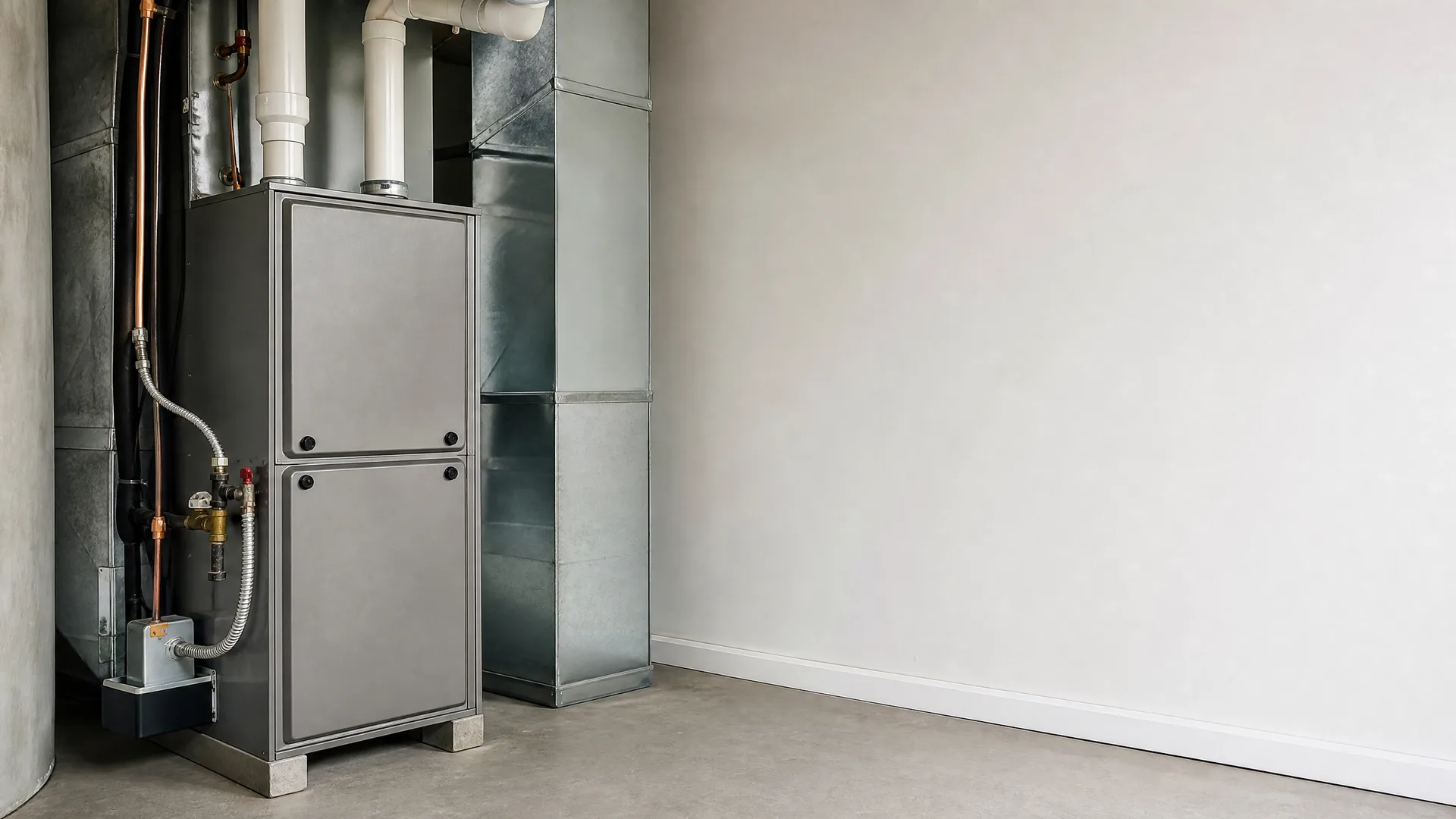
A gray high-efficiency furnace with white PVC vent pipes, copper and flexible piping, and galvanized sheet-metal ductwork stands against a wall in a room with a bare concrete floor and plain light-colored wall.

Short cycling wears parts out faster

Every time a furnace fires up, the igniter and the blower motor take the hardest hit of the whole cycle. A furnace that's supposed to run fifteen or twenty minutes but keeps quitting after three or four is starting up five times as often. That's five times the strain on the igniter, five times the draw on the blower. A furnace built to last through Elmore County winters for years can wear through an igniter in one season if it's restarting all day long.

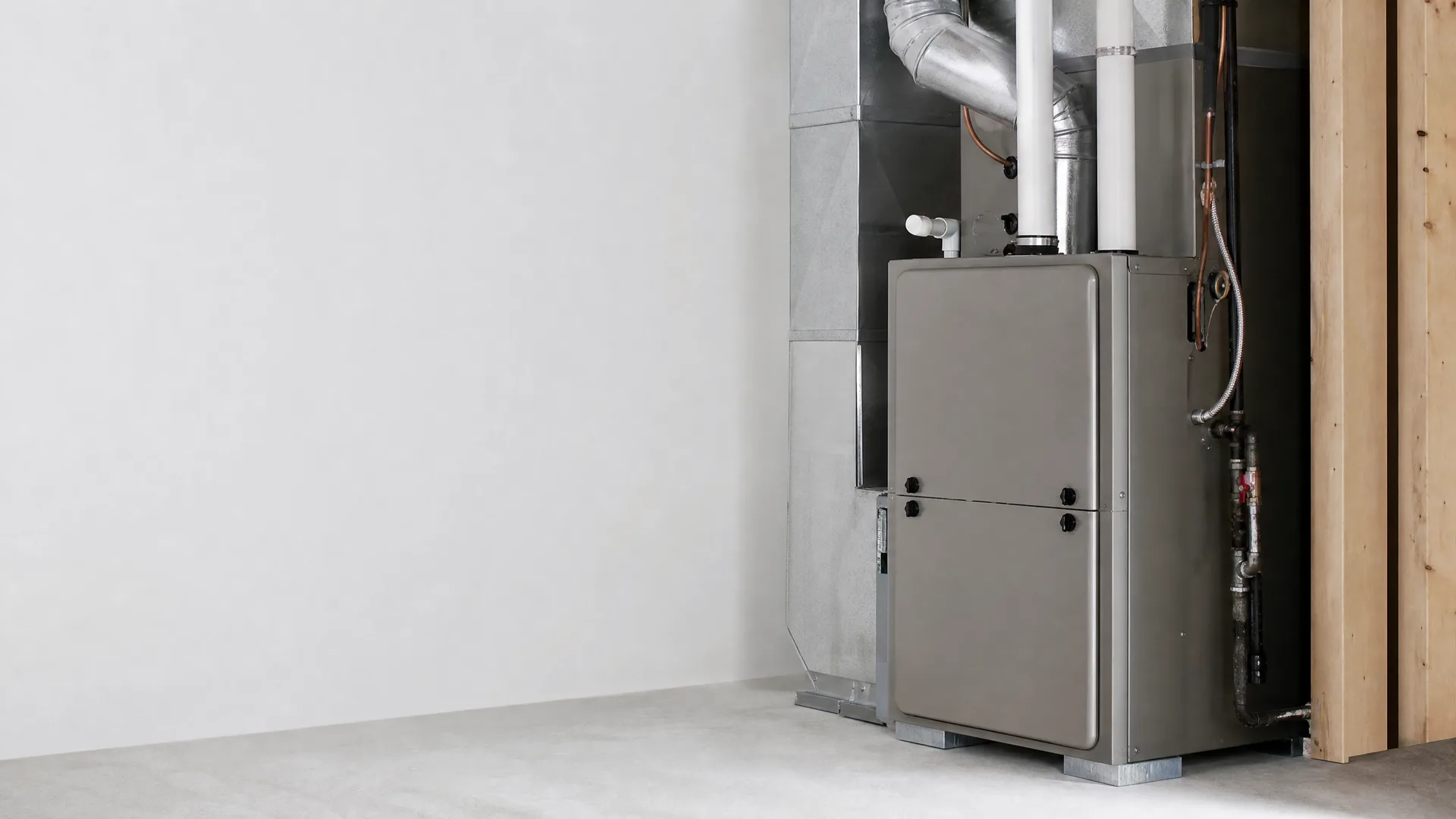
A gray residential furnace with attached sheet-metal ductwork, white PVC vent pipes and copper lines stands against a plain white wall on a concrete floor, beside exposed wooden framing.

A dirty flame sensor is common here

The flame sensor is a thin metal rod near the burners that tells the furnace a flame is actually lit. A light coating of soot on it is enough to make the furnace think the flame went out, even when it didn't, and shut the gas off as a safety step. It's one of the more common reasons a furnace quits partway through a cycle, and it has nothing to do with the thermostat or the temperature outside.

Why does my furnace short cycle so much in Mountain Home winters?

  • Winter nights average 21°F

    Overnight lows average 21°F here in December and January. A furnace that shuts off early is leaving the house to cool fast in that kind of cold.

  • Heat runs September through June

    Heat runs here from September through June, about ten months of the year. A furnace that short cycles has that many months to wear out its parts.

  • 53.4% of homes heat with gas

    More than half of homes in Elmore County heat with gas, 53.4% of them. A shutoff problem on a gas furnace usually points to the igniter, the flame sensor, or airflow.

NOAA nClimDiv 1991-2020 · ACS 2020-2024

A dirty flame sensor will make a furnace shut off after a few minutes every time, and that's a short visit and a quick fix once someone's out there to clean it.

A cracked heat exchanger will also make a furnace shut off, and that's not something to patch. It needs to be replaced before the furnace runs again.

A woman in a mustard knit sweater sits on a light-colored sofa indoors, looking toward a bright window, with a potted fiddle-leaf fig plant behind her.
A woman with long brown hair in a cream knit turtleneck sweater sits on a light sofa indoors, looking off to the side, with a shelf of plants and pottery blurred behind her.
A woman with long brown hair in a dark red knit sweater sits on a gray couch with cushions, smiling and looking off to the side, with a window and indoor plant behind her.
A woman with long dark hair in a cream knit sweater sits on a sofa indoors, smiling and looking off to the side, with a blurred room, hanging light bulb and window behind her.

Find a furnace repair pro in Elmore County

Explain the furnace problem once instead of to every shop in Elmore County.

There's no charge for the request.

A gray high-efficiency furnace in a basement with sheet-metal ductwork, white PVC vent pipes, metal plumbing lines, a condensate pump on the floor, and a window showing green trees outside.

Running a full cycle

This is a furnace that heats the house and shuts off on its own schedule. The burners stay lit until the thermostat is satisfied, the blower moves warm air through the ducts the whole time, and the flue and condensate lines do their job in the background without drawing attention to themselves.


An older metal furnace with PVC and metal pipes stands on a concrete basement floor beside galvanized ductwork, with wooden stairs and a water tank in the background.

Quitting early

This is the same kind of furnace well short of that. Dust has built up around the burners and the cabinet, the gas line and condensate piping show their age, and somewhere in there is whatever's cutting the cycle short, a flame sensor, a limit switch, or something worse further in.

A man in a dark jacket and khaki pants walks through an open gate in a stone wall toward a woman standing in the open front doorway of a single-story white house with a dark shingled roof and river-rock accents.

What short cycling does to your house all winter

A furnace that keeps shutting off doesn't heat evenly. You'll notice rooms farther from the furnace staying cold while the thermostat reads close to the set temperature, because the blower never runs long enough to push warm air all the way through the ducts. Some households deal with this by running the furnace almost constantly, trying to make up for each short burst, and the gas bill shows it by January.

There's also the morning you wake up and the house is cold because the furnace quit overnight and didn't come back on right. In Mountain Home, with lows in the 20s most of the winter, that's not a minor inconvenience. Instead of working the phone to find someone who can look at it, the Elmore County reader tells the furnace's symptoms once and gets matched with a contractor who takes it from there.

A mug and a small round vase sit on a wooden windowsill beside sheer and heavier curtains, with blurred autumn trees seen through the rain-speckled window and a sofa with cushions and a throw in the foreground.
  1. Thermostat calls for heat and signals the control board

  2. Igniter heats up, then the gas valve opens to feed the burners

  3. Flame sensor confirms burners lit within seconds or shuts gas off

  4. Blower motor starts, pushing air across the heat exchanger

Live With It or Get It Checked

Waiting it out

  • The furnace keeps shutting off and starting back up, so the house never gets a full warm cycle through a cold Mountain Home night.
  • Each short cycle puts another hard start on the igniter and blower motor, the two parts that wear fastest when a furnace won't run a full cycle.
  • Rooms farthest from the furnace stay cold even while the thermostat reads close to the set temperature.
  • If the cause is a cracked heat exchanger, waiting means living with a furnace that isn't safe to keep running.
  • You're the one calling around, explaining the shutoffs to one company after another, and comparing quotes while the house stays cold.

Getting it looked at

  • A technician can tell within minutes whether this is a dirty flame sensor, a limit switch, or something in the heat exchanger.
  • A flame sensor fix is a short visit once someone's actually out there to clean it.
  • Catching the cause now means the igniter and blower motor stop taking repeated hard starts every few minutes.
  • Once the furnace runs a full cycle again, the house heats evenly through the rest of a Mountain Home winter.
  • Matching with a contractor means one call instead of calling around and re-explaining the shutoffs to every company on the list.
A basement utility area with a gray furnace, sheet-metal ductwork, pipes, plastic-covered walls, a concrete floor, and a black shelving unit holding storage bins.

Furnace running a normal cycle

This is what a two-stage furnace looks like doing its job. The burners stay lit, the blower pushes air through the ductwork, and the condensate line drains off what the system doesn't need. Nothing shuts off early.

A gray metal furnace with louvered vent panels stands on a concrete basement floor beside galvanized ductwork, gas and plastic pipes, and foil-faced insulation along the ceiling and wall.

Furnace that keeps quitting on you

Rust on the cabinet doesn't stop a furnace from running, but it's often found next to the parts that do. A furnace this age with a yellow flex gas line and galvanized ducts is the kind that starts shutting off before the house warms up.

A beige furnace with two access panels stands against a concrete basement wall, with galvanized sheet-metal ductwork, a white PVC pipe, flexible conduit and insulated ducting around it.
Before you get your furnace repair
A gray furnace with white PVC vent pipes stands beside sheet-metal ductwork in a basement with a smooth concrete floor, exposed wood framing, and plastic sheeting on the walls.
After you get your furnace repair
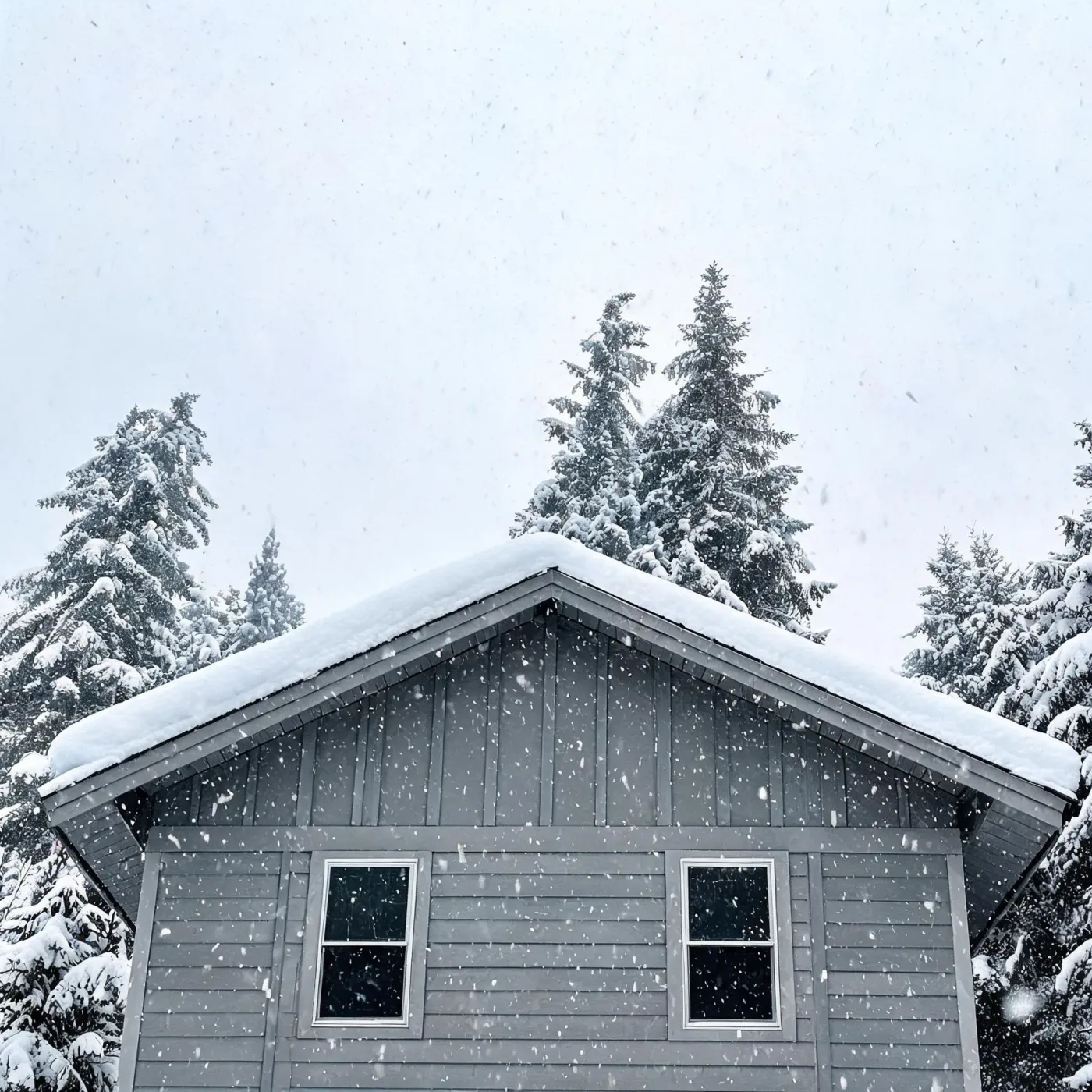
The upper gable of a gray wood-sided house with two dark windows and a snow-covered roof, with snow-laden conifers behind it and snow falling against a pale sky.

Winter nights here average 21°F, according to NOAA climate data for Elmore County. That's the kind of cold a furnace has to hold against for hours at a stretch, not just push back once and rest. If it's shutting off before the cycle finishes, the house loses ground fast at that temperature, and it doesn't make it back up before the next short cycle starts. By morning you'll feel it most in the rooms farthest from the furnace, where the air barely moved before the burners quit again.

NOAA nClimDiv 1991-2020

An older woman with grey-blonde hair in an updo and a beige turtleneck sweater smiles while looking to the side in a warmly lit kitchen, with a round loaf of bread on the counter in front of her and a dark window showing snow outside.
A woman holds a sleeping boy wrapped in a gray knit blanket on a couch, with a lit table lamp and houseplant blurred in the background.

The Short Version on Short Cycling

  • A furnace that shuts off before the house warms up has a specific cause, not a mystery, and a licensed tech can find it on one visit.
  • Dirty flame sensors, failing limit switches, and cracked heat exchangers all stop a cycle early, but they call for different repairs.
  • Leaving it alone means more short cycles, more wear on the igniter and blower motor, and more cold nights waiting it out.
  • Getting matched with a contractor skips the part where you call around Mountain Home, explain the same problem three times, and sort through quotes yourself.
  • The sooner the actual cause gets diagnosed, the sooner the furnace runs a full cycle again instead of quitting partway through.

A furnace that quits before the house warms up is reacting to something specific. Sometimes it's a flame sensor coated in buildup that can't confirm the burners are lit, so the control board cuts the gas. Sometimes it's a limit switch tripping because airflow is restricted somewhere in the system. Sometimes it's a cracked heat exchanger, and that one means the furnace needs to come out of service until it's replaced. Each of these ends the same way, a cycle that stops short, but a tech looking at the actual unit can tell which one is happening within one visit.

Left alone, the pattern doesn't fix itself. The furnace keeps firing, keeps quitting, and the igniter and blower motor take another hard start each time it does. Meanwhile the house spends another cold night never quite catching up to the thermostat setting, which matters more here with lows sitting around 21°F in December and January than it would somewhere milder.

Getting matched with a contractor means skipping the part where you're on the phone with three different companies in Mountain Home, describing the same shutoff pattern each time, then trying to compare quotes you don't have the background to judge. One visit, one tech looking at the actual furnace, is how the cause gets identified instead of guessed at. Once that happens, the furnace goes back to running a full cycle, burners lit until the thermostat's satisfied, instead of quitting partway through on a cold night.

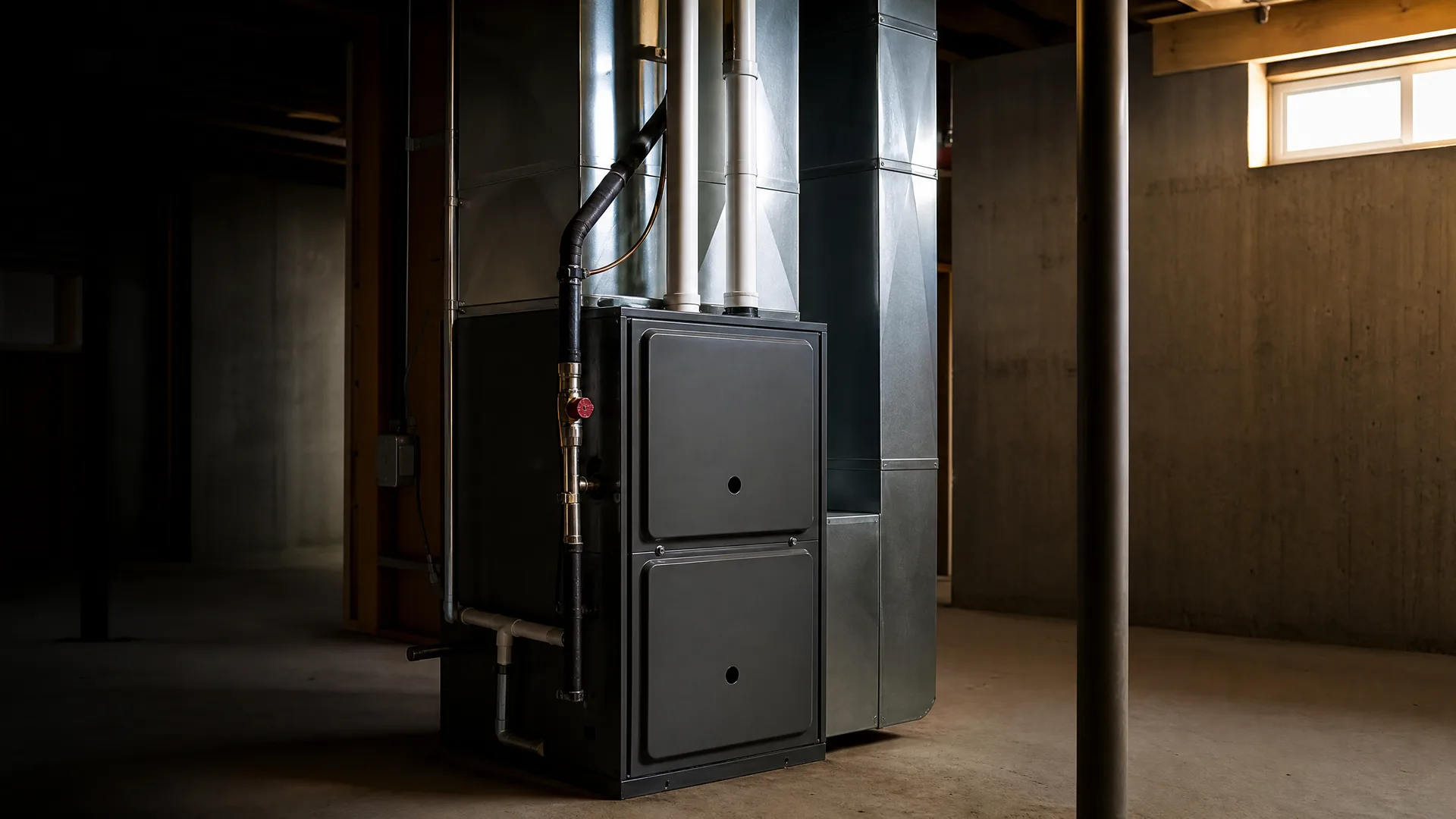
A dark gray high-efficiency furnace with two white vent pipes and connected sheet-metal ductwork stands in an unfinished basement with concrete walls, a support pole, and a small window.

The right pro for this job

RepairFurnace or heatingElmore County, ID
Step 1 of 2

What ZIP code is the job in?